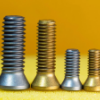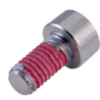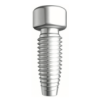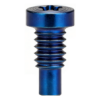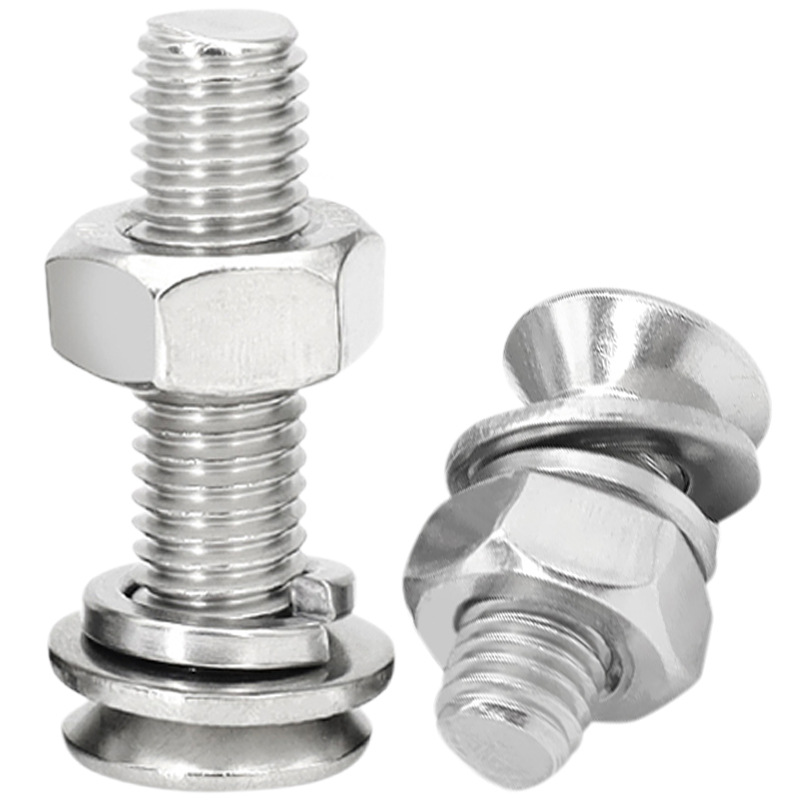










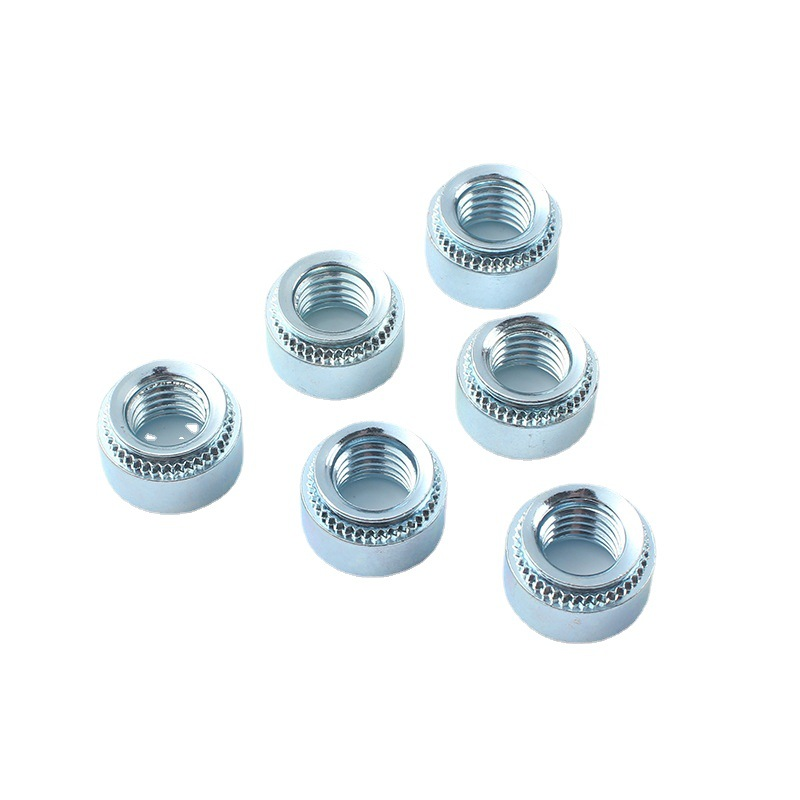
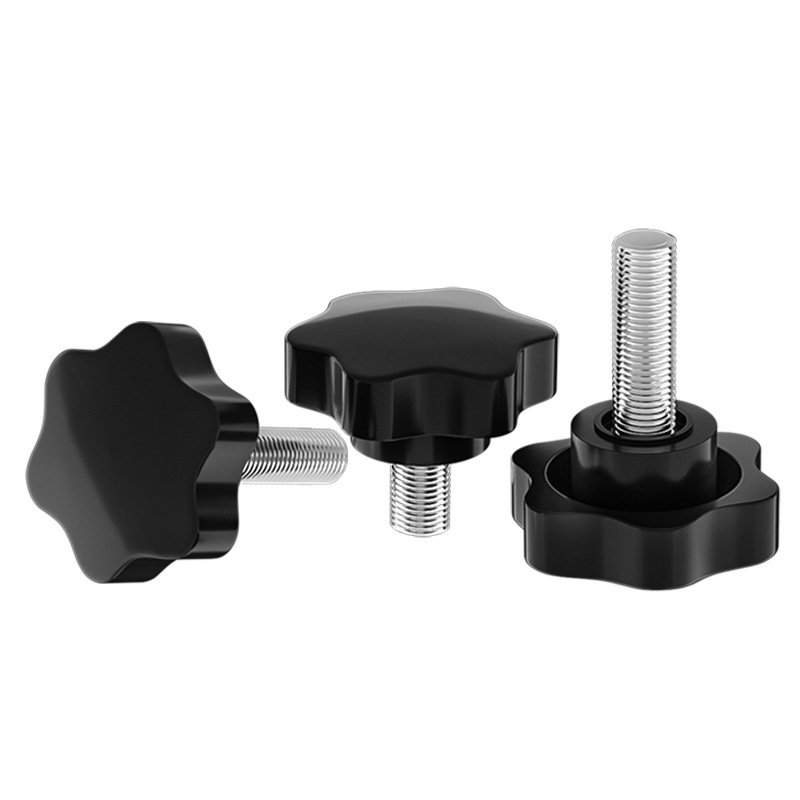
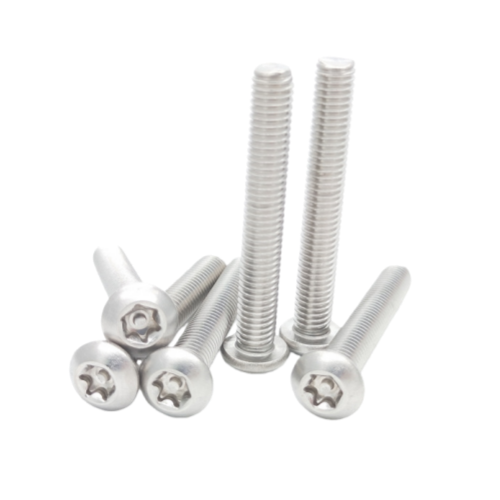
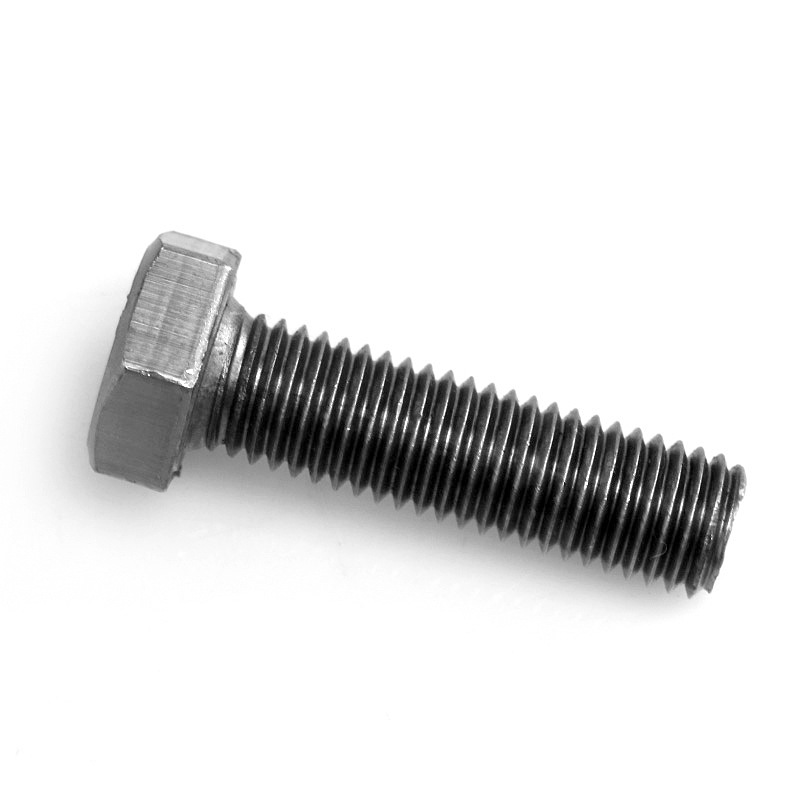
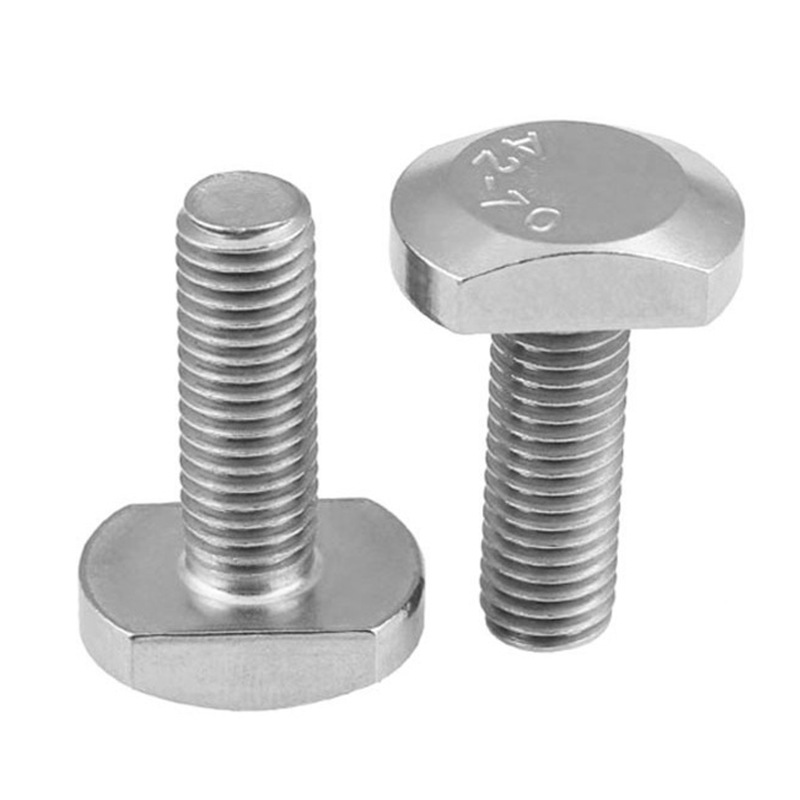
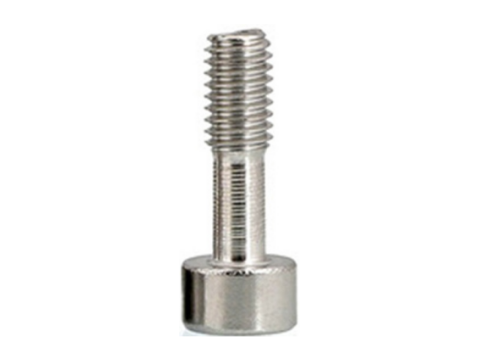
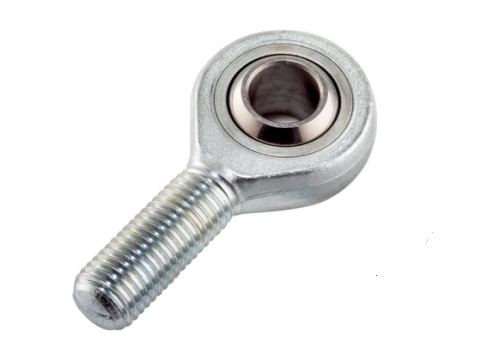
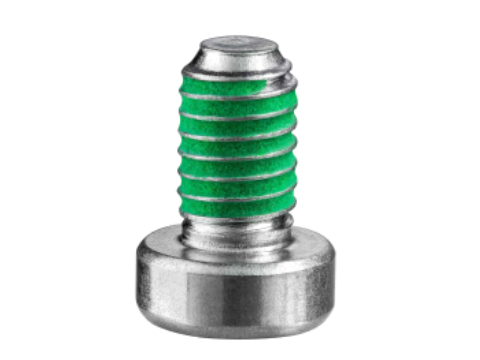
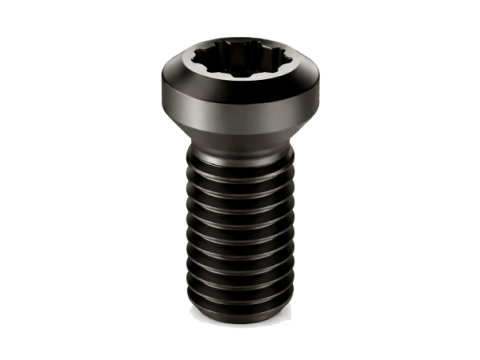
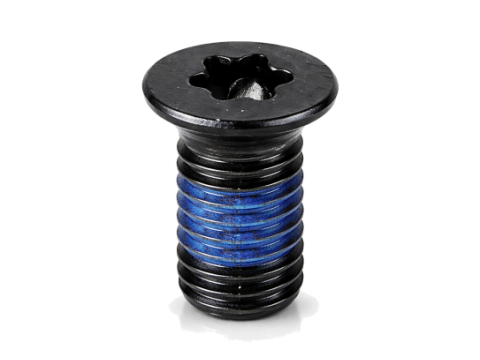

As an important category of special fasteners, special-shaped head bolts feature high technical content and complex manufacturing processes, delivering irreplaceable performance in key equipment connections. With years of technical accumulation, Shenzhen Yongjing Precision Technology Co., Ltd. has formed unique advantages in the R&D and manufacturing of special-shaped head bolts. This article conducts an in-depth discussion from three dimensions including design principles, manufacturing processes and quality control, providing comprehensive technical references for industry practitioners.
I. Design Principles and Structural Optimization
The head structure design adopts advanced finite element stress analysis technology. Combined with computer simulation and physical testing, the driving and anti-rotation structures are optimized with streamlined stress transition design to achieve uniform stress distribution and eliminate local stress concentration. In practical design, multiple factors such as mechanical load conditions, installation space and service environments are comprehensively considered. Iterative structural calculation is performed to determine the optimal structural scheme. Especially under harsh working conditions of heavy load and high-frequency vibration, the rationality of bolt head design directly determines the reliability of the entire connection system.
II. Scientific Material Selection System
Material selection follows strict standardized principles. Carbon steel is applicable for conventional general scenarios; stainless steel is adopted for high-corrosion environments; heat-resistant steel is selected for high-temperature working conditions. Environmental adaptability is verified through salt spray tests and humidity-heat tests to evaluate corrosion resistance. Thermal performance indicators including high-temperature strength and creep resistance are strictly assessed for thermal service scenarios.
Customized materials are developed for extreme working conditions. Radiation-resistant materials are applied for nuclear equipment bolts, and low-temperature tough materials are adopted for ultra-low-temperature environments to avoid brittle failure. Scientific material matching lays a fundamental guarantee for bolt structural stability and service durability.
III. Core Manufacturing Processes
1. Precision Cold Heading Forming
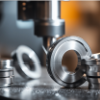
Multi-station precision cold heading technology serves as the core forming process. Accurate mold design and manufacturing control ensure stable forming quality and qualified surface finish. Process parameters are precisely adjusted according to material flow and deformation rules to maintain continuous metal fiber structure, thereby improving overall mechanical properties. Modern cold heading technology enables one-time integral forming of complex special-shaped structures, effectively improving production efficiency and product consistency.
2. Optimized Heat Treatment Process
Heat treatment determines the final mechanical performance of bolts. Optimized quenching and tempering processes and surface hardening treatments are adopted to stabilize microstructure and control deformation. Key parameters including heating temperature, holding time and cooling rate are precisely controlled to obtain ideal metallographic structures and mechanical properties.
Customized thermal processes are applied for differentiated requirements: carburizing treatment improves surface hardness and wear resistance, while nitriding treatment enhances fatigue strength and corrosion resistance. A strict whole-process control system is implemented to ensure stable batch quality.
3. Diversified Surface Treatment Technology
Multiple surface protection processes are adopted according to service requirements. Dacromet treatment provides excellent corrosion resistance and zero hydrogen embrittlement risk, suitable for high-strength bolts. Hot-dip galvanizing strictly controls coating thickness and uniformity to avoid missing plating and peeling defects. Electroplating ensures uniform coating distribution without damaging thread accuracy.
Special coatings are developed for extreme environments, including PTFE coatings with excellent anti-sticking and chemical resistance, and ceramic coatings with ultra-high wear resistance to meet customized environmental adaptation requirements.
IV. Full-Lifecycle Quality Control System
1. Raw Material Inspection
Strict incoming inspection covers chemical composition analysis, mechanical property testing, metallographic examination and non-destructive testing. Direct-reading spectrometers are used for component analysis, universal testing machines for mechanical performance verification, metallographic microscopes for structural observation, and ultrasonic flaw detection for internal defect screening, ensuring inherent material quality.
2. In-Process Quality Monitoring
Online dimensional inspection, visual surface defect detection, torque coefficient testing and anti-loosening performance verification are implemented throughout production. Automatic inspection equipment and machine vision systems realize real-time monitoring of dimensional accuracy and surface quality. Torque testing and vibration anti-loosening tests ensure stable mechanical performance and connection reliability.
3. Finished Product Verification
Complete performance validation includes proof load testing, fatigue life testing, environmental adaptability testing and service life evaluation. Proof load tests verify structural bearing capacity; cyclic fatigue tests assess long-term durability; environmental simulation tests adapt actual working conditions; accelerated life tests predict service reliability, ensuring stable performance in practical applications.
V. Key Application Technical Points
1. High-Strength Connection Control
Precise preload control, scientific friction coefficient management and real-time relaxation monitoring are essential for high-reliability connections. Excessive or insufficient preload will cause fracture failure or loosening risk. Surface treatment and lubrication optimization stabilize the friction coefficient and ensure linear torque-preload correlation. Regular inspection and sensor monitoring effectively identify potential relaxation risks.
2. Special Environment Adaptation
Targeted anti-corrosion schemes, temperature compensation strategies, vibration prevention measures and full-cycle monitoring systems are formulated for extreme scenarios. Corrosion protection solutions are matched with specific medium characteristics; thermal expansion differences are compensated for temperature-variable environments; standardized anti-loosening measures and regular inspection mechanisms are applied for vibration conditions to maintain long-term connection stability.
VI. Industry Technology Development Trend
With the continuous innovation of new materials and manufacturing technologies, special-shaped head bolt technology is constantly upgraded. Nanomaterials effectively improve strength and toughness; 3D printing realizes the rapid manufacturing of complex customized structures; intelligent bolt technology enables real-time monitoring of fastening status and structural safety.
Shenzhen Yongjing Precision Technology Co., Ltd. focuses on the R&D of intelligent fasteners and composite material bolts. By increasing R&D investment and cooperating with scientific research institutions, we independently develop high-performance fastener products, provide high-quality customized fastening solutions for advanced manufacturing, and promote the high-quality development of the fastener industry.