













 Login
Login



Products
Solutions
Applications



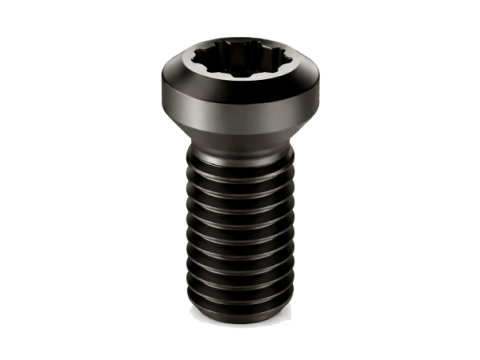
Tool Screws
Thread Inserts
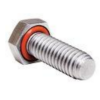
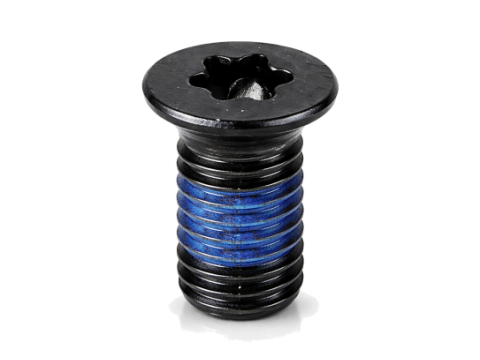
Sealing Products
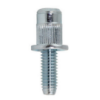
Riveting Products
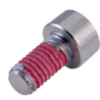
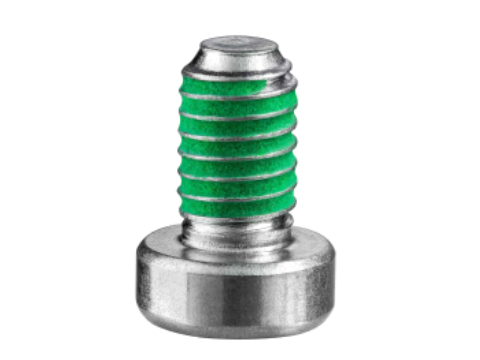
Locking Products
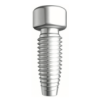
Direct Assembly
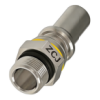
UQD
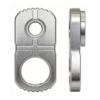
SMT Chips
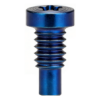
Precision Screws
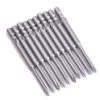
Screwdriver Bits
Other Screws
Tool Screws
High-precision cutting fit, firm fastening, ensuring stable tool operation
Thread Inserts
Expert in precision thread repair, high strength and durability, stable locking without loosening
Riveting Products
Integral riveting molding, firm connection, compression resistant and not easy to loose
Locking Products
Multiple locking and anti-loosening, shockproof and stable, resist vibration for continuous fastening
Direct Assembly
Auxiliary-free convenient assembly, precise alignment, simplified process for efficient installation
UQD
Quick release buckle design, smooth docking, easy disassembly and assembly, universal efficiency
SMT Chips
Precision chip fitting, flat adhesion, suitable for automated mounting operations
Precision Screws
Micron-level precision molding, standard size, suitable for various precision components
Screwdriver Bits
High-precision bits, strong toughness and wear resistance, precise engagement for efficient operation
Others
Universal specification fit, stable fastening, meet various conventional assembly needs
Engineering Plastics
Light Alloys

PCB Applications
Sheet Metal Applications

Hard Alloys
Locking Applications
Lightweight Applications

Waterproof Sealing
Multi-function Applications
Surface Treatment
Miniature Precision
Ultra-high Strength Bolts

Magnesium Alloy Galvanic Corrosion

Humanoid Robots
Carbon Fiber Materials
 Ask me anything
 Contact information for headquarters sales
Contact information for Indonesia sales
Contact information for India sales
Contact information for headquarters sales
Contact information for Indonesia sales
Contact information for India sales



Thread Inserts

Screwdriver Bits

Inserts

Riveting Products

Locking Products

Direct Assembly

SMT Chips

Precision Screws

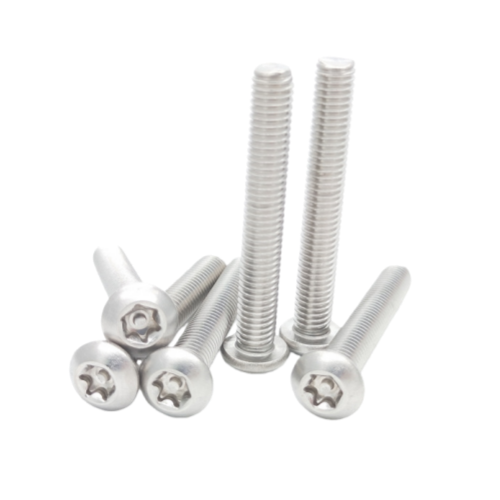
Professional consultant team online, ready to provide solutions for you
Contact NowProducts
Solutions
Applications
Contact
 Contact
 WeChat
Contact: Manager Fan - Tel/WeChat: 135-6073-0094 Email: Flora.Fan@toprecision.com | Manager Ao - Tel/WeChat: 13560729614 Email: Olia.Ao@toprecision.com
Sales Director: Mr. Zhang - Tel: 13510369429 Email: xiaowei.zhang@zcjtech.com
© Copyright 2011 - 2026 Shenzhen Toprecision Precision Technology Co., Ltd. All Rights Reserved.
 粤ICP备2025493240号-1
Cutter Screws
Thread Inserts
Sealing Products
Riveting Products
Locking Products
Direct Assembly
SMT Components
Precision Screws
Screwdriver Bits