













 Login
Login



Products
Solutions
Applications


Tool Screws
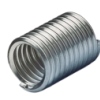
Thread Inserts
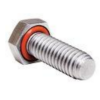
Sealing Products
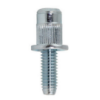
Riveting Products
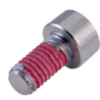
Locking Products
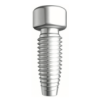
Direct Assembly
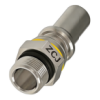
UQD
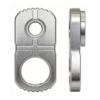
SMT Chips
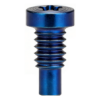
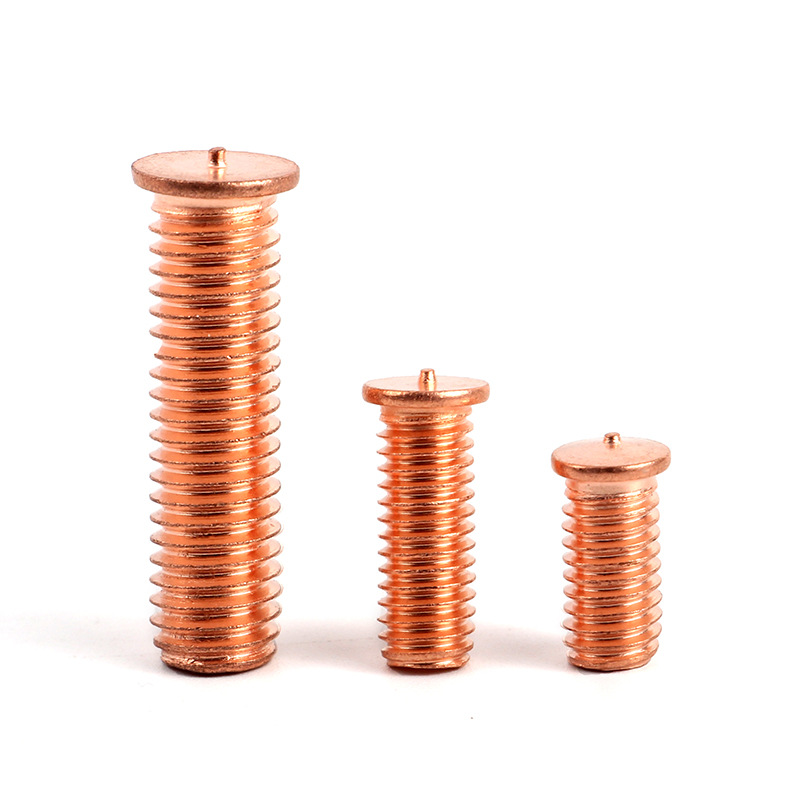
Precision Screws
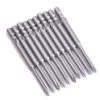
Screwdriver Bits
Other Screws
Tool Screws
High-precision cutting fit, firm fastening, ensuring stable tool operation
Thread Inserts
Expert in precision thread repair, high strength and durability, stable locking without loosening
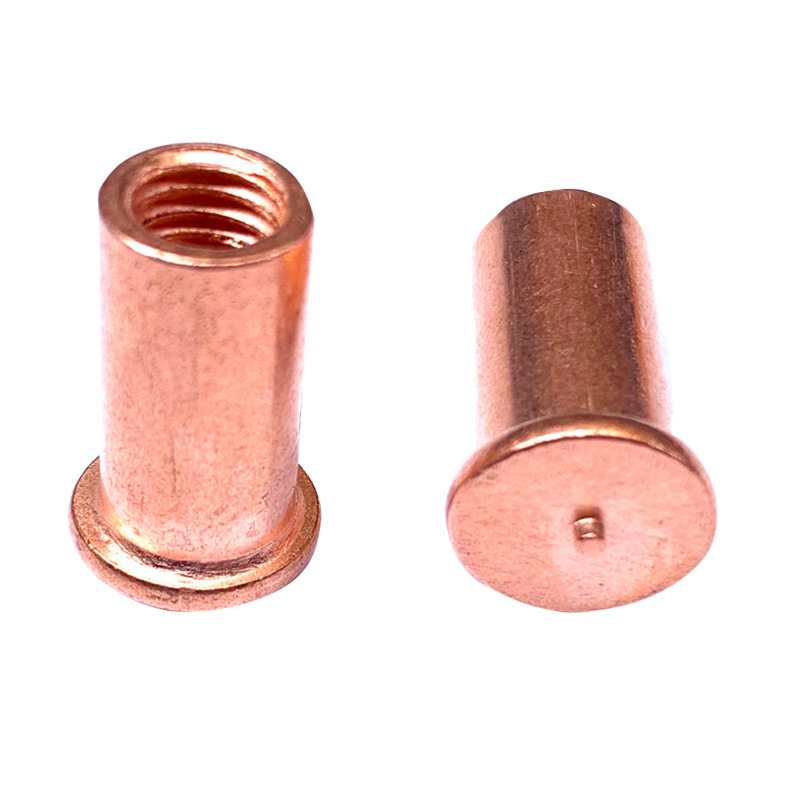
Riveting Products
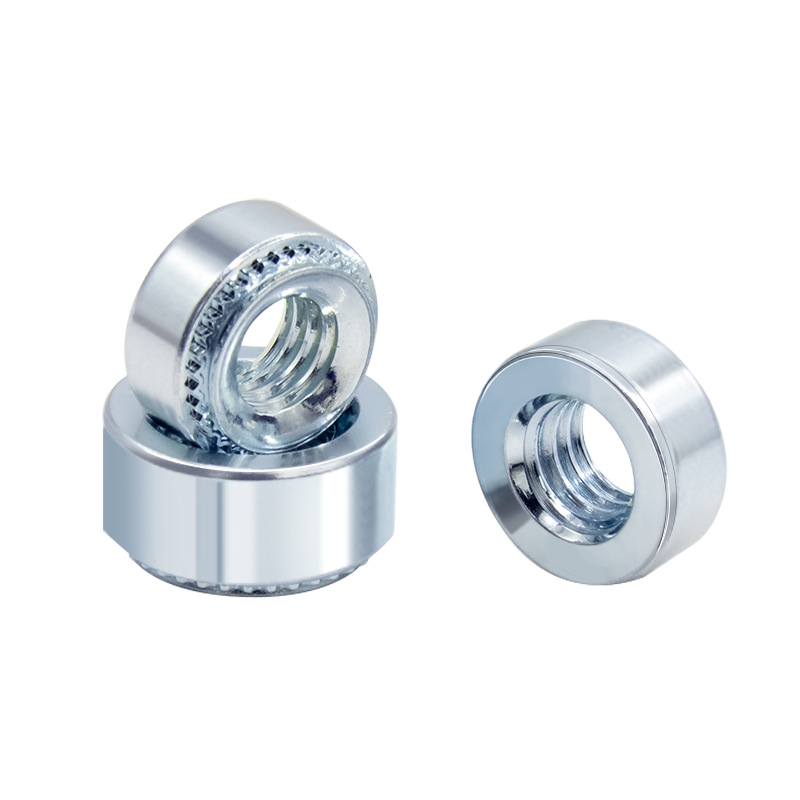
Integral riveting molding, firm connection, compression resistant and not easy to loose
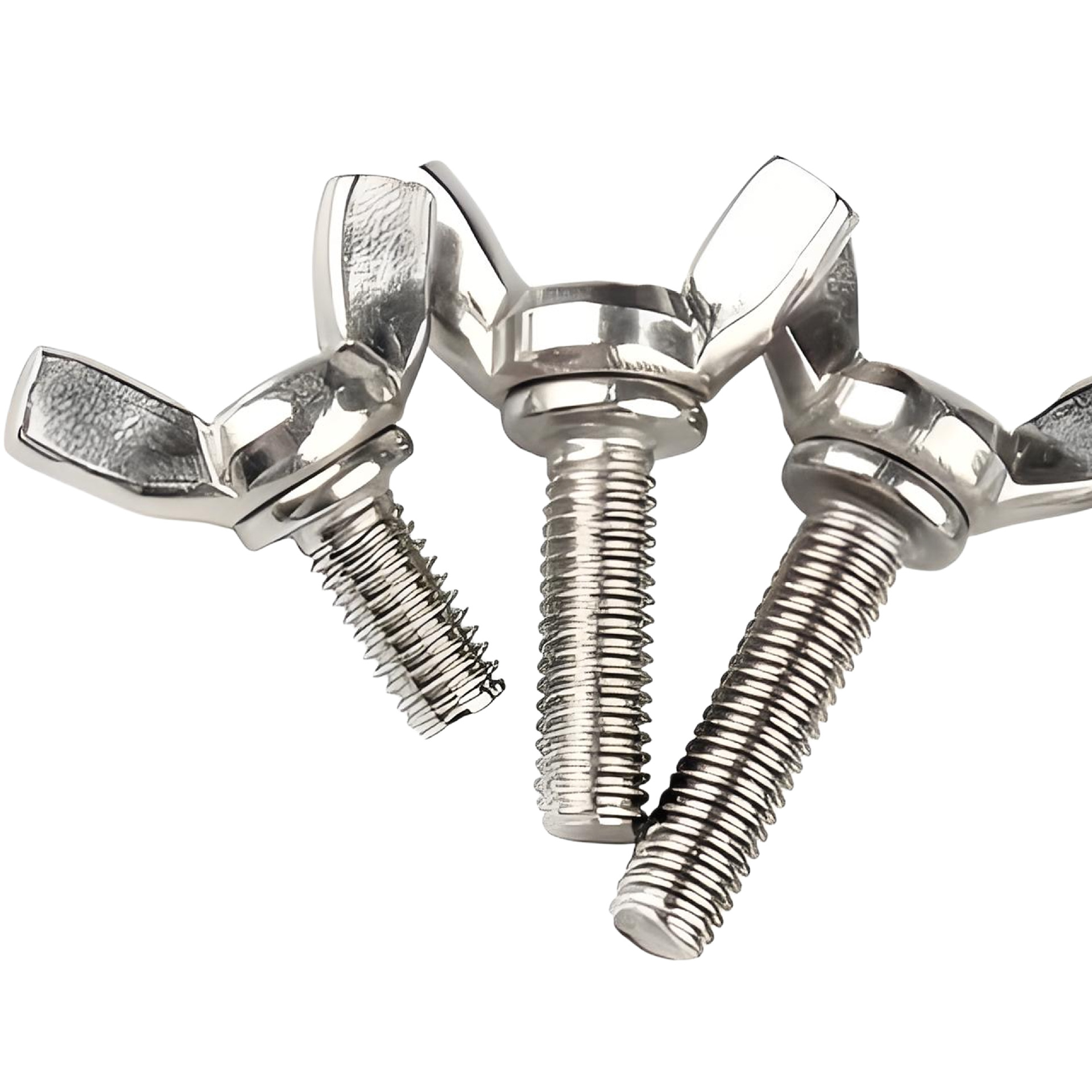
Locking Products
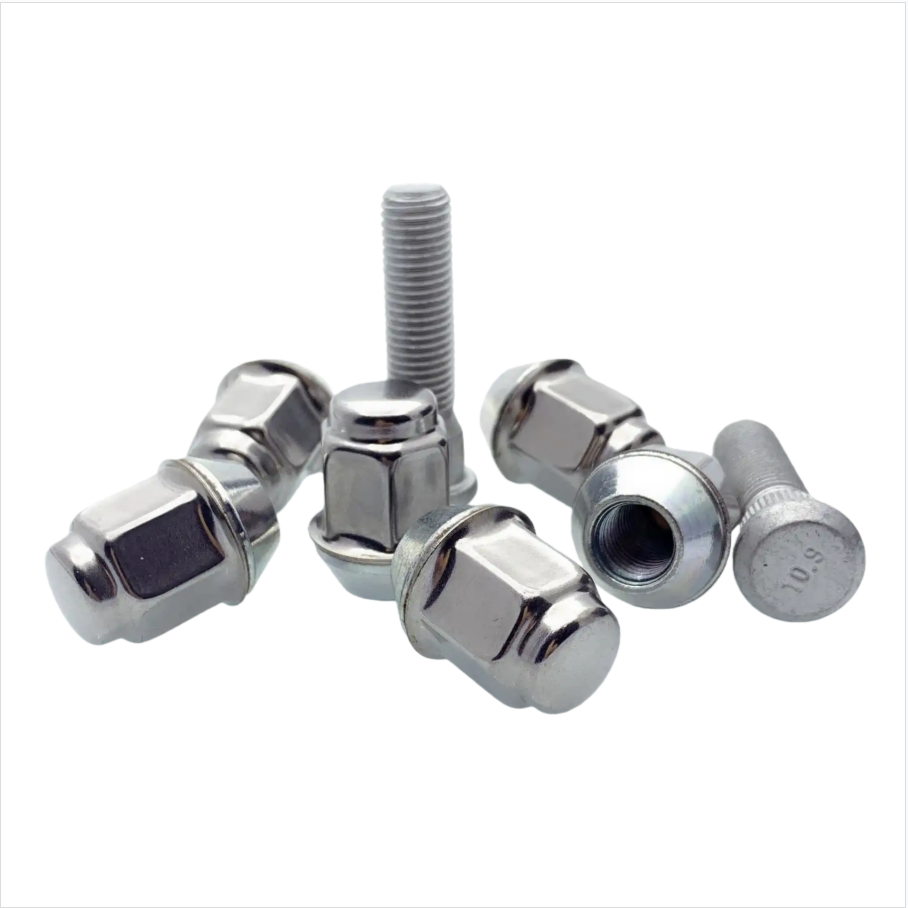
Multiple locking and anti-loosening, shockproof and stable, resist vibration for continuous fastening
Direct Assembly
Auxiliary-free convenient assembly, precise alignment, simplified process for efficient installation
UQD
Quick release buckle design, smooth docking, easy disassembly and assembly, universal efficiency
SMT Chips
Precision chip fitting, flat adhesion, suitable for automated mounting operations
Precision Screws
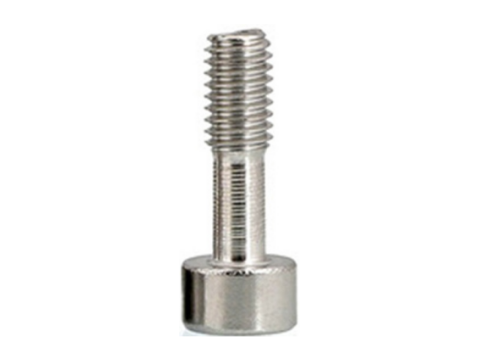
Micron-level precision molding, standard size, suitable for various precision components
Screwdriver Bits
High-precision bits, strong toughness and wear resistance, precise engagement for efficient operation
Others
Universal specification fit, stable fastening, meet various conventional assembly needs
Engineering Plastics
Light Alloys

PCB Applications
Sheet Metal Applications

Hard Alloys
Locking Applications
Lightweight Applications

Waterproof Sealing
Multi-function Applications
Surface Treatment
Miniature Precision
Ultra-high Strength Bolts
Magnesium Alloy Galvanic Corrosion

Humanoid Robots
Carbon Fiber Materials
 Ask me anything
 Contact information for headquarters sales
Contact information for Indonesia sales
Contact information for India sales
Contact information for headquarters sales
Contact information for Indonesia sales
Contact information for India sales



Thread Inserts

Screwdriver Bits

Inserts

Riveting Products

Locking Products

Direct Assembly

SMT Chips

Precision Screws

In mechanical equipment, threaded connections are the most basic and essential joining method. Thread locking, while seemingly a simple operation to prevent nuts from loosening, is actually a critical step in avoiding bolt fracture. Bolt loosening is a common issue during equipment operation. If not addressed promptly, it can cause abnormal vibration, component wear, connection failure, equipment disintegration, or even major safety accidents. Understanding the relationship between thread locking and bolt fracture is crucial for ensuring safe equipment operation.
First, a fundamental question: why can bolts be tightened more and more, and why does loosening lead to fracture? From a mechanical principle perspective, the thread engagement between bolt and nut forms a self-locking structure. When the thread lead angle is smaller than the equivalent friction angle of the thread pair, the nut will not loosen on its own even without external force—this is the core reason bolts can be "tightened more and more." During tightening, preload causes axial tensile deformation of the bolt while generating friction at both the thread pair and the bolt head contact surface. This dual action ensures connection stability.
However, when equipment experiences vibration, impact, or temperature changes during operation, the friction at the thread pair can momentarily decrease. Without effective locking measures, the nut will gradually loosen. At this point, the bolt's stress state changes dramatically. The originally uniform axial tensile load becomes periodic alternating load, and under repeated action, the bolt is highly prone to fatigue cracks, ultimately leading to fracture. Therefore, the essence of thread locking is to maintain stable loading on the thread pair, fundamentally preventing fracture caused by abnormal bolt stress.
In practical engineering, bolt fracture has complex causes that require multi-dimensional analysis, all of which relate to the effectiveness of locking measures. The first key dimension is bolt quality. If the bolt material contains impurities, heat treatment is improper, or thread machining precision is inadequate, the bolt's inherent mechanical properties will be flawed. Under normal tightening or slight loosening, stress concentration can cause fracture. High-quality bolts are the foundation for preventing fracture, and reliable locking measures further mitigate risks from quality defects.
The second dimension is preload torque control. Insufficient preload torque means inadequate axial bolt tension and lower thread friction, making loosening highly likely. Excessive preload torque subjects the bolt to tensile stress exceeding its yield strength, directly causing plastic deformation or fracture. Appropriate preload torque must be precisely determined based on bolt specifications, material, and connection requirements. Locking measures (such as lock washers or lock nuts) prevent loosening caused by torque decay when preload torque is properly set.
The third dimension is bolt strength matching. Bolt strength grade must match the application conditions. Using low-strength bolts for high-strength loads will cause fracture from overload, even with proper preload torque and locking. Conversely, blindly selecting high-strength bolts with improper preload torque increases the risk of joint surface deformation or bolt embrittlement fracture.
The fourth dimension is fatigue strength. Vibration and impact during equipment operation are primary causes of bolt fatigue fracture, representing the key scenario that locking measures address. Standard bolts have limited fatigue life, and repeated loosening and retightening accelerates fatigue crack propagation. Using spring washers, double-nut locking, or threadlocking adhesives effectively suppresses relative motion at the thread pair, reduces the impact of alternating loads on the bolt, and extends fatigue life.
In summary, thread locking and bolt fracture are closely related. Effective locking measures are the key to avoiding fracture risk. In mechanical design and equipment maintenance, attention must be paid to core factors such as bolt quality, preload torque, strength matching, and fatigue performance. Equally important is selecting appropriate locking methods based on application conditions—mechanical locking, friction locking, or chemical locking. Only by combining locking with fracture prevention can the reliability of threaded connections be truly ensured, building a solid defense for safe and stable equipment operation.
Professional consultant team online, ready to provide solutions for you
Contact NowProducts
Solutions
Applications
Contact
 Contact
 WeChat
Contact: Manager Fan - Tel/WeChat: 135-6073-0094 Email: Flora.Fan@toprecision.com | Manager Ao - Tel/WeChat: 13560729614 Email: Olia.Ao@toprecision.com
Sales Director: Mr. Zhang - Tel: 13510369429 Email: xiaowei.zhang@zcjtech.com
© Copyright 2011 - 2026 Shenzhen Toprecision Precision Technology Co., Ltd. All Rights Reserved.
 粤ICP备2025493240号-1
Cutter Screws
Thread Inserts
Sealing Products
Riveting Products
Locking Products
Direct Assembly
SMT Components
Precision Screws
Screwdriver Bits