




















 Login
Login



Products
Solutions
Applications





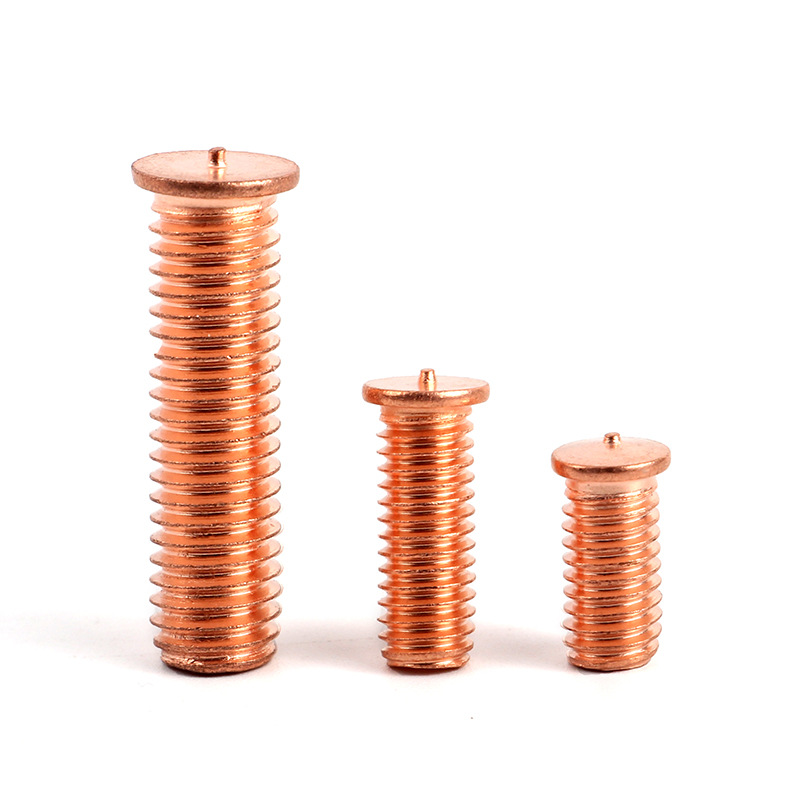
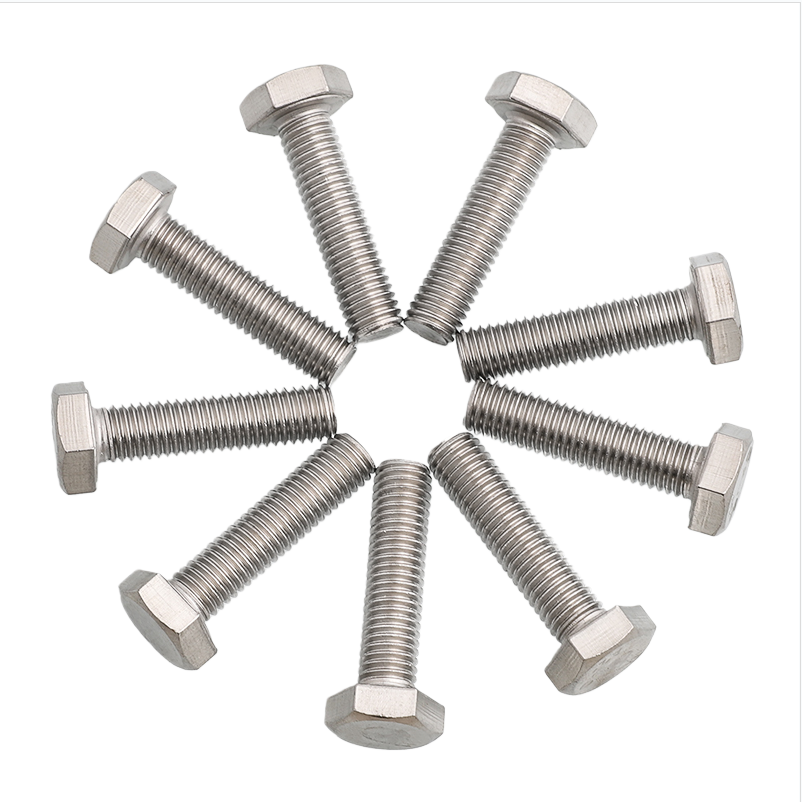
In fastener applications, bolt tightening quality directly determines the structural stability and operational safety of equipment. As a critical step in bolt manufacturing, surface finishing significantly influences tightening performance by altering the friction coefficient. Understanding this relationship holds important engineering value for optimizing bolt performance.
From a theoretical perspective, bolt tightening is essentially a process of energy conversion and distribution, with the friction coefficient serving as the core variable that determines how torque energy is allocated. This allocation primarily affects three areas: friction loss at the bolt head, friction loss in the threads, and the work contributing to clamp load (preload). When the friction coefficient increases, frictional resistance at both the bolt head-to-joint interface and the thread interface rises, causing more input torque to be converted into frictional heat, thereby reducing the proportion of effective energy that generates preload. Conversely, reducing the friction coefficient minimizes ineffective friction losses, allowing more torque to act on axial bolt stretch and improving preload development.
Specifically, friction at the bolt head is positively correlated with the friction coefficient of the contact surfaces. A higher coefficient increases the risk of bolt head slipping during tightening, which not only consumes additional torque but can also lead to torque instability. Thread friction is significantly affected by the condition of the thread surface. Rough or untreated threads tend to generate higher frictional resistance, exacerbating thread wear and reducing preload transfer efficiency. Preload work represents the effective portion of input energy, and its proportion is negatively correlated with the friction coefficient. Even minor variations in the friction coefficient can lead to substantial deviations in preload.
To quantify the impact of surface finishing, experiments were conducted on threaded fasteners with different surface treatments, systematically measuring friction coefficients and torque-preload relationships. Typical processes such as zinc plating and various chromate treatments were selected, with the controlled variable method used to capture performance differences. The results showed that surface finishing significantly regulates the friction coefficient in a predictable manner.
For zinc plating, coating thickness and friction coefficient exhibit a non-linear relationship. When coating thickness ranges from 5 to 15 microns, the friction coefficient gradually decreases with increasing thickness, as the uniform coating fills microscopic surface irregularities and reduces contact friction. Above 15 microns, the coating becomes prone to cracking or peeling, causing the friction coefficient to rise. For chromate treatment, the density of the passivation film is the key factor. Bolts treated with trivalent chromium passivation develop a dense film that stabilizes the friction coefficient between 0.12 and 0.15, significantly lower than the 0.25 to 0.30 range for untreated surfaces, improving torque-to-preload conversion efficiency by over 30%.
The core experimental conclusion is that surface finishing directly affects torque-preload conversion efficiency by regulating the friction coefficient, with reducing the friction coefficient being an effective path to increasing axial bolt tension. Data shows that at the same tightening torque, reducing the friction coefficient from 0.28 to 0.14 through optimized surface finishing increases axial bolt tension by approximately 45%, significantly enhancing clamping force and vibration resistance.
For the fastener industry, this research provides important practical guidance. For automotive cylinder head bolts, a composite treatment of zinc plating plus trivalent chromium passivation can precisely control the friction coefficient, ensuring stable preload. For wind turbine flange bolts, adjusting zinc coating thickness combined with sealing treatment balances corrosion resistance with tightening reliability.
In summary, surface finishing governs energy distribution and preload generation during bolt tightening by altering the friction coefficient. Clarifying the friction characteristics of different surface finishing processes, especially the impact of key parameters such as zinc coating thickness and chromate treatment, provides a scientific basis for optimizing bolt surface finishing and tightening processes, carrying significant practical value for improving fastener performance and ensuring equipment operational safety.
Professional consultant team online, ready to provide solutions for you
Contact NowProducts
Solutions
Applications
Contact
 Contact
 WeChat
Contact: Manager Fan - Tel/WeChat: 135-6073-0094 Email: Flora.Fan@toprecision.com | Manager Ao - Tel/WeChat: 13560729614 Email: Olia.Ao@toprecision.com
Sales Director: Mr. Zhang - Tel: 13510369429 Email: xiaowei.zhang@zcjtech.com
© Copyright 2011 - 2026 Shenzhen Toprecision Precision Technology Co., Ltd. All Rights Reserved.
 粤ICP备2025493240号-1


Cutter Screws
Thread Inserts
Sealing Products
Riveting Products
Locking Products
Direct Assembly
SMT Components
Precision Screws
Screwdriver Bits