1. Overview of the Global Trade Environment
Since 2025, Chinese fastener exports have faced a more complex international trade environment. Multiple countries and regions globally have initiated anti-dumping and countervailing investigations against Chinese fastener products or implemented new trade remedy measures. This trend reflects the resurgence of global trade protectionism and poses new challenges to the international development of China's fastener industry.
2. Specific Cases by Region
Asia: On February 7, 2025, India announced the termination of its anti-dumping investigation against Chinese fasteners, concluding that there was insufficient evidence to prove dumping and injury to its domestic industry. This decision, covering various products such as screws, bolts, and nuts, provides favorable conditions for Chinese fastener enterprises to maintain market access in India.
Africa: On February 25, 2025, the International Trade Administration Commission of South Africa made a preliminary ruling to impose provisional anti-dumping duties on hexagon head screws and bolts originating from China at rates of 166.07% and 17.65%, respectively. This six-month measure reflects South Africa's high level of attention to Chinese fastener products.
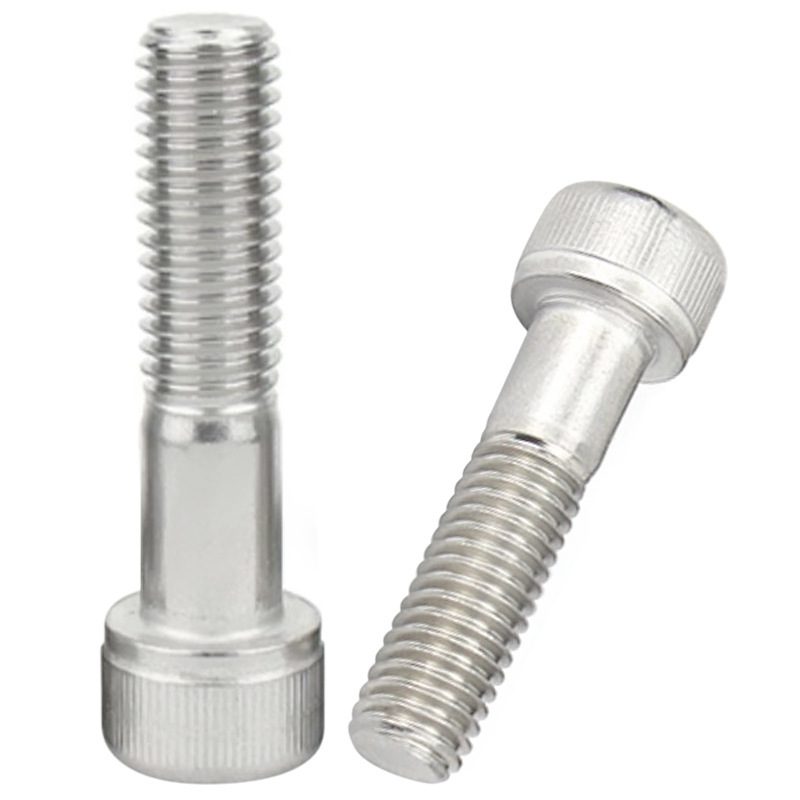
Europe: On June 16, 2025, the European Commission made an affirmative preliminary anti-dumping ruling against set screws originating from China, imposing provisional anti-dumping duties ranging from 62.3% to 80.7% depending on the enterprise. This measure, involving multiple Chinese companies such as Zhejiang Junyue and Jiaxing Haint, indicates that the EU's trade remedy efforts against Chinese fasteners are still intensifying.
Oceania: On June 30, 2025, Australia initiated an anti-dumping and countervailing investigation against imported light steel studs and tracks from China. On September 24, 2025, it made a final anti-dumping ruling on interchangeable bolted clipping system brackets, imposing anti-dumping duties ranging from 22.2% to 26.3%. The Australian Anti-Dumping Commission is expected to submit the final ruling report by December 2, 2025.
North America:
On July 3, 2025, the U.S. International Trade Commission (ITC) made an affirmative final ruling on industry injury in the third sunset review of anti-dumping duties on steel threaded rods imported from China, maintaining anti-dumping duty rates between 55.16% and 206.00%.
On October 2, 2025, the Canada Border Services Agency (CBSA) made a final ruling in the fourth sunset review of anti-dumping and countervailing duties on carbon steel fasteners from China, determining that dumping and subsidization would likely continue or resume if the current measures were removed.
Also on October 2, 2025, Mexico's Ministry of Economy initiated an anti-dumping investigation against steel bolts originating from China, and the China Chamber of Commerce for Import and Export of Metals, Minerals and Chemicals has organized enterprises to respond to the lawsuit.
3. Industry Response Strategies
Facing an increasingly severe international trade environment, China's fastener industry has adopted a series of countermeasures:
-
Strengthen Industry Collaboration: Organize collective responses to lawsuits through industry associations to reduce individual companies' litigation costs and improve efficiency.
-
Promote Technological Upgrading: Increase R&D investment, enhance product technical content and added value, and transition towards mid-to-high-end markets.
-
Explore Diversified Markets: While consolidating traditional markets, actively develop emerging markets such as countries along the "Belt and Road" Initiative.
-
Strengthen Brand Building: Enhance the international visibility of Chinese fastener brands through international professional media platforms like "CFM."
-
Improve Compliance Systems: Establish quality management and trade compliance systems aligned with international standards to reduce trade risks.
4. Future Development Trends
Looking ahead, the international trade environment facing China's fastener industry is expected to remain complex and volatile. On one hand, the trend of global trade protectionism may continue, potentially increasing trade remedy measures against Chinese products; on the other hand, the development of regional trade agreements and the advancement of the "Belt and Road" Initiative also provide new opportunities for Chinese fastener exports.
Enterprises need to pay closer attention to changes in international trade rules and strengthen their risk early warning and response capabilities. Meanwhile, they should enhance their international competitiveness through technological innovation, brand building, and market diversification. Industry organizations should continue to play a coordinating role, providing enterprises with more professional legal consulting and market information services.
5. Policy Recommendations
-
Establish a Trade Early Warning Mechanism: Industry associations can cooperate with government departments to build a more comprehensive international trade policy early warning system.
-
Strengthen Talent Cultivation: Train professionals familiar with international trade rules and dispute settlement mechanisms.
-
Promote the Internationalization of Standards: Actively participate in the formulation of international standards and promote the alignment of Chinese standards with international ones.
-
Optimize Industrial Layout: Encourage enterprises to achieve global layout through overseas investment and mergers and acquisitions.
-
Improve Legal Aid: Establish and refine a legal aid system for trade remedy cases to support SMEs in actively responding to lawsuits.
6. Conclusion
In 2025, global trade remedy measures against Chinese fasteners have shown characteristics such as an increase in cases, an expanded scope of involved products, and higher tariff rates. This indicates that China's fastener industry faces both challenges and opportunities in the process of globalization. By strengthening industry collaboration, promoting technological innovation, and exploring diversified markets, Chinese fastener enterprises are expected to maintain competitiveness and achieve sustainable development amid changes in the global trade landscape.
China's fastener industry should actively adapt to the new international trade environment, transforming external pressure into internal reform momentum. By improving product quality, strengthening brand building, and optimizing market layout, the industry can move towards the higher end of the global value chain. In this process, industry associations, enterprises, and the government need to form a joint force to jointly promote the transformation, upgrading, and international development of China's fastener industry.




























 Login
Login








 Contact
 WeChat
 粤ICP备2025493240号-1