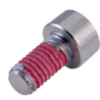
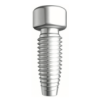
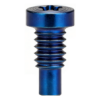
Material joining is a core procedure throughout production in the fastener and equipment manufacturing industries. Seemingly simple operations such as bolt fastening, weld fusion and adhesive bonding require precise matching between process selection and product requirements. Industry statistics show that around 30% of product failures stem from improper joining processes, while optimized joining solutions can cut overall product costs by 15% to 20%. This article elaborates on three mainstream processes — adhesive bonding, mechanical fastening (including riveting and threaded fastening) and welding — with in-depth analysis based on fastener application scenarios, to help practitioners select processes accurately.
As a damage-free joining technology, adhesive bonding stands out in lightweight applications. It firmly bonds components of different materials via chemical adhesion and physical adsorption of adhesives. Compared with conventional joining methods, it features superior compatibility for joining dissimilar materials like metal, plastic and ceramics. No thermal deformation or stress concentration occurs during bonding, fully preserving the intrinsic properties of materials. In supporting fastener applications, adhesive bonding is often combined with mechanical fastening. For instance, in automotive interior assembly, structural adhesives pre-fix plastic parts before reinforcement with micro self-tapping screws. This enhances joining stability and prevents plastic cracking caused by over-tightening.
Nevertheless, adhesive bonding has evident limitations. It delivers poor heat resistance: ordinary epoxy adhesives cannot withstand long-term service above 120 °C, making them unfit for high-temperature working conditions. Bonding strength is highly susceptible to glue layer thickness and curing conditions, so process parameters must be strictly controlled in mass production. Adhesives also suffer from aging, and weather-resistant types are mandatory for outdoor use. In the fastener industry, this process is mainly applied to decorative parts, lightweight components and non-load-bearing joints, such as fixing appliance panels and brackets, and auxiliary positioning of micro fasteners in electronic devices. With technological advances, high-temperature resistant and high-strength structural adhesives have been developed, gradually expanding its application to load-bearing parts.
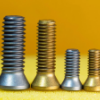
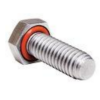
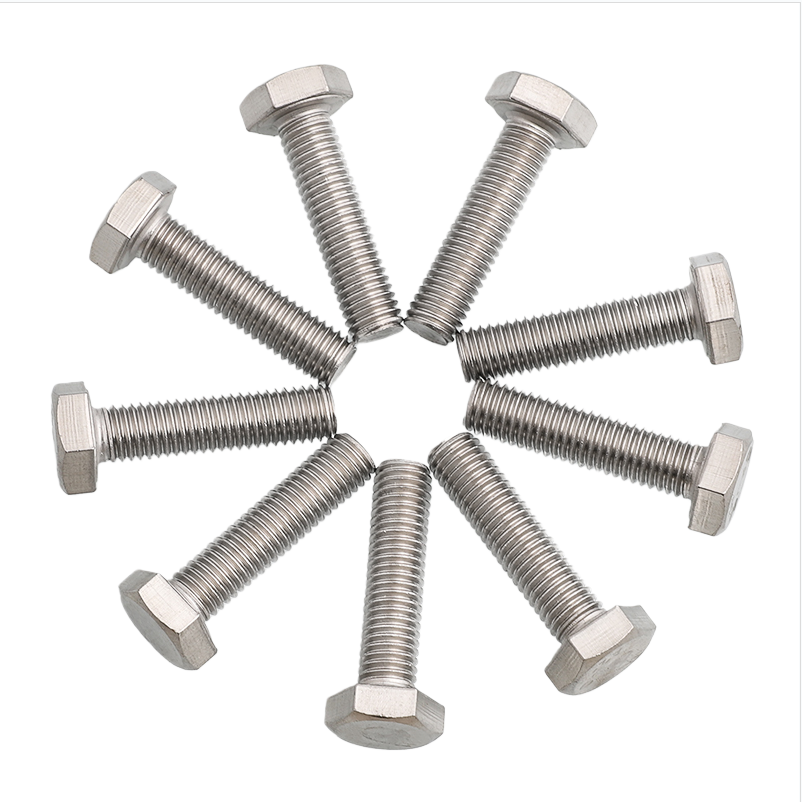
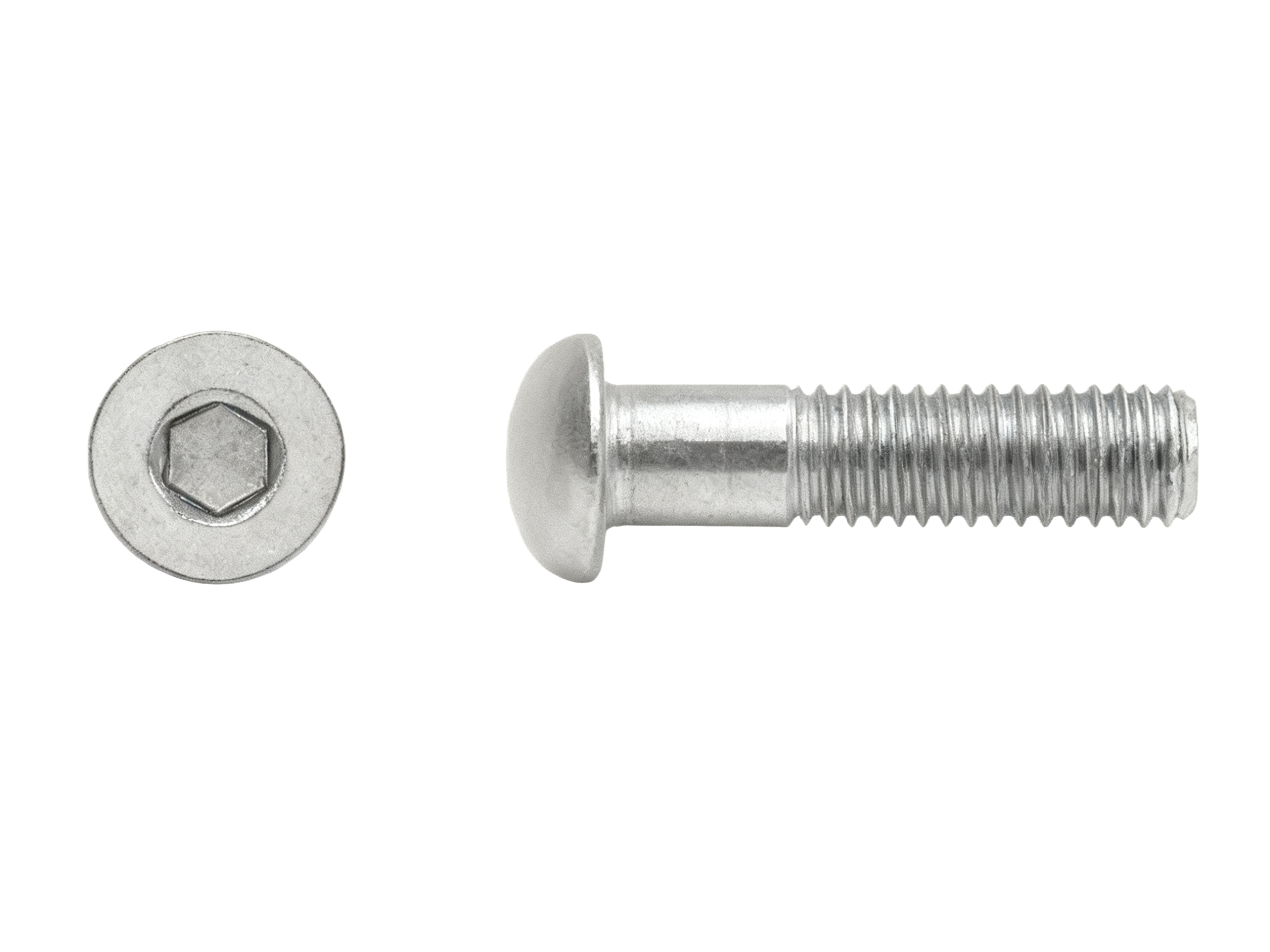
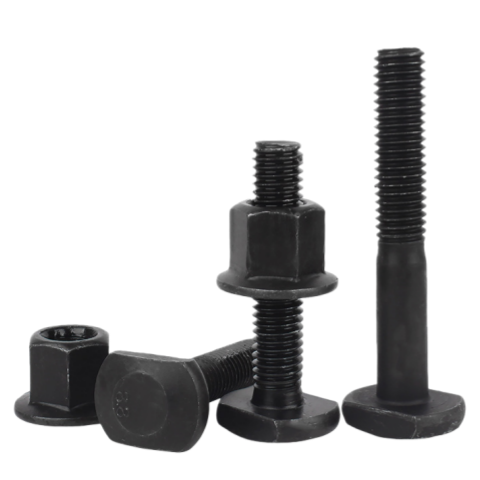
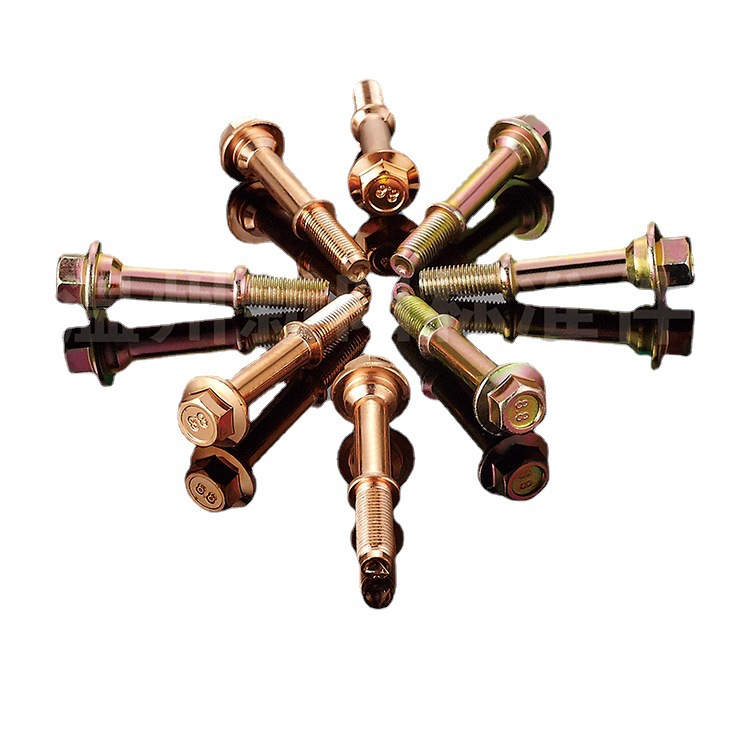
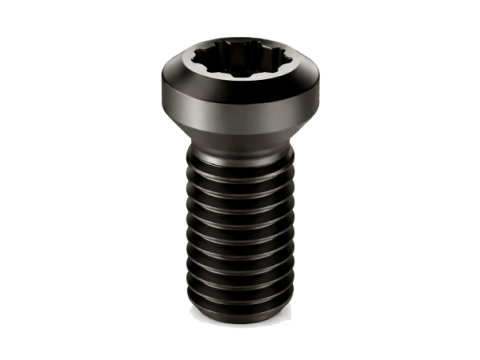
Featured by detachability and high strength, mechanical fastening is the most widely adopted joining method in the fastener sector, covering riveting, threaded fastening, snap fitting and other categories. Threaded fastening takes the lead for easy installation and flexible adjustment, with options ranging from M1 micro screws to M100 heavy-duty bolts selected according to load demands. Grade 10.9 high-strength bolts, for example, create rigid connections for steel structures through thread preload, and are indispensable for heavy-load facilities including bridges and wind power equipment. Proper matching is critical for threaded fastening: bolts shall be made of materials compatible with joined components. Stainless steel fasteners are used for stainless steel workpieces to avoid galvanic corrosion, and hot-dip galvanized bolts are preferred in humid environments.
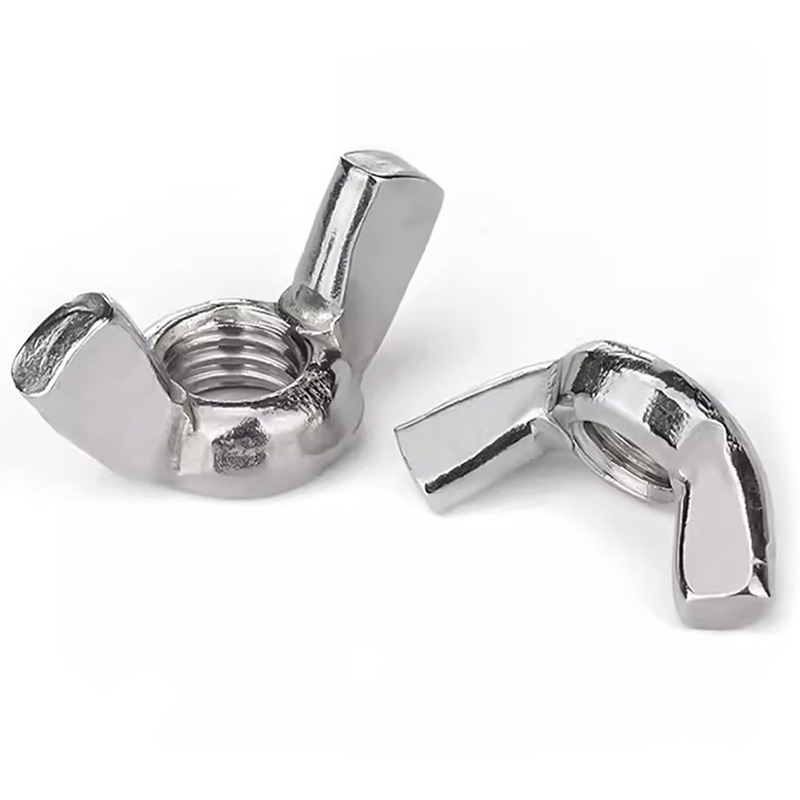
Riveting excels in vibration resistance and anti-loosening performance. It locks components by plastic deformation of rivets, ideal for equipment exposed to frequent vibration such as automotive chassis and rail transit facilities. As a permanent joining method, riveting eliminates loosening risks of threads yet brings difficulty in disassembly and higher maintenance costs. In practical use, combined mechanical fastening solutions are common. For aerospace components, the triple protection of bolt fastening, auxiliary riveting and lock nuts ensures detachability for maintenance as well as reliable joining in extreme environments. Standardization is the core advantage of mechanical fastening. Thanks to serialized fastener production, it can be quickly adapted to diverse scenarios.
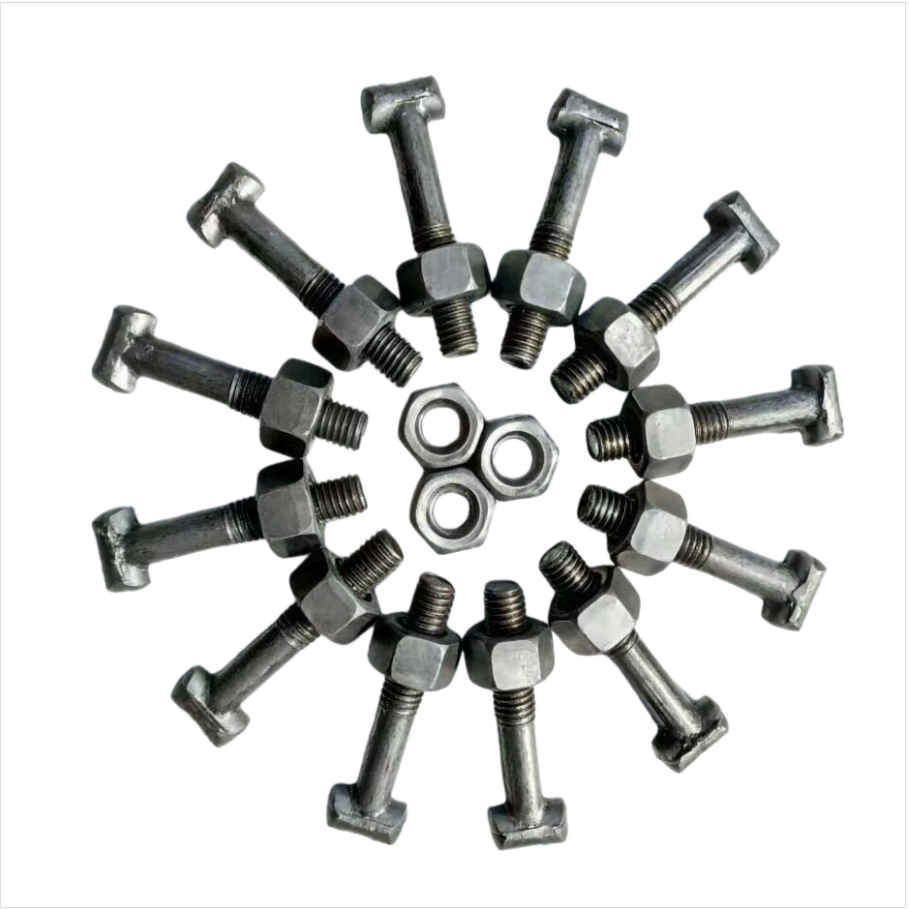
Welding delivers high joint strength and excellent sealing performance. It integrates components into a whole via high-temperature fusion, suitable for parts with complex loads and strict sealing requirements. In fastener manufacturing, welding is commonly used for custom parts, such as welding bolts onto flanges to form flange bolts and fabricating weld nuts. Welded joints have no obvious weak points, with strength comparable to base materials, and enable seamless connection, which is irreplaceable for pressure vessels and pipeline projects demanding tight sealing.
Welding imposes high requirements on operational skills, as weld quality directly depends on welder proficiency, and defects like pores and cracks may easily occur. Thermal deformation during welding compromises component precision, so post-weld heat treatment is needed to relieve residual stress. Besides, it is mostly applicable to similar or akin materials; welding dissimilar materials tends to generate brittle compounds. In fastener supporting applications, welding is primarily used for permanent load-bearing joints, such as welding embedded bolts to steel beams in steel workshops and fixing heavy nuts onto substrates in construction machinery. The popularization of automated welding technologies including robotic welding and laser welding greatly stabilizes weld quality and broadens its application scope.
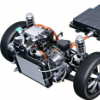
In actual production, process selection shall follow the principles of working condition adaptation and cost optimization. For heavy-load and high-vibration scenarios, mechanical fastening (threads plus anti-loosening fasteners) or welding is prioritized. A combination of adhesive bonding and threaded fastening is recommended for lightweight joints of dissimilar materials. For high-temperature and high-pressure environments, welding paired with high-strength fasteners provides dual protection. Taking new energy vehicle battery packs as an example, the combined solution of structural adhesive bonding and bolt fastening achieves waterproof sealing via glue layers, meets load requirements with bolts and facilitates later maintenance, striking an optimal balance between performance and cost.
As the manufacturing industry shifts toward high-end development and lightweight design, material joining technologies keep innovating. Combined solutions of adhesive bonding & mechanical fastening, as well as welding & threaded fastening, have become mainstream trends. For fastener practitioners, mastering the core characteristics of various joining processes and making comprehensive selection based on material, load and service environment is the key to achieving reliable joining and cost control, and providing solid support for equipment manufacturing.



















 Login
Login








 Contact
 WeChat
 粤ICP备2025493240号-1