




















 Login
Login






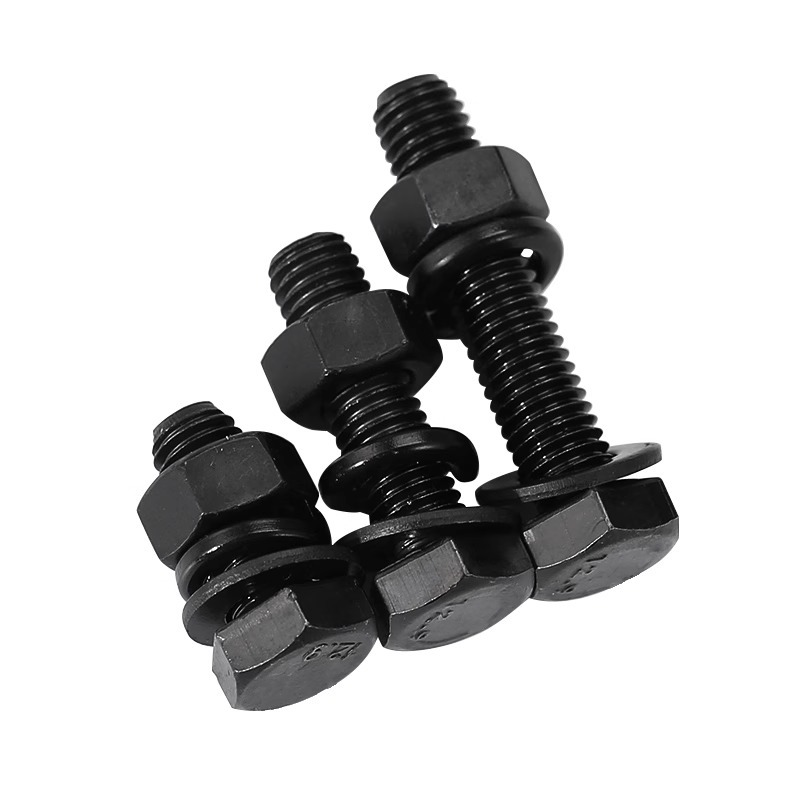
As the core basic component of industrial connections, the reliability of bolts directly determines the operational safety of equipment. From automotive engine cylinder heads to wind power flanges, from building steel structures to aerospace equipment, bolt connection failure can lead to equipment shutdown, structural collapse, or even safety accidents. Enhancing bolt connection design is not a one-dimensional optimization but a systematic design approach that integrates load requirements, operating environment, and assembly processes. This article explains key strategies for enhancing bolt connection reliability from core dimensions such as structural design, material selection, and connection pair matching, providing professional guidance for fastener design and application.
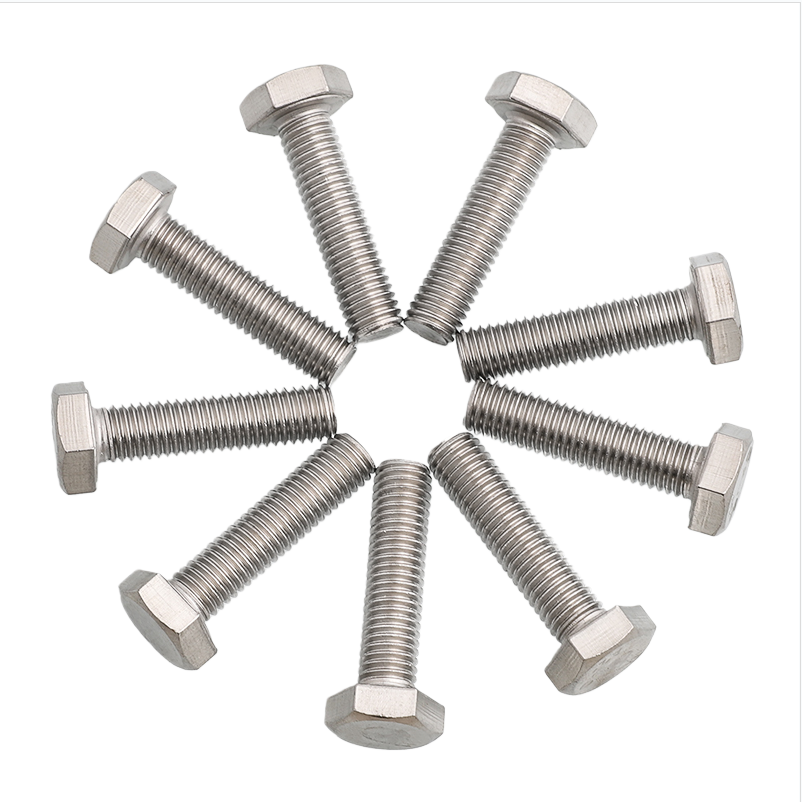
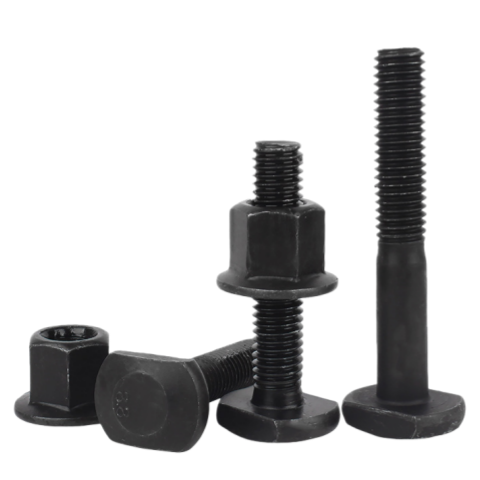
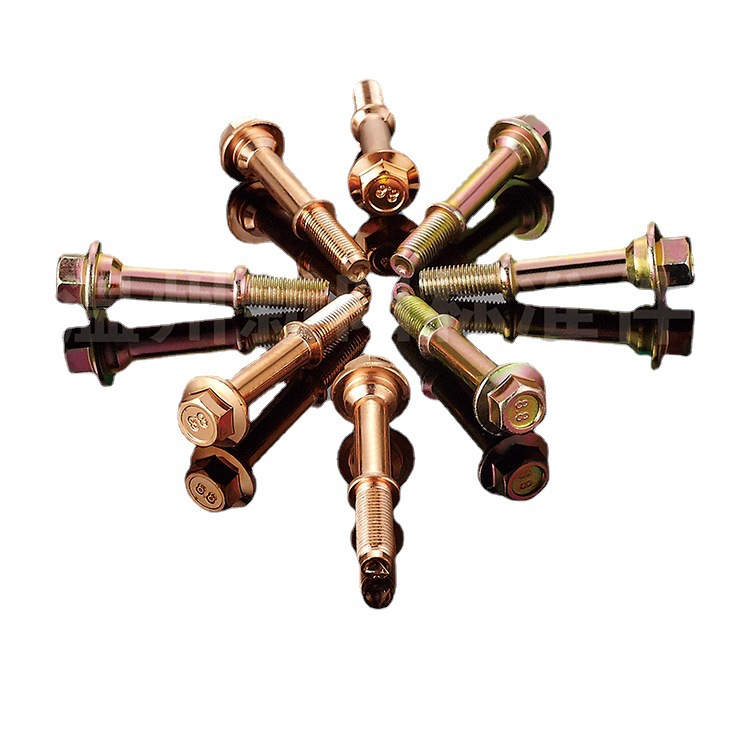
Structural design is the foundation of enhancing bolt connections, requiring optimization of key areas around the core principles of "load balancing and stress distribution." Head design directly affects force transmission efficiency and assembly stability. Ordinary hex head bolts are prone to wrench slipping under vibration conditions. Using a hex flange head design increases the load-bearing area through the flange surface, and the flange comes with anti-slip teeth, increasing anti-loosening torque by more than 30%, suitable for vibration scenarios such as construction machinery. Shank design must avoid stress concentration. Traditional constant-diameter shank bolts are prone to fracture at the transition between the head and shank due to stress concentration. Using a reduced-diameter shank design (shank diameter slightly smaller than the nominal thread diameter) makes the strength of each bolt section more balanced. After application in wind power flange bolts, the probability of fracture failure decreased by 45%.
Thread structure is the core load-bearing area of bolt connections. Optimization design must consider both engagement efficiency and anti-loosening performance. Thread profile selection must match the load type. Coarse triangular threads (e.g., M16×2) have a large engagement area, suitable for static heavy-load scenarios. Fine threads (e.g., M16×1.5) have a smaller pitch and more engaged threads, providing 50% better anti-loosening performance under vibration conditions, making them more suitable for high-frequency vibration areas such as automotive transmissions. Thread accuracy control is also critical. Replacing ordinary 8g grade threads with 6g grade threads reduces engagement clearance, resulting in more uniform load distribution. Combined with thread surface rolling treatment, this significantly improves thread fatigue strength. Additionally, designing a chamfer at the thread end avoids thread damage during assembly, ensuring engagement accuracy.
Material selection and heat treatment determine the core load-bearing capacity of bolts, requiring precise matching of "material, working condition, and performance." For static light-load scenarios (such as furniture assembly), Q235 carbon steel bolts are sufficient. For heavy-load conditions such as engine cylinder heads, 42CrMo alloy steel is required. After quenching and high-temperature tempering, the tensile strength can reach over 1200 MPa, making it a grade 12.9 high-strength bolt. For special working conditions, material selection must go beyond conventional choices. In high-temperature environments (such as boiler equipment), GH4169 superalloy bolts maintain stable strength above 600°C. In corrosive environments (such as offshore platforms), 316L stainless steel bolts with passivation treatment provide salt spray corrosion resistance exceeding 1000 hours.
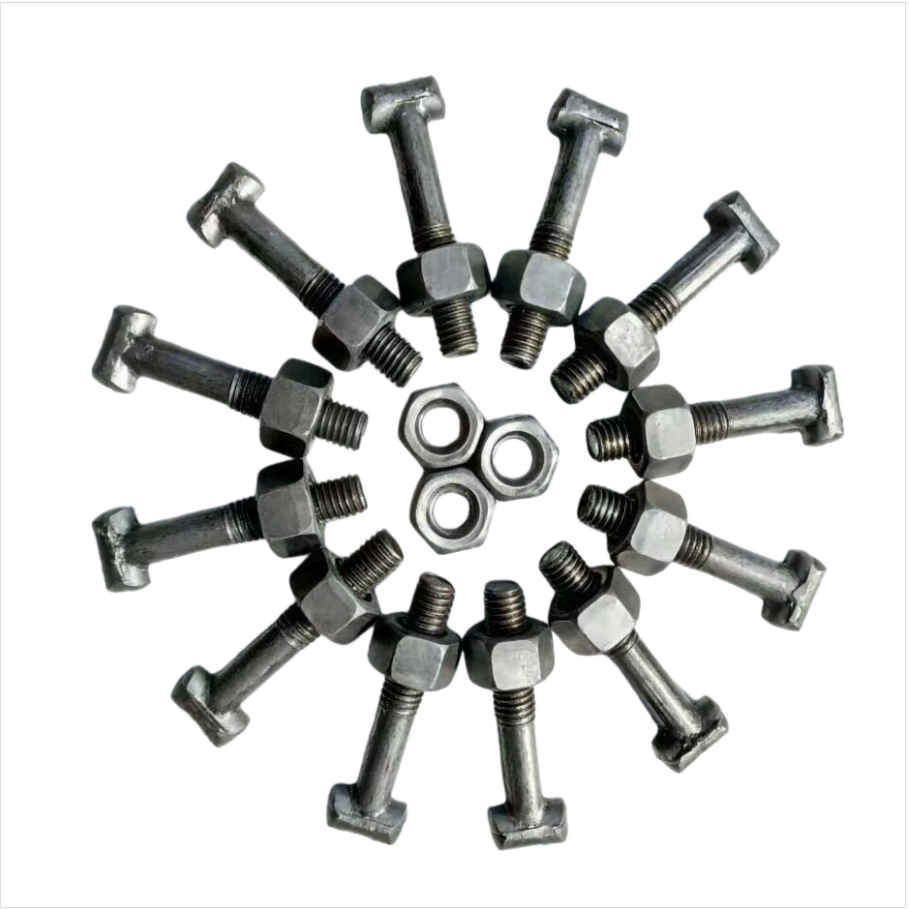
The coordinated design of connection pairs is often overlooked but is key to enhancing overall connection reliability. The matching of bolts and nuts must follow the "hardness difference principle." Nut hardness should be 20-30 HB lower than bolt hardness to avoid thread damage during engagement. For example, a grade 12.9 bolt requires a matching grade 8 nut. Proper selection of washers further optimizes connection performance. Spring washers maintain preload through elastic deformation, suitable for light-load vibration scenarios. Flat washers increase the load-bearing area to prevent crushing of the workpiece surface, especially suitable for soft materials such as aluminum alloys. Lock washers (such as wedge-locking washers) achieve mechanical anti-loosening through tooth surface engagement, highly effective in extreme vibration scenarios such as wind power and rail transit.
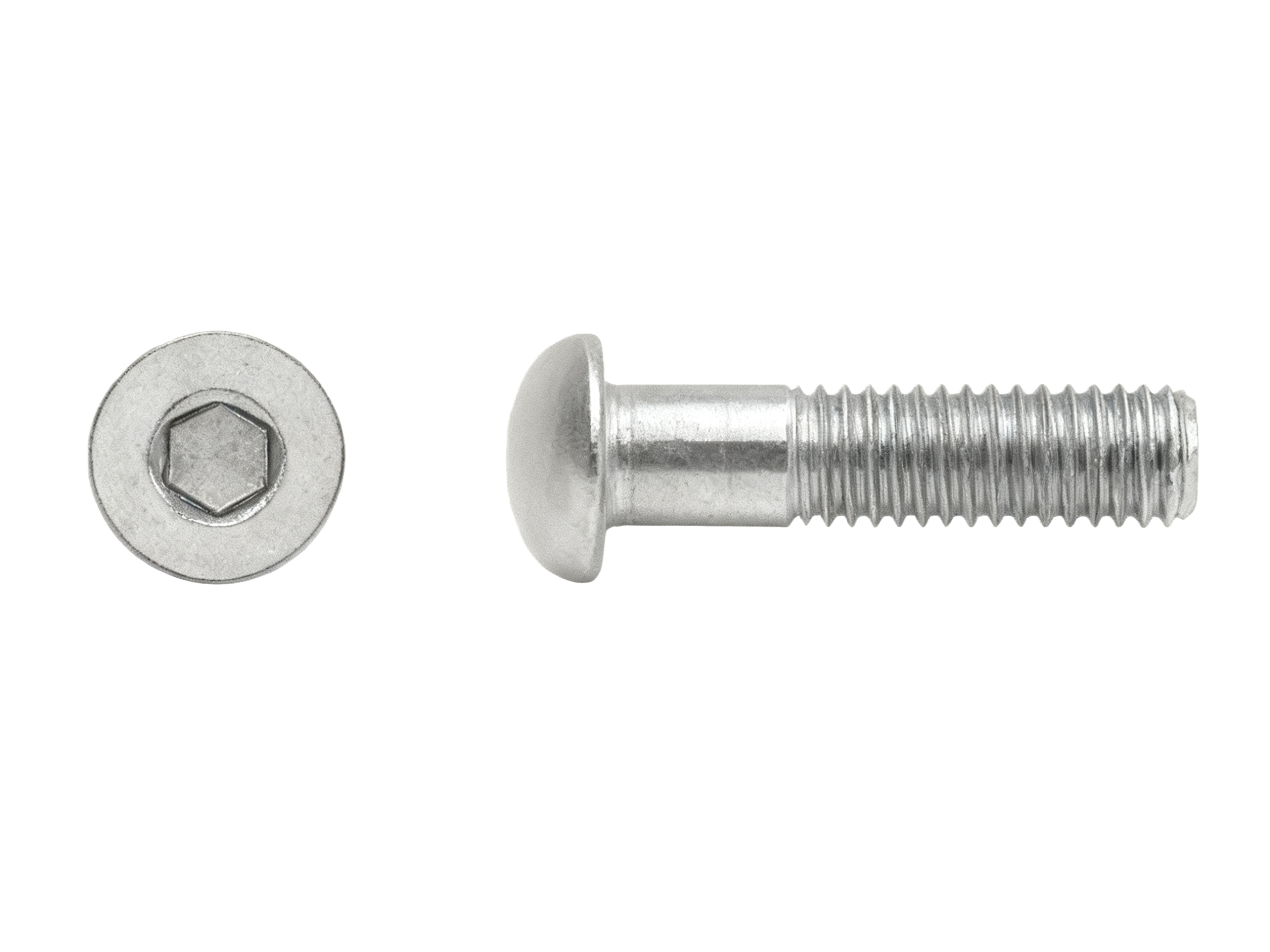
Customized design for complex working conditions is an advanced strategy for improving connection reliability. For impact load scenarios (such as construction machinery hydraulic systems), an elastic section can be designed in the bolt shank to absorb impact energy through elastic deformation, reducing the impact of loads on the connection area. For space-constrained scenarios, countersunk bolts with countersink hole design achieve flush connections while increasing load-bearing capacity by increasing the countersink angle. For multi-bolt connection structures, preload distribution design is required. By adjusting bolt specifications and arrangement positions, the forces on each bolt are balanced. For example, cylinder head bolts use an arrangement of "denser in the middle, sparser at the sides," combined with a stepwise tightening process, to avoid sealing failure caused by cylinder head deformation.
Simulation and experimental verification are important supports for design optimization. Using finite element analysis software (such as ANSYS), the stress distribution of bolts under preload and working loads can be simulated to identify and optimize stress concentration areas. For example, through simulation, a wind power flange bolt reduced the stress concentration factor at the thread root from 1.8 to 1.2, increasing fatigue life by three times. Experimental verification must cover static and dynamic performance. Static testing includes tensile strength and preload retention testing. Dynamic testing uses vibration fatigue test benches to simulate actual working conditions, testing the anti-loosening performance and fatigue life of bolts to ensure that the design solution is reliable and effective in practical applications.
As industrial equipment moves toward higher-end and larger-scale applications, bolt connection design faces higher requirements. Enhancing bolt connection reliability requires abandoning the traditional mindset of "emphasizing specifications over design" and adopting systematic optimization from multiple dimensions such as structure, material, connection pair, and working condition adaptation, while using simulation and testing to verify design effectiveness. For fastener industry practitioners, mastering these core design strategies not only enhances product competitiveness but also provides safer and more durable connection solutions for downstream equipment manufacturing, promoting high-quality development of the entire industrial chain.



 粤ICP备2025493240号-1