
























 Login
Login






In the wave of the automotive industry's transition toward low fuel consumption, lightweighting, and personalization, engineering plastics, with advantages such as low density, good formability, and strong corrosion resistance, are gradually replacing traditional metal materials as the core choice for component manufacturing. Particularly for hybrid and electric vehicles, to reduce vehicle weight and increase driving range, the proportion of plastic components in critical areas such as instrument panel frames, battery housings, and door panel modules has exceeded 40%. However, the characteristics of plastic parts — low elastic modulus, limited thermal deformation temperature, and susceptibility to creep — impose far more stringent requirements on fasteners than metal parts. Deeply understanding the characteristics of commonly used fasteners and the logic of their adaptation is a core prerequisite for ensuring the reliability of plastic part connections.
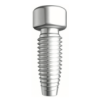
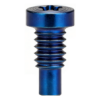
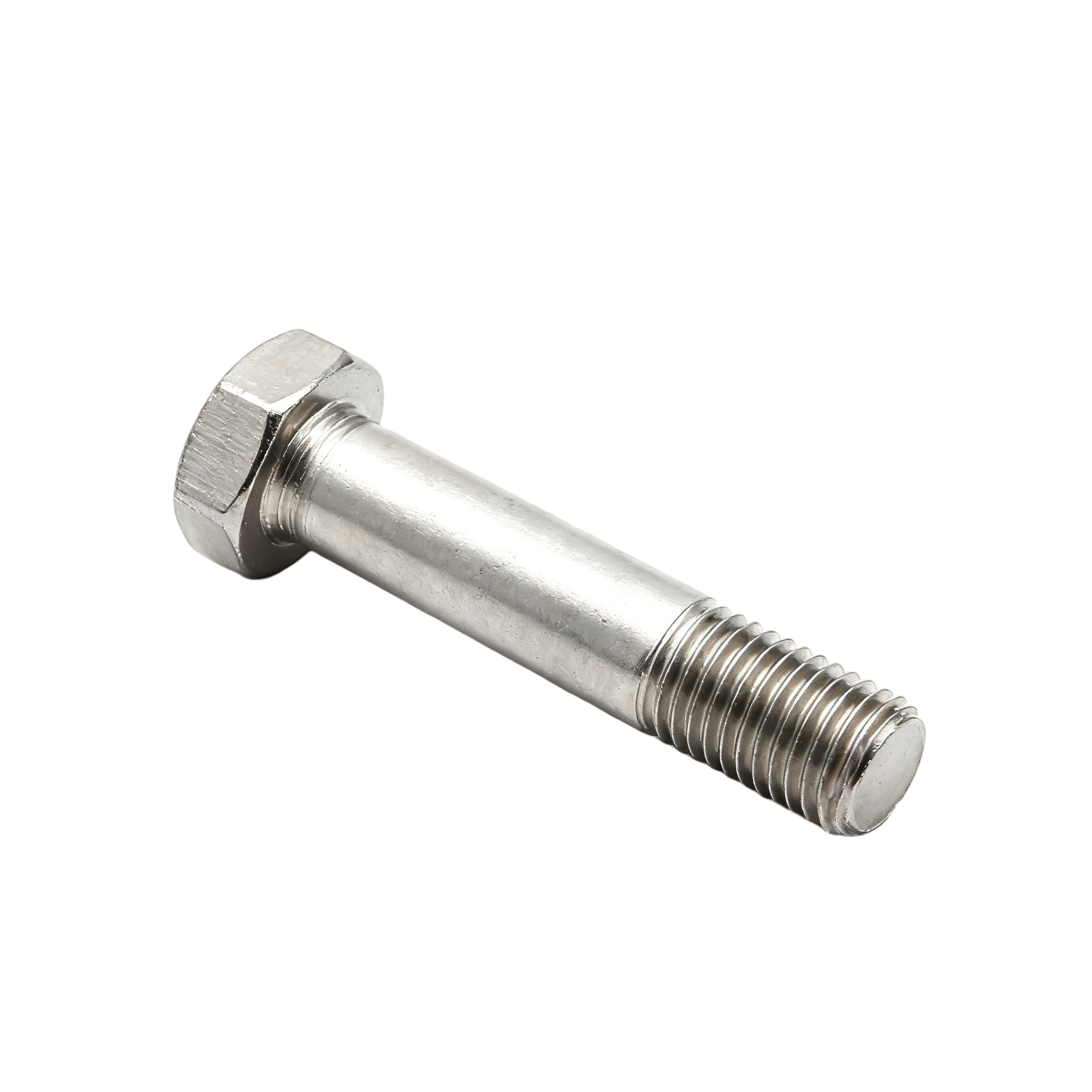
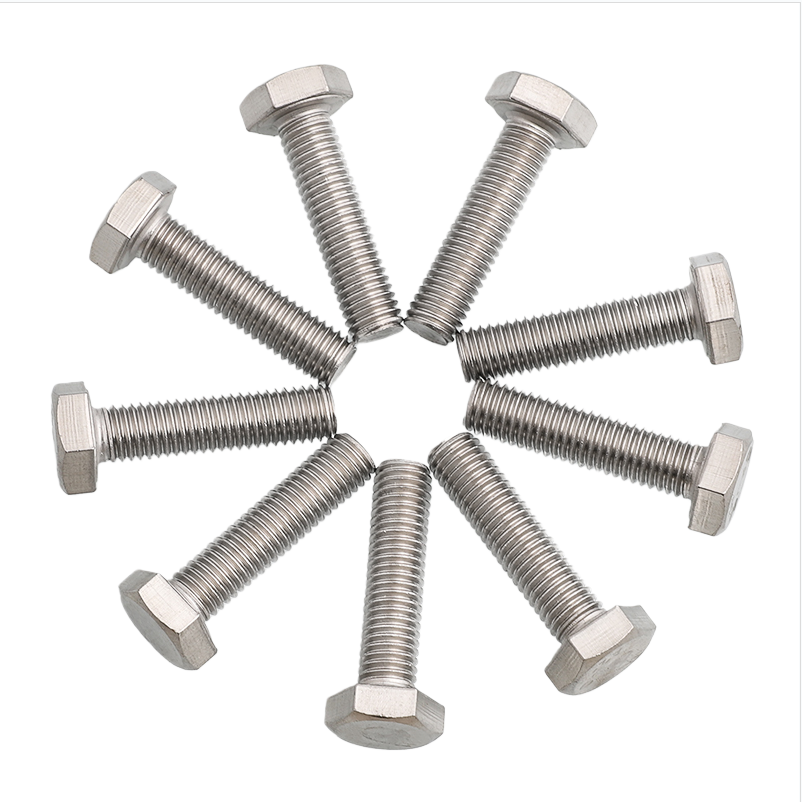
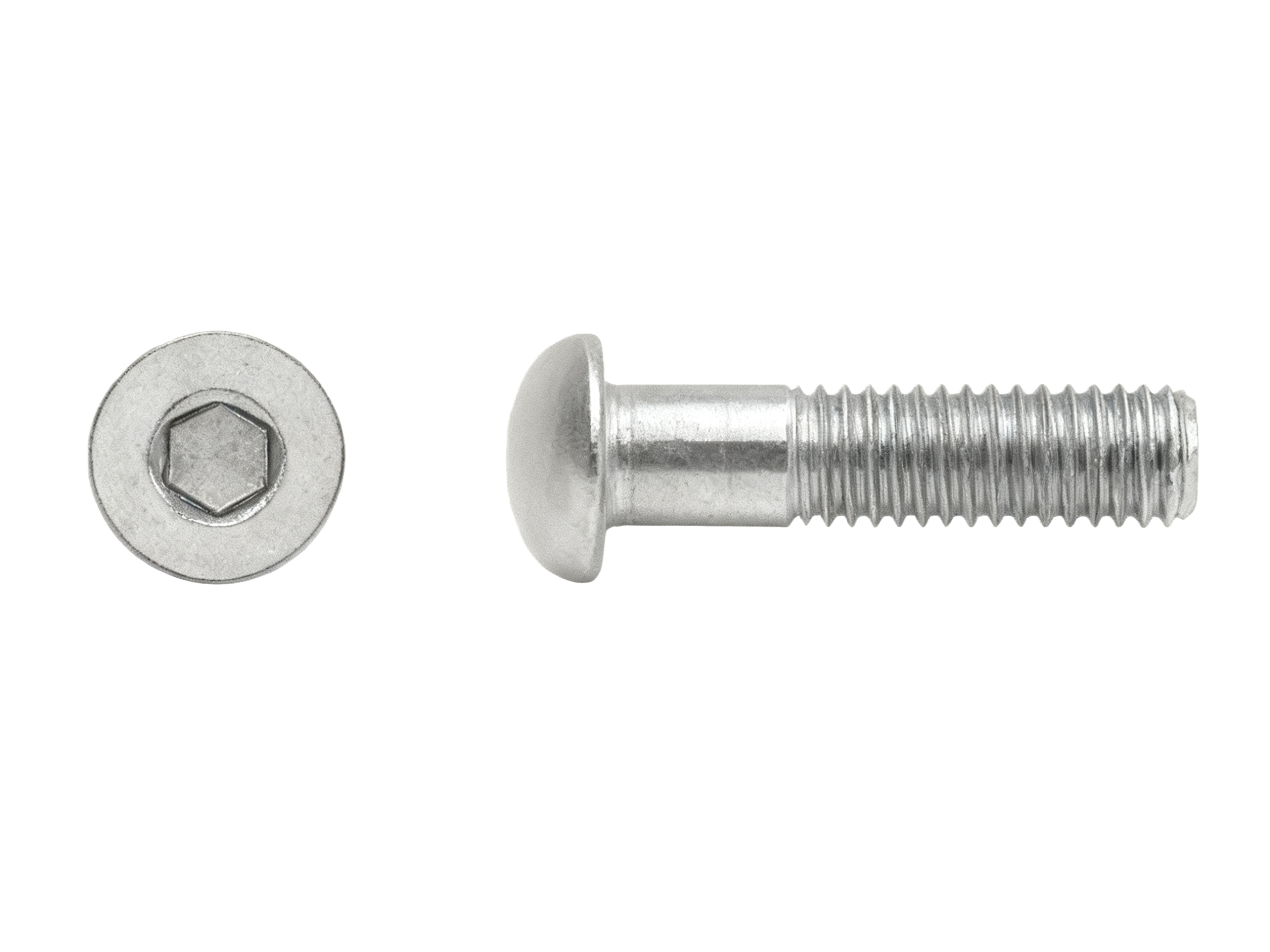
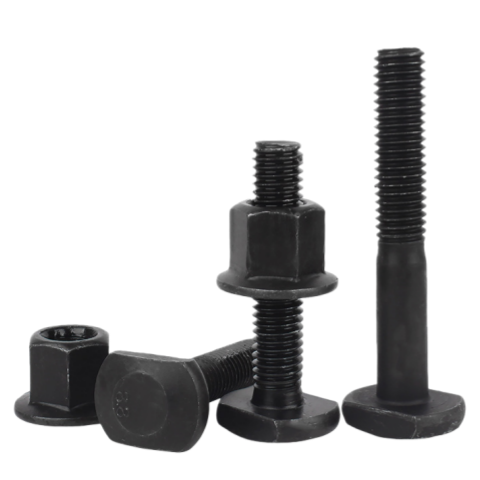
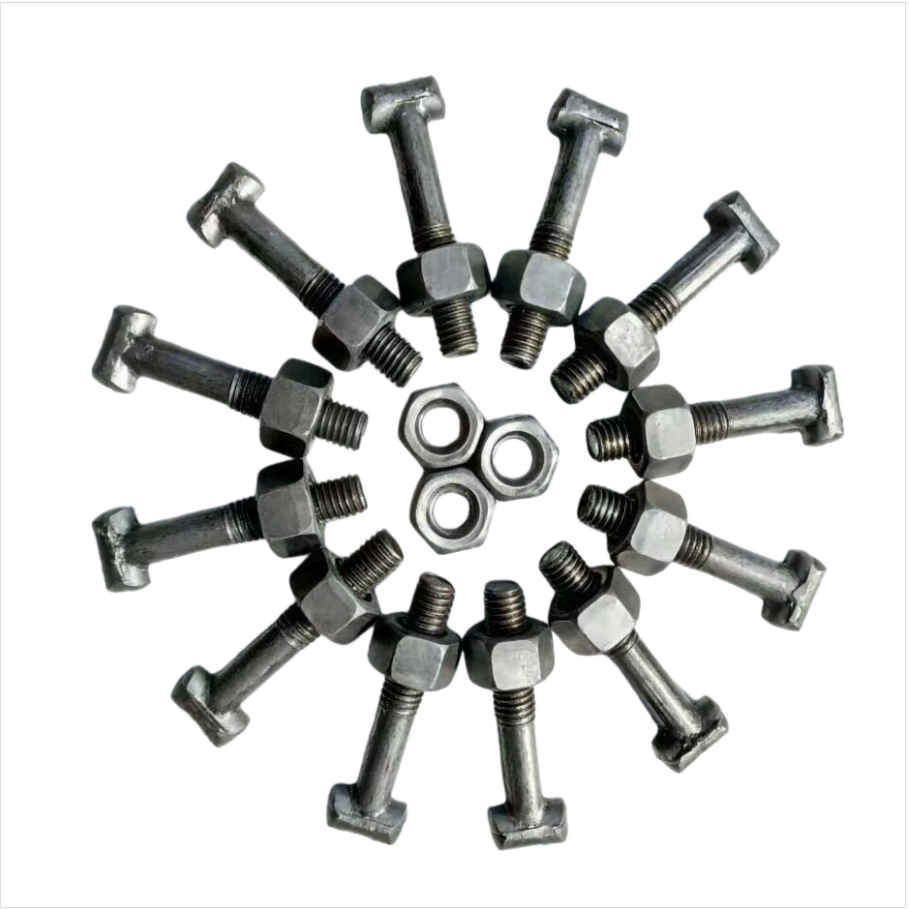
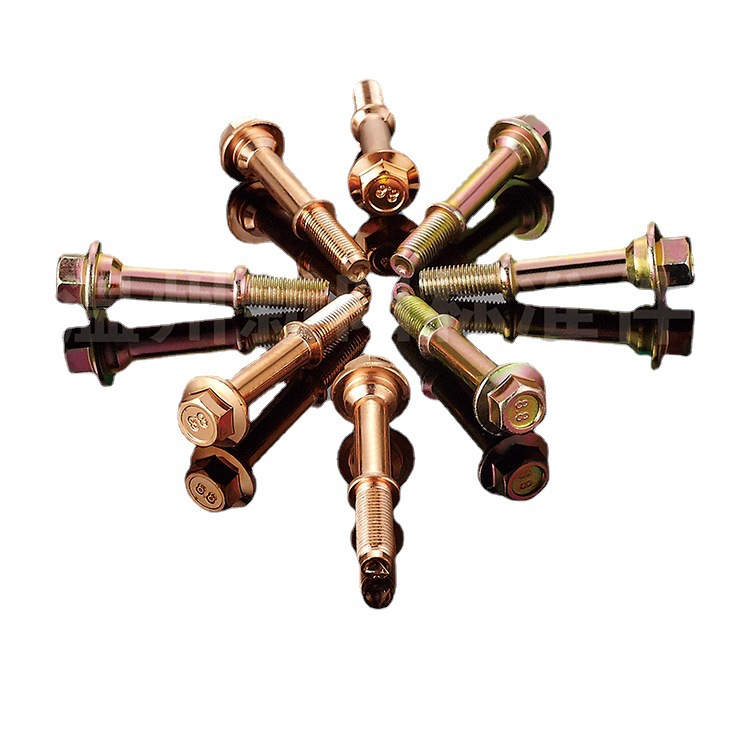
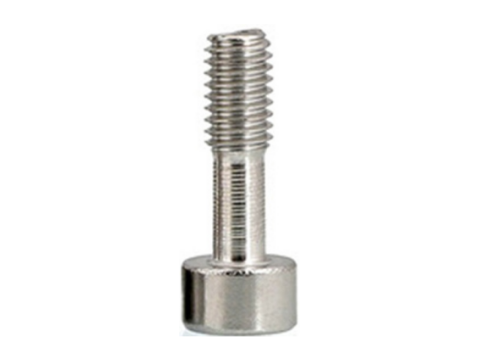
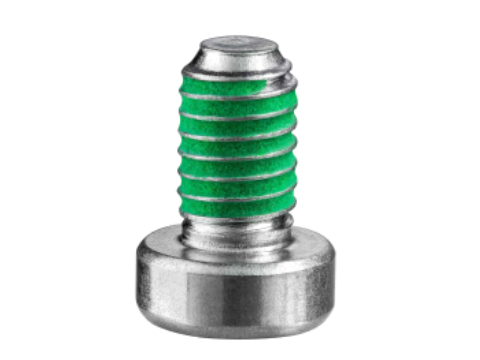
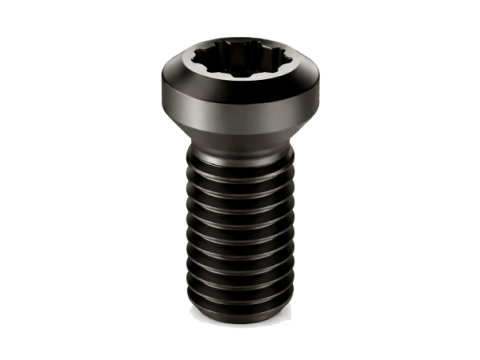
Bolts and nuts, as a classic combination for mechanical connections, still play an important role in plastic part connections, but require special design adaptations for plastic characteristics. When traditional metal bolts are used directly on plastic parts, improper preload control can easily cause cracking or creep relaxation of the plastic substrate. For this reason, bolts designed specifically for plastic parts typically use fine thread designs. Fine threads have a smaller pitch, resulting in more thread contacts with the plastic, which evenly distributes preload over a larger contact area, effectively reducing unit area pressure. In terms of material, 304 stainless steel bolts, with their corrosion resistance and moderate strength, are suitable for most non-load-bearing plastic structures. For load-bearing areas such as battery housings, titanium alloy bolts are often chosen. Their strength is comparable to high-strength steel, while their density is only 60% that of steel, further contributing to lightweighting.
The matching of nuts and bolts must follow the principle of "material compatibility." Plastic insert nuts are the mainstream solution, available in three types: hot-press insert, ultrasonic insert, and injection-molded pre-installed. Hot-press insert nuts are heated and pressed into the plastic substrate, forming a mechanical interlock upon cooling, suitable for crystalline plastics such as PA66. Ultrasonic insert nuts use ultrasonic vibration to locally melt the plastic, allowing the nut to be inserted with higher forming efficiency, suitable for amorphous plastics such as ABS. Injection-molded pre-installed nuts are placed during the injection molding stage, offering the highest bonding strength but requiring strict mold precision. It is worth noting that the preload torque for bolts and nuts must be precisely calibrated through testing, typically reduced by 30%-50% compared to metal part connections, and anti-loosening washers should be used to assist fixation, preventing loosening caused by plastic creep over long-term use.
Self-tapping screws, due to their advantages of requiring no pre-formed internal threads and high assembly efficiency, are the most widely used type of fastener for plastic part connections. Their core characteristics focus on thread structure and material selection. Self-tapping screws designed for plastic parts typically use triangular threads or double-lead threads. Triangular threads have a rounded crest, which compresses and forms the plastic during driving, reducing cutting and lowering the risk of cracking. Double-lead threads, through a combination of fast and slow leads, achieve a balance between rapid driving and reliable fastening. Based on the hardness of the plastic, screw material selection is clearly differentiated. For soft plastics such as PP and PE, low-carbon steel self-tapping screws with zinc diffusion coating suffice, offering low cost. For hard plastics such as glass fiber-reinforced PA, high-strength case-hardened steel self-tapping screws are required, with a phosphating coating to improve wear resistance and avoid thread wear during driving.
The assembly process of self-tapping screws significantly affects connection reliability. Pre-formed pilot holes are required before assembly, with hole diameter strictly controlled — typically 60%-70% of the screw's nominal diameter. Excessively large holes lead to insufficient fastening force, while excessively small holes cause plastic cracking. Rotational speed control during assembly is also critical. For soft plastics, a speed of 500-800 r/min is recommended; for hard plastics, 800-1200 r/min. Excessive speed causes local melting of the plastic due to frictional heating, damaging the thread structure. Additionally, the insertion depth of self-tapping screws should leave a gap of 0.5-1 mm to provide compensation space for plastic creep, extending connection life.
Blind rivets, with their advantage of single-sided assembly, are indispensable for connecting closed structures of plastic parts. Their characteristics are mainly reflected in the adaptability of rivet body material and structural design. Common blind rivets for plastic part connections include three types: aluminum blind rivets, stainless steel blind rivets, and plastic blind rivets. Aluminum blind rivets are lightweight and low-cost, suitable for non-load-bearing connections such as door panel interiors, but have poor corrosion resistance and are not suitable for humid environments such as engine compartments. Stainless steel blind rivets offer high strength and strong corrosion resistance, suitable for connections in load-bearing and harsh environments such as underbody plastic shields, but their greater weight partially offsets lightweighting advantages. Plastic blind rivets are made from engineering plastics such as PA66, offering good compatibility with plastic substrates and avoiding galvanic corrosion, suitable for visible part connections, but have low strength and can only be used for low-load scenarios.
The assembly of blind rivets must match the thickness of the plastic part. The rivet body length should be 1.5-2 mm greater than the total thickness of the parts being joined to ensure a complete rivet head structure after setting. For plastic parts with uneven thickness, countersunk blind rivets are recommended, as their heads can fully embed into the plastic surface, avoiding protrusions that could affect assembly or appearance. It is important to note that blind rivets are one-time fasteners and require destroying the rivet body for removal, so they are not suitable for plastic part connections requiring frequent maintenance or disassembly.
Plastic fasteners, as an emerging connection solution, have natural compatibility with plastic substrates, with characteristics centered on lightweighting and environmental adaptability. Common plastic fasteners include plastic bolts, plastic clips, and plastic expansion pins, all made from high-strength engineering plastics such as nylon 66 and PPS, with densities only 1/4 to 1/3 that of metal fasteners, significantly reducing the weight of connection areas. Plastic clips, with their "tool-free assembly" advantage, are widely used in connections such as automotive interior panels and trim parts. Their structural design incorporates elastic claws that snap into slots through elastic deformation during assembly, and require special tools for disassembly to avoid damaging the plastic substrate.
The limitations of plastic fasteners are also apparent. Their heat resistance and strength are lower than metal fasteners, with long-term service temperatures typically not exceeding 120°C, so they are not suitable for high-temperature environments such as engine compartments. To improve performance, some high-end plastic fasteners use glass fiber reinforcement, increasing strength by more than 50%, suitable for moderate-load applications such as inside battery packs. Additionally, plastic fasteners have weak UV resistance. When used outdoors, anti-aging agents must be added to avoid embrittlement and fracture due to prolonged sun exposure.
In the selection process of fasteners for plastic parts, a three-dimensional evaluation system of "load-environment-process" should be established. First, determine the strength grade of the fastener based on the load type at the connection point (static load, dynamic load). For dynamic load areas, prioritize metal bolts or high-strength self-tapping screws. Second, select material based on the service environment (temperature, humidity, corrosiveness). For humid environments, prioritize stainless steel or plastic fasteners. Finally, select the type based on the assembly process (automated assembly, manual assembly). Automated production lines are more suitable for self-tapping screws, while manual repair scenarios can use bolt-nut combinations. At the same time, connection reliability must be verified through simulation tests, focusing on fastening force retention under high-low temperature cycling, vibration fatigue, and other conditions, to avoid connection failure due to plastic creep.
As the degree of plastic use in automobiles continues to increase, the trend toward customized fasteners becomes more evident. In the future, fasteners that combine high strength, lightweighting, and intelligence will become R&D focuses. For example, smart bolts with integrated torque monitoring can provide real-time feedback on fastening status. Fasteners using new composite materials will further break through the bottlenecks of heat resistance and strength. For fastener industry practitioners, only by continuously deepening the matching logic between plastic part characteristics and fastener design can they seize market opportunities in the wave of automotive lightweighting and provide more reliable solutions for plastic part connections.



 粤ICP备2025493240号-1