
























 Login
Login






In the manufacturing production chain, material joining processes are the core link determining product structural stability, production efficiency, and overall cost. Industry statistics show that about 40% of product failures originate from improper selection of joining processes or construction defects. Achieving cost-effective assembly relies on two main approaches: first, integrating components through structural design to simplify assembly processes; second, precisely matching material characteristics with joining processes and optimizing joint geometry. This article focuses on the three most commonly used processes in manufacturing — riveting, welding, and threaded fastening — providing in-depth analysis from principles, characteristics, and application scenarios to help practitioners achieve the right process for the right job.
Welding, as a permanent joining process, dominates steel structures, automotive, and shipbuilding due to its high joint strength and good sealing. Its core principle is to locally melt or plasticize the materials to be joined through heating, pressure, or a combination of both, forming a metallurgical bond upon cooling. Depending on the energy source, welding can be divided into more than ten types, with arc welding, argon arc welding, and resistance welding being the most widely used. Arc welding is known for its low cost and high efficiency, generating high temperatures through an arc between an electrode and the workpiece to melt metal, suitable for common materials like carbon steel and low-alloy steel, and is the first choice for building steel structures and bridge engineering. Argon arc welding uses argon gas to protect the molten pool from oxidation, resulting in better weld quality, commonly used for applications with high corrosion resistance requirements such as stainless steel and aluminum alloy, for example in food machinery and aircraft components. Resistance welding uses resistive heat generated by electric current flowing through contact points to achieve welding without filler material, suitable for batch welding of thin sheets. Steel panel splicing in automotive bodies often uses this process, completing dozens of weld points per minute.
The advantages of welding are significant, but its limitations cannot be ignored. It has high requirements for material compatibility — dissimilar metals such as aluminum and steel easily form brittle compounds and require special auxiliary processes. The high temperatures generated during welding can cause workpiece deformation, requiring post-correction for large structural parts. Additionally, welded joints have residual stress, which can lead to cracking under low-temperature or vibration conditions. Therefore, welding is more suitable for permanent structures with high joint strength requirements, no need for frequent disassembly, and acceptable deformation, such as flange connections for wind turbine towers and shell splicing for pressure vessels.
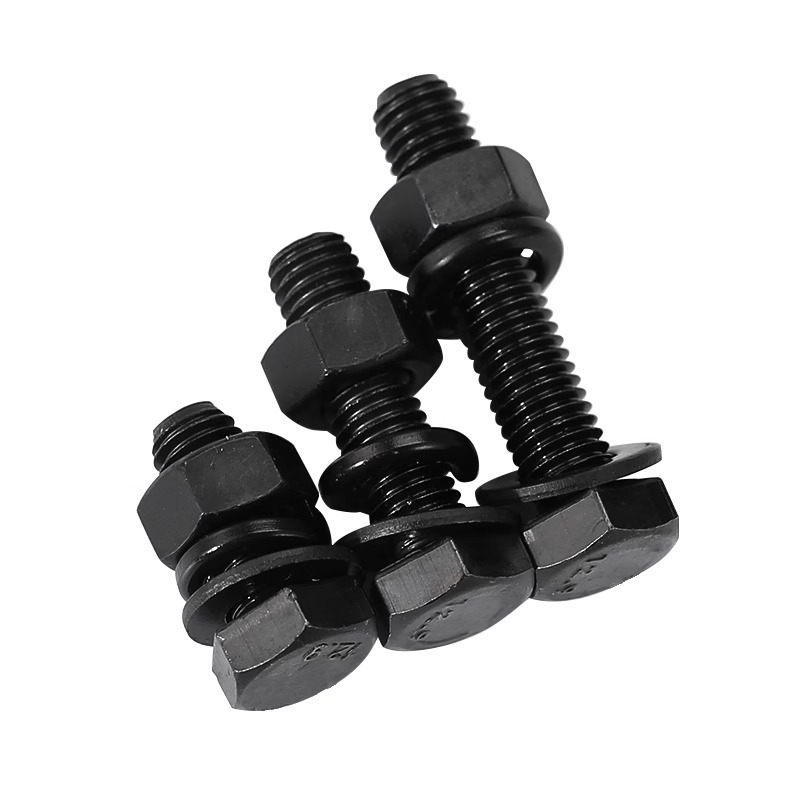
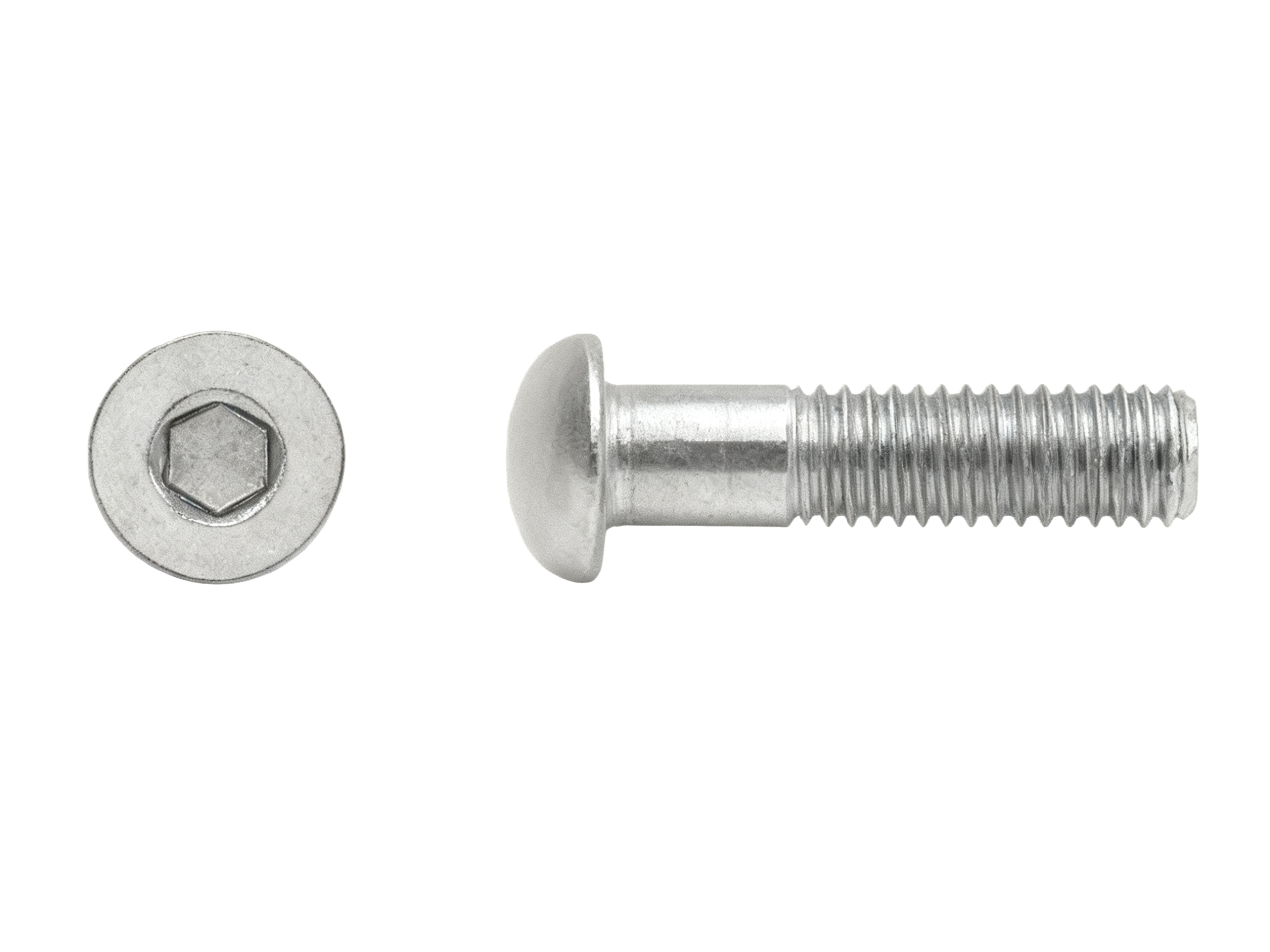
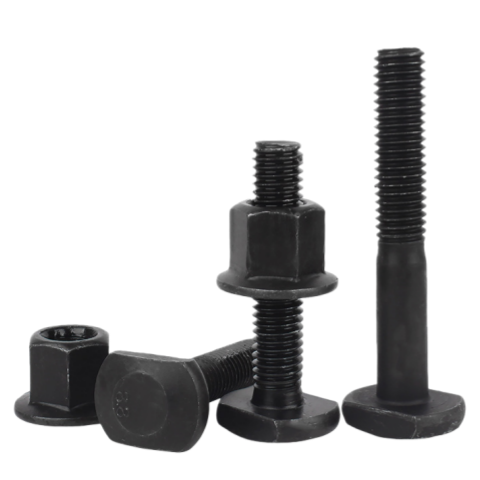
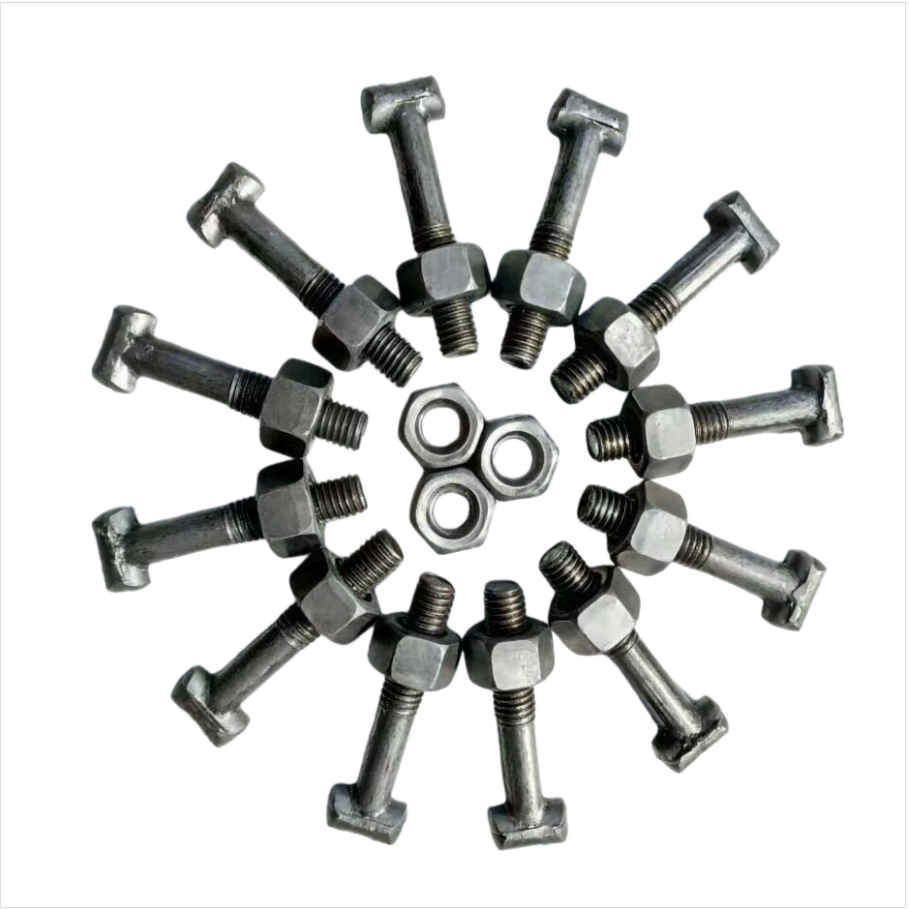
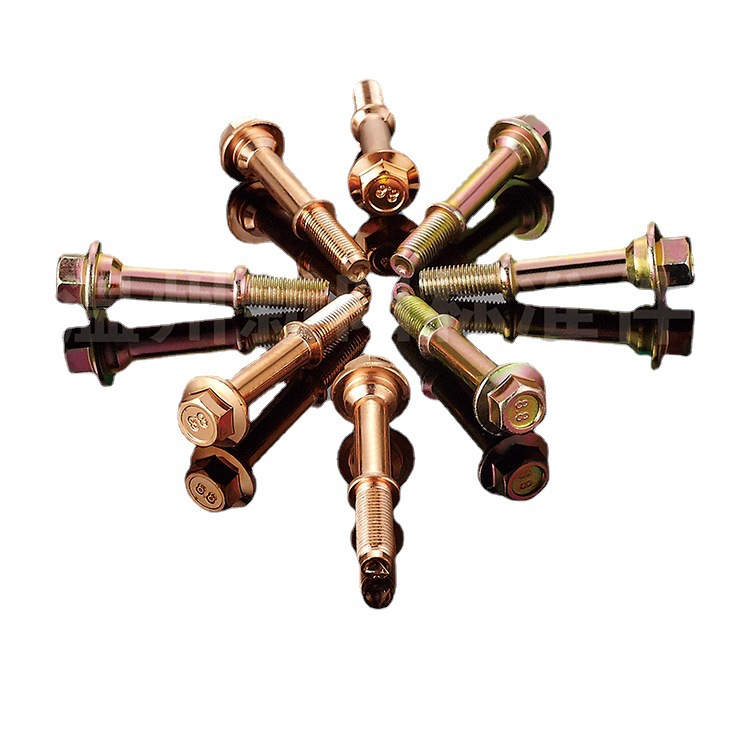
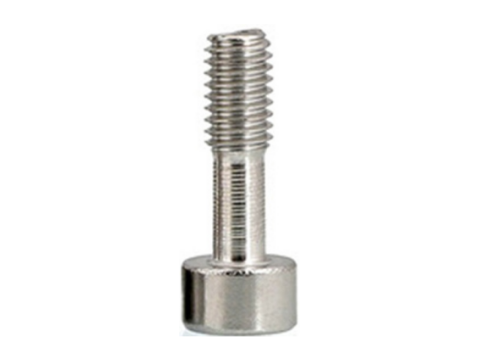
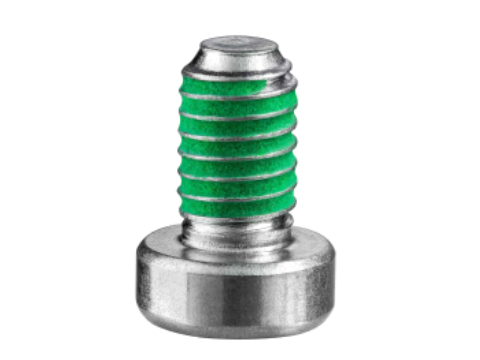
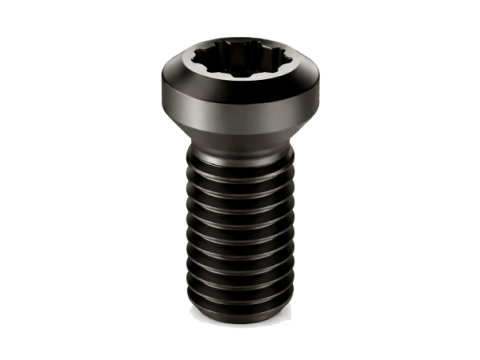
Threaded fastening, as a representative of detachable connections, is the most widely used connection method in mechanical equipment due to its structural flexibility and convenient assembly and disassembly. Its principle is to convert preload into clamping force between workpieces through the thread engagement of fasteners such as bolts and nuts, relying on thread self-locking and friction to achieve fixation. The core advantage of threaded fastening is its strong compatibility, suitable for almost all common materials including metal, plastic, and wood, with connection strength precisely controllable through fastener specifications and tightening torque. Depending on application scenarios, threaded fastening can be divided into ordinary thread connections and precision thread connections. Ordinary thread connections use standardized bolts and nuts, such as for fixing components in automotive chassis, offering low cost and convenient maintenance. Precision thread connections have strict requirements for thread accuracy and surface treatment, such as for fixing blades in aircraft engines, requiring high-strength titanium alloy bolts with anti-loosening washers to ensure reliability.
The limitations of threaded fastening mainly lie in the requirements for the workpieces: threaded or clearance holes must be pre-drilled, which can cause stress concentration in thin-walled parts. Under high-frequency vibration conditions, thread engagement is prone to loosening, requiring anti-loosening measures such as spring washers, lock nuts, or thread-locking compounds. However, its detachable nature makes it the first choice for scenarios requiring frequent maintenance or later modification, such as motor fixation in mechanical equipment and housing assembly in home appliances. It is worth noting that the reliability of threaded fastening is closely related to preload torque: excessive torque can cause workpiece deformation or bolt fracture, while insufficient torque leads to loosening, requiring precise control with a torque wrench.
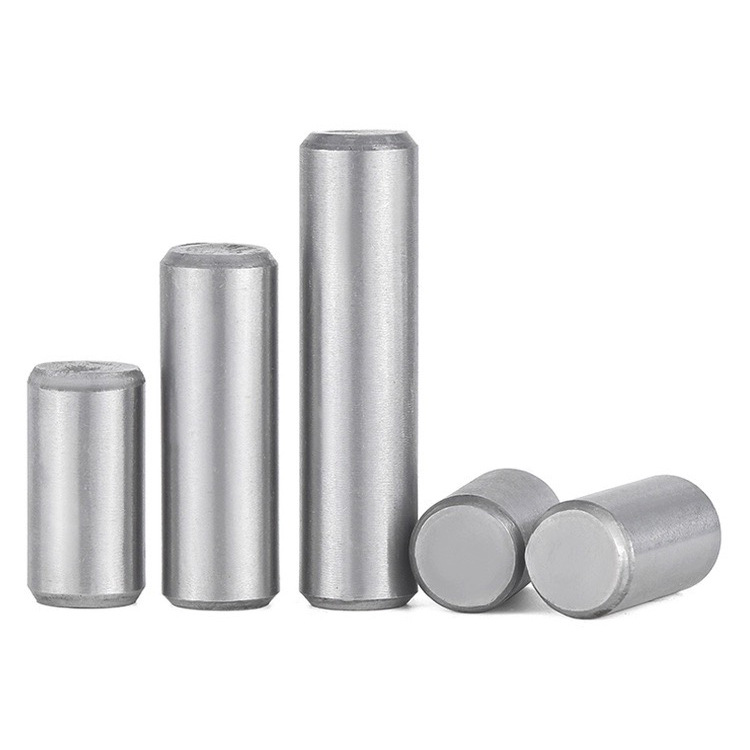
Riveting, as a mechanical fastening connection, clamps workpieces together through plastic deformation of the rivet, providing both strength and sealing. Its principle involves inserting a rivet into pre-drilled holes in the workpieces and applying pressure to one end of the rivet to expand it and form a second head, achieving fixation through interference fit between the rivet body and the hole wall as well as the bearing pressure of the heads. Riveting can be divided into cold riveting and hot riveting. Cold riveting is suitable for smaller diameter rivets or materials with good plasticity such as aluminum and copper, for example in home appliance housing. Hot riveting requires heating the rivet to high temperatures to increase its plasticity, used for large structural parts such as riveted connections in bridge steel structures. With technological development, new types of rivets such as blind rivets and self-piercing rivets have emerged. Blind rivets do not require access from both ends, suitable for closed structures. Self-piercing rivets can directly pierce thin sheets without pre-drilled holes, significantly improving assembly efficiency, and are widely used in joining aluminum alloy components for automotive lightweighting.



 粤ICP备2025493240号-1