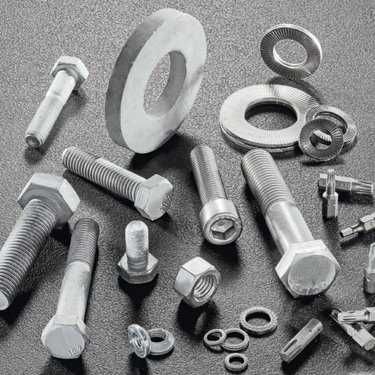
Fasteners are essential components in manufacturing, widely used in automotive, aerospace, electronics, construction, and renewable energy sectors. Mastering Fasteners: 8 Core Questions & Practical Soluti is a common question engineers and procurement specialists encounter. This article provides a systematic answer covering technical principles, selection methods, and practical guidelines.
From a technical perspective, this topic involves materials science, tribology, and surface engineering. Understanding the underlying principles helps engineers select appropriate fastener specifications, strength grades, and surface treatments during the design phase, preventing assembly failures and safety hazards.
In practical applications, evaluate working conditions including load type, ambient temperature, corrosive media, assembly space, and maintenance requirements. For critical joints, verify mechanical performance per ISO 898-1 standards and recheck torque after assembly.
Toprecision provides comprehensive solutions from standard parts to custom-engineered fasteners, covering high-strength bolts, micro screws, wire thread inserts, and self-clinching fasteners for EV, robotics, and AI server applications. Contact our engineering team for support.
1. What are the main types of fasteners and their applications?
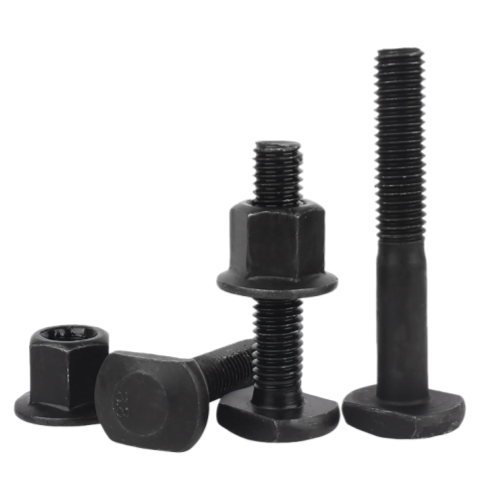
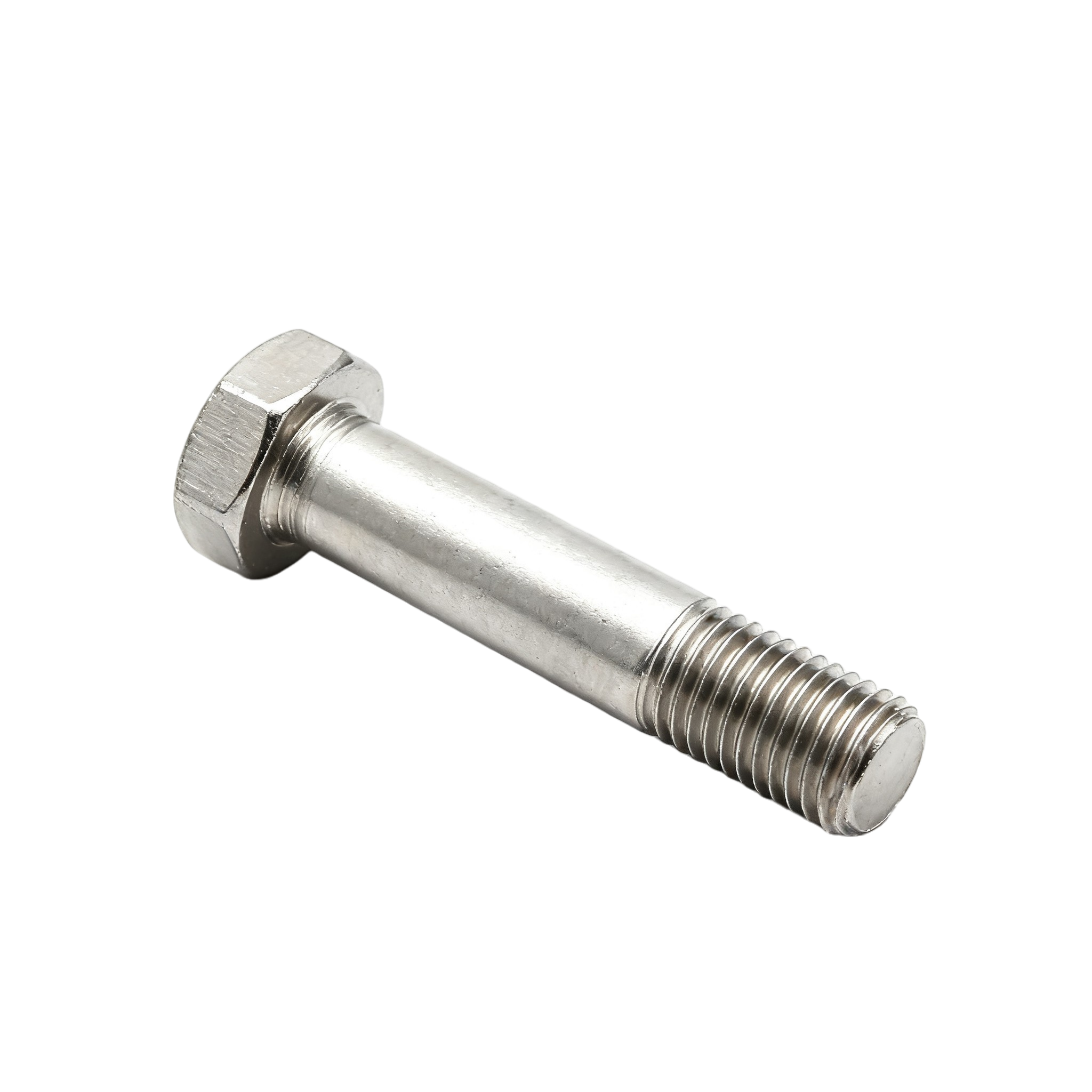
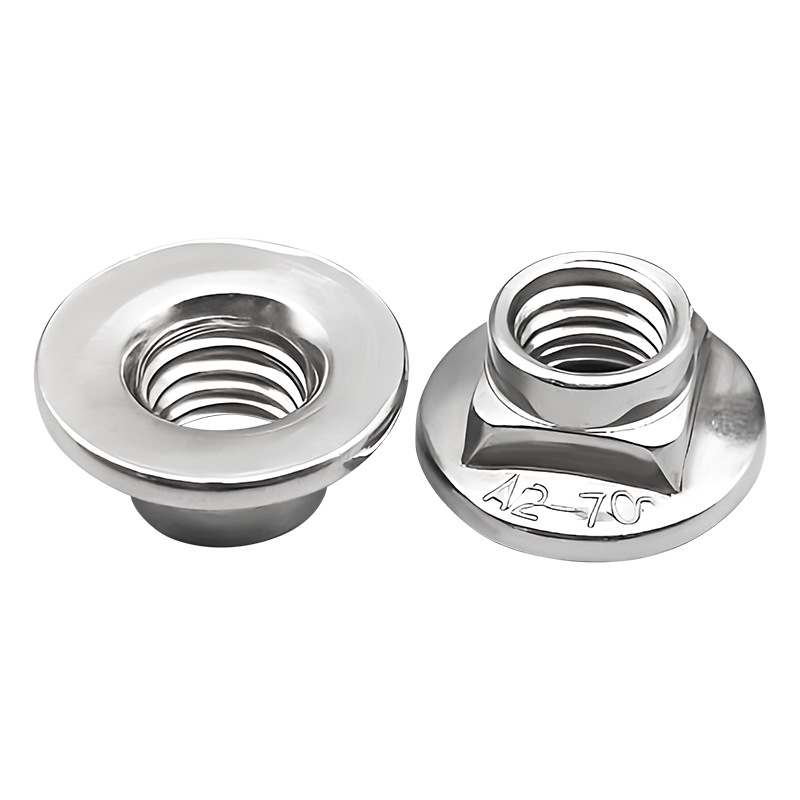
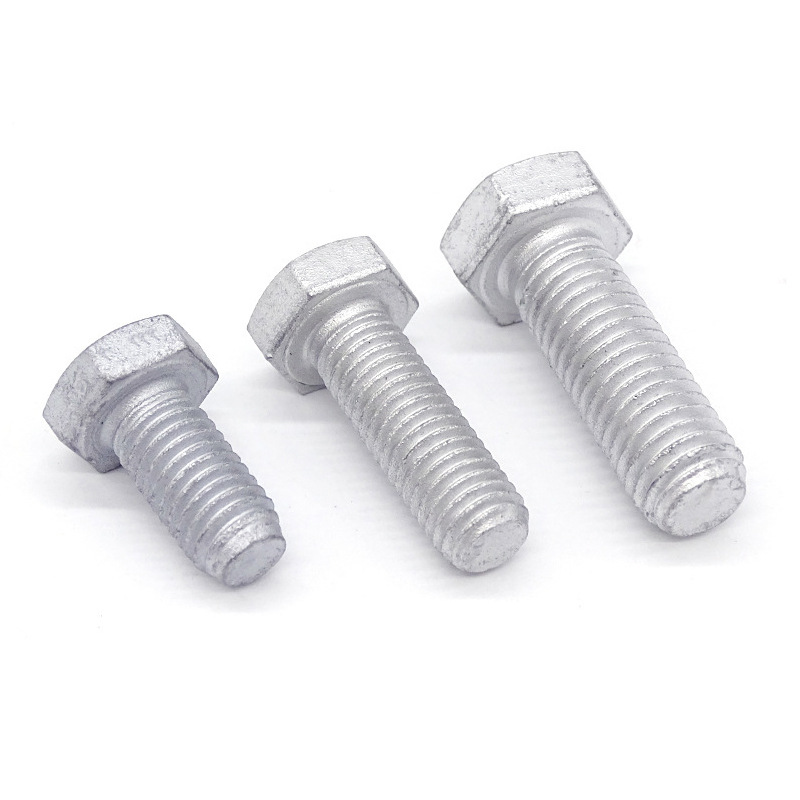
Fasteners are mechanical components used to join or secure parts. The core types and their applications include:
-
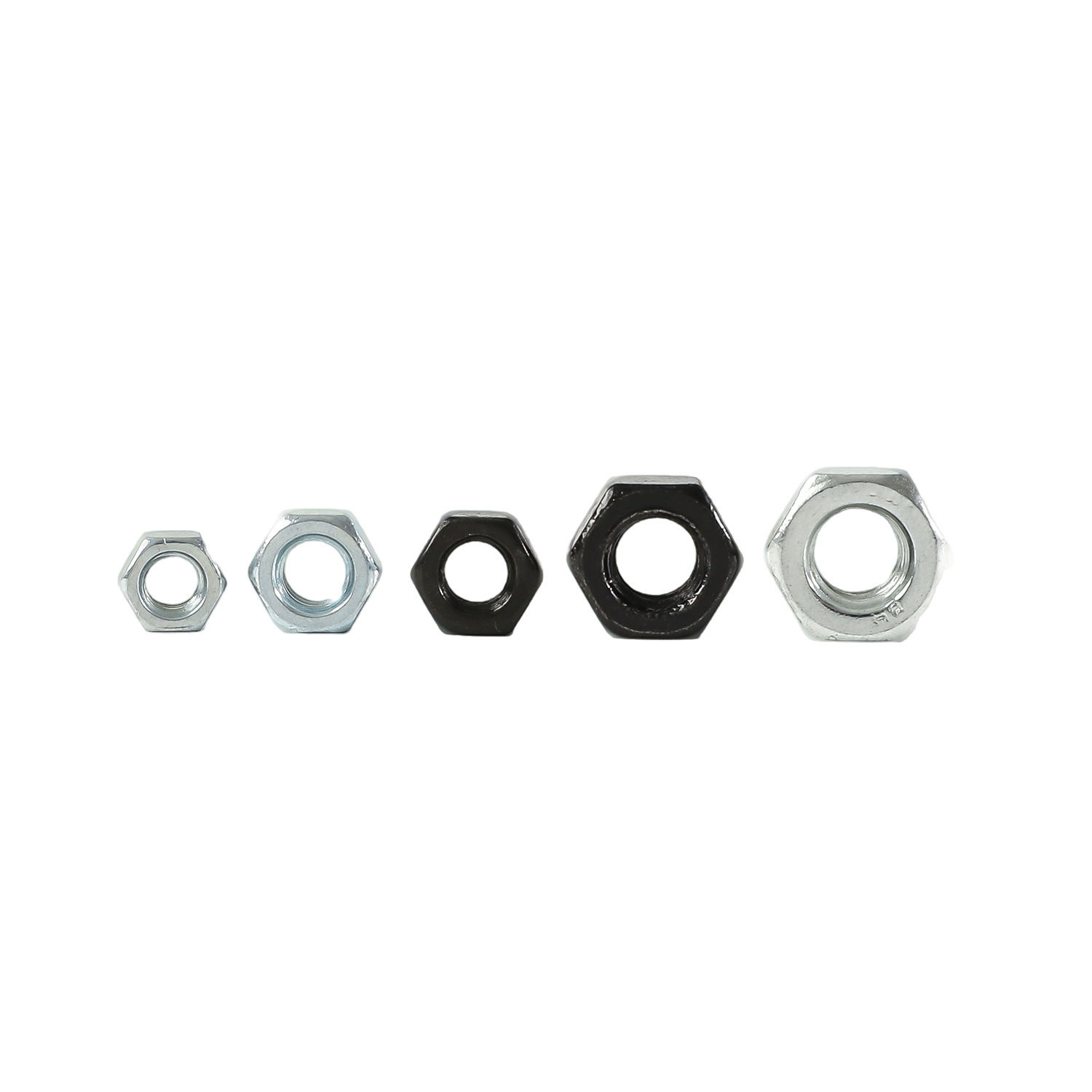
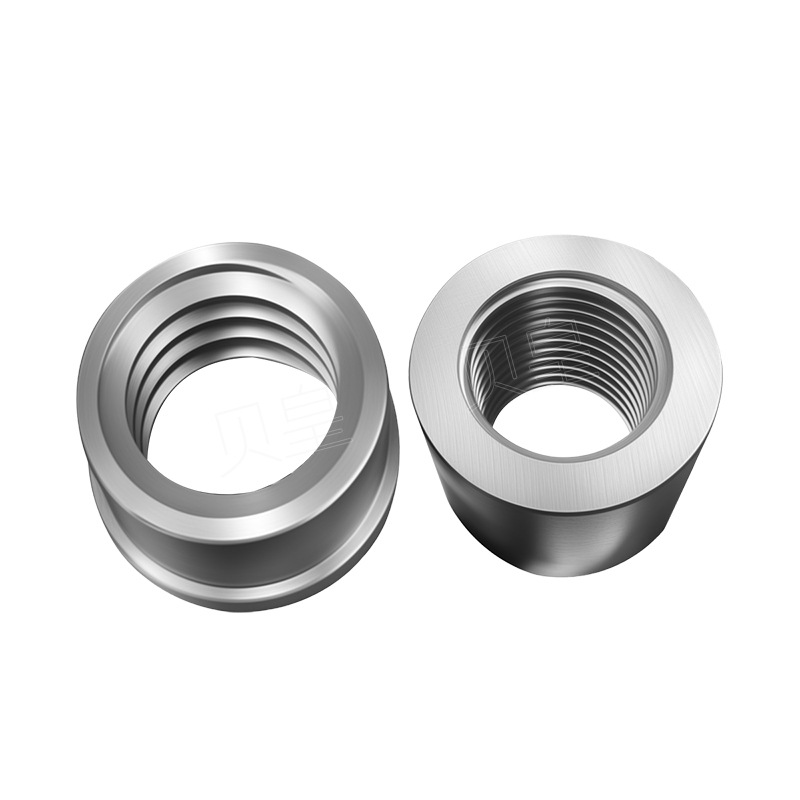
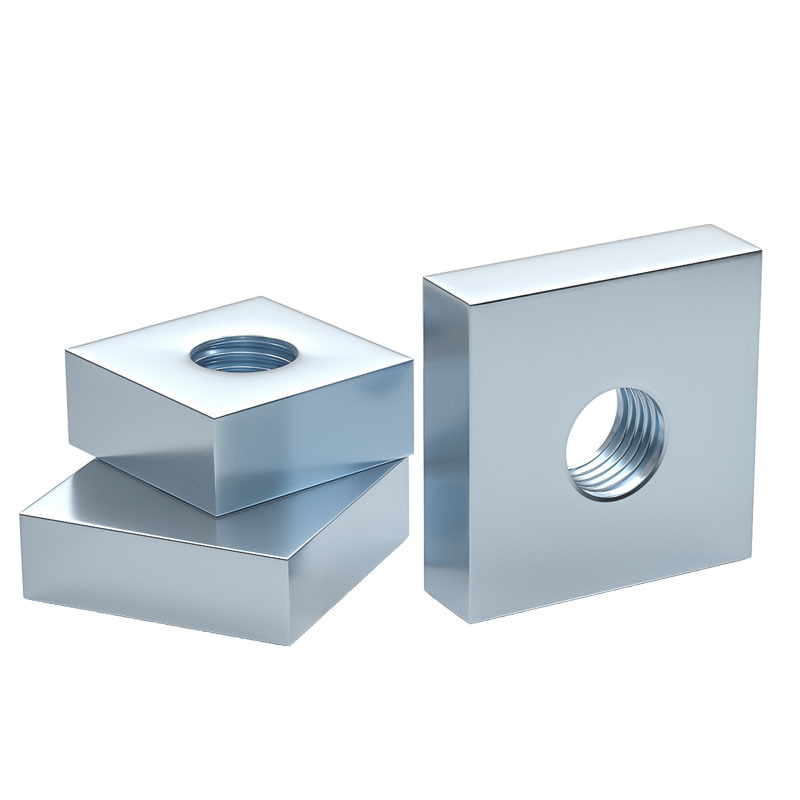
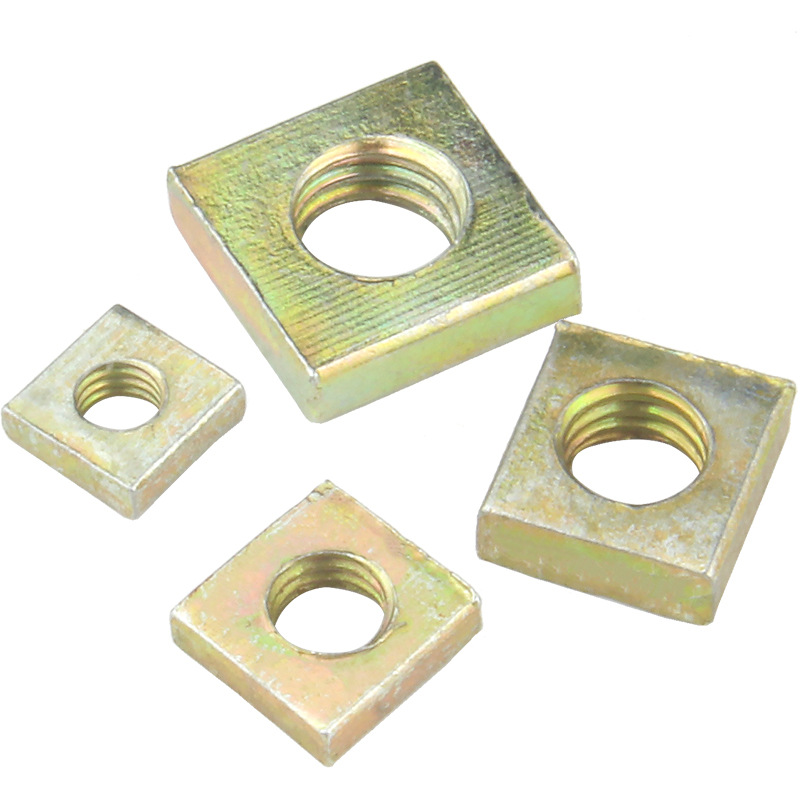
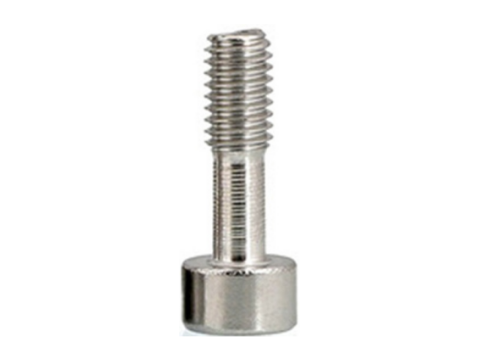
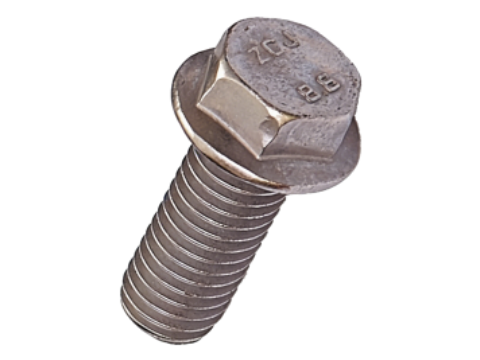
Bolts and Nuts: Used together for detachable connections, widely applied in building structures and machinery requiring frequent disassembly (e.g., steel beam-to-column connections).
-
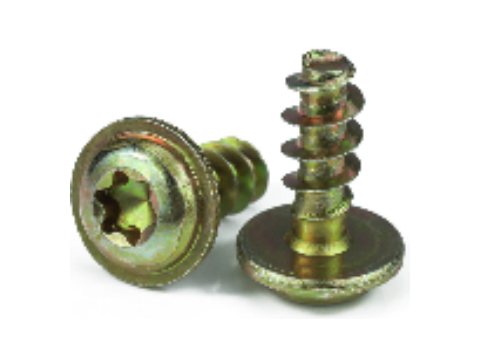
Screws: Can be driven directly into a base without a nut. Self-tapping screws are suitable for non-metallic materials like wood and plastic (e.g., furniture assembly), while machine screws are used for securing metal parts.
-
Washers: Placed between the fastener and the connected part to distribute pressure and prevent loosening. Spring washers are ideal for vibrating environments, while flat washers protect the workpiece surface.
-
Rivets: Achieve permanent connections through deformation, commonly used in high-strength applications like aerospace and automotive bodies.
2. What do fastener strength grades mean and how to choose the right one?
Strength grade is a key indicator of a fastener's load-bearing capacity. For bolts, common markings like "Grade 8.8" or "Grade 12.9" indicate:
The first number represents tensile strength (in 100 MPa), and the second represents the ratio of yield strength to tensile strength (yield ratio).
For example, a Grade 8.8 bolt has a tensile strength ≥ 800 MPa and yield strength ≥ 640 MPa, suitable for general mechanical structures. Grade 12.9 is a high-strength bolt with tensile strength over 1200 MPa, ideal for heavy-duty scenarios like engines and bridges.
Selection should be based on actual load calculations. Avoid assuming "higher grade is always better"—over-specifying increases costs, while under-specifying risks connection failure.
2. Purchasing Guide: Avoiding Common Pitfalls
3. What are the common mistakes when buying fasteners and how to avoid them?
Here are five common purchasing pitfalls and solutions:
-
Pitfall 1: Ignoring material compatibility. Using plain carbon steel in humid environments leads to rust. Solution: Choose carbon steel for dry environments (cost-effective), 304 stainless steel for humid/outdoor settings (corrosion-resistant), and alloy steel for high-temperature conditions.
-
Pitfall 2: Assuming "close enough" sizes. Undersized fasteners lack clamping force; oversized ones are hard to install. Solution: Precisely measure hole diameter and thickness before installation. Prioritize standard sizes, or customize for special needs.
-
Pitfall 3: Overlooking surface treatment. Untreated fasteners rust easily. Solution: Select zinc-plated or chrome-plated products for outdoor or harsh environments to extend service life by 3-5 times.
-
Pitfall 4: Relying on a single supplier. Different suppliers excel in different specialty items (e.g., high-strength rivets). Solution: Compare quality certifications (like ISO) and cost-effectiveness across 2-3 suppliers.
-
Pitfall 5: Overusing washers. Stacking multiple washers reduces preload and causes uneven load distribution. Solution: Use a maximum of one flat washer plus one spring washer per fastener, ensuring proper size matching.
4. How to identify inferior fasteners? Key checkpoints:
Inferior fasteners may have insufficient strength or poor rust resistance. Use the "Look, Check, Test" method:
-
Look at appearance: High-quality fasteners are smooth and burr-free with neat threads. Inferior ones may have cracks, oxide scale, or poor thread precision.
-
Check certifications: Request quality inspection reports from suppliers, ensuring compliance with national standards like GB/T or ISO. Never purchase uncertified products.
-
Test performance: Sample test hardness (using a hardness tester) or simulate installation—inferior bolts may strip or break under normal torque.
3. Installation Practices: Ensuring Reliable Connections
5. What to do if fasteners get stuck or stripped during installation?
Different issues require specific strategies:
-
Stuck (Cannot turn): First, check if the tool fits properly (use a socket wrench instead of an adjustable wrench to reduce slipping). If stuck due to rust, apply a penetrating oil, let it soak for 10 minutes, then rotate half a turn counter-clockwise to loosen before removal.
-
Stripped (Thread damage): For minor stripping, switch to a larger diameter fastener. For severe cases, re-tap the hole or use a thread insert for repair.
-
Prevention: Clean debris from threaded holes before installation (to avoid "false tightening"), apply grease to reduce thread wear, and never force installation with a hammer.
6. Is "tighter always better"? How to control the right torque?
"Over-tightening" is a primary cause of fastener failure—exceeding the limit torque can strip threads, snap bolts, or deform connected parts.
Core methods for controlling torque:
-
General scenarios: Refer to empirical values based on specifications (e.g., recommended torque for an M10 bolt is approx. 20-30 N·m).
-
Precision equipment: Always use a torque wrench and strictly follow the torque values specified in the drawings. Re-check torque after tightening.
-
Multi-bolt connections: Follow a "symmetrical tightening sequence" (e.g., tightening step-by-step from the center outward) to ensure even stress distribution.
4. Maintenance & Anti-loosening: Extending Lifespan and Safety
7. What causes fasteners to loosen and how to prevent it effectively?
Loosening is often caused by vibration, temperature changes, or improper installation. Targeted anti-loosening methods include:
-
Mechanical locking: Use spring washers (constant pressure via elasticity) or cotter pins (inserted through bolt/nut holes), suitable for general vibration.
-
Friction locking: Apply thread-locking adhesive (e.g., anaerobic glue). It cures to form a film preventing loosening. Use low-strength glue for removable joints and high-strength for permanent ones.
-
Structural locking: Use double nuts (tighten a secondary nut against the primary) or prevailing torque nuts (with nylon inserts or metal lock patches), ideal for high-vibration equipment like cars and machine tools.
8. How to maintain fasteners to extend their lifespan?
Daily maintenance involves three steps: "Clean, Protect, Inspect":
-
Clean: Regularly remove oil and dust from fastener surfaces to prevent poor contact caused by debris buildup.
-
Protect: Apply anti-rust oil monthly in humid environments. Add protective covers for outdoor fasteners. If rust appears, sand it down promptly and repaint with anti-rust coating.
-
Inspect: Focus on three areas—thread wear, coating peeling, and signs of loosening. Recommend a comprehensive quarterly inspection for industrial equipment and a semi-annual check for household applications.


 135-6073-0094