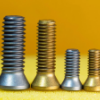
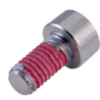
Metal materials have long dominated the fastener manufacturing industry. However, with the rapid development of material science and diversified engineering application requirements, high-performance engineering plastic fasteners have become indispensable and irreplaceable key components in specific fields due to their unique physical and chemical properties. Keeping pace with material innovation trends, Shenzhen Yongjing Precision Technology Co., Ltd. deeply develops customized solutions for various plastic fasteners. This article systematically analyzes the core performance advantages of plastic fasteners and elaborates on their extensive and specialized application scenarios.
I. Core Performance Advantages of Plastic Fasteners
Plastic fasteners are not merely low-cost alternatives to metal fasteners; their inherent material properties deliver exclusive solutions to complex engineering challenges.
1. Excellent Electrical Insulation and Non-Magnetic Properties As one of the most prominent advantages of plastics, full electrical and magnetic insulation fundamentally eliminates galvanic corrosion, electromagnetic interference (EMI/RFI) and eddy current effects, ensuring pure signal transmission and safe operation of electronic equipment.
2. Superior Chemical Corrosion Resistance Most engineering plastics exhibit strong resistance to acids, alkalis, salt solutions, organic solvents and humid environments, outperforming ordinary metals except stainless steel. This enables plastic fasteners to achieve a long service life in highly corrosive scenarios such as chemical industries, marine environments and electroplating processes.
3. Lightweight Characteristics The density of engineering plastics is only 1/7 to 1/4 of that of metals. In weight-sensitive fields including aerospace, automotive manufacturing and portable equipment, plastic fasteners effectively reduce overall weight and improve energy efficiency.
4. Low Friction and Self-Lubricating Performance Materials such as nylon and POM feature low friction coefficients and self-lubricating properties, making them ideal for scenarios requiring repeated assembly and disassembly, zero lubrication contamination and dry friction working conditions.
5. Wave Transparency and Aesthetic Performance Certain plastic materials possess radio frequency transparency, applicable for radome and related structural components. Meanwhile, plastic fasteners support integrated molding and diversified color customization, delivering neat and aesthetic appearances.
II. Material Selection Guide for Mainstream Engineering Plastics
Different plastic materials determine the performance ceiling and applicable boundaries of fasteners.
1. Nylon (PA6, PA66, Glass-Filled Nylon) With comprehensive strength, toughness and wear resistance, nylon is the most widely used material for plastic fasteners. Glass fiber reinforced nylon greatly improves structural strength and heat resistance for higher-standard working conditions.
2. Polyoxymethylene (POM) POM boasts excellent dimensional stability, high rigidity, outstanding fatigue resistance and creep resistance, as well as low friction. It is commonly used for precision gears, bearings and high-precision connecting components.
3. PEEK (Polyether Ether Ketone) As a top-tier high-performance plastic, PEEK features extreme heat resistance (long-term service temperature over 250℃), superior mechanical strength, flame retardancy and chemical stability. It is applied in extreme working environments with relatively high costs.
4. PTFE (Polytetrafluoroethylene) PTFE delivers optimal chemical inertness and ultra-low friction coefficient, while its mechanical strength is relatively low. It is mostly used as a surface coating or for low-load sealing scenarios.
5. PP (Polypropylene) & PVC (Polyvinyl Chloride) With cost effectiveness and reliable corrosion resistance, PP and PVC are widely adopted in civil and industrial fields such as chemical pipelines and water treatment equipment.
III. Major Application Fields of Plastic Fasteners
Benefiting from the above unique properties, plastic fasteners are widely applied in diverse high-precision and special-scenario industries.
1. Electronic, Electrical and Communication Industry PCB Fixation: Nylon screws and spacers are used for PCB fixing, providing reliable insulation and preventing short circuits. Equipment Housings and Shielding Covers: Meet dual requirements of insulation and appearance aesthetics. Optical Communication Equipment: High-precision PEEK fasteners ensure interference-free signal transmission.
2. Food, Pharmaceutical and Chemical Equipment Food Processing Machinery: FDA-certified plastic fasteners are corrosion-resistant, pollution-free and easy to clean. Chemical Pipelines and Tanks: Resist diverse chemical media without rusting risks. Medical Devices: Biocompatible materials such as PEEK support high-temperature disinfection and are suitable for internal structural assembly of precision medical instruments.
3. Automotive and Transportation Industry Interior Component Fixation: Realize lightweight design, noise reduction and abnormal sound prevention. Non-High-Temperature Areas around Engines: Applied to air filter brackets and sensor supports with excellent corrosion resistance and insulation. New Energy Vehicles: Insulating plastic fasteners are essential safety components for high-voltage systems including battery packs, motors and electronic control units.
4. Aerospace and High-End Equipment Cabin Interiors and Equipment Brackets: Achieve extreme lightweight optimization. Radar Radomes and Insulating Structures: Utilize wave-transparent and insulating properties to guarantee stable radar operation.
5. Outdoor and Marine Engineering Outdoor Signs and Fences: Excellent weather resistance and long-term color stability. Marine Equipment and Desalination Devices: Superior salt spray corrosion resistance adapts to harsh marine environments.
IV. Design and Application Precautions
Plastic fasteners have inherent limitations and require scientific and standardized application.
Strength and Stiffness Limitations: Plastic fasteners have lower strength and rigidity than metal fasteners of the same size. Load verification is mandatory during design to avoid overload failure.
Creep and Stress Relaxation: Continuous load and elevated temperature cause plastic creep and preload attenuation. Creep-resistant materials such as POM and targeted structural design are required for long-term fastening scenarios.
Temperature Restrictions: Plastic materials have definite operating temperature ranges. High temperature causes softening and deformation, while low temperature leads to brittleness and cracking.
Controlled Installation Torque: Tightening torque must be strictly controlled. Excessive torque results in thread stripping and internal stress cracking. Special installation tools or torque limiters are required for standardized assembly.
Conclusion
Plastic fasteners represent a vital development direction of functional and specialized connection technology. Rather than low-cost substitutes, they are high-performance solutions tailored for specific engineering challenges. With in-depth mastery of engineering plastic properties and precision molding technology, Shenzhen Yongjing Precision Technology Co., Ltd. provides full-cycle services including material selection consultation, structural design optimization and precision injection molding production. We help customers maximize the unique value of plastic fasteners in targeted scenarios and achieve optimal comprehensive balance of product performance, reliability and cost.























 Login
Login








 Contact
 WeChat
 粤ICP备2025493240号-1