II. Fastener Functions: Core Value for Diverse Applications
Fasteners primarily connect and fix components. Upgraded working conditions have derived sub-functions including anti-loosening, sealing, positioning and weight reduction. Different functions correspond to dedicated product types and structural designs.
1. Basic Fastening: Fundamental Requirement
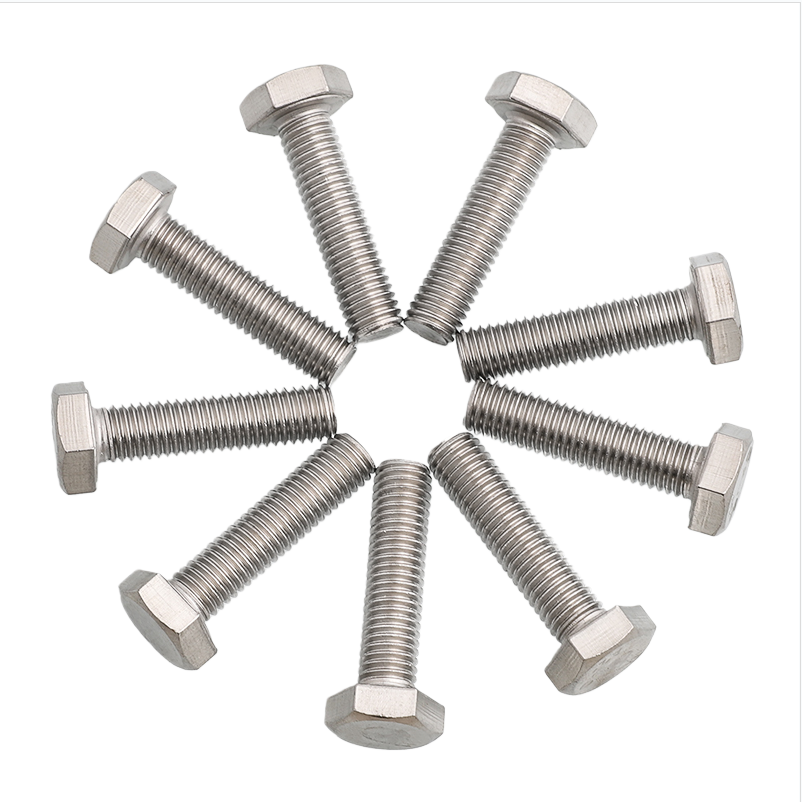
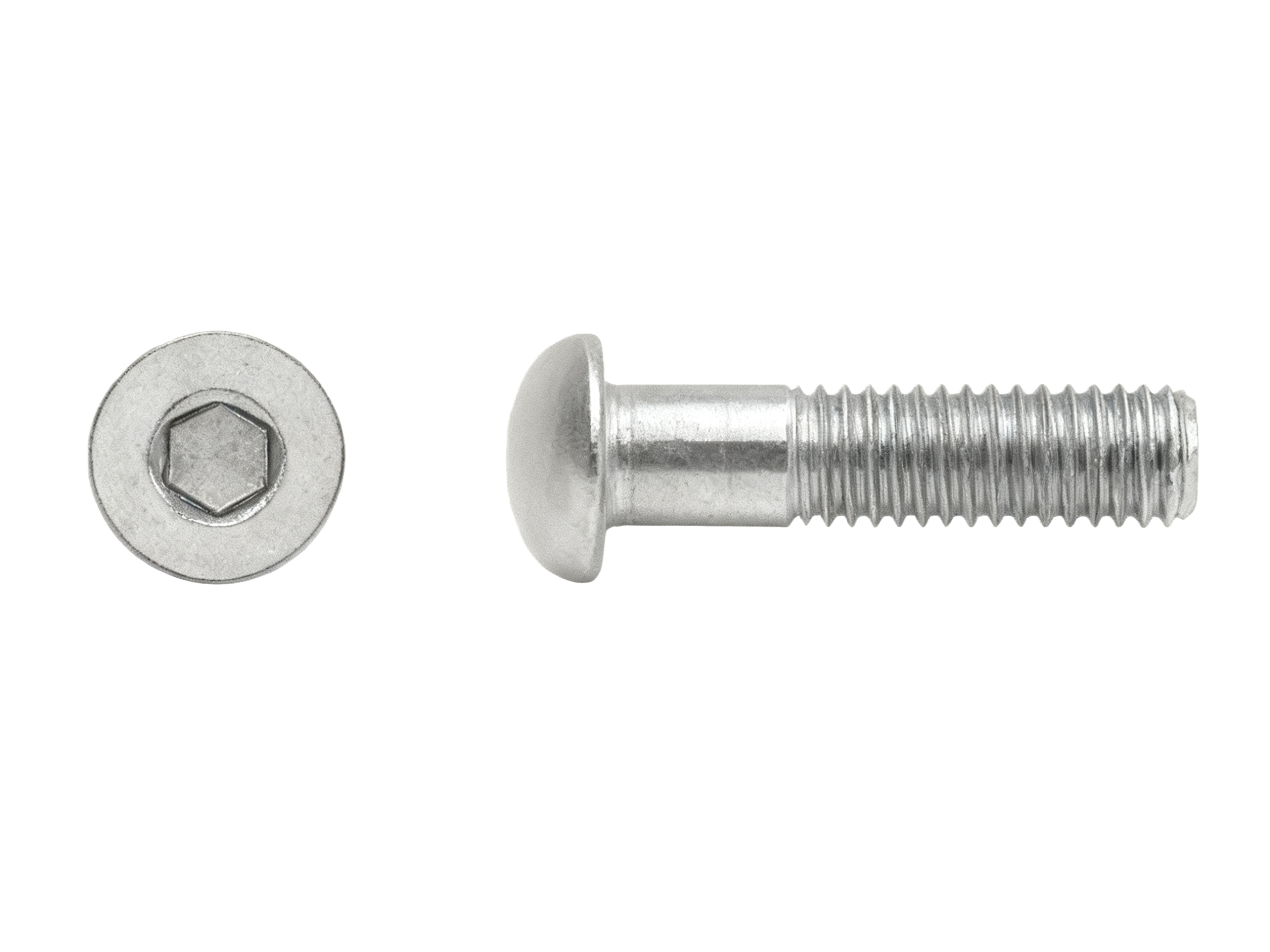
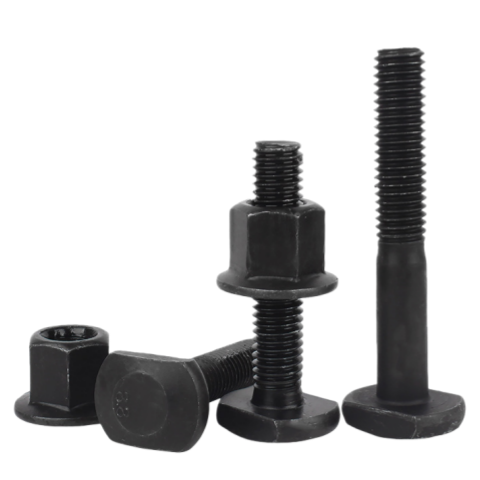
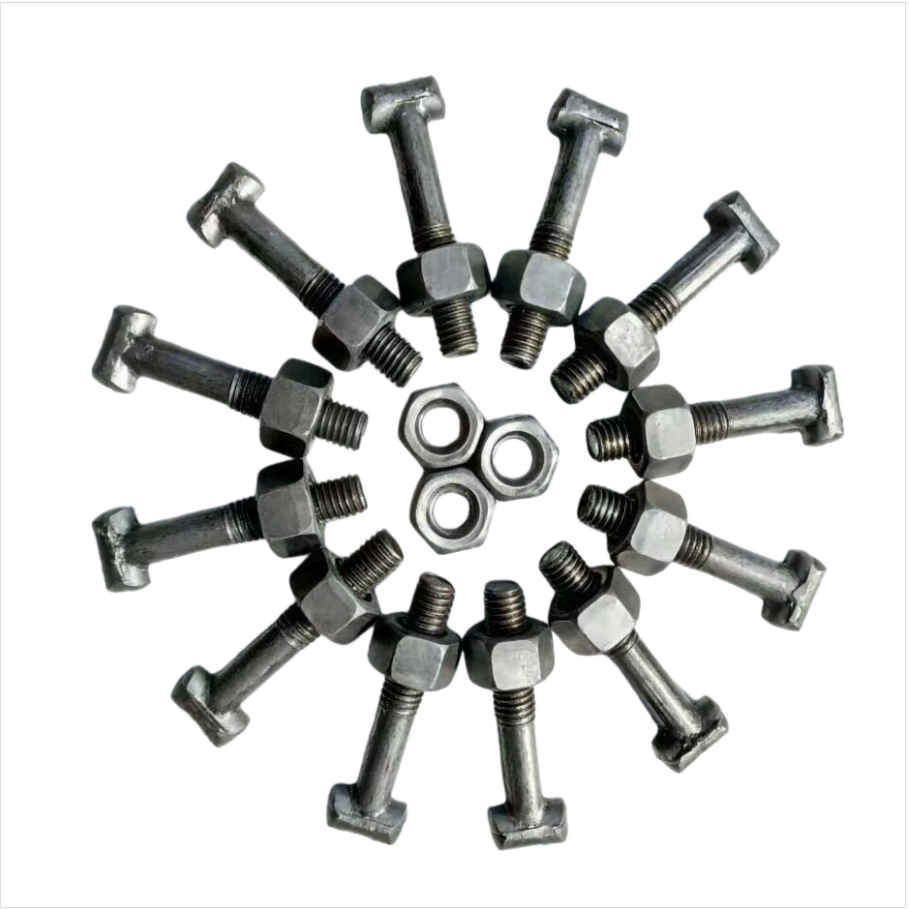
As the most essential function, it secures components via thread engagement, friction or mechanical interlock. Typical products include standard bolts, nuts, screws and rivets, applied to general connections such as furniture assembly, machinery housing and building brackets. Proper specification matching is critical to meet load requirements.
2. Anti-loosening: For Vibrating Conditions
Fasteners tend to loosen under vibration, impact and cyclic loads, such as automotive chassis, wind turbine towers and construction machinery. Anti-loosening products adopt special structures or auxiliary parts:
-
Lock Nuts: Nylon insert lock nuts and all-metal lock nuts lock threads to prevent loosening.
-
Lock Washers: Belleville and toothed washers deliver continuous preload or enhance friction via tooth engagement.
-
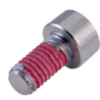
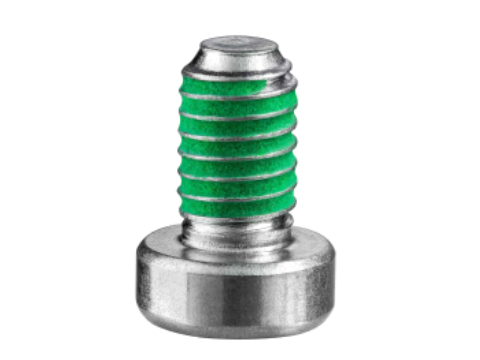
Thread-locking Screws: Coated with thread locker, they get fully cured after tightening for permanent fastening.
3. Sealing: For Fluid Containment
Used in pipelines, pressure vessels and hydraulic systems, these fasteners prevent leakage of water, oil and gas with integrated sealing structures or matched sealing components.
-
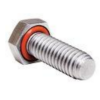
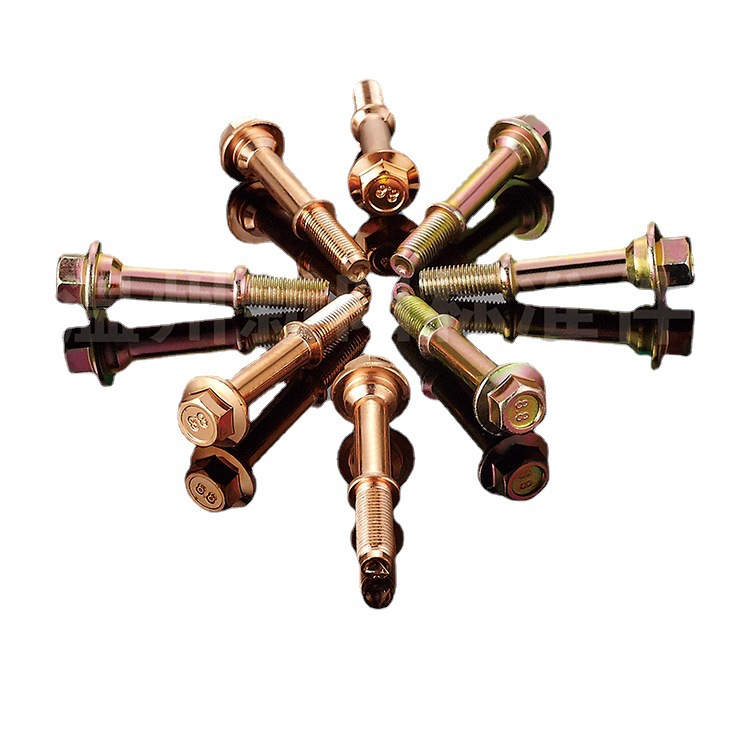
Sealing Bolts: Equipped with gaskets on head or thread for reliable sealing.
-
Pipe Thread Fasteners (G, NPT Series): Special thread profiles ensure tight sealing for pipeline systems.
-
High-strength Bolts for Flange Joints: Work with gaskets. Precise preload compresses gaskets to achieve sealing for high-pressure pipelines and vessels.
4. Positioning: For Assembly Accuracy
Applied to precision machinery, electronic devices and molds, they ensure accurate positioning and eliminate assembly deviation with high-precision dimensions and locating structures.
-
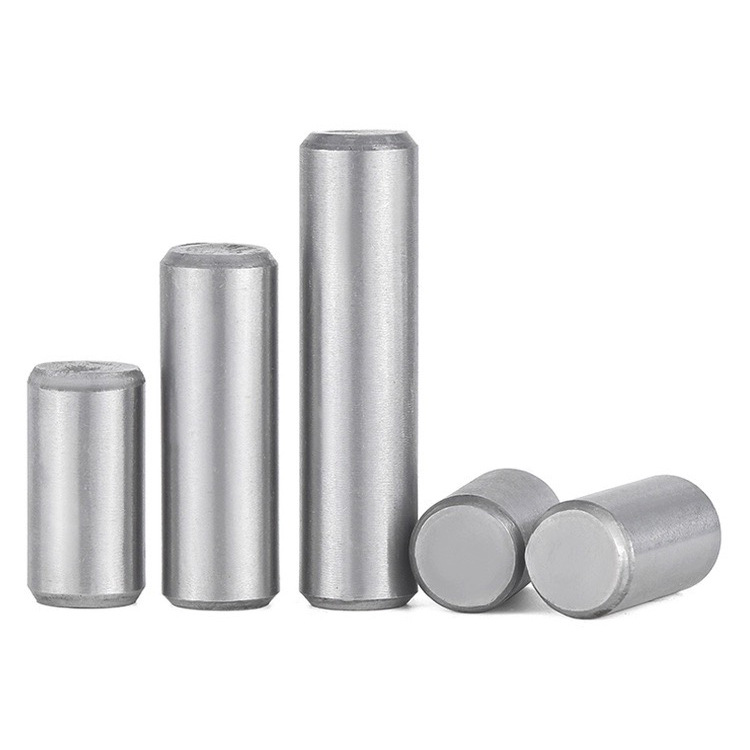
Locating Pins: Cylindrical and taper pins achieve precise positioning via interference fit.
-
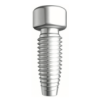
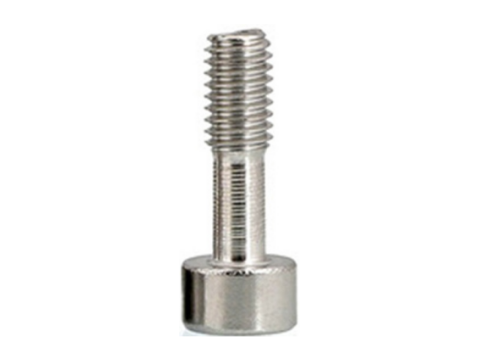
Precision Screws: High dimensional tolerance guarantees flatness and concentricity after installation.
-
Guide Bolts: Guide structures on head or shank facilitate error-free assembly.
5. Weight Reduction: For Advanced Manufacturing
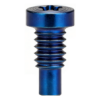
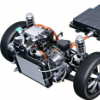
Widely used in aerospace, new energy vehicles and high-end electronics, they cut overall weight while retaining structural strength. Made of lightweight high-strength materials like aluminum alloy, titanium alloy and carbon fiber composites, with optimized hollow or thin-wall structures. For instance, titanium bolts for aerospace and aluminum screws for EVs reduce weight by 40%-60% compared with traditional carbon steel fasteners, while sustaining heavy loads.
6. Extreme Environment Adaptation
Specially selected materials and optimized structures enable reliable operation under high temperature, low temperature, severe corrosion and radiation. Inconel 625 bolts withstand temperatures above 800°C; 316L stainless steel bolts avoid brittle fracture below -40°C; Hastelloy bolts resist strong acid and alkali corrosion.
III. Matching Rules of Specifications & Functions
Correct selection follows the principle: specifications match functions, and functions adapt to working conditions. Mismatch will lead to operational failure. A three-step selection process is recommended:
-
Confirm working conditions and define required functions. Determine core demands including general fastening, anti-loosening, sealing or weight reduction based on load, vibration, medium, temperature and corrosion. For marine vibrating environments, select stainless steel fasteners with anti-loosening design and Dacromet coating.
-
Define specifications according to functional demands. Confirm nominal diameter, length and performance grade based on component dimensions and load. For heavy-load anti-loosening applications, adopt Grade 10.9 high-strength lock nuts with matched thread size and proper length.
-
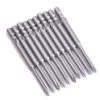
Verify overall compatibility. Ensure compatibility with mating parts, component materials and assembly tools. For example, use matched hex socket wrenches; avoid contact between stainless steel and carbon steel to prevent galvanic corrosion.
Conclusion
Specifications lay the foundation by defining physical properties and performance limits, while functions embody core value to meet various operational demands. Full understanding of specifications and applicable scenarios ensures accurate selection and stable performance. For industry practitioners, mastering the matching logic improves professional competence, delivers targeted solutions, and avoids potential safety hazards and economic losses caused by improper selection.





















 Login
Login








 Contact
 WeChat
 粤ICP备2025493240号-1