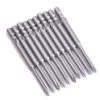
Fasteners are the cornerstone of mechanical manufacturing and assembly. They are widely applied from home appliances and furniture to aerospace, wind power and bridges. Correct selection and application rely on two core elements: specifications and functions. Specifications define physical attributes and performance limits, while functions determine connection solutions. Improper parameter identification or function mismatch often causes assembly failures. This article analyzes core attributes of fasteners from three aspects: parameter breakdown, function classification and matching rules.
I. Fastener Specifications: Standard Product Parameters
Fastener specifications are standardized parameters covering dimension, material and mechanical properties to ensure interchangeability and compatibility. Four major categories directly affect application performance.
1. Dimensional Specifications: Basic Compatibility
Dimensional parameters are fundamental for matching with connected parts, nuts and washers.
-
Nominal Diameter: Major diameter of threads (unit: mm), e.g. M8, M12. It is the primary selection basis. M8 bolts must pair with M8 nuts. Mismatched thread holes lead to loose fastening or thread damage.
-
Effective Length: Thread engagement length under load (excluding head thickness). It shall exceed the total thickness of connected parts by 1 to 2 thread pitches for reliable locking. Excess length affects layout; insufficient length results in weak fastening.
-
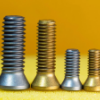
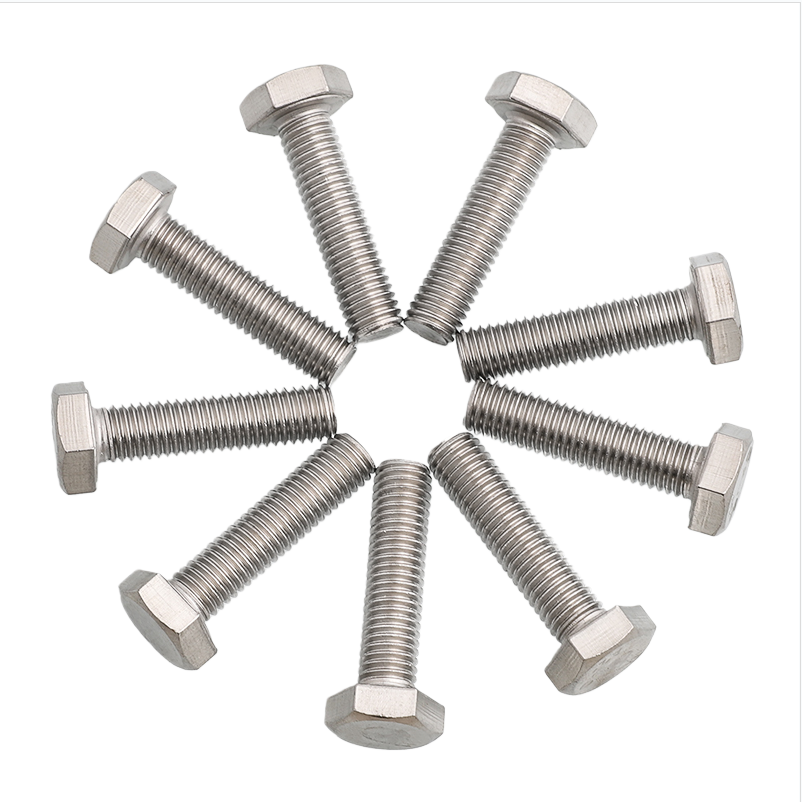
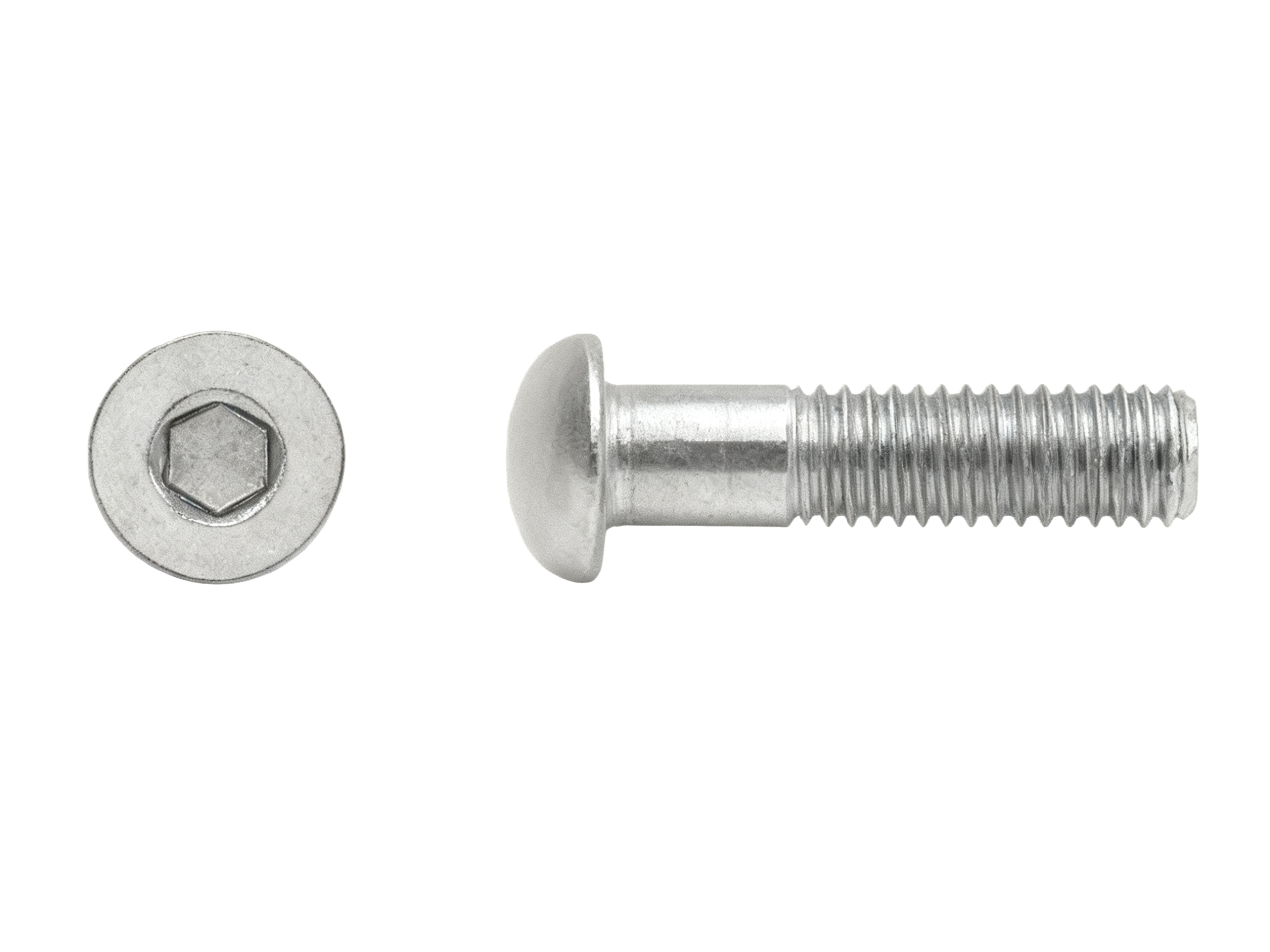
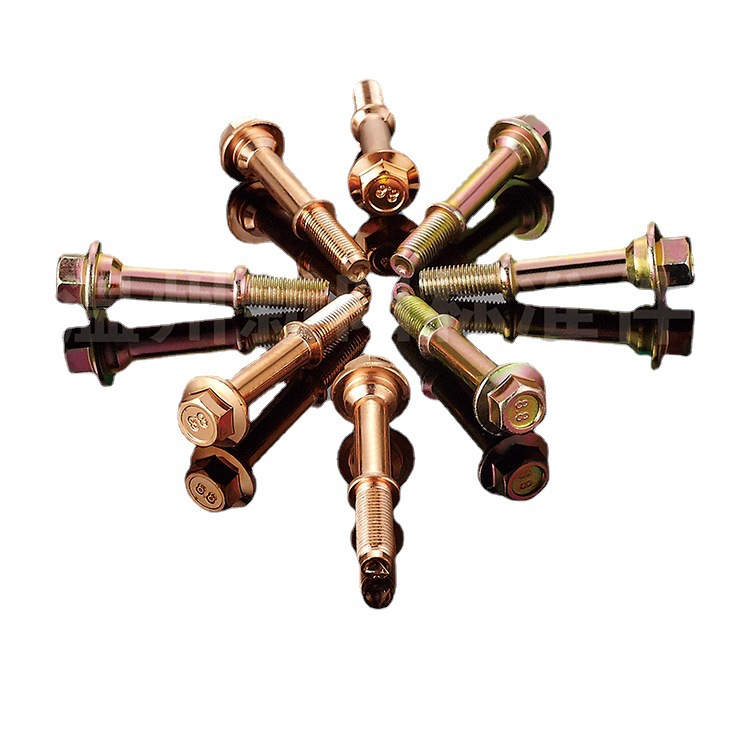
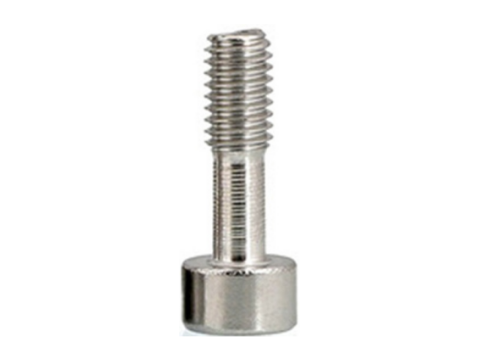
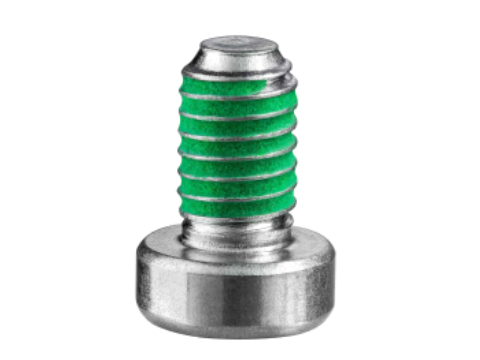
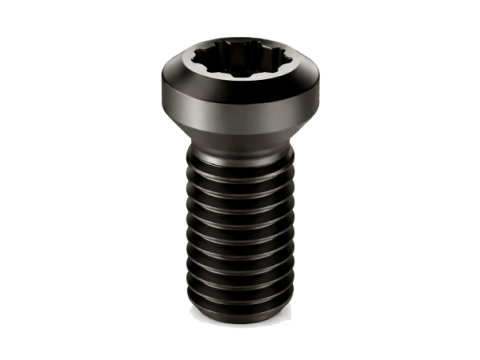
Head & Structural Dimensions: Includes head types (hex, countersunk, pan), head thickness and drive types (cross recess, hex socket, torx). Countersunk bolts create flat surfaces; hex socket bolts deliver higher torque in confined spaces.
2. Material Specifications: Performance Foundation
Material determines strength, corrosion resistance and heat resistance, selected according to working conditions.
-
Carbon Steel (Q235, 45#): Cost-effective with moderate strength, for dry indoor and low-load scenarios such as furniture and common mechanical supports.
-
Stainless Steel (304, 316): Excellent corrosion resistance. Grade 304 for general humid environments; Grade 316 resists salt spray and severe corrosion for marine and chemical industries.
-
Alloy Steel (42CrMo, 35CrMo): High strength and toughness. Heat-treated products reach Grade 8.8 and above for heavy-load applications including wind power, engineering machinery and aerospace.
-
Non-ferrous Metal (Aluminum Alloy, Copper): Lightweight and conductive, for new energy vehicles and electronic devices requiring weight reduction and electrical conductivity.
3. Performance Grades: Strength Limits
Performance grades indicate load capacity, marked in two-digit format such as 8.8 and 10.9. The first digit represents tensile strength (×100MPa); the second digit is the ratio of yield strength to tensile strength (×10). For Grade 8.8 bolts, minimum tensile strength is 800MPa and minimum yield strength is 640MPa.
Ordinary grades (4.6, 5.6) suit low-load conditions. High-strength grades (8.8, 10.9, 12.9) apply to heavy-load and vibrating working conditions. Random replacement is prohibited: lower-grade bolts may fracture due to insufficient strength, while overrated grades raise costs and may damage connected components due to excessive rigidity.
4. Surface Treatment: Improved Adaptability & Service Life
Surface coatings enhance corrosion resistance, wear resistance and lubrication.
-
Zinc Plating (Blue-white, Color): Moderate cost and corrosion resistance (24-72h salt spray test), for indoor humid environments.
-
Dacromet: Superior corrosion resistance (500-1000h salt spray test), for outdoor and heavily corrosive marine environments.
-
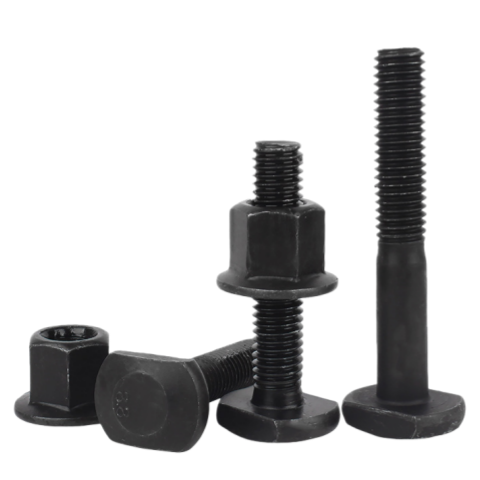
Black Oxide: Low cost with poor corrosion resistance, for dry indoor temporary fastening.
-
Silver & Gold Plating: Outstanding conductivity and corrosion resistance, for high-end electronic and aerospace applications.






















 Login
Login








 Contact
 WeChat
 粤ICP备2025493240号-1