The familiar click sound of torque wrenches is commonly heard during fastener tightening operations. Many operators confuse whether this sound is a normal working signal or a fault warning. In fact, the click is a core mechanical prompt designed for precise torque control. When the applied torque reaches the preset value, the internal mechanism generates displacement and impact, producing a clear mechanical click sound. Understanding its working principle eliminates operational doubts and helps judge the working status of the torque wrench. This article systematically analyzes the structural principle, sound generation mechanism, normal and abnormal sound identification, and key operational precautions.
I. Core Structure of Torque Wrenches
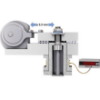
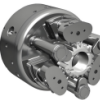
Precise torque control and click triggering rely on two core internal assemblies: the torque adjustment mechanism and the trigger sounding mechanism, including the main wrench body, adjustment knob, compression spring, cam or pawl assembly and positioning pin. Although preset, dial and digital torque wrenches have slight structural differences, they share the same click triggering logic, among which the preset torque wrench is the most representative and widely used type.
The working principle of preset torque wrenches is straightforward. The target torque is set via the adjustment knob to compress the internal spring to a corresponding deformation state. During tightening, external torque is transmitted to the spring. Once the load exceeds the spring’s locking support force, the internal components generate relative displacement, producing a typical click sound accompanied by a slight head rebound.
II. Generation Mechanism of the “Click” Sound
The click sound is produced through a continuous mechanical linkage process, which can be divided into three standardized steps:
1. Torque Presetting
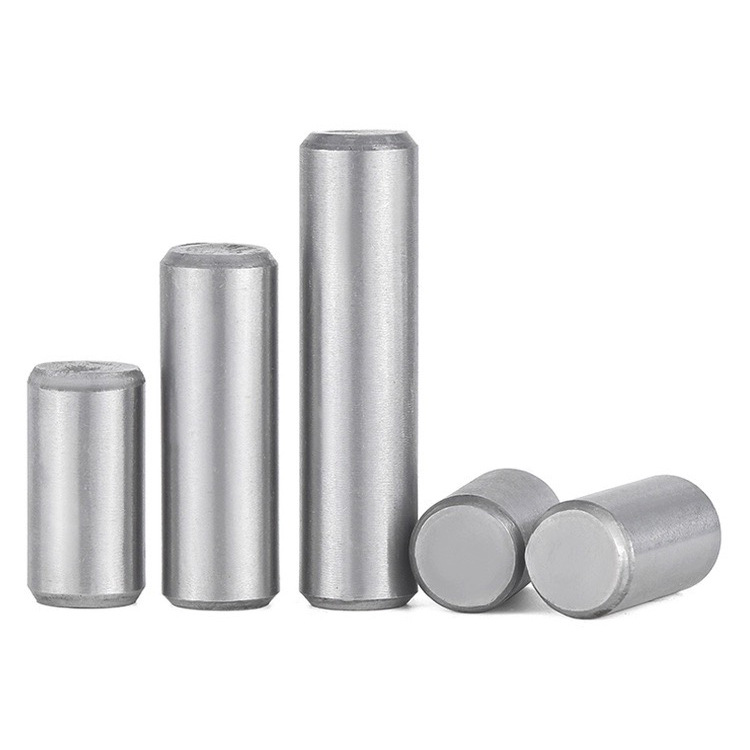
Rotating the adjustment knob compresses the internal pressure spring, with the compression amount precisely corresponding to the target torque. Higher torque requires greater spring compression and higher trigger threshold. In this state, the cam or pawl closely fits the positioning pin to form a rigid lock, ensuring no relative displacement between the wrench head and the main body.
2. Torque Transmission
During fastener tightening, torque is transmitted from the wrench body to the spring and cam assembly, and finally applied to the fastener. Before reaching the preset value, the spring elastic force maintains structural locking, keeping the wrench in a rigid stable state without displacement or noise.
3. Triggering and Sound Generation
When the applied torque reaches the preset threshold, the reaction force breaks the spring locking balance, driving relative sliding between the cam and positioning pin. The protruding part of the cam quickly strikes the positioning pin or inner wall of the wrench body, accompanied by a slight rebound of the wrench head at 1°–3°. The mechanical impact produces the distinctive click sound, serving as an intuitive reminder to stop force application.
Notably, the click sound is generated by pure mechanical motion without electric power. This enables preset torque wrenches to work reliably under harsh conditions such as high temperature, high humidity and non-power environments.
III. Identification of Normal and Abnormal Click Sounds
Operators must distinguish normal working clicks from abnormal noises through triggering timing, sound features and accompanying motions to avoid torque control failure and assembly defects.
1. Characteristics of Normal Click Sounds
• Accurate triggering: Sounds only once exactly at the preset torque without advance or delay. • Clear and crisp tone: A single pure click without extra noise. • Stable linkage: Smooth and slight head rebound without jamming. • Consistent repeatability: Stable sound and triggering timing in repeated tests.
2. Abnormal Sounds, Phenomena and Root Causes
• Early triggering before reaching preset torque: Caused by spring fatigue, positioning pin wear or loose knob locking, leading to reduced trigger threshold. • No sound after exceeding preset torque: Resulting from spring jamming, cam corrosion and stagnation, or incorrect torque setting that disables the trigger mechanism. • Mixed abnormal noises such as clicking plus creaking: Indicates internal component wear, insufficient lubrication or foreign matter contamination. • Click sound without rebound: Usually caused by broken positioning pins or damaged cam structures, leading to failed reset and invalid torque control.
IV. Conclusion
The click sound of a torque wrench is a standard mechanical signal of qualified torque locking, generated by the coordinated movement of internal springs, cams and positioning pins. It accurately indicates the completion of preset torque tightening. In daily operations, judging the working condition of torque wrenches through sound characteristics and rebound performance, together with regular calibration and maintenance, effectively prevents fastener failures such as loosening and fracture caused by insufficient or overloaded torque. Mastering this mechanical principle enables fastener practitioners to operate torque wrenches scientifically and improve overall assembly quality and structural reliability.
















 Login
Login








 Contact
 WeChat
 粤ICP备2025493240号-1