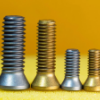
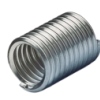
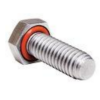
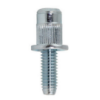
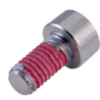
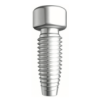
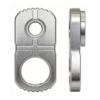
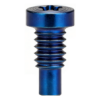
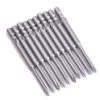
The aviation industry features an extreme emphasis on detail-driven safety, where aerospace fasteners represent typical small components with decisive functional significance. A commercial aircraft requires millions of fasteners to secure fuselage frames, wing structures, engine nacelles and interior components. Unlike ordinary industrial fasteners, aerospace fasteners must withstand extreme operating conditions including high altitude, ultra-low temperature, high pressure and continuous vibration, thereby demanding stricter performance, precision and reliability standards. This article systematically sorts out the core basic knowledge of aerospace fasteners.
I. Definition and Core Functions of Aerospace Fasteners
Aerospace fasteners are specialized connecting components designed for structural assembly of aircraft, satellites, rockets and other aerospace equipment. They securely join critical parts such as skins, stringers, beams, ribs and engine components into an integrated structure, while transferring tensile force, pressure, torque and other loads. These fasteners guarantee structural integrity and operational stability throughout the full service life of aerospace equipment.
The fundamental difference from conventional fasteners lies in extreme condition adaptability. Aircraft undergo drastic temperature fluctuations from normal ground temperature to below -50℃ at high altitude, withstand impact loads during takeoff and landing, and sustain continuous aerodynamic vibration, together with corrosion risks caused by high-altitude humidity and pressure changes. Accordingly, aerospace fasteners require superior strength, toughness, corrosion resistance and long-term reliability.
II. Core Characteristics of Aerospace Fasteners
Four essential characteristics distinguish aerospace fasteners from ordinary products and meet rigorous aviation operating requirements:
1. Balanced Ultra-High Strength and Lightweight Performance
Weight reduction is a critical indicator for aircraft design. Aerospace fasteners adopt high-strength lightweight materials such as high-grade aluminum alloy, titanium alloy and superalloy. Titanium fasteners deliver strength equivalent to high-strength steel while reducing weight by 40%–50%. Aerospace aluminum alloy fasteners provide further weight reduction for non-primary load-bearing structures such as fuselage skins.
2. Excellent Corrosion Resistance
High-altitude humidity, marine salt spray and corrosive engine exhaust gases easily induce component corrosion. Aerospace fasteners adopt premium corrosion-resistant materials including 316L stainless steel and titanium alloy, together with specialized surface treatments such as anodizing, cadmium plating, silver plating and Dacromet coating, preventing strength degradation and fracture caused by corrosion.
3. High Reliability and Long Service Life
Aviation safety relies entirely on fastener stability. Aerospace fasteners are designed for a 20–30 year full-service lifecycle without loosening or fracture. All products undergo rigorous fatigue, impact and corrosion tests to ensure stable performance under prolonged extreme operating conditions.
4. High Precision and Interchangeability
Aircraft assembly requires micron-level precision. Aerospace fasteners feature thread accuracy of Grade 4 or above and dimensional tolerance within ±0.005mm, with standardized interchangeability to facilitate efficient maintenance and replacement.
III. Main Classification and Application Scenarios of Aerospace Fasteners
According to structural forms and functional applications, mainstream aerospace fasteners are categorized into four types:
1. Threaded Fasteners
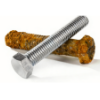
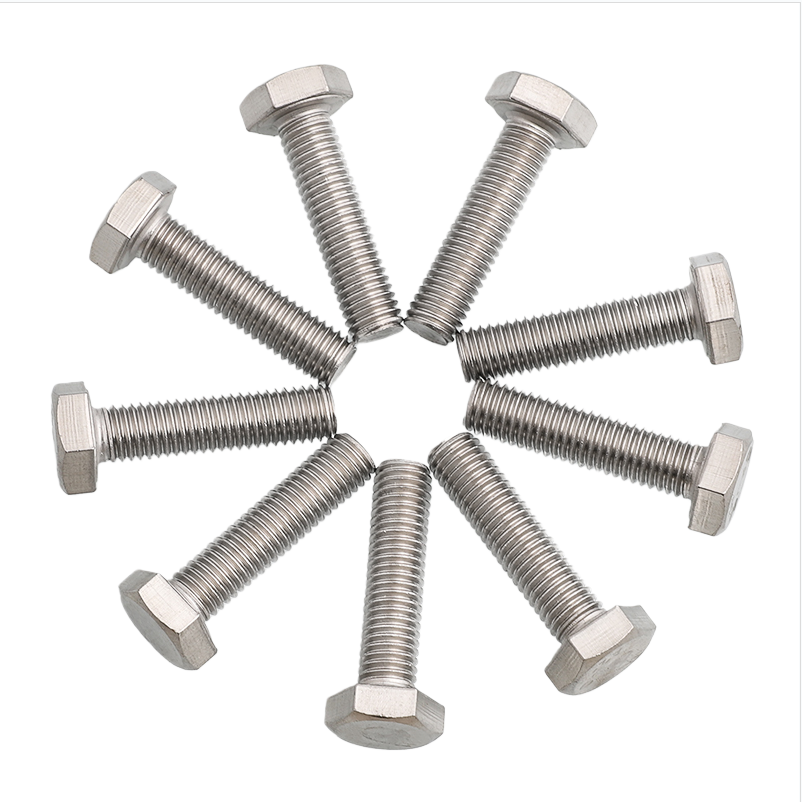
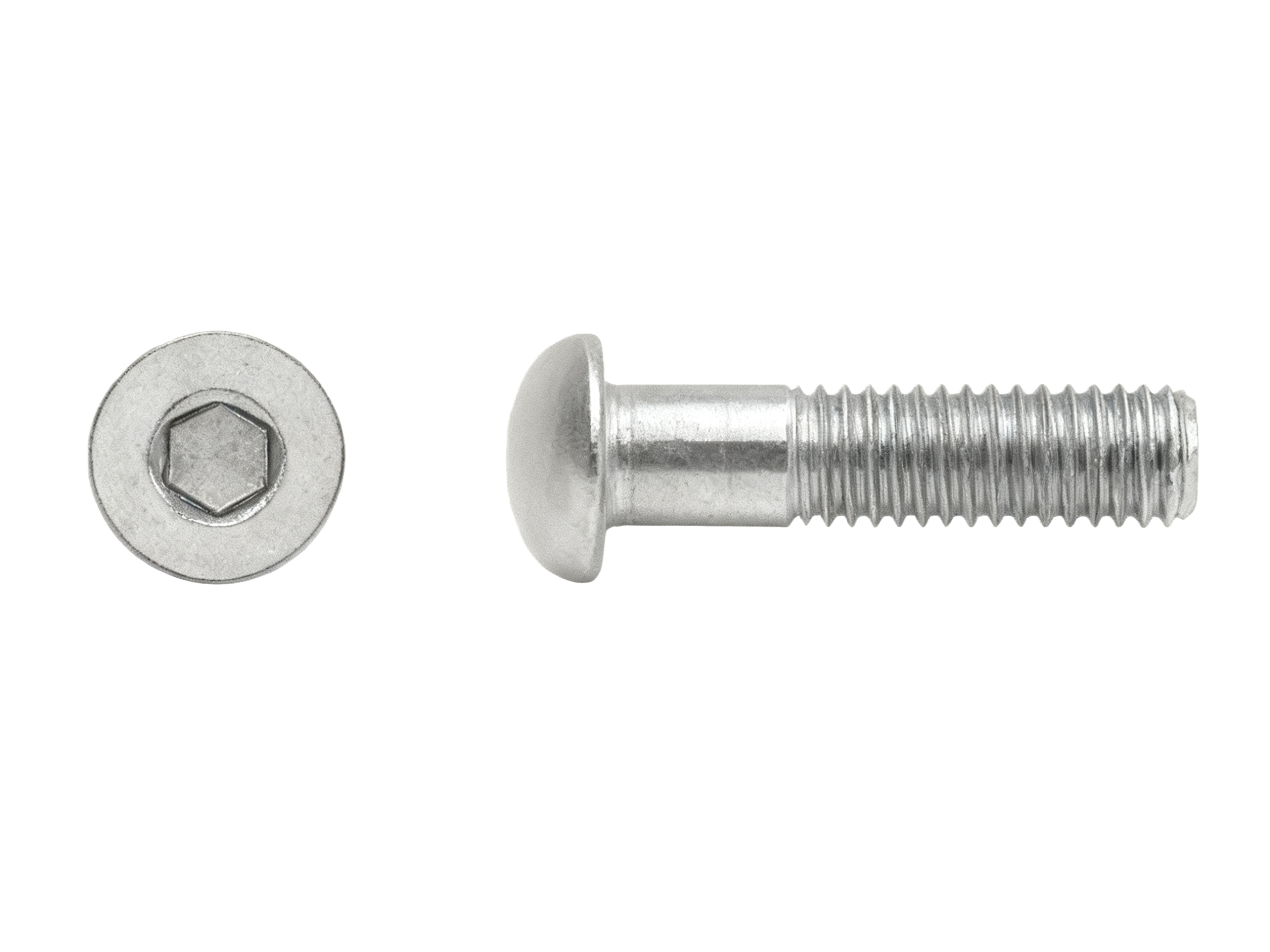
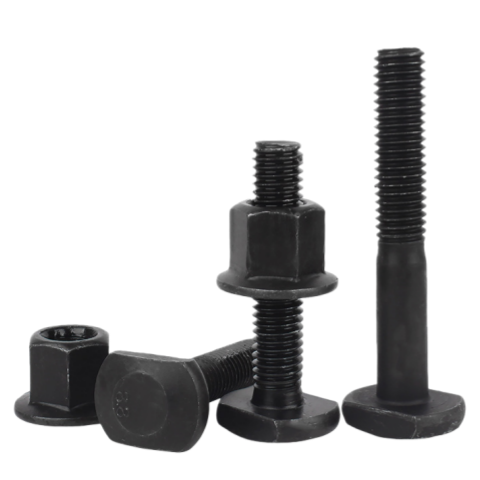
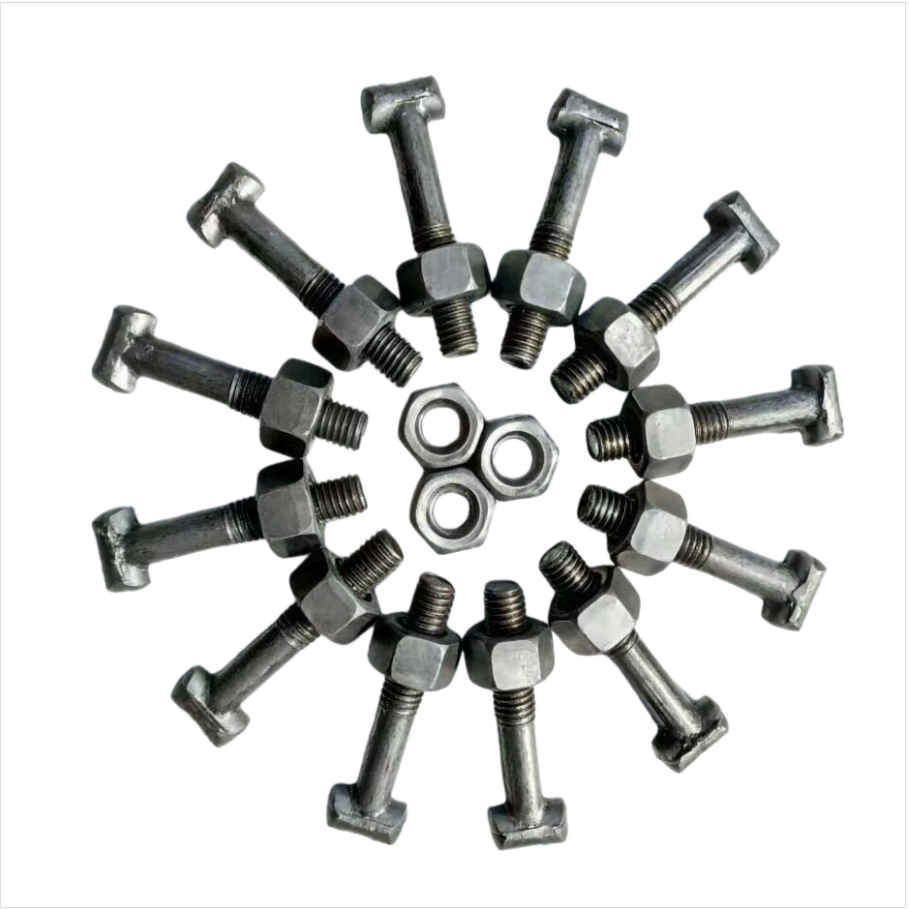
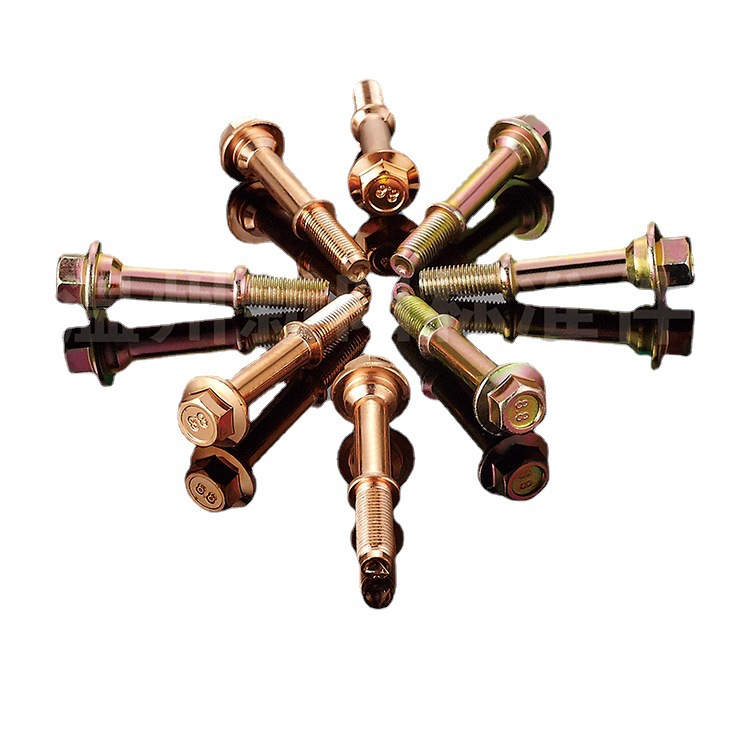
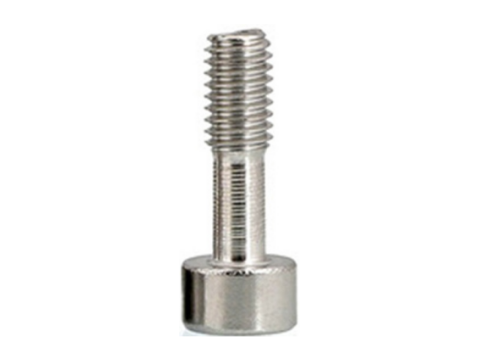
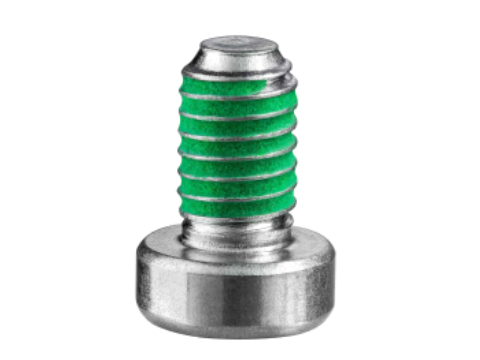
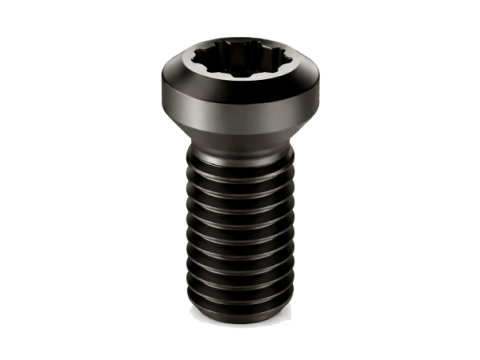
As the most widely used detachable fasteners, including bolts, screws, nuts and washers.
Aerospace Bolts: Aluminum alloy bolts for light-load skin structures; titanium alloy high-strength bolts for heavy-load fuselage frames; superalloy bolts for high-temperature engine peripheral environments resistant to temperatures above 800℃.
Lock Nuts: Anti-loosening structures such as nylon lock nuts, all-metal staked nuts and anti-loosening washers are adopted to resist severe aviation vibration and prevent connection loosening.
2. Rivets
Non-detachable fasteners for large-area connection of fuselage and wing skins. Available in aluminum alloy, titanium alloy and stainless steel grades, including solid rivets, hollow rivets and blind rivets. Blind rivets are widely used for interior and non-load-bearing assemblies due to convenient installation without specialized tools.
3. High-Lock Fasteners
High-end fasteners customized for heavy-load and high-vibration aviation scenarios, including high-lock bolts and nuts. Featuring break-neck grooves and interference thread fit, they ensure precise and consistent preload after tightening. Primarily applied in core load-bearing positions such as wing-fuselage connections and engine brackets.
4. Special Fasteners
Customized products for specialized scenarios: blind rivets for single-sided operation in enclosed structures; high-temperature resistant fasteners for engine nacelles; conductive fasteners for aerospace electronic equipment; sealing fasteners for fuel and hydraulic systems to prevent medium leakage.
IV. Full-Lifecycle Technical Requirements
Aerospace fastener reliability depends on strict full-process control covering materials, machining, heat treatment, surface treatment and inspection.
1. Material Standards
Aviation-grade raw materials with ultra-high purity (impurity content ≤0.005%) are mandatory to avoid stress concentration and fracture risks. Common grades include 2A12/7075 aluminum alloys, TC4/TC11 titanium alloys and Inconel 625/GH4169 superalloys. Each batch is supplied with complete material certification and performance test reports.
2. Precision Machining Requirements
Adopt multi-station precision cold heading, CNC turning and thread rolling processes to maintain continuous metal fiber structure and enhance fatigue resistance. Surface roughness is controlled at Ra ≤ 0.2μm to eliminate surface defects that induce fatigue cracks.
3. Heat Treatment Specifications
Vacuum heat treatment is applied to avoid oxidation and decarburization. Processes such as solution aging for aluminum alloys, annealing for titanium alloys and solution strengthening for superalloys precisely regulate strength and toughness to ensure uniform batch performance.
4. Surface Treatment Specifications
Select targeted treatments based on service conditions: anodizing for aluminum alloy fasteners; passivation for titanium components; silver plating for high-temperature engine parts; Dacromet coating for marine aircraft with salt spray resistance exceeding 1000 hours.
5. Full-Coverage Inspection Standards
Strict inspections cover raw material component analysis, dimensional and surface quality testing during processing, and finished product verification including strength, fatigue and corrosion tests. Nondestructive testing such as ultrasonic, X-ray and magnetic particle inspection is implemented to eliminate internal defects and guarantee full product qualification.
V. Typical Application Scenarios
1. Fuselage Structure
Titanium high-lock bolts and high-strength aluminum rivets for load-bearing frames and stringers; lightweight aluminum blind rivets and bolts for skins to balance weight reduction and structural reliability.
2. Wing Structure
Superalloy high-lock bolts and titanium rivets for heavy-load wing beams and rib connections; aluminum rivets for wing skins to ensure smooth aerodynamic surfaces.
3. Engine Nacelle
Inconel superalloy fasteners with silver plating or high-temperature coatings are adopted for engine brackets and combustion chamber peripheries to resist high temperature, vibration and corrosion.
4. Electronic Equipment and Interior
Lightweight aluminum and insulating plastic fasteners for cockpit electronics and interior components; specialized sealing fasteners for fuel and hydraulic systems to prevent liquid leakage.
VI. Conclusion
Despite their miniature size, aerospace fasteners serve as the fundamental guarantee for aviation equipment safety. Their core value lies in reliable structural connection under extreme conditions through precise material selection, precision machining and rigorous quality control. Industry practitioners must master the four core attributes of high strength, lightweight, high reliability and high precision, and understand full-process technical control logic to achieve scientific model selection and high-quality assembly of aerospace fasteners.


















 Login
Login








 Contact
 WeChat
 粤ICP备2025493240号-1