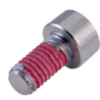
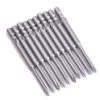
Galvanization is one of the most common surface anti-corrosion processes for bolts, mainly divided into electro-galvanizing and hot-dip galvanizing. Its anti-rust mechanism relies on two core principles: physical isolation and sacrificial anode protection. The zinc coating fully covers the bolt surface to isolate the carbon steel or alloy steel substrate from air and moisture. Meanwhile, zinc features a lower electrode potential than iron, enabling preferential electrochemical corrosion to protect the steel substrate once the coating is damaged. Qualified galvanized bolts deliver reliable anti-corrosion performance under conventional conditions. However, multiple factors in production and service may impair the protective performance of zinc coatings and eventually cause bolt rusting. This article systematically analyzes the fundamental causes from four key dimensions.
I. Inherent Defects of Zinc Coating: Unreliable Anti-Corrosion Foundation
The integrity, uniformity and thickness of galvanized coatings determine anti-rust performance. Coating defects provide penetration channels for corrosive media, triggering and accelerating local rust propagation. Common defects are summarized as follows:
1. Insufficient or Uneven Coating Thickness
Coating thickness is directly correlated with corrosion resistance. Industry standards specify minimum thickness requirements for different service environments: electro-galvanized coatings ≥8μm and hot-dip galvanized coatings ≥55μm. Unstable current in electro-galvanizing, fluctuating zinc liquid temperature in hot-dip galvanizing, and complex bolt structures such as thread roots and blind holes easily lead to local insufficient coating thickness. Such areas fail to form effective physical isolation, allowing corrosive media to penetrate the coating and cause pitting corrosion that further develops into overall rusting.
2. Pinholes, Bubbles and Cracks
Impure plating solution, organic contaminants and incomplete pre-treatment with residual oil and oxide scale result in poor bonding between coating and substrate, forming pinholes and bubbles during electro-galvanizing. For hot-dip galvanizing, substrate porosity, inclusions and excessive aluminum content in zinc liquid cause coating cracks after cooling. These structural defects act as penetration channels for oxygen and moisture, inducing electrochemical corrosion and generating rust spots on bolt surfaces.
3. Unqualified Passivation Treatment
Post-galvanization passivation, including chromate and chromium-free passivation, forms a dense protective film to further improve corrosion resistance. Insufficient passivator concentration, inadequate treatment time and untimely drying lead to incomplete and weakly adhered passivation films that easily peel off. Zinc coatings without effective passivation protection suffer rapid oxidation in humid environments, forming white rust. Without timely treatment, white rust gradually evolves into red rust, which indicates corrosion of the steel substrate.
II. Improper Process Control: Artificial Hidden Risks of Rusting
Many galvanized bolt rusting issues originate from inadequate production process control. Negligences in pre-treatment and post-processing stages severely compromise coating protection performance.
1. Incomplete Substrate Pre-Treatment
Degreasing, pickling and neutralization are essential to remove surface oil, oxide scale and rust and ensure tight coating adhesion. Incomplete degreasing hinders zinc deposition and causes poor coating bonding. Excessive pickling leads to over-corrosion and micro-pits on the substrate surface, which cannot be fully covered by subsequent coatings. Residual acidic substances from incomplete neutralization accelerate internal coating corrosion and advance coating failure.
2. Coating Damage During Post-Processing
Secondary processes such as tapping, cutting and drilling after galvanization easily scratch and wear zinc coatings without effective protection, exposing the steel substrate. Residual metal debris generated during processing forms micro-batteries with the zinc coating, inducing electrochemical corrosion and accelerating local rust propagation.
3. Improper Packaging and Storage
Unfinished drying and airtight packaging trap residual moisture and form humid microenvironments inside packages. Storage conditions with high humidity, poor ventilation, and mixed placement with acidic or alkaline substances accelerate coating corrosion. High-temperature and high-humidity storage significantly promotes white rust formation, which gradually develops into substrate rust during long-term stockpiling.
III. Excessive Service Environments: Accelerated Coating Failure Under Extreme Conditions
Zinc coatings have definite environmental tolerance limits. Even qualified coatings will fail rapidly under beyond-spec service conditions.
1. Strongly Corrosive Media
Zinc coatings show poor tolerance to acid, alkali and salt substances. Chemical environments with acid and alkali mist, marine environments with high salt spray and humidity, and sewage environments containing chloride and sulfide ions rapidly erode galvanized layers. Acidic media chemically dissolve zinc coatings; chloride ions destroy passivation films and cause pitting; alkaline media accelerate zinc oxidation. Complete coating erosion directly exposes the substrate and triggers severe rusting.
2. High Temperature and Alternating Dry-Wet Conditions
Zinc coatings suffer oxidative failure at temperatures above 120℃, forming loose oxide structures without protective effects. Alternating dry and wet conditions such as outdoor rain and sunshine, and indoor condensation caused by temperature differences lead to repeated moisture adhesion and continuous electrochemical corrosion. Structural dead zones including thread meshing areas and bolt head fitting surfaces easily accumulate moisture and become high-risk rusting areas.
3. Closed and Poorly Ventilated Environments
Enclosed spaces such as equipment interiors and wall interlayers feature poor air circulation and persistent humidity. Accumulated corrosive gases including carbon dioxide and formaldehyde combine with moisture to form weak acidic media, gradually erode zinc coatings and cause slow bolt rusting.
IV. Damage During Installation and Service: Acquired Failure of Protective Systems
Even with qualified production and matched service environments, non-standard installation and long-term service damage will directly destroy zinc coatings and induce rusting.
1. Mechanical Damage During Installation
Mismatched tools, rough sleeve inner walls, inclined tightening and abrasive particle contamination scratch and extrude zinc coatings during assembly. Local coating damage exposes the steel substrate and forms initial corrosion points that gradually expand into obvious rust areas.
2. Electrochemical Coupling Corrosion
Direct contact between galvanized bolts and high-potential metals such as stainless steel and copper alloys forms electrochemical batteries in humid environments. The zinc coating acts as a sacrificial anode and is consumed rapidly. Once the zinc layer is completely depleted, the steel substrate begins to corrode. In addition, gaps between bolts and connected components cause crevice corrosion and accelerate local coating failure.
3. Long-Term Vibration and Load Fatigue
Bolts under continuous vibration and alternating loads in engineering machinery and automotive chassis suffer coating fatigue cracks and peeling. Stress concentration at thread roots and head transition arcs induces coating damage. Corrosive media invade damaged positions, causing stress corrosion and rusting, and even leading to bolt fracture in severe cases.
Conclusion
The essence of galvanized bolt rusting is protective coating failure and subsequent substrate electrochemical corrosion, mainly caused by four factors: coating defects, process irregularities, excessive service environments and acquired mechanical damage. Rust troubleshooting shall follow the logic of inspecting coating status, tracing production processes, and verifying service and installation conditions. To prevent rusting comprehensively, manufacturers and users must control coating thickness and integrity, standardize pre-treatment and post-processing procedures, match bolts with applicable service environments, and regulate installation operations, so as to fully maintain the protective performance of galvanized coatings and ensure long-term stable service of bolts.
















 Login
Login








 Contact
 WeChat
 粤ICP备2025493240号-1