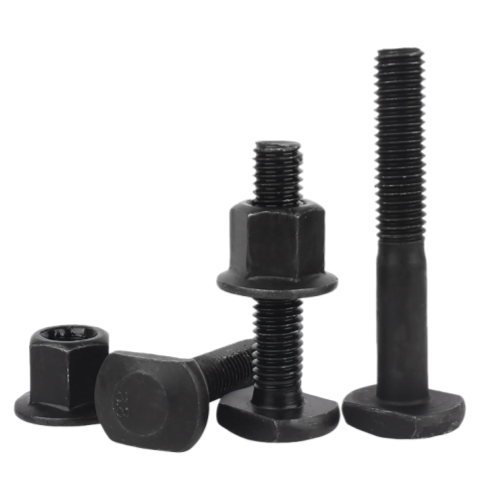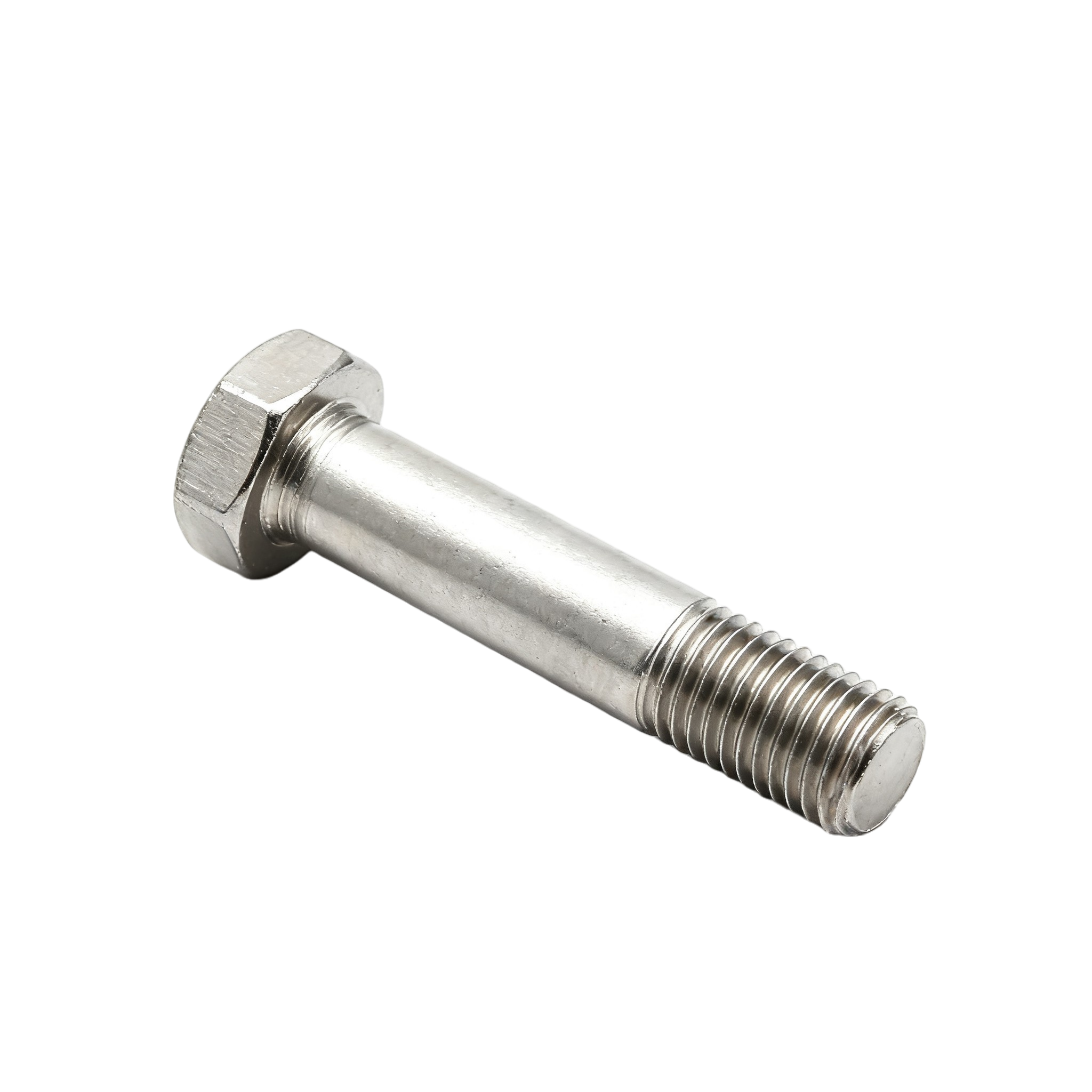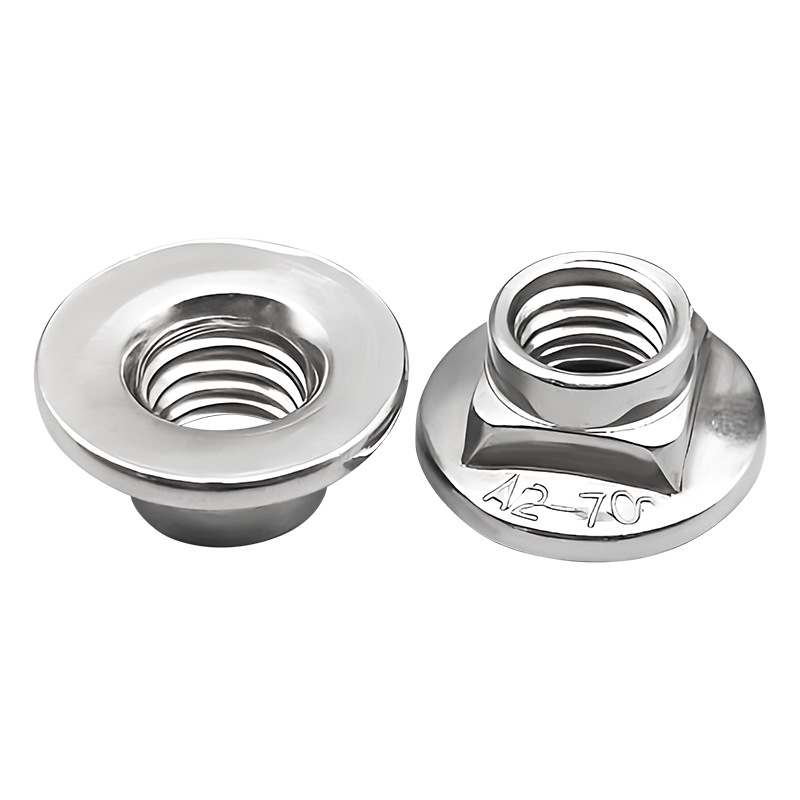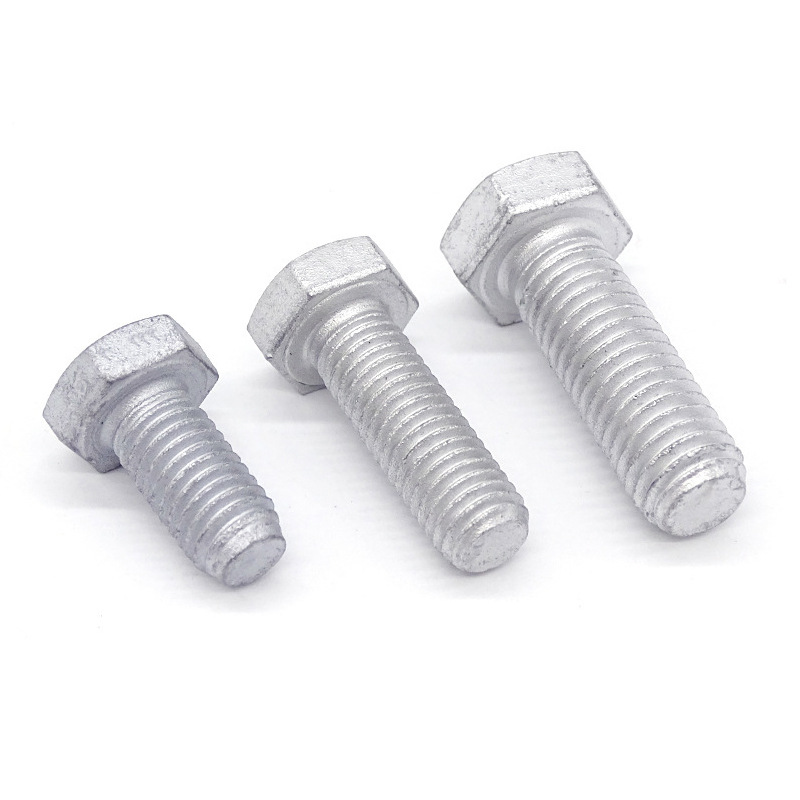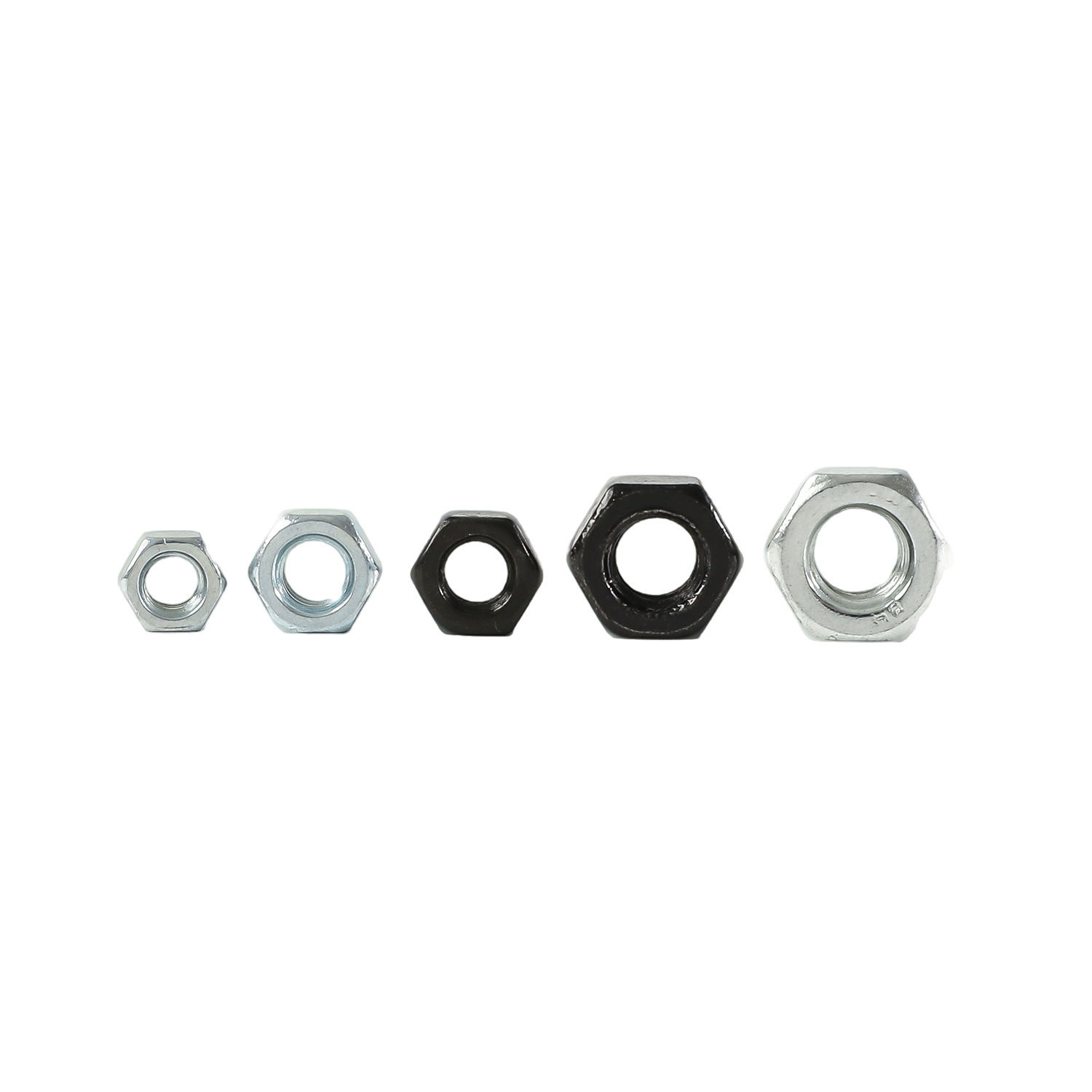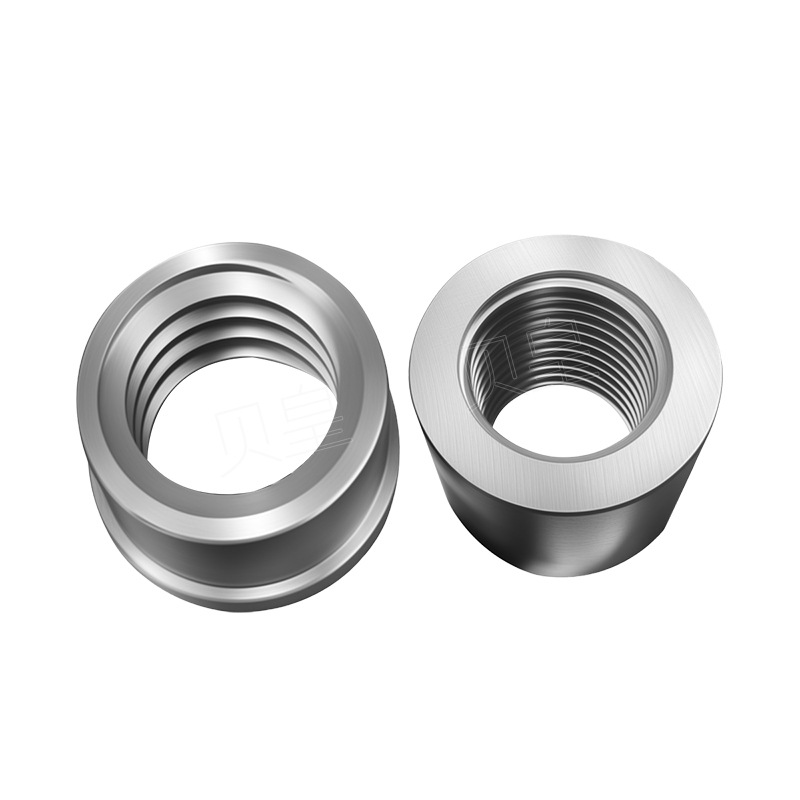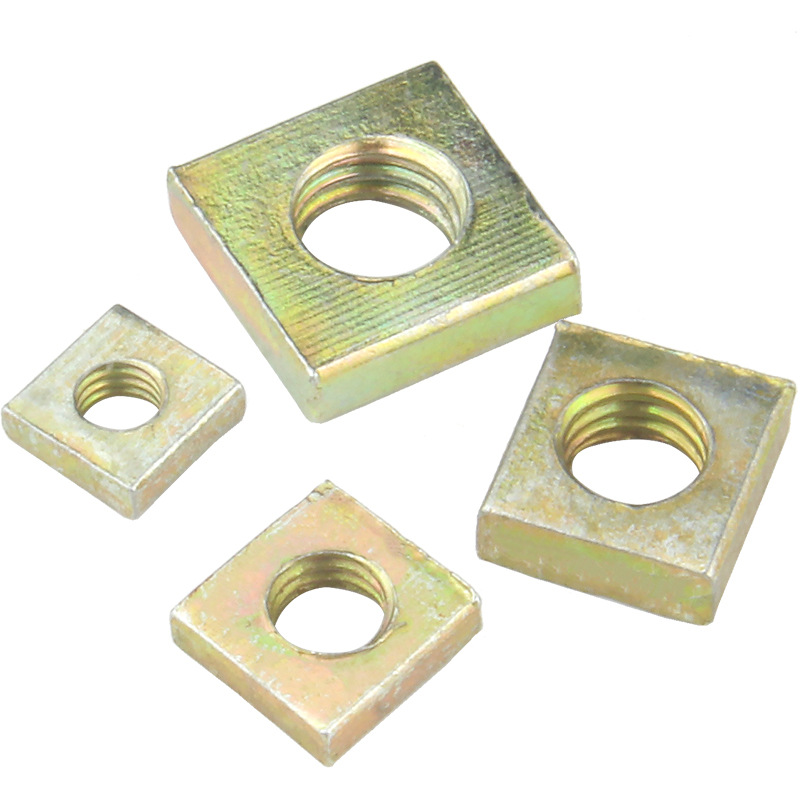
Fasteners are essential components in manufacturing, widely used in automotive, aerospace, electronics, construction, and renewable energy sectors. Fastener Heat Treatment:The Foundation of Quality is a common question engineers and procurement specialists encounter. This article provides a systematic answer covering technical principles, selection methods, and practical guidelines.
From a technical perspective, this topic involves materials science, tribology, and surface engineering. Understanding the underlying principles helps engineers select appropriate fastener specifications, strength grades, and surface treatments during the design phase, preventing assembly failures and safety hazards.
In practical applications, evaluate working conditions including load type, ambient temperature, corrosive media, assembly space, and maintenance requirements. For critical joints, verify mechanical performance per ISO 898-1 standards and recheck torque after assembly.
Toprecision provides comprehensive solutions from standard parts to custom-engineered fasteners, covering high-strength bolts, micro screws, wire thread inserts, and self-clinching fasteners for EV, robotics, and AI server applications. Contact our engineering team for support.
I. Core Value of Heat Treatment: Empowering Fasteners with Strength and Toughness
Fastener raw materials only acquire basic physical shapes after cold heading and thread machining. As an irreplaceable core process, heat treatment regulates internal metallographic structures through precise heating, holding and cooling cycles to endow fasteners with qualified mechanical properties.
In terms of performance improvement, heat treatment achieves an optimal balance between strength and toughness. For high-strength bolts (Grade 8.8 and above), quenching and tempering refines material grains, raises tensile strength above 800MPa and maintains sufficient toughness to prevent brittle fracture under impact loads. For stainless steel fasteners, solution treatment eliminates machining stress, improves corrosion resistance and plasticity, and ensures stable service in humid and corrosive environments. In terms of service life, standardized heat treatment greatly enhances fatigue strength and reduces failure risks under long-term vibration and alternating loads. For example, heat-treated fasteners for wind turbine towers achieve 3–5 times longer fatigue life, guaranteeing long-term and stable operation of equipment.
In contrast, fasteners without qualified heat treatment suffer severe performance degradation. A construction machinery enterprise once encountered sudden bolt breakage during operation due to unqualified heat treatment, resulting in huge economic losses. This case proves that heat treatment is not an optional procedure, but the lifeline of fastener quality.
II. Common Industry Misconceptions: Barriers to Quality Improvement
Despite its critical importance, prevalent misconceptions about heat treatment restrict the upgrading of fastener quality.
Misconception 1: Low-cost raw materials plus simple heat treatment can meet standards.
Some manufacturers adopt inferior raw materials with high impurity content to cut costs, attempting to compensate for performance defects through simple heat treatment. However, inherent defects such as inclusions and pores in low-grade materials form stress concentration points after heat treatment, triggering cracks rather than improving performance. In fact, qualified products rely on a combination of premium raw materials and standardized heat treatment.
Misconception 2: Heat treatment is merely heating and cooling without precise control.
This mindset leads to simplified and non-standard processes without accurate control of temperature, holding time and cooling rate. For quenching, excessive temperature causes coarse grains and reduced toughness, while insufficient cooling fails to form qualified microstructure and strength. Professional heat treatment requires customized parameters based on material types (carbon steel, alloy steel, stainless steel) and performance requirements. For 42CrMo alloy steel, the standard tempering process includes quenching at 850–870℃ for 1–2 hours with oil cooling, followed by high-temperature tempering at 550–600℃.
Misconception 3: Prioritize high strength while ignoring toughness balance.
Blind pursuit of high hardness and strength by raising quenching temperature or shortening tempering time results in insufficient toughness and brittle fracture under impact and vibration. Different application scenarios require matched performance indicators. Chassis fasteners for automobiles demand balanced strength and impact resistance, while wind power fasteners require coordinated strength and fatigue toughness, which rely on targeted heat treatment regulation.
Misconception 4: Finished products can be delivered without post-heat-treatment inspection.
Performance fluctuations after heat treatment cannot be identified visually. Omitting inspection leads to unqualified products entering the market. Standardized procedures cover hardness testing, metallographic analysis and tensile testing to ensure batch qualification.
III. Standard Heat Treatment Procedures: Full-Cycle Precision Quality Control
High-quality heat treatment relies on strict full-process control, including raw material preprocessing, core process execution, post-treatment and quality inspection.
1. Raw Material Preprocessing
Annealing is implemented before formal heat treatment to eliminate internal stress generated by cold working, reduce hardness and prepare materials for subsequent processing. Meanwhile, surface oil stains and oxide scales are thoroughly cleaned to avoid adverse effects on heat treatment results.
2. Precise Execution of Core Processes
Adopt targeted processes according to material characteristics and performance requirements. Carbon steel fasteners (e.g., 45# steel) apply quenching and tempering to enhance strength and toughness; stainless steel fasteners (e.g., 304) adopt solution treatment to improve corrosion resistance; high-temperature service fasteners (e.g., Inconel 625) adopt solution strengthening to ensure high-temperature stability. Professional equipment such as controlled atmosphere furnaces is used to prevent oxidation and decarburization, and dedicated quenching oil ensures uniform cooling speed.
3. Post-Treatment Optimization
Post-treatment includes tempering, straightening and surface cleaning. Secondary tempering further relieves residual stress and stabilizes mechanical properties. Precision straightening corrects post-heat-treatment deformation to guarantee dimensional accuracy. Surface oxide scales and impurities are removed to facilitate subsequent surface finishing.
4. Full-Range Quality Inspection
Surface hardness is tested with a hardness tester to meet grade requirements. Metallographic microscopes are used to check for coarse grains, cracks and other defects. Sampling tensile and fatigue tests verify tensile strength and service life. Unqualified batches are strictly prohibited from delivery.
IV. Scenario-Based Heat Treatment Adaptation: Improved Service Reliability
Diverse operating conditions require customized heat treatment parameters to maximize service reliability.
Industrial Machinery: Fasteners for machine tools and construction machinery bear heavy loads and continuous vibration. Quenching and tempering is adopted to balance strength and toughness, with hardness controlled at HRC 28–32.
New Energy Vehicles: Lightweight aluminum alloy and titanium alloy fasteners are widely used. Aluminum alloy adopts solution and aging treatment to improve strength and corrosion resistance; titanium alloy undergoes aging treatment to refine grains, satisfying lightweight and high-strength requirements.
Aerospace Industry: Fasteners serving in extreme environments adopt vacuum heat treatment to avoid oxidation and decarburization. Precise process regulation achieves a perfect balance of high strength, high toughness and superior corrosion resistance. Double aging treatment significantly improves the fatigue strength of titanium alloy fasteners.
Marine Environments: Stainless steel fasteners adopt combined solution treatment and passivation to enhance salt spray corrosion resistance, mitigate intergranular corrosion risks and ensure long-term stable operation in high-humidity and high-salinity marine conditions.
Conclusion
Heat treatment plays an increasingly vital role in the high-quality development of the fastener industry. Neglecting heat treatment means ignoring product quality and market reputation; prioritizing heat treatment is the key to enhancing core competitiveness. Fastener manufacturers should abandon outdated misconceptions, establish standardized heat treatment systems, and control quality throughout raw material selection, process execution and finished product inspection. Practitioners shall actively upgrade professional expertise to drive overall industrial quality improvement. Only in this way can high-end qualified fasteners be manufactured to support the high-quality development of China’s manufacturing industry.


 135-6073-0094