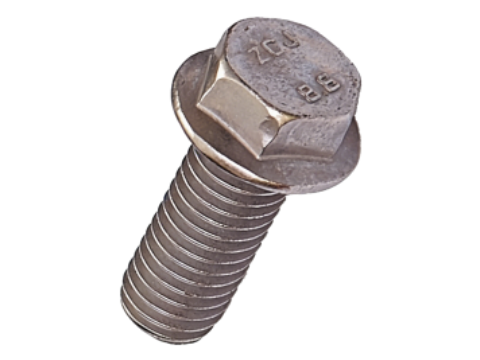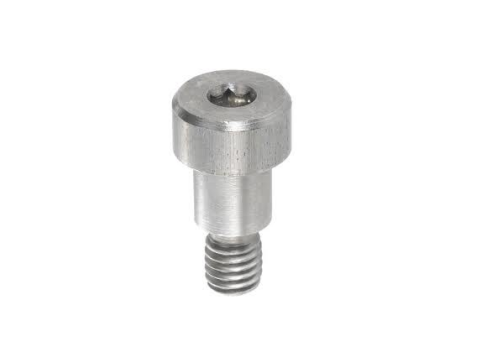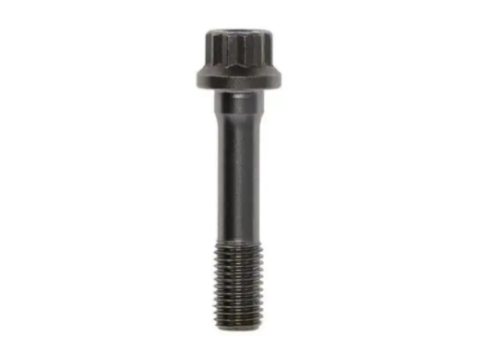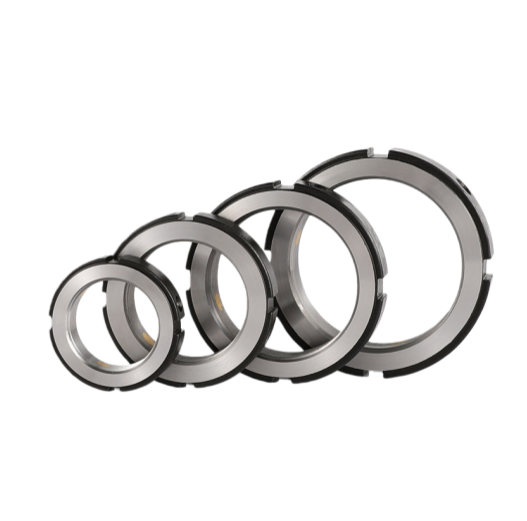
Fasteners are essential components in manufacturing, widely used in automotive, aerospace, electronics, construction, and renewable energy sectors. Does Stainless Steel Rust?A Guide to Common Surface Finishes is a common question engineers and procurement specialists encounter. This article provides a systematic answer covering technical principles, selection methods, and practical guidelines.
From a technical perspective, this topic involves materials science, tribology, and surface engineering. Understanding the underlying principles helps engineers select appropriate fastener specifications, strength grades, and surface treatments during the design phase, preventing assembly failures and safety hazards.
In practical applications, evaluate working conditions including load type, ambient temperature, corrosive media, assembly space, and maintenance requirements. For critical joints, verify mechanical performance per ISO 898-1 standards and recheck torque after assembly.
Toprecision provides comprehensive solutions from standard parts to custom-engineered fasteners, covering high-strength bolts, micro screws, wire thread inserts, and self-clinching fasteners for EV, robotics, and AI server applications. Contact our engineering team for support.
-
Environmental Factors: In highly corrosive environments, the passivation film can be directly eroded. For instance, in marine environments (high salt spray, high chloride ions) or chemical settings (acid mist, alkaline liquids), chloride ions and acidic substances react with chromium oxide, dissolving the passivation film. Prolonged exposure to high-temperature, high-humidity, or poorly ventilated enclosed spaces can also slowly damage the film due to moisture accumulation, leading to pitting corrosion.
-
Processing and Usage Damage: During manufacturing, processes like stamping, bending, and welding can cause surface scratches or high-temperature oxidation, damaging the local passivation film. During use, friction, impact, or contact with other hard objects can create scratches, leaving "breach points" in the film. These damaged spots cannot quickly reform a complete passivation film, becoming starting points for corrosion.
-
Material and Process Defects: If the chromium and nickel content in the stainless steel does not meet standards (e.g., inferior 201 stainless steel), the formed passivation film itself will not be dense. If residual oil or oxide scale is not thoroughly cleaned during processing, it will affect the quality of the passivation film, leading to weak local protection and subsequent rusting.
Understanding these causes makes it clear: the core logic of part surface finishing is to artificially construct a more stable and robust protective layer on the part's surface to compensate for the inherent protective limitations of the base material.
II. Common Part Surface Finishing Processes: Principles, Scenarios, and Advantages
Depending on the part material (stainless steel, carbon steel, aluminum alloy, etc.), operating environment (general industrial, marine, high-temperature, corrosive conditions), and performance requirements (rust prevention, wear resistance, aesthetics), various mature surface finishing processes are available. Below is a comprehensive analysis of the six most common processes:
1. Passivation Treatment: "Basic Protective Reinforcement" for Stainless Steel
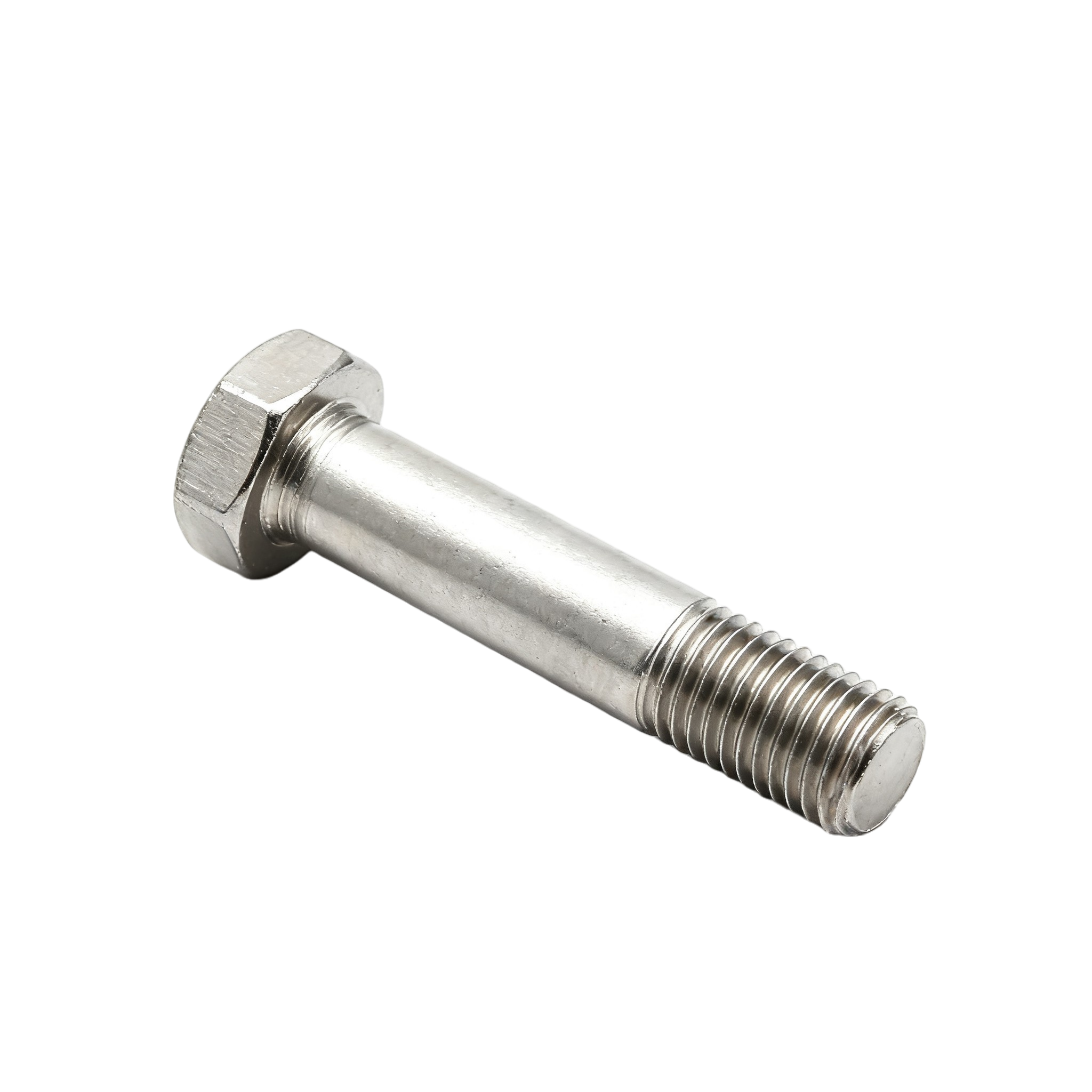
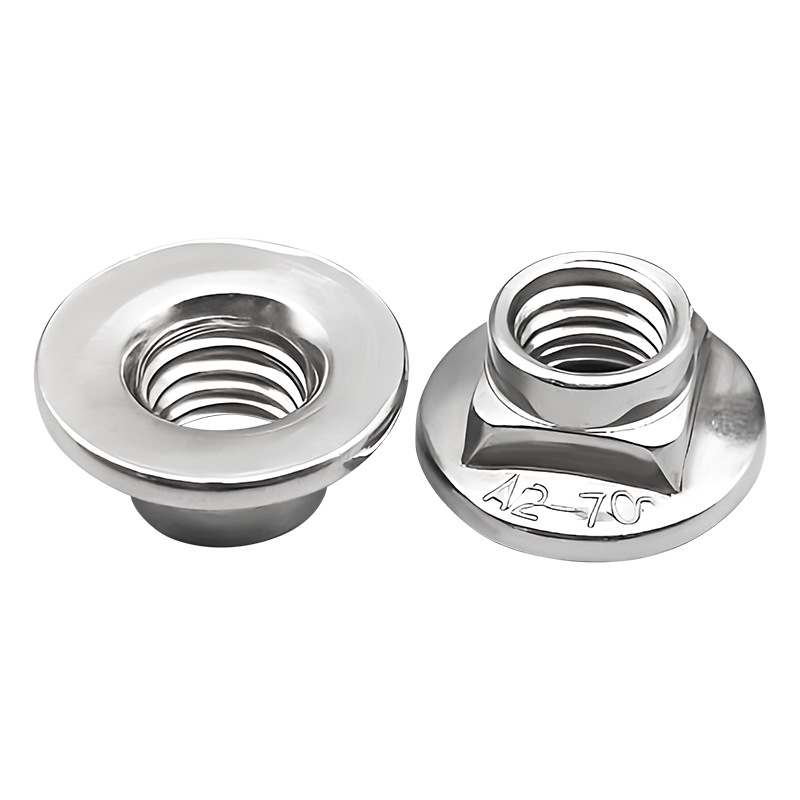
This is the most fundamental and core surface finishing process for stainless steel parts. Its primary purpose is to reinforce and repair the surface chromium oxide passivation film. The principle involves immersing the stainless steel parts in a specific passivation solution (such as chromate or chromium-free passivation solutions) to chemically generate a thicker and denser passivation film on the surface, simultaneously filling tiny defects in the original film.
-
Applicable Scenarios: Basic protection for almost all stainless steel parts, especially suitable for parts with low aesthetic requirements used in general industrial or mildly humid environments, such as stainless steel fasteners, brackets, and housings.
-
Advantages: Simple process, low cost, and does not affect the dimensional accuracy of the part; chromium-free passivation is more environmentally friendly and complies with current environmental policies; significantly improves the corrosion resistance of stainless steel, delaying the onset of pitting and rusting.
2. Electroplating Process: Balancing Multifunctional Protection and Decoration
Electroplating is a process that uses electrolysis to deposit a thin metal layer (such as zinc, nickel, chrome, silver, etc.) onto the part's surface. Different plating layers serve different functions: zinc plating mainly enhances corrosion resistance, nickel plating offers both rust prevention and aesthetics, chrome plating focuses on improving wear resistance, and silver plating is suitable for scenarios requiring electrical and thermal conductivity.
-
Applicable Scenarios: Widely applicable to various materials (stainless steel, carbon steel, aluminum alloy, etc.) and can be selected based on needs. For example, automotive parts and electronic components often use zinc plating; decorative parts (like furniture hardware, bathroom accessories) commonly use nickel or chrome plating; parts in high-temperature conditions (e.g., around engines) often use silver plating.
-
Advantages: Uniform plating layer with strong adhesion; allows selection of different plating layers to achieve multiple functions like rust prevention, wear resistance, decoration, and conductivity; controllable plating thickness can adapt to different protection level requirements.
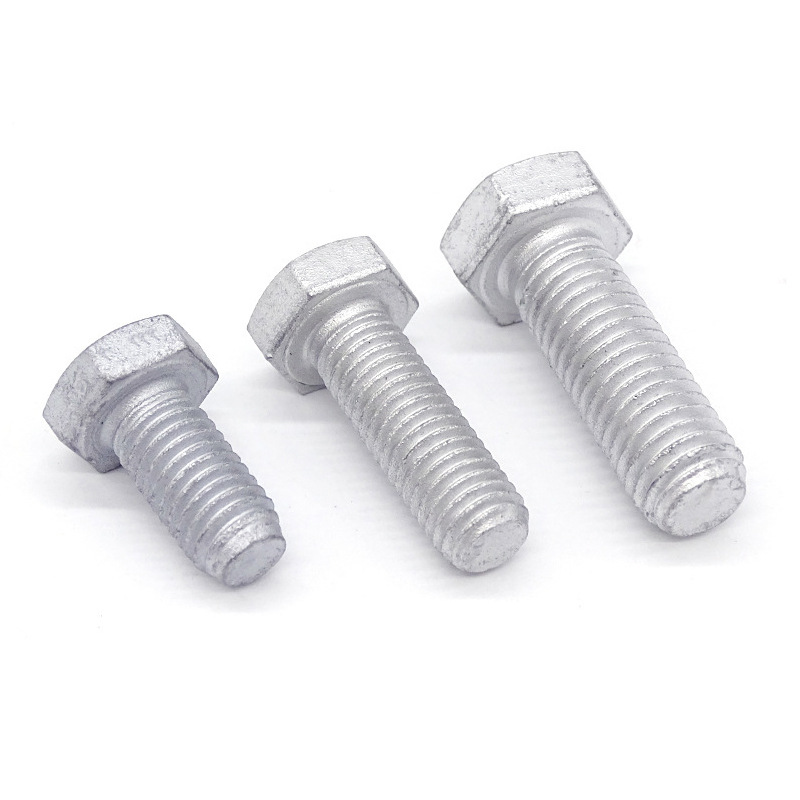
3. Dacromet Treatment: The "Rust Prevention Expert" for Extreme Environments
Dacromet (also known as zinc-chromium coating) is a chemical conversion coating process primarily composed of zinc powder and chromates. It forms a zinc-chromium composite protective layer on the part's surface through coating and baking. Its core protection logic combines "sacrificial anode protection" (zinc corrodes preferentially) with "physical isolation" (the coating blocks corrosive media).
-
Applicable Scenarios: Extremely suitable for harsh corrosive environments, such as marine, salt spray, high-temperature, and high-humidity conditions. Commonly found in wind power components, marine parts, automotive chassis fasteners, and bridge connectors.
-
Advantages: Exceptionally strong corrosion resistance, with salt spray resistance exceeding 1000 hours, far surpassing ordinary zinc plating; the coating is heat-resistant (can withstand temperatures up to 300°C) and maintains protective performance under high heat; no risk of hydrogen embrittlement, making it suitable for high-strength fasteners; minimal impact on part dimensions, suitable for precision parts.
4. Coating/Spraying Process: Thick-Film Protection and Personalized Decoration
Coating involves evenly applying paints (such as powder coatings or liquid coatings) onto the part's surface via a spray gun, which then forms a protective film after baking and curing. Common types include powder coating and electrophoretic coating. Powder coatings are further divided into types like epoxy resin and polyester to suit different needs.
-
Applicable Scenarios: Suitable for parts requiring thick-film protection or personalized aesthetics, such as appliance housings, architectural hardware, construction machinery components, and automotive body parts. Epoxy resin powder coating is ideal for high-corrosion-resistance scenarios, while polyester powder coating suits highly decorative needs.
-
Advantages: Thick coating (can reach tens of micrometers) provides excellent protection; a wide range of color options allows for personalized decoration; the process is environmentally friendly, especially powder coating, which has high material utilization and low pollutant emissions; strong adaptability to part shapes, allowing even complex structures to be coated uniformly.
5. Anodizing: The "Exclusive Protective Process" for Aluminum Alloys
Anodizing is primarily used for aluminum alloy parts. Through electrolysis, it forms a controllable, hard oxide film (aluminum oxide film) on the surface. This film not only improves corrosion resistance but can also be dyed to achieve various colors, balancing protection and decoration.
-
Applicable Scenarios: The mainstream surface treatment for aluminum alloy parts, such as aerospace components, automotive parts, electronic device housings, door and window hardware, and sports equipment.
-
Advantages: The oxide film bonds tightly with the substrate, offering excellent wear and corrosion resistance; performance and appearance can be optimized through subsequent treatments like dyeing and sealing; the process is mature and cost-controllable; it increases the surface hardness of aluminum alloy parts, preventing easy scratching.
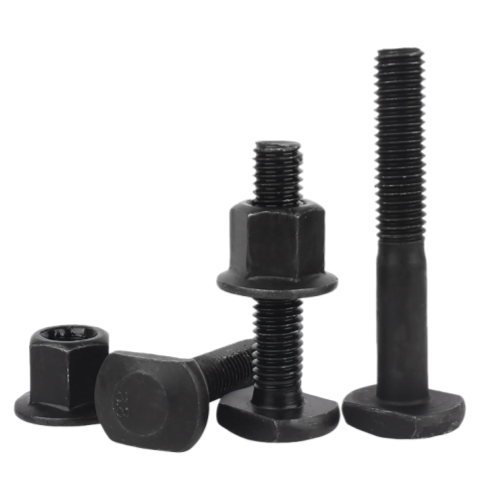
6. Black Oxide Treatment: A Low-Cost Basic Rust Prevention Option
Black oxide treatment (also known as bluing) involves placing steel parts in a high-temperature alkaline solution to form a black ferrous oxide protective film on the surface through an oxidation reaction. This film offers relatively weak protection and is mainly used for basic rust prevention and aesthetics.
-
Applicable Scenarios: Suitable for steel parts in dry environments with low rust prevention requirements, such as ordinary fasteners, tools, and non-load-bearing internal mechanical parts.
-
Advantages: Simple process, extremely low cost, and high processing efficiency; minimal impact on part dimensions, suitable for small precision parts; the black appearance absorbs light, making it suitable for parts that need to avoid light reflection.
III. Core Points for Process Selection: Matching Needs is Key
When choosing a surface finishing process for parts, there is no need to blindly pursue "high-end processes." The key is to match the material, environment, and performance requirements:
-
Select by Material: Prioritize passivation or Dacromet for stainless steel; anodizing for aluminum alloys; and zinc plating, Dacromet, or coating for carbon steel depending on protection needs.
-
Select by Environment: Choose black oxide or basic passivation for ordinary dry environments; zinc plating or anodizing for humid environments; prioritize Dacromet or thick-film coating for marine, salt spray, or corrosive environments; and choose silver plating or high-temperature coating for high-temperature environments.
-
Select by Functional Needs: Choose Dacromet or zinc plating for rust prevention; chrome plating or coating for wear resistance; nickel plating, chrome plating, or colored anodizing for aesthetics; and silver or gold plating for electrical and thermal conductivity.
Conclusion: "Stainless steel never rusts" is a typical misconception. Its rust resistance depends on the integrity of the surface passivation film, and part surface finishing processes are the key means to reinforce this protective system. From basic passivation and black oxide to high-performance Dacromet and coating, different processes have their own applicable scenarios. Mastering the core logic and selection points of these processes allows you to choose the most suitable protection方案 for your parts, effectively extending their service life and reducing maintenance costs. Whether in industrial production or daily applications, correctly understanding the essence of part rust prevention helps avoid cognitive pitfalls and ensures parts perform at their best.


 135-6073-0094