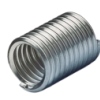
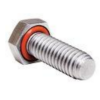
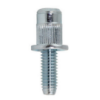
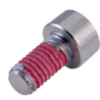
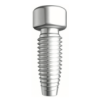
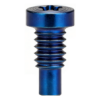
In electronic devices such as smartphones, laptops, wearable devices and industrial control modules, micro fasteners (nominal diameter ≤ 3mm) serve as core components for fixing electronic elements, connecting housings and securing internal circuits. Characterized by miniature dimensions, these fasteners adapt to highly compact internal structures of electronic equipment and withstand operating conditions including vibration and temperature fluctuation, while preventing electromagnetic interference and physical damage to sensitive electronic components. Therefore, precise selection and standardized assembly processes directly determine the assembly efficiency, operational reliability and service life of electronic products. This article systematically summarizes the key selection guidelines and core assembly process requirements for micro fasteners in electronic equipment.
I. Key Selection Guidelines for Micro Fasteners: Accurate Matching with Electronic Equipment Characteristics
The selection of micro fasteners for electronic equipment exceeds basic dimensional matching. Multi-dimensional factors including material compatibility, performance adaptability and spatial rationality must be comprehensively considered to avoid assembly failures and equipment malfunction caused by improper selection.
1. Material Selection: Balancing Lightweight Design, Conductivity and Environmental Adaptability
Electronic equipment imposes strict requirements on lightweight design and electromagnetic compatibility. Material selection must avoid electromagnetic interference and redundant weight while adapting to internal temperature and humidity environments. Mainstream materials and their applicable scenarios are listed as follows:
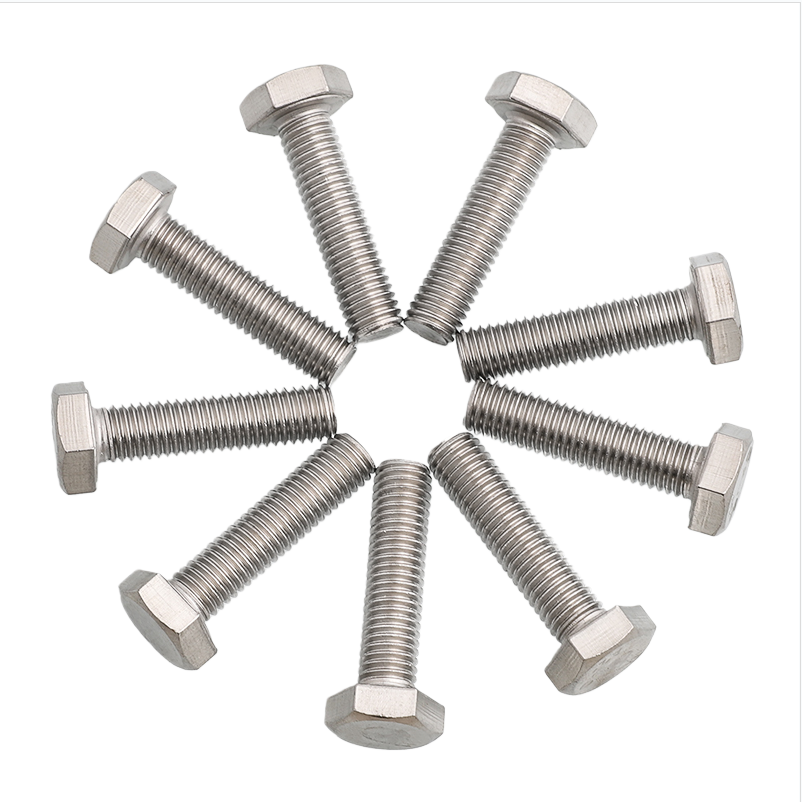
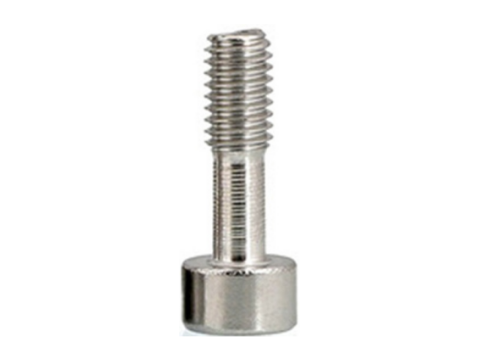
Stainless Steel (304, 316L): Featuring excellent corrosion resistance, mechanical strength and non-magnetic properties, stainless steel avoids electromagnetic interference with electronic components and serves as the preferred universal material for conventional scenarios such as mobile phone housing and computer motherboard fixation. 316L stainless steel delivers superior corrosion resistance and is suitable for outdoor electronic equipment including intelligent monitoring devices.
Titanium Alloy: With high specific strength, lightweight characteristics and better corrosion resistance than stainless steel, titanium alloy is applied to weight-sensitive high-end electronic products such as smart wearables and core drone components. However, its high cost limits large-scale commercial application.
Engineering Plastic (PA, PEEK): Plastic materials provide excellent insulation performance to eliminate short-circuit risks and ultra-light weight, ideal for insulating fastening around electronic components, such as circuit board jumper fixation and battery module insulated connection. High-temperature resistant plastics such as PEEK are recommended; ordinary plastic fasteners are prohibited near heat dissipation modules.
Aluminum Alloy: Aluminum alloy offers prominent lightweight advantages and high thermal conductivity, suitable for fixing heat dissipation modules of laptops to assist heat conduction. Due to relatively weak corrosion resistance, anodizing treatment is required before practical application.
2. Specification Selection: Matching Compact Space and Load Requirements
Given the narrow internal space of electronic equipment, specification selection must precisely match assembly gaps and load demands with focus on the following parameters:
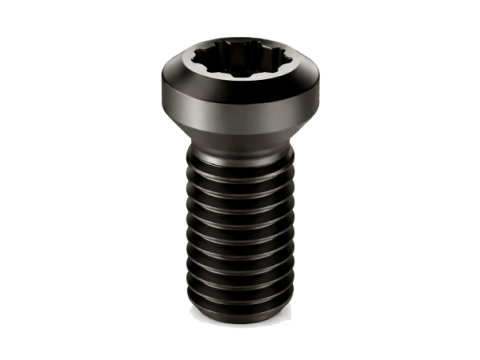
Dimensional Parameters: Micro specifications ranging from M1 to M3 are prioritized. Fastener length must strictly fit assembly thickness to avoid component collision caused by excessive length or insecure fastening caused by insufficient length. Low-profile and countersunk head types such as countersunk cross screws and ultra-thin hex socket screws are preferred to reduce space occupation; flat head screws are adopted for ultra-compact installation scenarios.
Thread Types: Fine threads (e.g., M2×0.4) provide larger meshing area and superior vibration resistance, applicable to core fastening positions of precision electronic equipment. Self-tapping threads (e.g., ST1.4×2.0) eliminate pre-tapping procedures and can be directly driven into plastic or thin metal substrates, simplifying assembly for housing and plastic bracket fixation.
Precision Grade: Micro fasteners for electronic equipment require high precision grades such as 4H/4h specified in GB/T 197 to ensure smooth thread engagement and avoid assembly jamming or excessive fastening gaps caused by low precision.
3. Performance Selection: Matching Working Conditions and Functional Demands
Fasteners with targeted performance shall be selected according to actual service conditions:
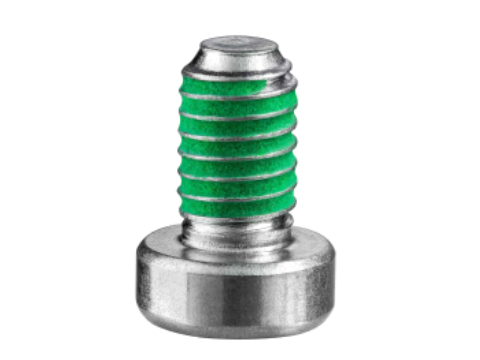
Vibration and Loosening Resistance: Mobile devices such as smartphones and drones continuously endure vibration. Fasteners with anti-loosening structures, including washer-integrated screws and pre-applied thread-locking screws, are adopted to prevent vibration-induced loosening.
High-Temperature Resistance: Fasteners installed near chips and heat dissipation modules require high-temperature resistant materials and structures to avoid thermal softening and deformation. Stainless steel or titanium alloy matched with high-temperature resistant thread-locking adhesive is recommended.
Insulation Protection: Fasteners around circuit boards and battery terminals adopt insulating plastic materials or surface insulation treatments such as galvanizing passivation and anodizing to prevent short-circuit risks.
4. Standardization and Compatibility Selection
Fasteners complying with ISO and GB/T industry standards are prioritized to ensure universality, interchangeability, convenient batch procurement and subsequent maintenance. Meanwhile, specifications must match standard micro assembly tools such as micro cross screwdrivers and hex keys to avoid tool mismatching.
II. Micro Fastener Assembly Process: Precision Control and Refined Operation
The core principles of micro fastener assembly for electronic equipment are precise positioning, gentle operation and accurate torque control, preventing fastener damage, component scratching and precision deviation. The standardized workflow follows pretreatment, positioning, fastening and final inspection.
1. Pre-Assembly Pretreatment
Surface Cleaning: Wipe fasteners and assembly holes with anhydrous ethanol to remove oil stains and dust, ensuring accurate thread engagement and stable heat conduction of circuit boards. Burrs on plastic fasteners shall be gently polished with fine sandpaper to prevent component scratching during installation.
Tool Calibration and Preparation: Adopt high-precision micro tools including torque-adjustable electric screwdrivers and non-slip micro bits. Tools must be pre-calibrated with a torque error within ±5%. Auxiliary positioning equipment such as microscopes and positioning jigs is applied to improve assembly accuracy.
Quality Inspection: Verify fastener specifications and materials in accordance with design requirements and eliminate defective products with deformation or thread damage. Check the dimension and verticality of assembly holes to avoid assembly obstruction.
2. Core Assembly Operation: Precision Positioning and Torque Control
Accurate Positioning: Align fasteners with assembly holes via microscopes or positioning jigs to ensure coaxiality and prevent thread slipping and hole damage caused by inclined insertion. Countersunk screws must be fully fitted with mounting surfaces without inclination or protrusion.
Gradual Fastening: Set optimized torque values according to fastener material and specification. The typical torque range for micro fasteners is 0.1–1.5N·m (e.g., 0.3–0.5N·m for M2 stainless steel screws). Adopt a progressive tightening method: perform gentle pre-tightening first, confirm correct positioning, then gradually increase torque to the standard value to avoid thread damage and circuit board deformation caused by excessive instantaneous force.
Special Scenario Operation: Control feeding speed when installing self-tapping screws on plastic substrates to prevent plastic melting and cracking. Install micro insulating washers between screw heads and circuit boards to avoid scratching and short circuits. Verify the effectiveness of anti-loosening structures such as uniform thread coverage of pre-applied locking adhesive after assembly.
3. Post-Assembly Inspection and Treatment
Visual Inspection: Observe assembly status via microscope to confirm tight fitting, no inclination and no damage to fasteners, and check electronic components for scratch or extrusion deformation.
Performance Testing: Conduct torque sampling inspection with torque testers to meet standard requirements. Perform vibration tests within 10–2000Hz frequency range for mobile devices to verify anti-loosening stability. Test insulation performance with a multimeter for insulated positions to eliminate short-circuit risks.
Post-Processing: Clean residual debris with anti-static brushes to avoid internal short circuits and mechanical jamming. Spray anti-rust agent on exposed metal fasteners as required to enhance corrosion resistance.
III. Critical Notes for Assembly Process
1. Anti-Static Protection: Electronic components are highly sensitive to static electricity. Operators must wear anti-static clothing and gloves and use anti-static workbenches and tools. Static electricity on metal fasteners must be fully released before assembly to prevent electrostatic breakdown of precision components.
2. Prevention of Over-Tightening: Micro fasteners have limited thread and head strength. Excessive torque easily causes thread slipping, head fracture, or deformation of circuit boards and plastic brackets. Stop operation immediately if abnormal resistance occurs to check positioning deviation and fastener defects.
3. Consistency Control for Batch Production: Adopt automatic micro screw locking equipment for mass production to ensure assembly consistency. Regularly calibrate equipment torque and positioning accuracy, and conduct 10%–15% sampling inspection per batch to stabilize manufacturing quality.
4. Environmental Control: The assembly workshop must be kept clean and dry with temperature controlled at 20±5℃ and humidity maintained at 50%–60% to prevent dust and moisture from affecting assembly precision and fastener durability.
Conclusion
The selection and assembly of micro fasteners represent a key indicator of precision manufacturing level for electronic equipment. Fastener selection must accurately match material, specification and performance requirements to adapt to the compact and sensitive characteristics of electronic products. Assembly operations must adhere to refined processing and precise torque control with strict standardized procedures and full-process quality supervision. As electronic equipment develops toward miniaturization, high precision and high reliability, higher standards are imposed on micro fastener selection and assembly technology. Continuous optimization of selection logic and upgrading of assembly processes enable solid reliability guarantee for electronic equipment operation and promote high-quality development of high-end electronic manufacturing industries.





















 Login
Login








 Contact
 WeChat
 粤ICP备2025493240号-1