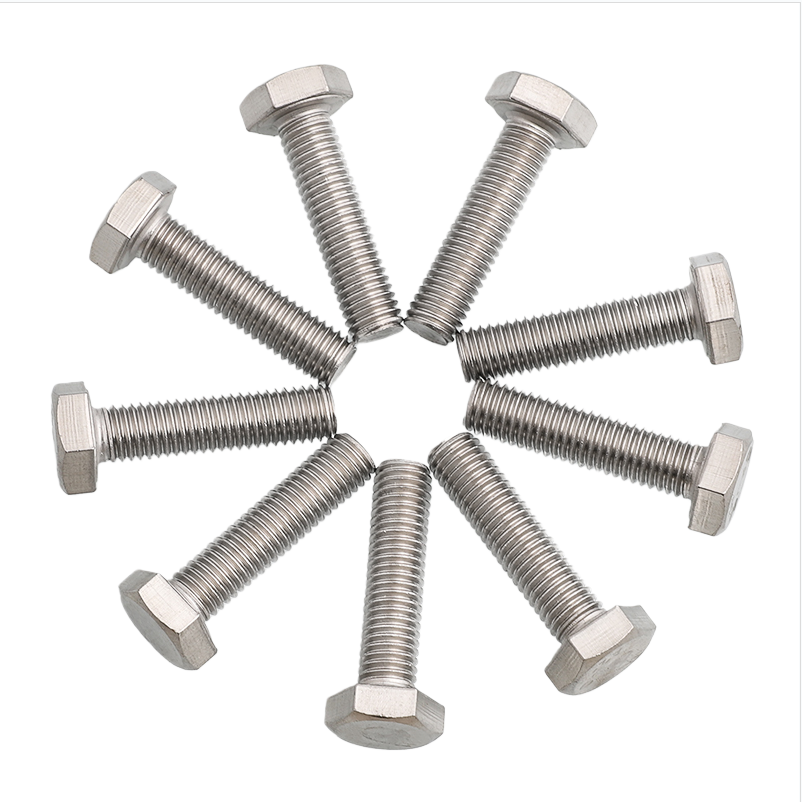
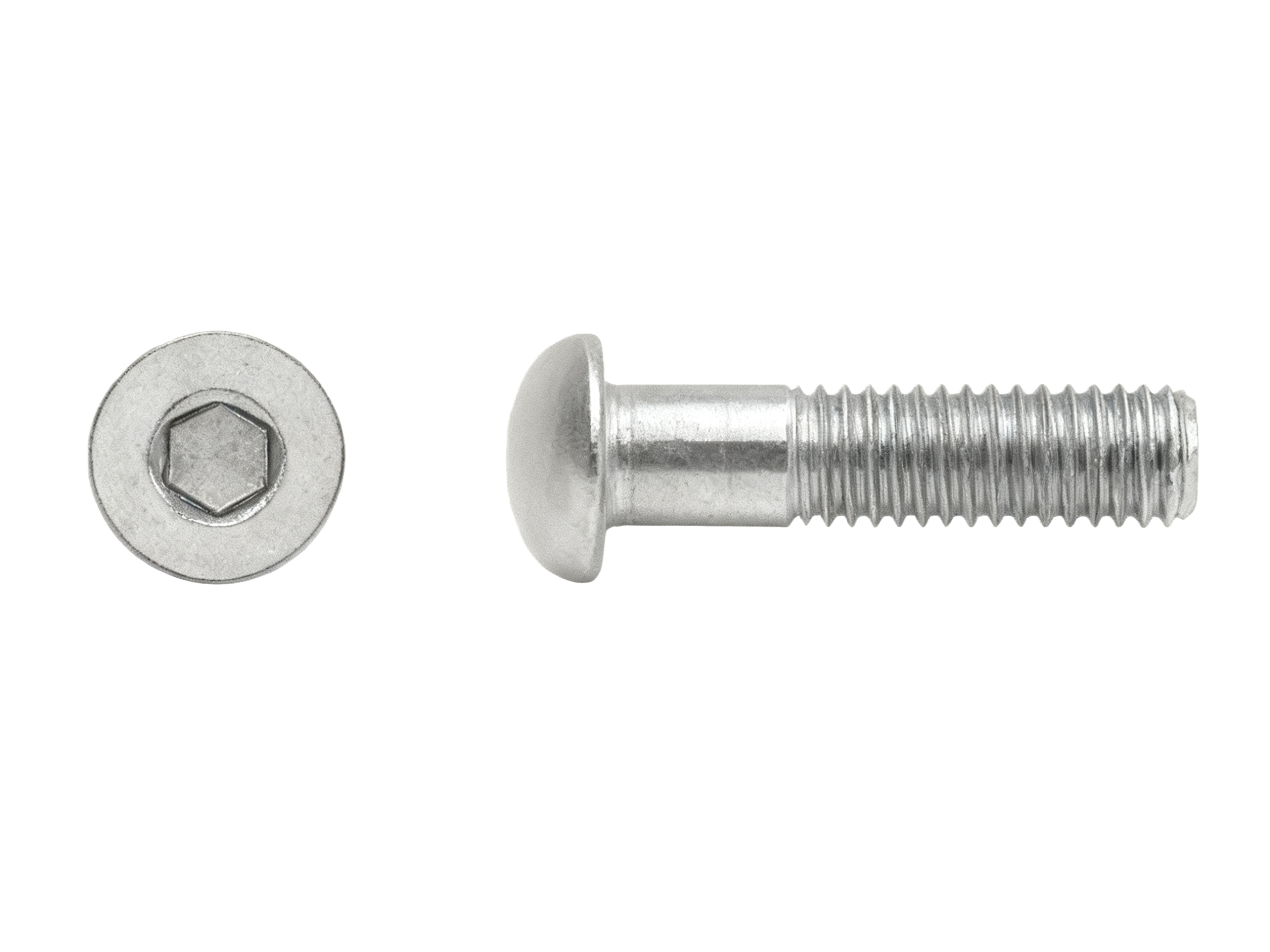
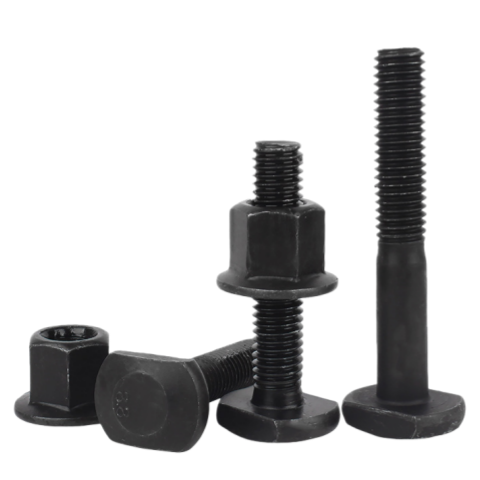
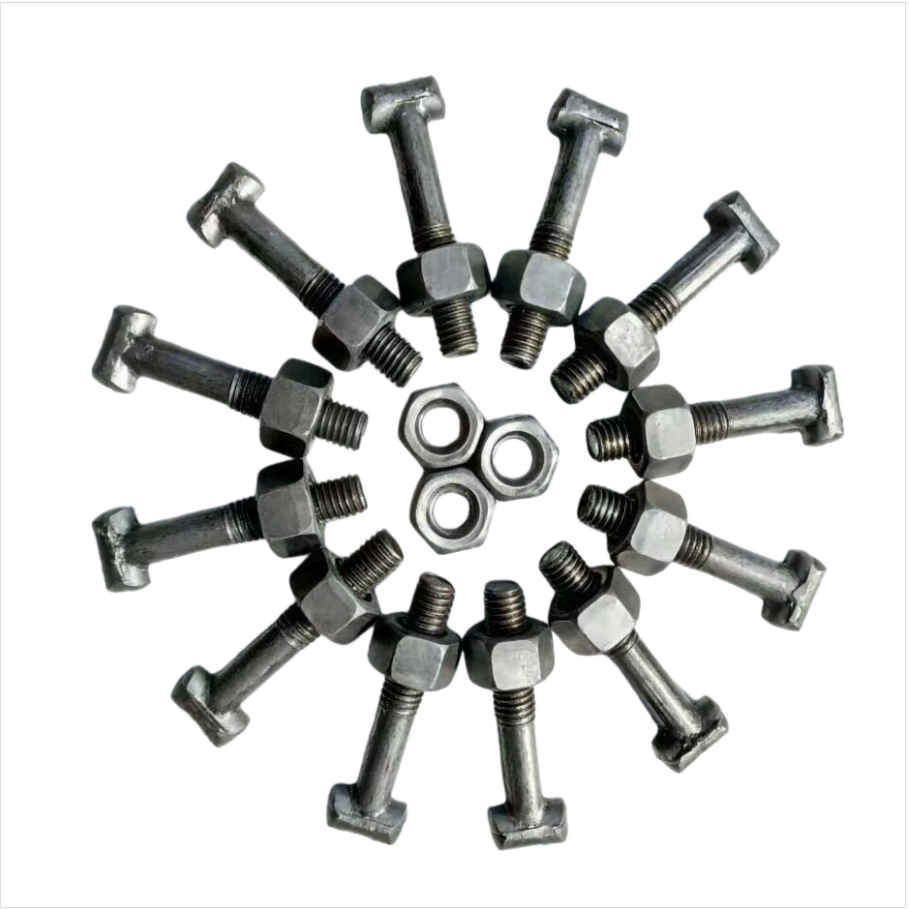
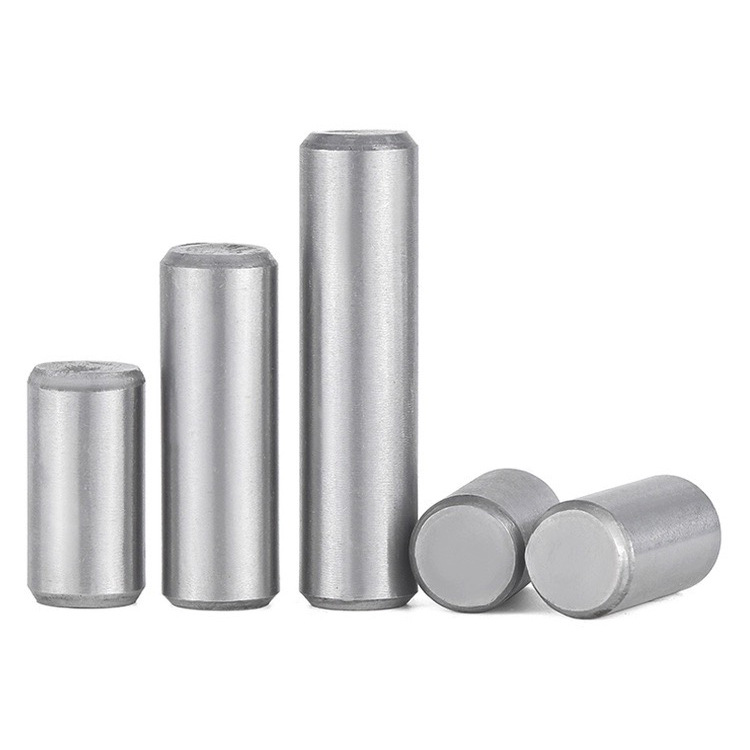
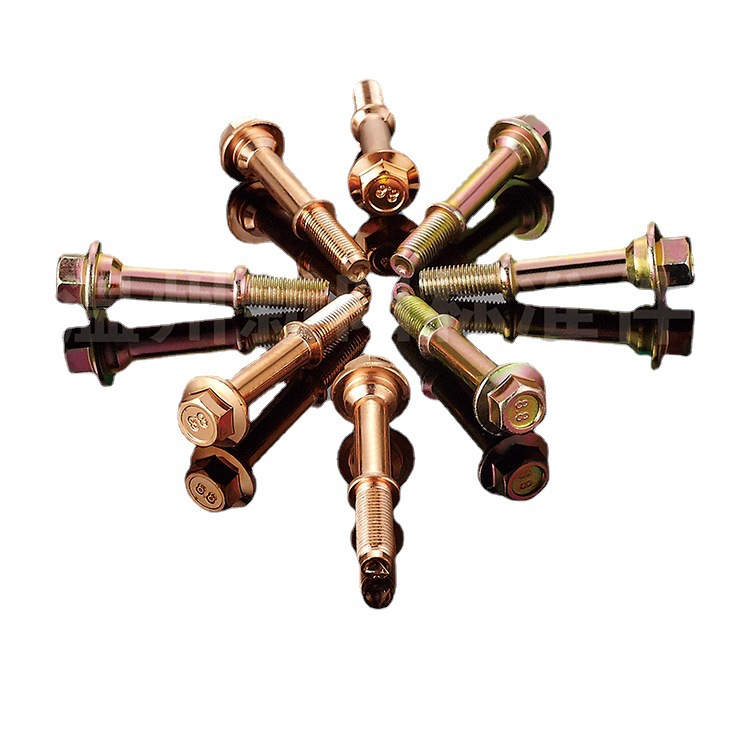
As core components for mechanical connection, fasteners are widely adopted in key fields including aerospace, automotive engineering, construction and new energy industries. Internal inclusions, surface cracks, subsurface defects and other imperfections in fasteners may easily cause connection failure and further trigger severe safety accidents. Nondestructive testing (NDT) technologies accurately identify defects without damaging fastener structures, serving as critical guarantees for product quality and service safety. Ultrasonic testing focuses on internal defects, magnetic particle testing targets surface and subsurface defects of ferromagnetic materials, and penetrant testing covers surface open defects of all material types. The coordinated application of the three technologies realizes full-dimensional defect screening for fasteners. This article systematically elaborates on the operational specifications and key application points of the three testing technologies from a practical perspective.
I. Ultrasonic Testing (UT): Penetrative Screening for Internal Defects
Ultrasonic testing leverages the reflection characteristics of high-frequency sound waves propagating inside fasteners to identify internal imperfections such as inclusions, pores, cracks and material looseness. Featuring strong penetration capability and high testing accuracy, it is the core technology for internal quality control of large-size and thick-walled fasteners.
1. Core Operational Guidelines
Equipment and Probe Selection: Priority is given to small-angle longitudinal wave oblique probes with a refraction angle βL<25° and a frequency of no less than 5 MHz to improve the detection rate of micro defects. The wafer diameter must precisely match the thread length of fasteners: a Φ6mm wafer for thread lengths shorter than 45mm and a Φ8mm wafer for thread lengths ranging from 45mm to 80mm, avoiding increased blind zones from oversized wafers or low efficiency from undersized wafers. Testing instruments shall support the double calibration method for longitudinal wave oblique probes to ensure accurate signal analysis.
Test Block Calibration Specifications: The calibration test block must possess acoustic characteristics consistent with the tested fasteners. Comparative test blocks with no less than two Φ1.5mm flat-bottom holes of different depths are used for scanning baseline calibration. Custom sensitivity test blocks are required to match the thread depth and length of workpieces, with a length 10%–20% longer than the maximum thread length of tested fasteners, to set the detection threshold for Φ2mm equivalent defects.
Process Control: Clean oil stains and corrosion on fastener surfaces before testing, and apply glycerin or water-based gel as coupling agent to ensure effective sound wave transmission. Adopt a combined scanning method of axial scanning for longitudinal defects and rotary scanning for circumferential defects. Real-time echo signal monitoring is implemented; defect positions shall be marked and quantitatively analyzed further when the defect echo height reaches or exceeds 40% of the full screen height.
2. Applicable Scenarios and Limitations
Applicable Scenarios: Suitable for internal defect detection of various metal fasteners such as carbon steel, alloy steel and stainless steel. It is especially applicable to incoming inspection and finished product re-inspection of large-diameter high-strength bolts (M36 and above) and thick-walled nuts, capable of detecting internal cracks deeper than 0.5mm. Typical applications include key load-bearing components such as wind turbine tower bolts, nuclear equipment fasteners and bridge high-strength bolts.
Limitations: Low sensitivity for surface and subsurface defects, and testing results are greatly affected by fastener shapes (fine threads are prone to interference signals). Detection accuracy relies heavily on operator experience and professional certification. Reference standards: GB/T 6402 Ultrasonic Testing Method for Steel Forgings and ISO 23279 Non-Destructive Testing of Welds — Ultrasonic Testing.
II. Magnetic Particle Testing (MT): Precise Positioning of Surface and Subsurface Defects
Magnetic particle testing utilizes the leakage magnetic field effect at defect positions after ferromagnetic material magnetization to adsorb magnetic particles and form magnetic traces, so as to display defect locations and morphologies. With simple operation and high sensitivity, it is the preferred technology for surface quality control of ferromagnetic fasteners.
1. Core Operational Guidelines
Preprocessing and Magnetization Control: Thoroughly remove surface oil stains, oxide scales and coatings with acetone or alcohol to ensure a dry and clean surface before testing. Select magnetization modes according to defect orientations: axial magnetization (energization method, coil method) for transverse defects and circumferential magnetization (yoke method) for longitudinal defects. Composite magnetization (cross yoke) is adopted for fasteners with complex shapes to achieve omnidirectional defect coverage. The magnetomotive force is calculated based on material properties to ensure a circumferential magnetic field strength of no less than 2.4kA/m.
Magnetic Particle Application and Observation: Dry magnetic particles are uniformly sprayed on rough surfaces such as forged surfaces, while wet magnetic particles suspended in kerosene or water-based carriers are applied to precision thread surfaces to improve defect resolution. Magnetic particles must be applied during magnetization or within 1 second after magnetization stops to avoid magnetic field attenuation. Observation shall be conducted under standardized lighting conditions: white light illuminance ≥1000lx, and fluorescent magnetic particle testing requires UV-A black light with a wavelength of 320~400nm and illuminance ≥1000μW/cm².
Post-Processing and Sensitivity Verification: Demagnetization must be performed after testing to ensure residual magnetism ≤0.3mT and prevent iron debris adsorption during subsequent service. Calibrate system sensitivity with Type A or Type C standard test pieces (e.g., 15/50 test pieces) before batch testing to guarantee clear display of artificial defects on test pieces.
2. Applicable Scenarios and Limitations
Applicable Scenarios: Exclusive to ferromagnetic fasteners such as carbon steel and alloy steel. It detects surface and subsurface defects within 2mm depth, including thread root cracks, head transition zone folds and heat treatment cracks, and can identify micro cracks as narrow as 0.05mm. Typical applications include high-vibration and high-stress components such as automotive chassis bolts, aero-engine fasteners, railway track bolts and crane lifting eye bolts.
Limitations: Inapplicable to non-ferromagnetic materials such as aluminum alloy and austenitic stainless steel, and ineffective for deep internal defects. Reference standards: GB/T 15822 Magnetic Particle Testing and ISO 17638 Non-Destructive Testing of Welds — Magnetic Particle Testing.
III. Penetrant Testing (PT): Full-Material Coverage for Surface Open Defects
Penetrant testing relies on capillary action to allow penetrant to infiltrate surface open defects, and displays defect morphologies through developer adsorption. Unrestricted by material magnetism and type, it is a universal technology for surface open defect detection, especially suitable for non-ferromagnetic fasteners.
1. Core Operational Guidelines
Full-Process Standardized Control: ① Preprocessing: Remove surface oil stains, corrosion and burrs via solvent cleaning and mechanical polishing to ensure unobstructed defect openings and residue-free dry surfaces. ② Penetration: Apply penetrant by spraying, brushing or immersion. The penetration time ranges from 5 to 15 minutes for conventional defects and extends to 20 minutes for coarse defects, with a controlled temperature of 15~50℃. ③ Cleaning: Remove excess penetrant with solvent or water; water-washable penetrants require a water pressure ≤0.3MPa to avoid over-cleaning and penetrant loss inside defects. ④ Development: Apply dry or wet developer and wait 5~10 minutes for defect presentation. ⑤ Observation: Identify defect traces under white light or ultraviolet light; fluorescent penetrants deliver higher sensitivity for micro crack detection.
Penetrant Selection: Select penetrants according to testing environments and sensitivity requirements. Color penetrants are suitable for on-site testing without special light sources, while fluorescent penetrants are applied to high-precision detection with black light support. High-temperature resistant penetrants (temperature resistance ≥200℃) are adopted for fasteners serving in high-temperature environments.
2. Applicable Scenarios and Limitations
Applicable Scenarios: Applicable to various metal fasteners (aluminum alloy, stainless steel, copper alloy) and non-metallic fasteners, capable of detecting surface open defects such as machining cracks, pores, pinholes and welding undercutting. Typical applications include new energy vehicle aluminum alloy battery pack fasteners, aerospace aluminum alloy bolts, medical equipment stainless steel fasteners and plastic pipeline connectors.
Limitations: Unable to detect internal defects and non-open surface defects, with poor detection performance and false display risks for porous materials such as powder metallurgy fasteners. Reference standards: GB/T 18851 Penetrant Testing and ASTM E165 Standard Test Method for Liquid Penetrant Examination.
IV. Technology Selection and Application Optimization Guidelines
1. Precise Selection Logic: Prioritize ultrasonic testing for internal defects; adopt magnetic particle testing for surface and subsurface defects of ferromagnetic fasteners; apply penetrant testing for non-ferromagnetic materials and universal surface open defect detection. Key load-bearing fasteners for aerospace and nuclear industries are recommended to adopt combined testing of ultrasonic and magnetic particle/penetrant technology to eliminate missing defects.
2. General Operational Precautions: ① Environmental control: The testing environment shall be clean and dry with a temperature of 10~40℃ to avoid accuracy interference from dust and humidity. ② Personnel qualification: Operators must hold grade II or above NDT certificates and receive regular skill calibration. ③ Traceable recording: Establish complete testing archives, record equipment parameters, test block calibration data, defect positions and dimensions, and classify and evaluate defect grades in accordance with standards.
3. Intelligent Upgrading Direction: Adopt robot-mounted detection probes for batch production to realize automatic full-surface scanning of fasteners, increasing testing efficiency by more than three times. Build a testing database and apply AI algorithms to correlate defect types and failure cases for potential risk prediction. Install online monitoring sensors on key equipment fasteners to track defect development trends in real time.
Conclusion
Ultrasonic, magnetic particle and penetrant testing form the core technical system for fastener defect detection, with complementary advantages and respective application focuses. In practical applications, testing technologies shall be selected precisely based on fastener materials, dimensions, service conditions and defect types, with strict compliance to operational specifications and standard requirements, so as to maximize defect detection rate. With the development of intelligent testing technology, automatic and digital detection will further improve the efficiency and reliability of fastener quality control, building a solid safety barrier for the service of key connecting components in various industries.





















 Login
Login








 Contact
 WeChat
 粤ICP备2025493240号-1