
1. Fatigue Failure Mechanism
-
Fatigue Crack Initiation: Under alternating loads (such as vibration or impact), microscopic defects on the fastener surface (like scratches or inclusions) become stress concentration points. As load cycles increase, tiny fatigue cracks form at these spots. For example, bolts in automotive suspension systems endure constant driving vibrations, where minor surface scratches gradually develop into fatigue cracks.
-
Fatigue Crack Propagation: Once initiated, continuous alternating loads cause the cracks to extend deeper into the fastener. This progressively reduces the effective load-bearing area and increases internal stress. For instance, with drive shaft connection bolts in machinery, the bolt's load capacity drops significantly once cracks propagate to a certain extent.
-
Final Fracture: When a fatigue crack reaches a critical size, the fastener can no longer withstand the load and fractures instantly. The fracture surface is typically flat and features fatigue striations (observable under a microscope). For example, if undetected in aircraft engine blade bolts, fatigue cracks will eventually lead to sudden fracture, severely compromising engine safety.
2. Strength Grade Matching Principles
-
Matching by Load Type:
-
Static Load Scenarios: If the fastener bears a constant load in magnitude and direction (e.g., bolts securing equipment bases), lower strength grades like 4.8 or 5.6 are sufficient, meeting requirements while reducing costs.
-
Alternating Load Scenarios: For fasteners subjected to vibration or impact (e.g., automotive engine bolts, wind turbine blade bolts), high-strength grades such as 8.8, 10.9, or 12.9 are essential. These offer superior fatigue resistance, effectively minimizing fracture risks.
-
Matching by Connected Material Characteristics:
-
High-Strength Base Materials: When connecting high-strength steel or alloys, select fasteners of equal or slightly higher grade to prevent failure. For example, high-strength steel bridge structures require bolts rated at 10.9 or above.
-
Low-Strength Base Materials: When connecting low-strength materials like aluminum, plastic, or wood, avoid excessively high-strength fasteners to prevent crushing or damaging the base material. For plastic components, a 4.8 grade bolt is adequate; using a 10.9 grade would likely crack the plastic.
-
Matching by Service Environment:
-
Corrosive Environments: In humid or acidic/alkaline conditions (e.g., marine or chemical equipment), choose corrosion-resistant materials (like stainless steel or zinc-plated alloys) alongside the appropriate strength grade. For instance, offshore platform connections often use Grade 8.8 bolts made of 316 stainless steel to balance strength and corrosion resistance.
-
High-Temperature Environments: In high-heat settings (e.g., boilers or kilns), fasteners experience reduced strength. High-temperature alloy fasteners, such as Grade 12.9, must be used to ensure load-bearing capacity is maintained under extreme heat.
3. Auxiliary Measures to Reduce Fractures
-
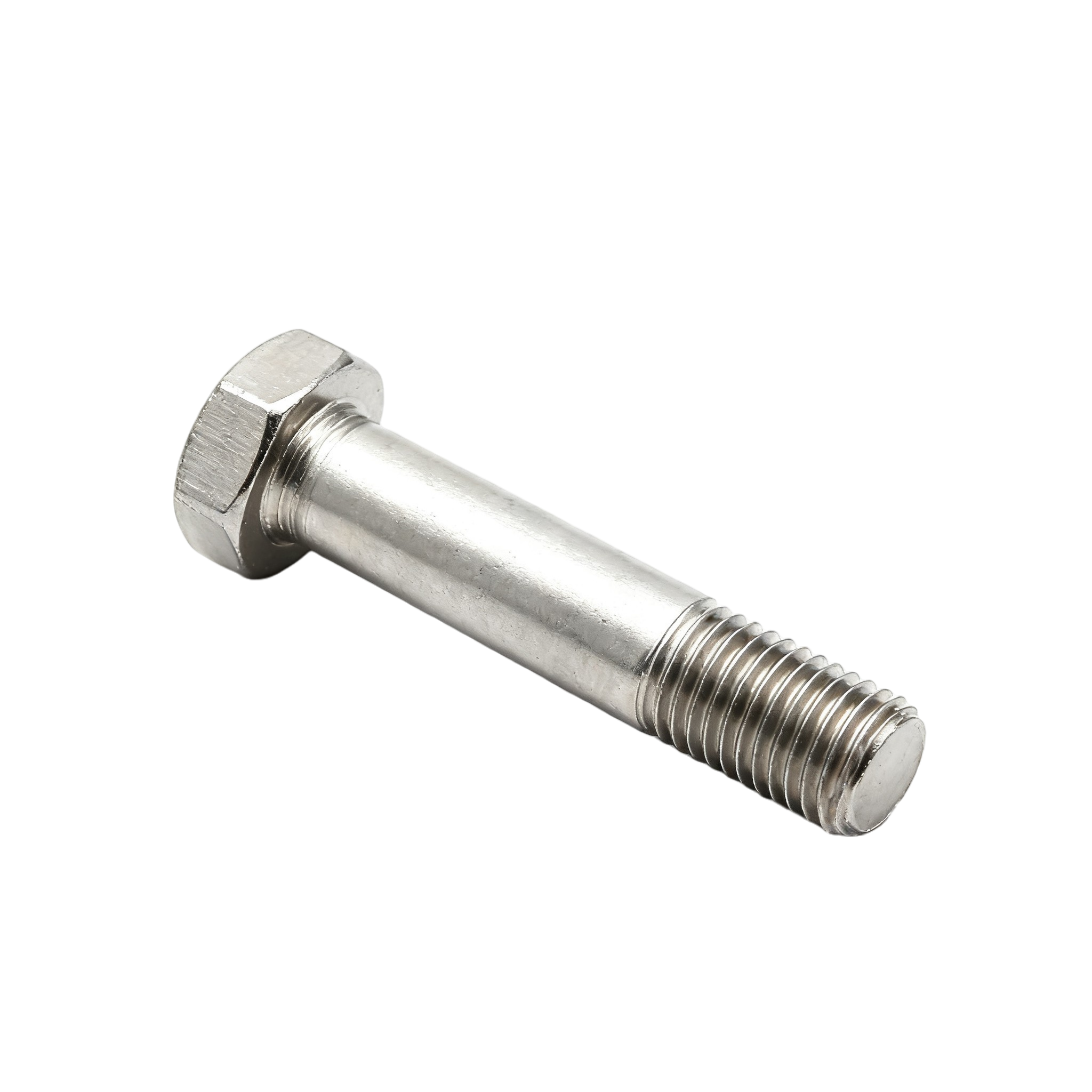
Optimize Fastener Structure: Adopt rounded transition designs to minimize surface stress concentration points. Increasing the fillet radius between the bolt head and shank enhances fatigue resistance. For example, high-speed rail track bolts often feature optimized structural designs to reduce the probability of fatigue crack initiation.
-
Surface Treatment Processes: Apply surface treatments like shot peening, nitriding, or phosphating to improve surface hardness and toughness, thereby boosting fatigue resistance. Automotive engine bolts, for instance, often undergo nitriding to enhance their surface properties.
-
Regular Inspection and Maintenance: Establish a routine inspection plan and utilize non-destructive testing (NDT) techniques—such as magnetic particle or penetrant testing—to detect fatigue cracks. Critical fasteners should be replaced promptly based on usage conditions to prevent fractures caused by fatigue failure.