
 135-6073-0094
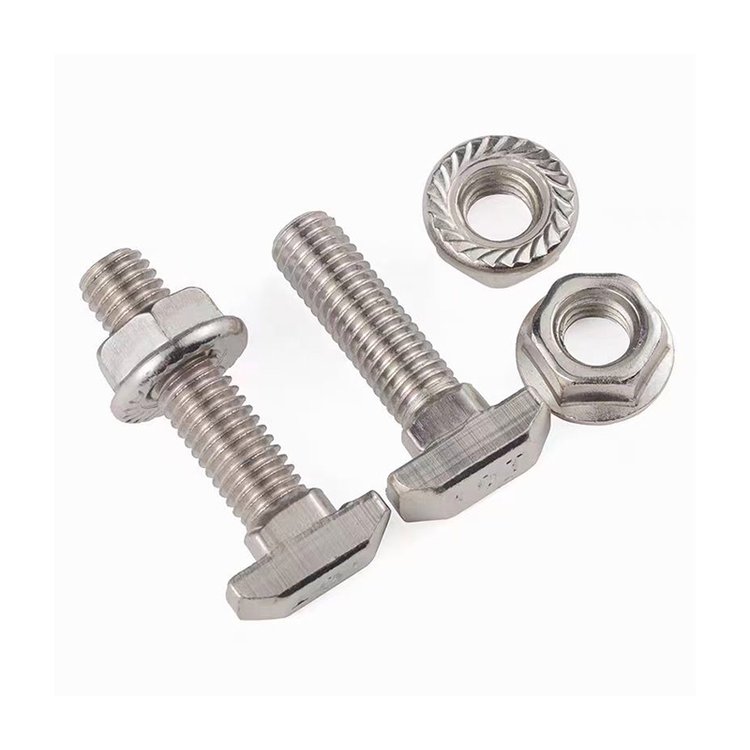
1. Quick Identification of Standards
- Metric vs. Imperial: Metric threads are marked with "M + Diameter" (e.g., M8) and have a 60° thread angle. Imperial threads are marked with "Size + Threads per Inch" (e.g., 1/4-20UNC) and feature a 55° thread angle. You can use a thread gauge to physically measure the pitch for accurate distinction.
- Special Standards: American Unified threads (UNC/UNF) are similar to Imperial but require checking the specific markings (e.g., UNF indicates fine threads). For pipe threads (G/NPT), check for tapering—NPT specifically refers to tapered pipe threads.
2. Adaptation & Installation Techniques
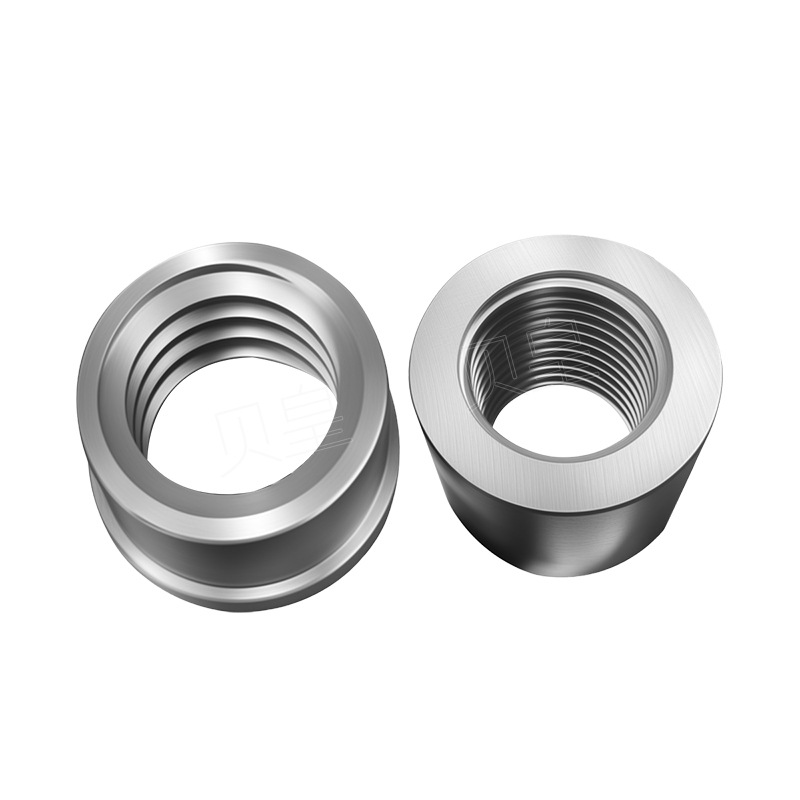
- Mismatched Standards: The priority is always to replace them with fasteners of the exact same specification. In an emergency, you can use a thread conversion bushing (such as converting Metric M8 to Imperial 1/4), but this should strictly be limited to non-critical, low-load applications.
- Hole Diameter Deviations: If the hole diameter is slightly too small (≤0.2mm), it can be reamed to size. If the hole is too large, install a bushing (such as a steel liner) to ensure the fit clearance remains within ≤0.1mm.
- Installation Tools: Always use wrenches that correspond to the specific standard (e.g., using open-end wrenches for metric and box-end wrenches for imperial) to prevent slipping and damaging the threads.