Fasteners are essential components in manufacturing, widely used in automotive, aerospace, electronics, construction, and renewable energy sectors. Aluminum Car Body Fasteners: Types & Uses is a common question engineers and procurement specialists encounter. This article provides a systematic answer covering technical principles, selection methods, and practical guidelines.
From a technical perspective, this topic involves materials science, tribology, and surface engineering. Understanding the underlying principles helps engineers select appropriate fastener specifications, strength grades, and surface treatments during the design phase, preventing assembly failures and safety hazards.
In practical applications, evaluate working conditions including load type, ambient temperature, corrosive media, assembly space, and maintenance requirements. For critical joints, verify mechanical performance per ISO 898-1 standards and recheck torque after assembly.
Toprecision provides comprehensive solutions from standard parts to custom-engineered fasteners, covering high-strength bolts, micro screws, wire thread inserts, and self-clinching fasteners for EV, robotics, and AI server applications. Contact our engineering team for support.
For professionals in the fastener industry, clearly mastering the classification and application logic of these fasteners is key to precisely meeting automotive manufacturing demands and optimizing product supply. This article systematically summarizes common fasteners used in aluminum alloy car bodies from the two core dimensions of material and connection form, breaking down the core characteristics and application scenarios of each product type to help industry practitioners deepen their understanding and make scientific selections.
II. Classification by Material: Steel vs. Aluminum Standard Parts
Fasteners for aluminum alloy car bodies can be divided into steel standard parts and aluminum standard parts based on their material. The two differ significantly in strength, weight, and corrosion resistance, requiring reasonable selection according to the stress conditions of different car body parts.
(A) Steel Standard Parts
Relying on their high strength, high wear resistance, and cost advantages, steel fasteners remain the first choice for highly stressed areas of aluminum alloy car bodies. They are primarily used in scenarios with extreme strength requirements, such as engine compartments and chassis connections. To adapt to aluminum alloy bodies, steel fasteners require special surface treatments, with the core objective of solving the issue of galvanic corrosion—when aluminum alloys come into contact with steel, electrode potential differences can easily trigger corrosion, leading to connection failure.
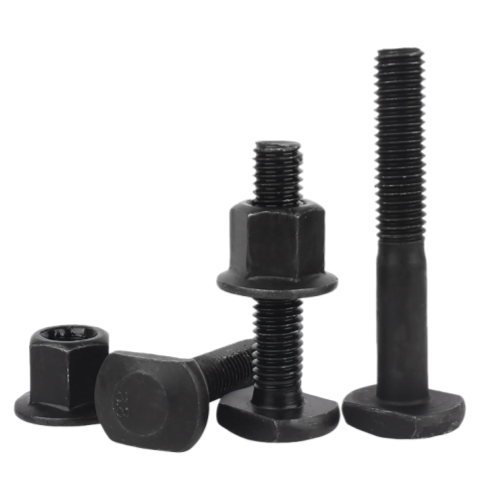
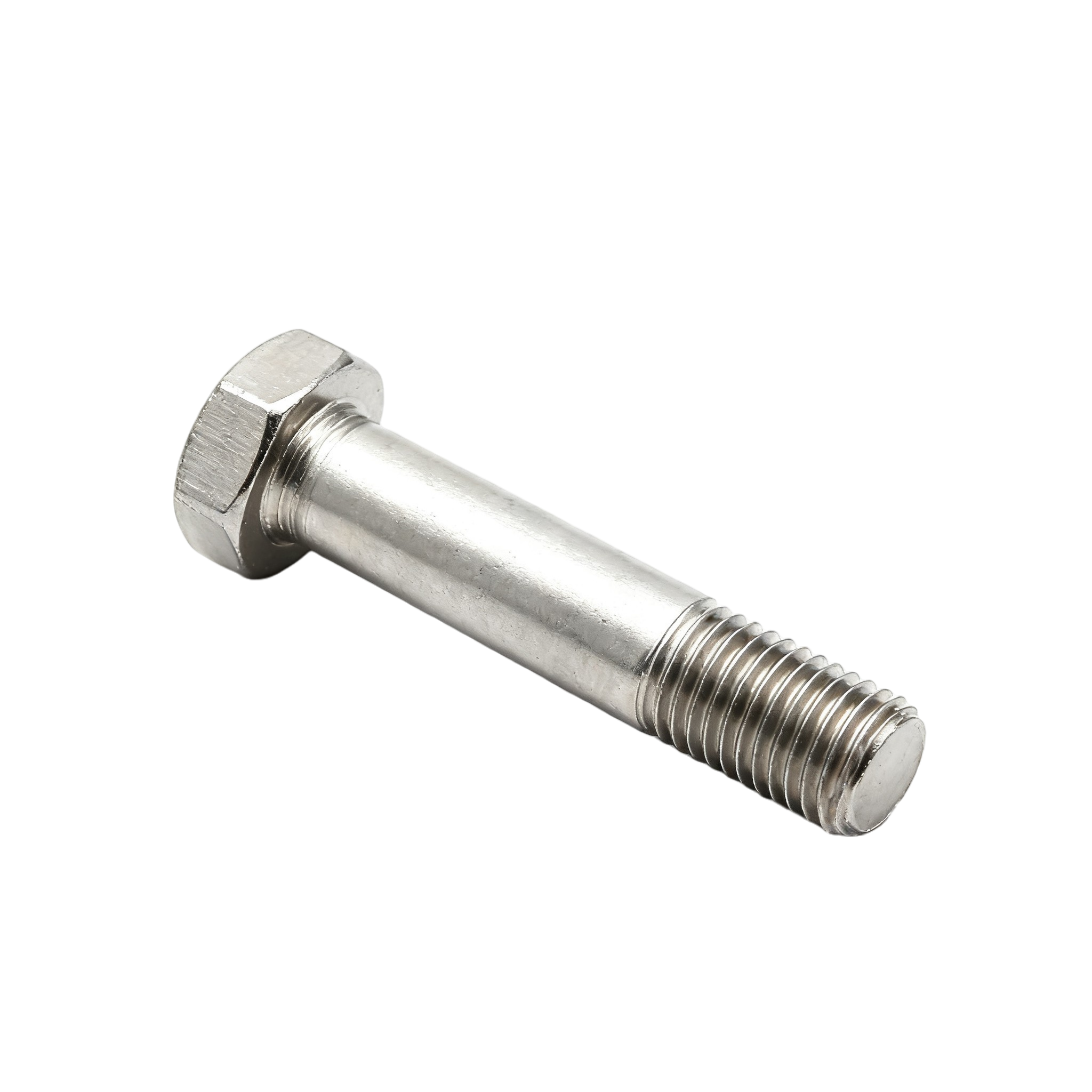
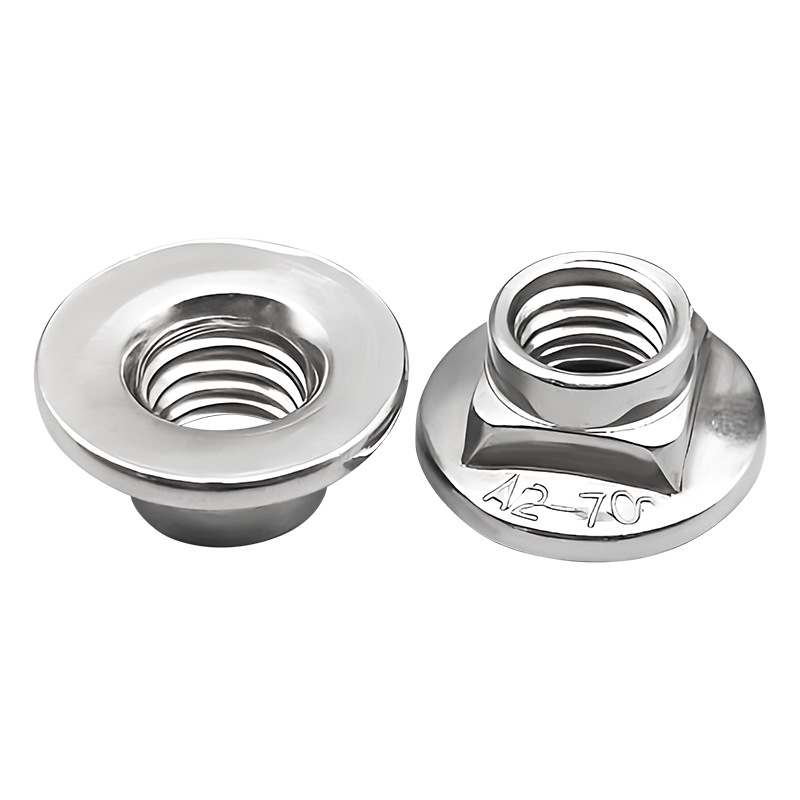
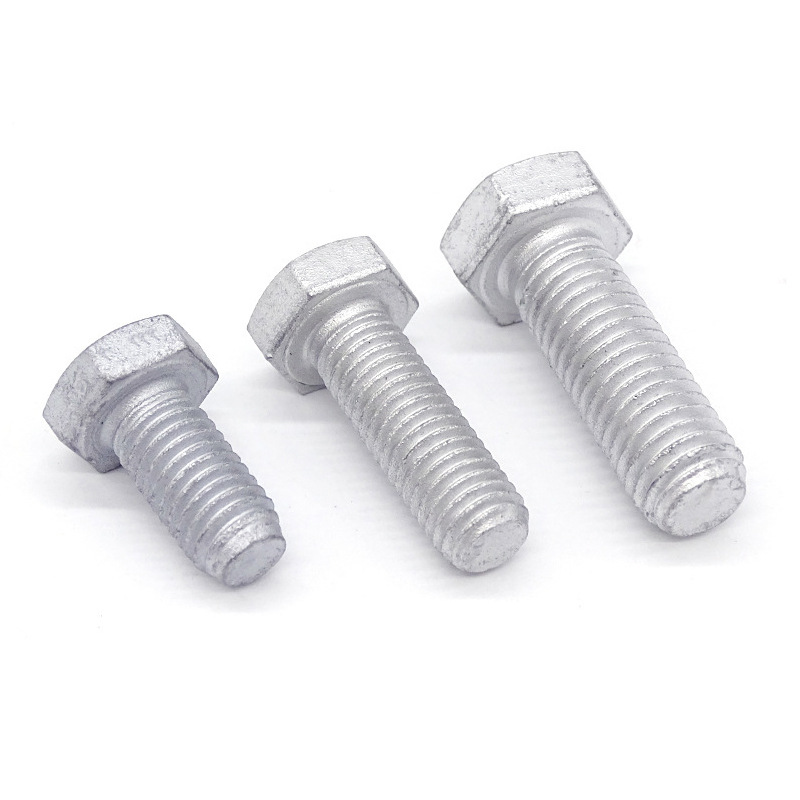
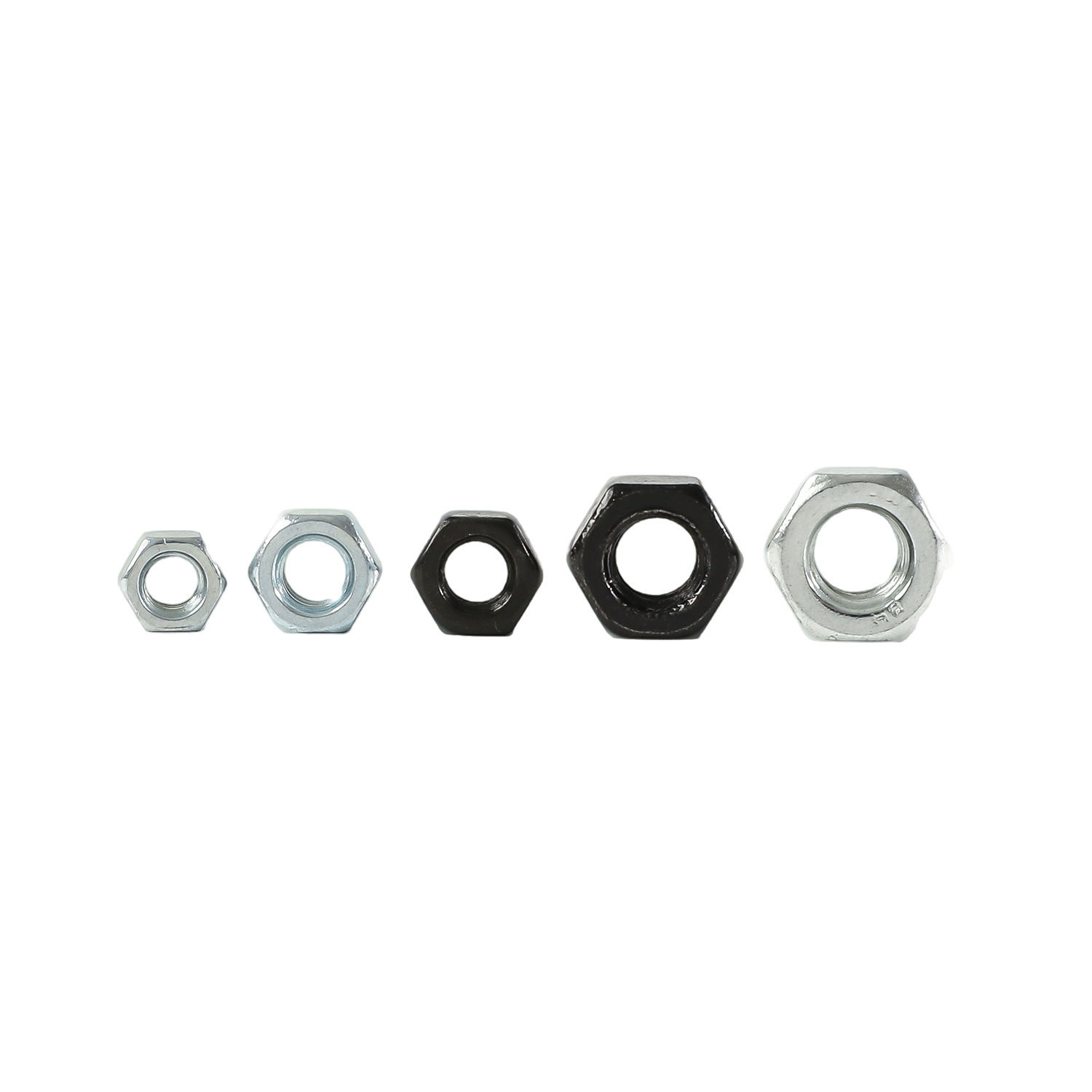
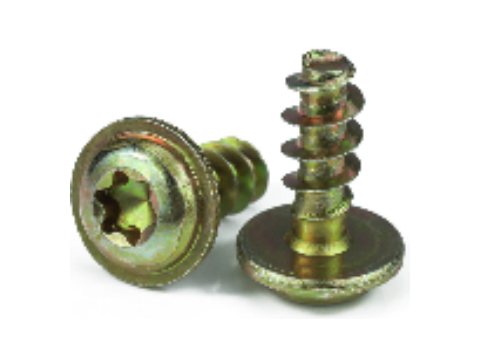
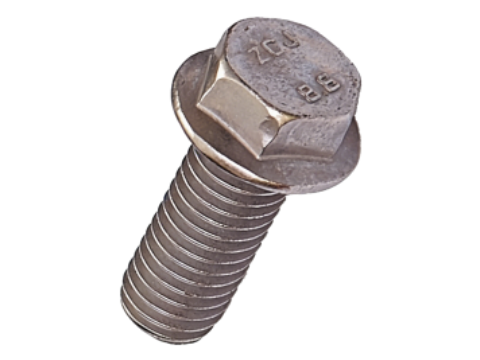
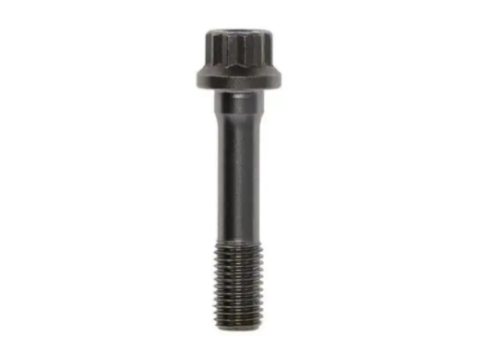
Common types of steel fasteners include high-strength bolts, nuts, and washers. Their surface treatment processes mainly consist of hot-dip galvanizing, Dacromet (zinc flake coating), and electrophoresis. Among these, Dacromet treatment offers excellent corrosion and wear resistance, with salt spray tests lasting hundreds of hours, making it suitable for humid and corrosive environments like automotive chassis. Electrophoresis treatment enhances the compatibility between the fasteners and the car body paint, ensuring visual consistency. The strength grades of these fasteners must be strictly controlled; commonly used high-strength steels are Grade 8.8 and Grade 10.9, which satisfy load-bearing requirements while avoiding damage to the aluminum alloy substrate caused by excessive strength.
(B) Aluminum Standard Parts
Sharing the same material origin as the aluminum alloy car body, aluminum fasteners offer distinct advantages including light weight, excellent electrochemical compatibility, and high assembly fit. These traits maximize the lightweight value of the car body, making them ideal for non-critical, lightly stressed areas such as body panels, interior trim fixation, and battery pack shell connections. Their core material is high-strength aluminum alloy, which undergoes heat treatment to enhance its strength. Common series include 6061 and 7075, balancing ductility with load-bearing capacity.
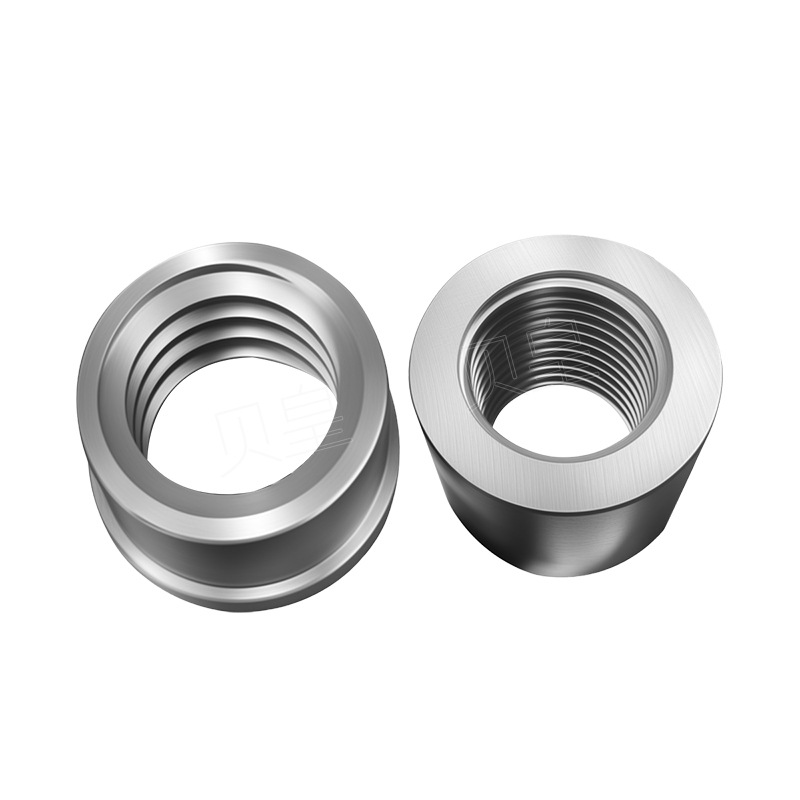
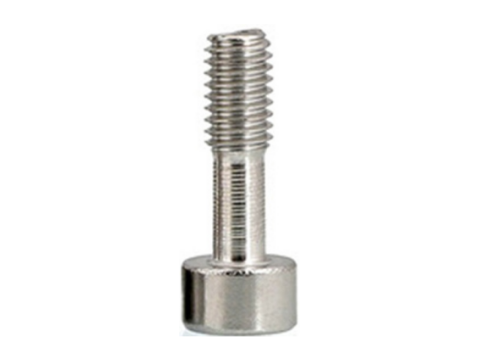
Core types of aluminum fasteners include aluminum bolts, rivets, and nuts. Some high-end products undergo anodizing treatment to enhance surface hardness and corrosion resistance, while also allowing for customized oxide colors to match the car body and improve aesthetic quality. It is important to note that aluminum fasteners have lower wear resistance than steel products and should not be used in areas subject to high-frequency vibration or heavy loads. Furthermore, tightening torque must be carefully controlled during assembly to avoid thread stripping due to the softer material, which would compromise connection reliability.
III. Classification by Connection Form: Mechanical Connection and Welding
Based on connection form, fasteners for aluminum alloy car bodies are categorized into mechanical connection types and welding types. The former offers detachability, while the latter provides high connection strength and excellent sealing, adapting to different assembly needs and car body locations.
(A) Mechanical Connection Fasteners
Mechanical connection fasteners do not require high-temperature welding, thereby avoiding thermal damage to the properties of the aluminum alloy. Their detachability also facilitates later maintenance and component replacement, making them the most widely used connection form in aluminum alloy car bodies. The core categories include bolted connections, riveted connections, and clip/snap-fit connections.
Bolted connections are favored for their strong versatility and reliable joining, commonly used in car body frames and chassis components. They are often paired with anti-loosening washers or nylon lock nuts to withstand vibration and impact during driving. Riveted connections are suitable for joining thin sheets and cover panels, such as in the assembly of doors and hoods. Common types include self-piercing rivets (SPR) and blind rivets. Notably, self-piercing rivets do not require pre-drilled holes; they penetrate and form within the aluminum sheet under high pressure, offering high efficiency and excellent sealing, making them a core process in the automated assembly of aluminum bodies. Clip connections serve as a one-time mechanical connection, primarily used for non-load-bearing components like interior panels and sound insulation cotton. They are convenient to install, cost-effective, and prevent damage to the aluminum sheets.
(B) Welding Fasteners
Welding fasteners form an integrated connection with the aluminum alloy car body through high-temperature welding. They offer superior connection strength, stability, and eliminate the risk of gap loosening, making them suitable for core load-bearing areas like the car body frame and crash beams. Due to the high thermal conductivity and low melting point of aluminum, traditional welding processes are prone to defects like porosity and cracks. Therefore, specialized welding fasteners and processes are required.
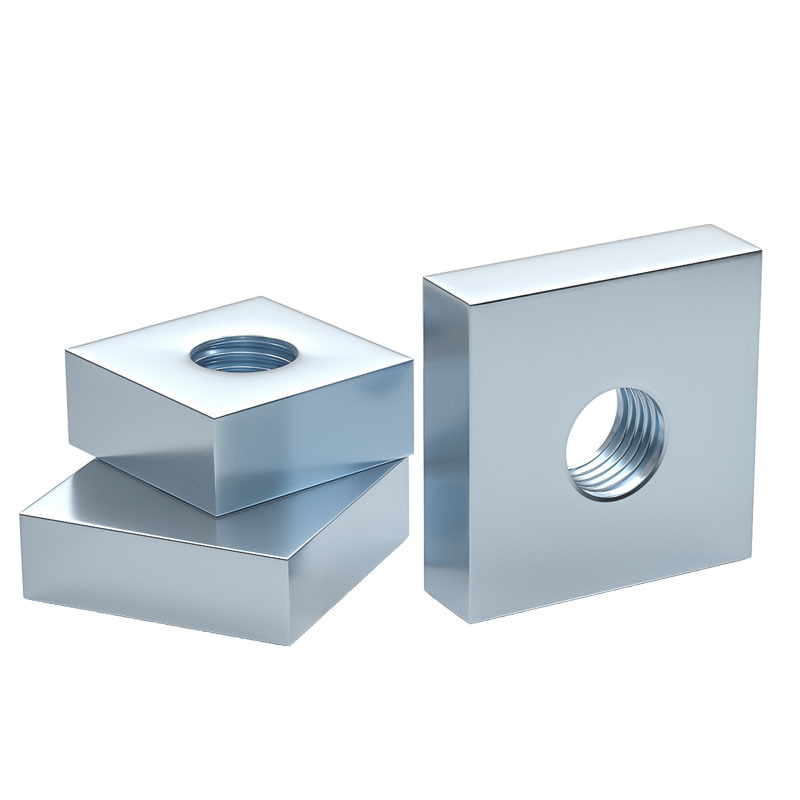
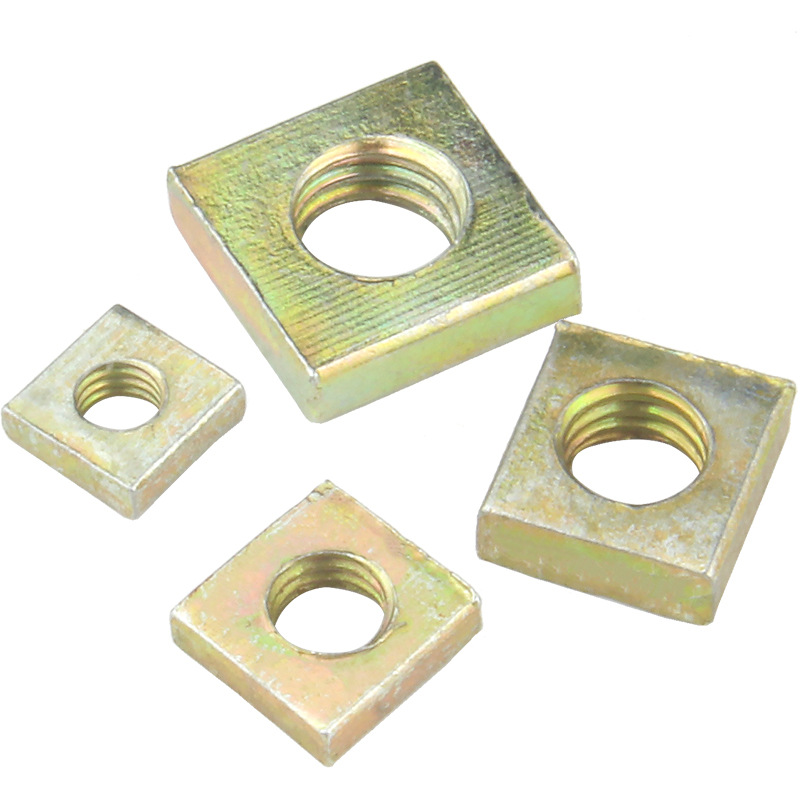
Common welding fasteners include weld nuts, weld bolts, and weld studs, typically made of aluminum alloy or stainless steel. They must match the car body material to prevent adverse reactions between dissimilar metals during welding. The primary welding processes are resistance spot welding and laser welding. Resistance spot welding is highly efficient and cost-effective, making it suitable for mass production. Laser welding features a small heat-affected zone and high precision, ideal for assembling core components of high-end vehicles. It is important to note that welding fasteners create permanent connections; disassembly requires damaging the car body structure, making subsequent maintenance difficult. Thus, selection must be comprehensively judged based on the functional requirements of the specific part.
IV. Practical Selection Guidelines for Aluminum Alloy Car Body Fasteners
Selection must balance three core factors: load-bearing strength, corrosion resistance, and lightweight requirements. For critical load-bearing areas, prioritize high-strength steel fasteners paired with anti-corrosion treatments like Dacromet or electrophoresis. For non-load-bearing areas, opt for aluminum fasteners to maximize lightweighting. For closed profiles and concealed areas, prefer mechanical connection fasteners to facilitate assembly and maintenance. For core skeletal areas, welding fasteners can be selected to ensure robust connection strength.
Simultaneously, two major pitfalls must be avoided: First, ignoring galvanic corrosion by failing to apply anti-corrosion treatments to steel fasteners, which leads to connection failure over long-term use. Second, blindly pursuing lightweighting by using aluminum fasteners in heavily stressed areas, which compromises the vehicle's safety performance. Additionally, dedicated tools must be used during assembly to control tightening torque and welding parameters, preventing damage to the aluminum alloy substrate.


 135-6073-0094