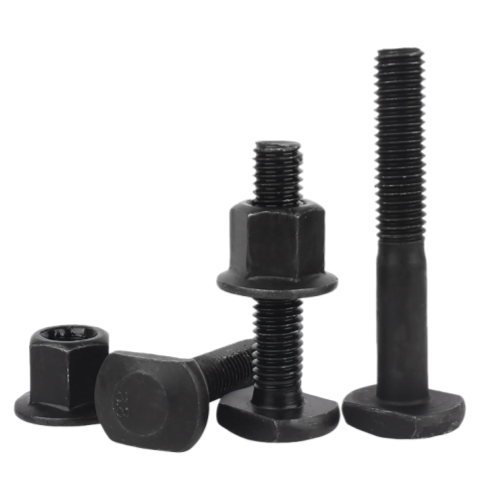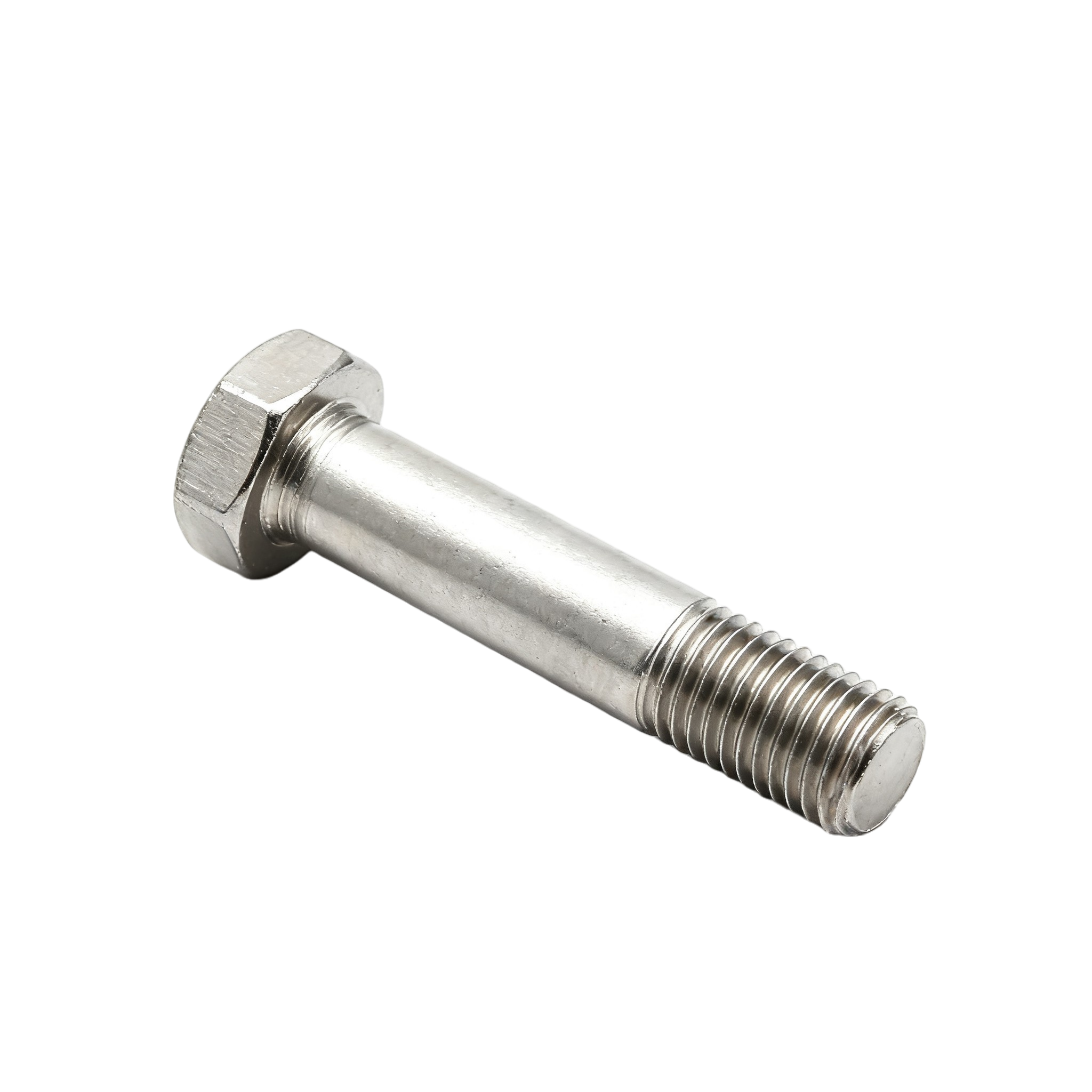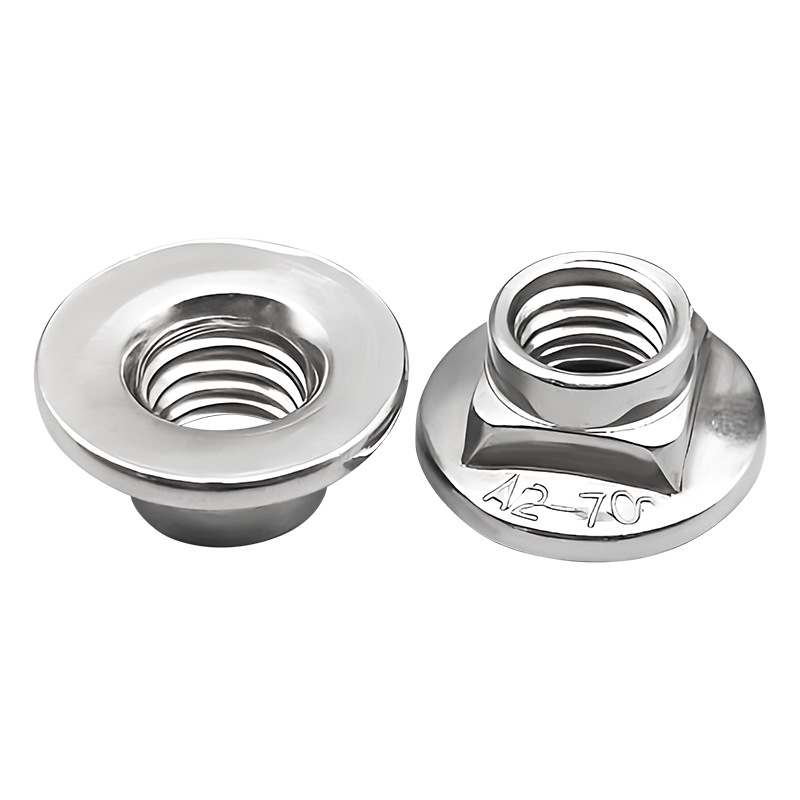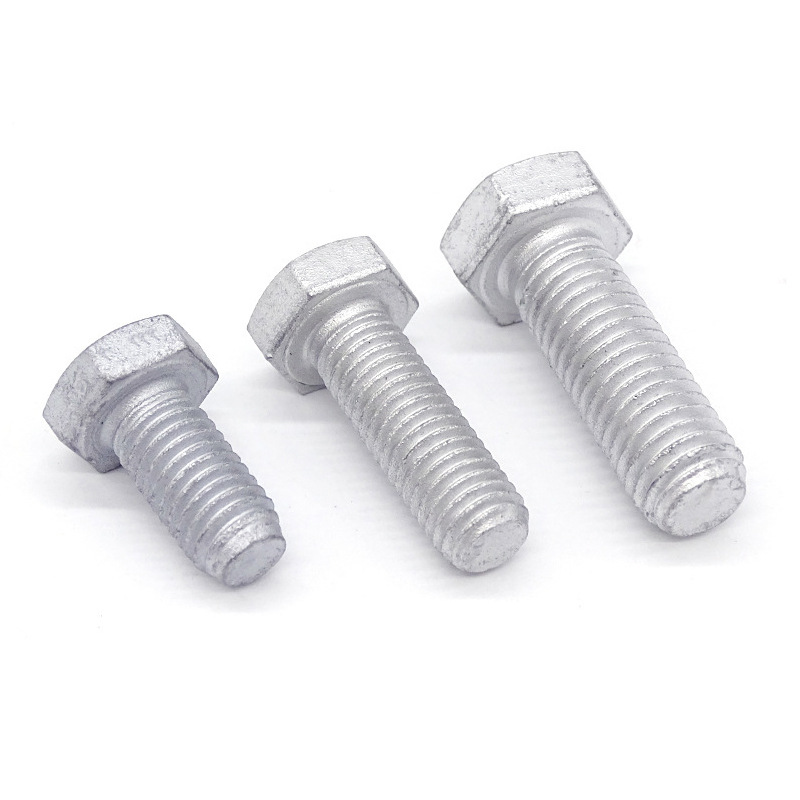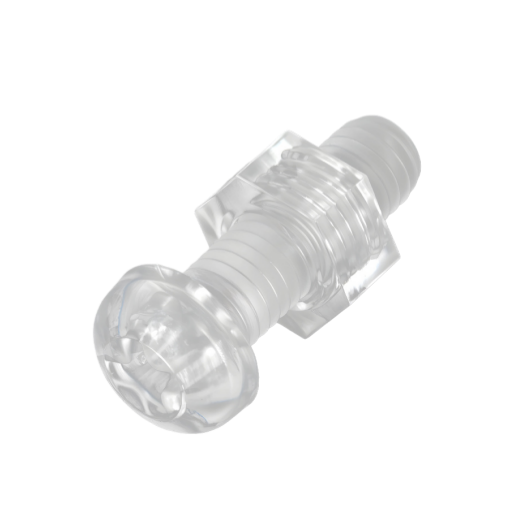
Fasteners are essential components in manufacturing, widely used in automotive, aerospace, electronics, construction, and renewable energy sectors. Pros, Cons, and Application Analysis of Titanium Alloy Faste is a common question engineers and procurement specialists encounter. This article provides a systematic answer covering technical principles, selection methods, and practical guidelines.
From a technical perspective, this topic involves materials science, tribology, and surface engineering. Understanding the underlying principles helps engineers select appropriate fastener specifications, strength grades, and surface treatments during the design phase, preventing assembly failures and safety hazards.
In practical applications, evaluate working conditions including load type, ambient temperature, corrosive media, assembly space, and maintenance requirements. For critical joints, verify mechanical performance per ISO 898-1 standards and recheck torque after assembly.
Toprecision provides comprehensive solutions from standard parts to custom-engineered fasteners, covering high-strength bolts, micro screws, wire thread inserts, and self-clinching fasteners for EV, robotics, and AI server applications. Contact our engineering team for support.
Core Advantages: Performance Highlights for High-End Scenarios
High specific strength and lightweight characteristics are the most prominent advantages of titanium alloy fasteners. With a density of only 4.5g/cm³—less than 60% of steel—they can reduce weight by 40%-50% at the same specification. Yet, their tensile strength reaches 900-1400MPa, comparable to Grade 10.9 high-strength steel, with a specific strength 2.2 times that of steel. This characteristic is crucial in aerospace, effectively reducing aircraft weight while enhancing range and payload capacity, making it an excellent choice for lightweight designs in automotive unsprung components.
Exceptional corrosion resistance and stability eliminate the need for additional coatings. Titanium alloys automatically form a dense titanium dioxide protective film in bodily fluids, seawater, and acidic/alkaline environments, preventing corrosion penetration with an annual corrosion rate less than one-thousandth of a human hair's diameter. In marine engineering, they withstand high-salt erosion; in the medical field, their excellent biocompatibility enables "biological fusion" with bone tissue, making them core materials for orthopedic implants and dental fixtures.
Adaptability to extreme temperatures and non-magnetic properties expand their application boundaries. They maintain stable performance from -100°C to 400°C, with some grades showing slightly increased yield strength at low temperatures, suitable for extreme environments like space and superconductivity. Their non-magnetic nature ensures they remain unaffected by magnetic interference in precision electronics and military equipment, preserving instrument accuracy.
Inherent Limitations: Core Bottlenecks Restricting Widespread Use
High cost is the primary obstacle preventing large-scale adoption of titanium alloy fasteners. Raw material prices are inherently high, compounded by extreme machining difficulties—their low thermal conductivity causes localized heat buildup, requiring low-speed cutting with liquid nitrogen cooling. Rapid tool wear drives processing costs to several or even dozens of times the material value, resulting in final prices approximately 5-10 times higher than ordinary steel fasteners. Furthermore, they often require customization with limited off-the-shelf availability.
Low-temperature performance varies, with insufficient plastic strengthening capability. Experiments show that at -100°C, mechanical properties vary across different sizes (e.g., M8, M10), with some grades experiencing a 1-2 level drop in thread proof load rating. Plastic strengthening performance generally decreases, elevating fracture risks and necessitating targeted selection.
Auxiliary performance shortcomings and strict installation requirements also pose challenges. Poor electrical conductivity makes titanium alloys prone to galvanic corrosion during installation, requiring additional insulation measures. They are sensitive to stress corrosion at high temperatures and exhibit notch sensitivity; minute flaws during machining or installation can trigger chipping or deformation, compromising connection stability.
Conclusion: Precise Adaptation Unlocks True Value
The advantages of titanium alloy fasteners center on performance imperatives in high-end scenarios, while their disadvantages revolve around cost and processing barriers. In fields like aerospace, medical, and high-end equipment where performance outweighs cost considerations, their irreplaceability is evident. Conversely, in general machinery and civil construction prioritizing cost-effectiveness, they cannot replace steel or aluminum alloy fasteners. Looking ahead, advancements in processing technology that lower costs and optimize low-temperature performance could further expand their application scope.
If you have specific fastener requirements or technical questions, feel free to contact us via our official website or WeChat public account at: 13560730094. Our technical team is ready to provide professional consultation.


 135-6073-0094