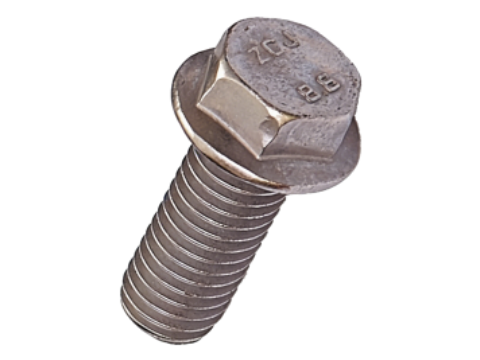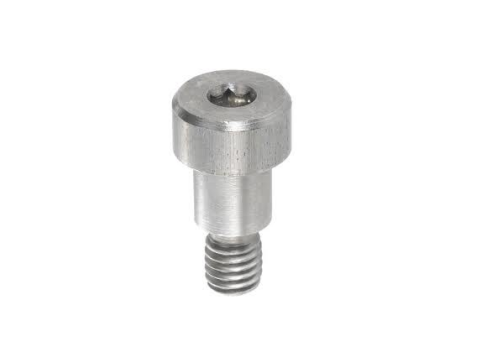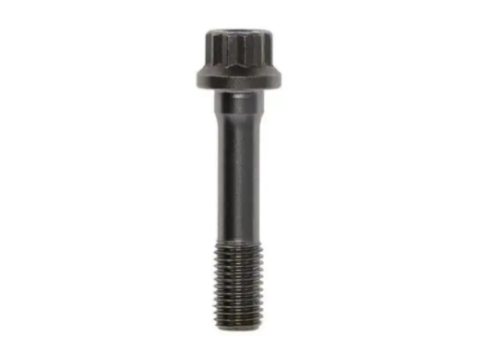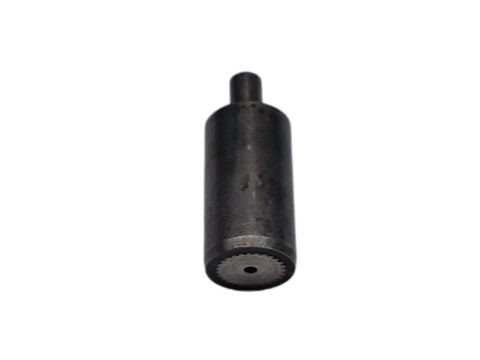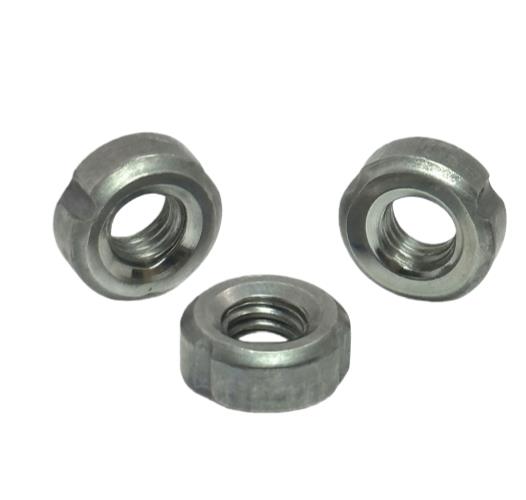
Fasteners are essential components in manufacturing, widely used in automotive, aerospace, electronics, construction, and renewable energy sectors. Enhancing Efficiency in Aerospace Fastener Machining is a common question engineers and procurement specialists encounter. This article provides a systematic answer covering technical principles, selection methods, and practical guidelines.
From a technical perspective, this topic involves materials science, tribology, and surface engineering. Understanding the underlying principles helps engineers select appropriate fastener specifications, strength grades, and surface treatments during the design phase, preventing assembly failures and safety hazards.
In practical applications, evaluate working conditions including load type, ambient temperature, corrosive media, assembly space, and maintenance requirements. For critical joints, verify mechanical performance per ISO 898-1 standards and recheck torque after assembly.
Toprecision provides comprehensive solutions from standard parts to custom-engineered fasteners, covering high-strength bolts, micro screws, wire thread inserts, and self-clinching fasteners for EV, robotics, and AI server applications. Contact our engineering team for support.
Process Optimization: The Core Lever for Efficiency
Process optimization requires balancing streamlined workflows with precision control based on the structural characteristics and material properties of the fasteners. Differentiated process solutions should be implemented for various categories such as threaded fasteners, rivets, and bolts. For high-precision threaded fasteners, traditional "turning + tapping" step-by-step processes are cumbersome and prone to clamping errors. Introducing cold heading technology to replace partial turning operations allows for the plastic deformation of metal billets to form毛坯 (blanks) in a single step, significantly reducing machining allowances and boosting production efficiency by over 30%. Simultaneously, optimizing thread processing by adopting thread rolling instead of traditional tapping utilizes the extrusion of rolling dies to form threads. This not only enhances thread strength (as the continuous metal fiber flow remains uninterrupted) but also shortens the processing cycle to one-quarter of the original time, making it highly suitable for mass production of standardized fasteners.
For fasteners made of difficult-to-machine materials like titanium alloys and composites, optimizing cutting parameters and tool configurations is essential to overcome challenges like high wear and difficulty in processing. In traditional cutting, rapid tool wear and high cutting forces often lead to workpiece deformation and frequent downtime for tool changes. Adopting high-performance coated tools, such as diamond or TiAlN coatings, can enhance wear and heat resistance, extending tool life by 2-3 times. Furthermore, utilizing simulation technology to optimize cutting speed, feed rate, and depth of cut prevents processing failures caused by unreasonable parameters, enabling continuous and stable machining. Additionally, implementing a "compound machining" mode by introducing turn-mill centers and 5-axis linkage equipment integrates multiple processes, reducing workpiece clamping frequency and turnover time. For complex structural fasteners, this can increase machining efficiency by over 40%.
Equipment Upgrade and Automation: Pillars of Efficiency
Building an "intelligent and flexible" machining system is crucial for supporting efficiency gains. On one hand, phasing out obsolete equipment and introducing high-precision CNC machining equipment leverages the high-accuracy positioning and stable operation of CNC systems to reduce machining errors, rework rates, and improve overall equipment efficiency. For instance, replacing ordinary cold headers with CNC cold headers allows servo systems to precisely control slider stroke and speed, achieving multi-station continuous processing. This increases the capacity of a single machine by over 50% while significantly improving product consistency. On the other hand, advancing automated production lines for mass-produced, standardized fasteners involves introducing robots, automatic loading/unloading devices, and online inspection equipment to build an integrated "machining-inspection-sorting" production line. Robots replace manual labor for repetitive tasks like workpiece clamping and transfer, reducing labor costs and enabling 24-hour continuous production to drastically boost capacity. Online inspection equipment monitors product dimensions and precision in real-time, providing immediate feedback to adjust machining parameters and prevent batch rework, further safeguarding efficiency.
Digital Management and Process Control: Ensuring Efficiency
打通 (Bridging) the data links across the entire production process enables refined management. Establishing a Manufacturing Execution System (MES) allows for real-time collection of data on equipment status, machining progress, and quality inspection. Data analysis helps accurately pinpoint production bottlenecks—such as high equipment idle rates, poor process衔接 (connection), or abnormal tool wear—to formulate targeted optimization plans. For example, if data reveals excessive waiting time at a certain process, production schedules can be adjusted to optimize process sequencing and reduce idle time. Abnormal tool wear can be addressed by tracing cutting parameters and material characteristics to optimize tool selection. Simultaneously, implementing Standard Operating Procedures (SOPs) standardizes every link of machining, inspection, and turnover, defining operational standards and timelines to avoid efficiency fluctuations caused by human error. Furthermore, establishing a supply chain collaboration system to share data with raw material suppliers and outsourcing partners allows for early anticipation of supply cycles and outsourcing progress, preventing production interruptions due to material shortages.
Quality Control: Indirectly Boosting Efficiency
Quality control and efficiency enhancement are not opposing forces; efficient quality control reduces rework and waste from the source, indirectly boosting machining efficiency. Building a full-process quality traceability system using technologies like QR codes and RFID assigns a unique identifier to each fastener, recording lifecycle data including raw material batches, machining equipment, cutting parameters, and inspection results. If quality issues arise, the root cause can be quickly traced and the scope precisely located, avoiding efficiency losses from comprehensive investigations. Meanwhile, optimizing inspection processes by replacing manual checks with automated equipment—such as optical projectors and Coordinate Measuring Machines (CMM)—improves both efficiency and precision. For mass-produced fasteners, this enables 100% inspection while shortening the inspection cycle by over 60%. Additionally, strengthening employee skill training improves operators' mastery of equipment and processes, reducing quality issues and equipment failures caused by operational errors to ensure continuous and efficient production.
Enhancing the efficiency of aerospace fastener machining is the result of synergistic optimization across processes, equipment, and management. Against the backdrop of the rapidly developing aerospace manufacturing industry, enterprises must align with industry demands and continuously drive technological innovation and management upgrades. While adhering to the core bottom line of high precision and reliability, they must break through efficiency bottlenecks through process optimization, automation, and digital control. Looking ahead, with the deep application of Industry 4.0 technologies, intelligent production lines, digital twins, and AI optimization will further empower aerospace fastener machining, achieving simultaneous upgrades in efficiency and quality. For fastener enterprises, proactively embracing change and continuously optimizing production systems is the only way to gain a competitive edge and achieve sustainable development.


 135-6073-0094