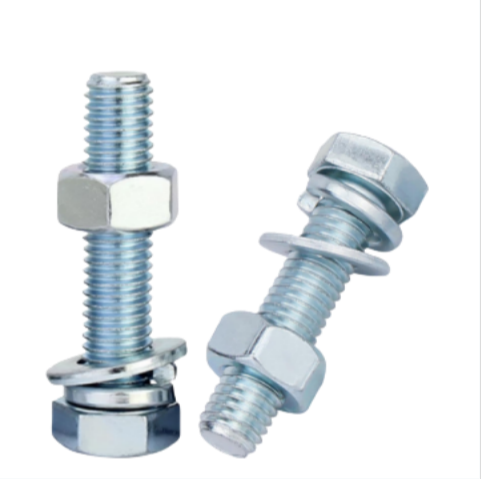
Fasteners are essential components in manufacturing, widely used in automotive, aerospace, electronics, construction, and renewable energy sectors. Analysis of Bolt Assembly Failure Testing is a common question engineers and procurement specialists encounter. This article provides a systematic answer covering technical principles, selection methods, and practical guidelines.
From a technical perspective, this topic involves materials science, tribology, and surface engineering. Understanding the underlying principles helps engineers select appropriate fastener specifications, strength grades, and surface treatments during the design phase, preventing assembly failures and safety hazards.
In practical applications, evaluate working conditions including load type, ambient temperature, corrosive media, assembly space, and maintenance requirements. For critical joints, verify mechanical performance per ISO 898-1 standards and recheck torque after assembly.
Toprecision provides comprehensive solutions from standard parts to custom-engineered fasteners, covering high-strength bolts, micro screws, wire thread inserts, and self-clinching fasteners for EV, robotics, and AI server applications. Contact our engineering team for support.
Failure Modes and Test Design
Bolt assembly failure modes have distinct scenario correlations. Common failure modes are mainly divided into three categories: connection loosening caused by insufficient or excessive tightening, fatigue fracture triggered by alternating loads, and performance degradation caused by corrosive environments. Insufficient tightening leads to inadequate bolt preload, creating gaps between connecting surfaces that gradually loosen under vibration, ultimately losing their connecting function; excessive tightening causes stress in the bolt shank to exceed the yield limit, resulting in plastic deformation or even direct fracture. Fatigue fracture is the most common failure mode, accounting for over 60% of total bolt assembly failures. Under repeated alternating loads, surface cracks on the bolt gradually expand, eventually leading to sudden fracture. Corrosion failure mostly occurs in harsh environments such as humidity, acids, alkalis, and salt spray, where bolt surfaces oxidize and rust, causing cross-sectional thinning and strength reduction, ultimately leading to failure.
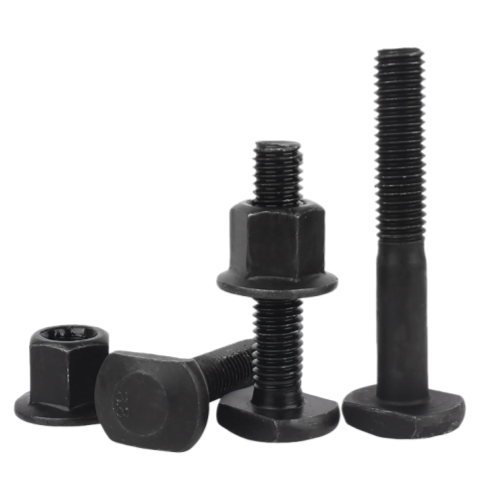
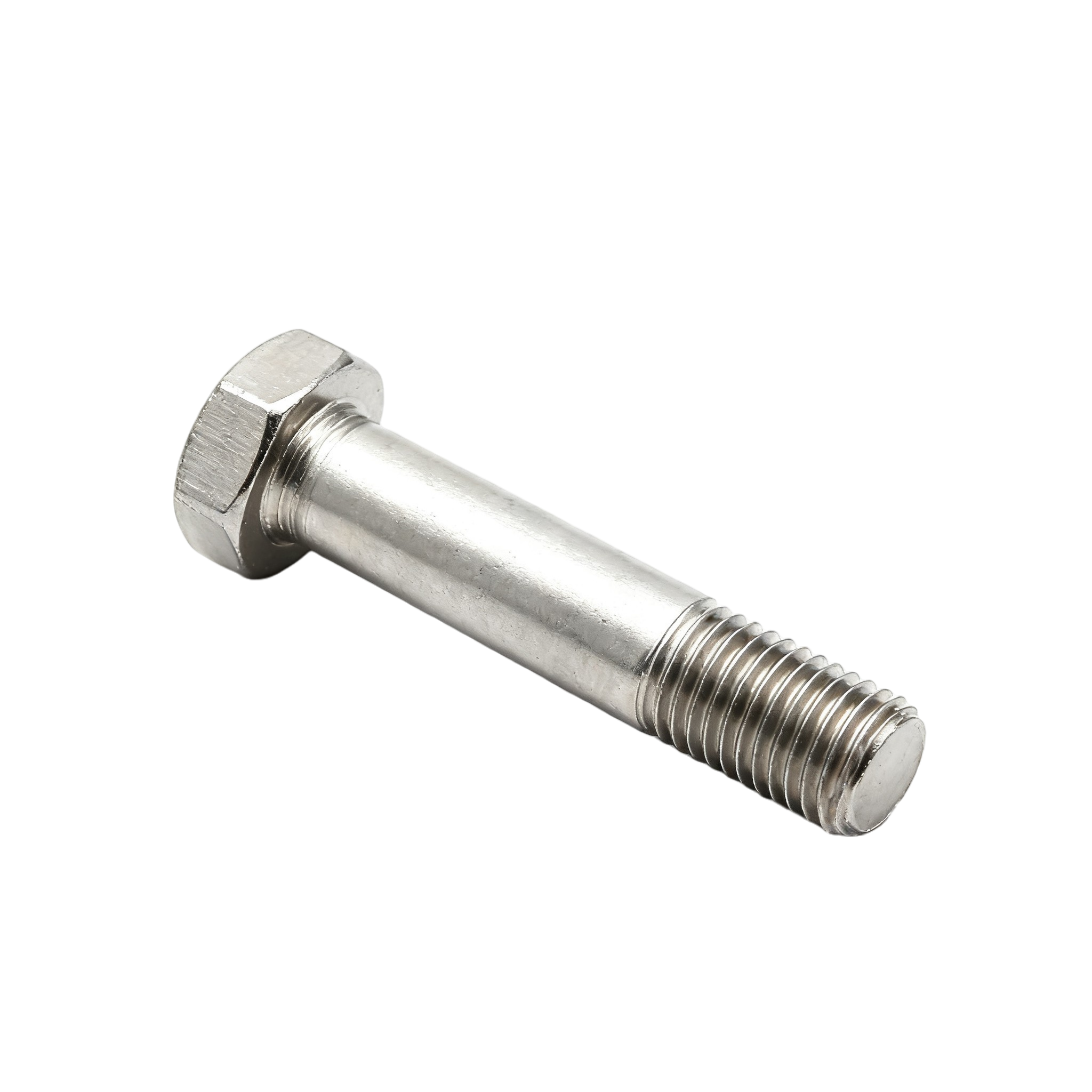
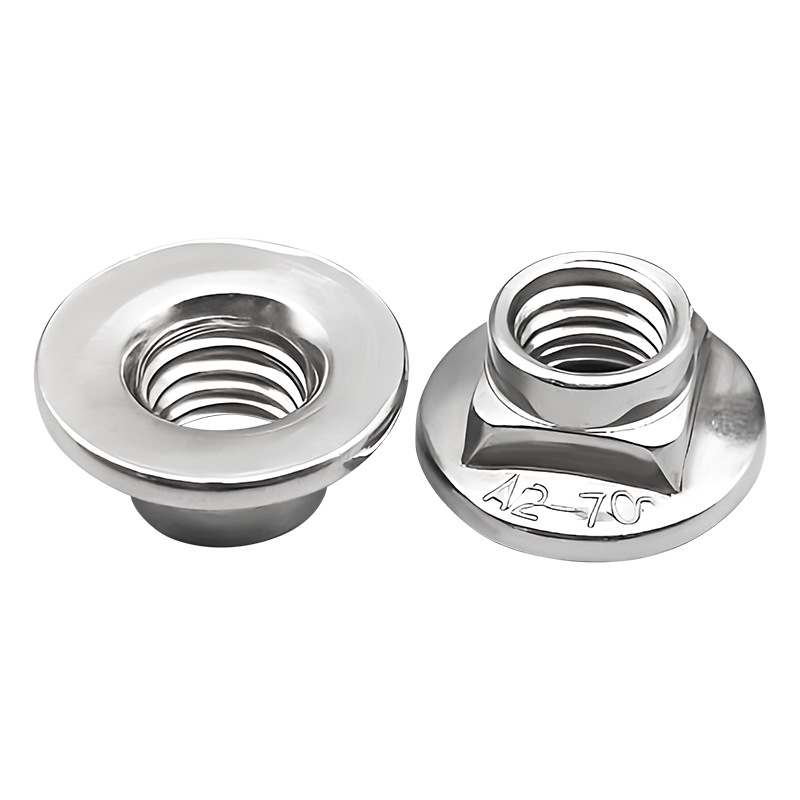
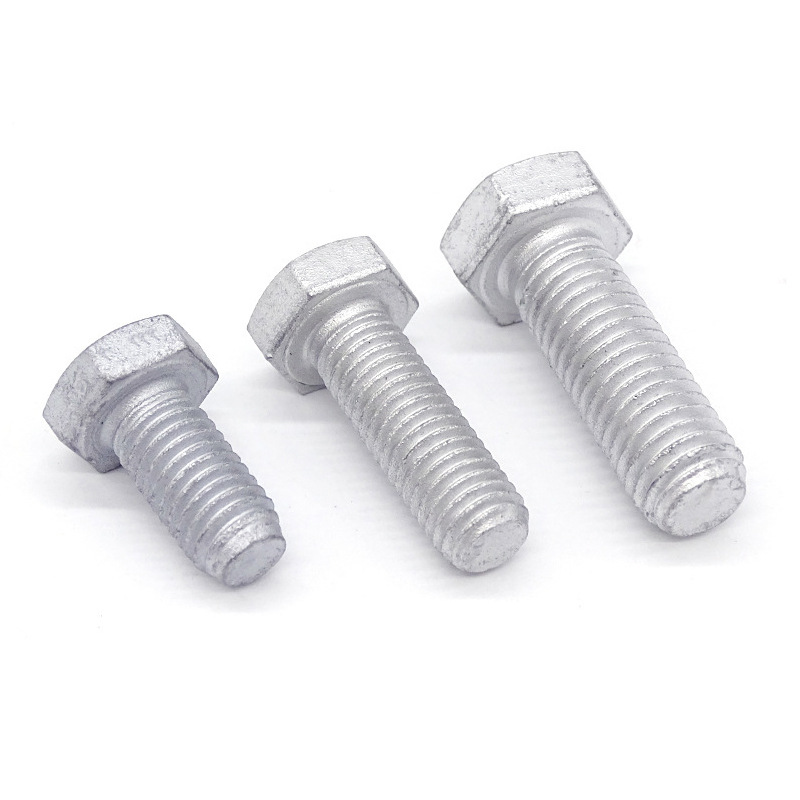
Scientific test design is the core prerequisite for failure research. It requires defining test objectives and selecting suitable specimens and parameters based on actual application scenarios to ensure targeted and universally applicable results. Specimen selection must follow the principle of "simulating reality," using bolt specifications, materials (such as carbon steel, alloy steel, stainless steel), and matching nuts and washers consistent with actual applications, while ensuring batch consistency to avoid material discrepancies affecting results. Parameter setting must cover key influencing factors, including tightening torque, preload, load type, and environmental conditions. The matching relationship between tightening torque and preload is the core parameter, requiring preset multi-level gradient values based on bolt specifications and thread precision.
Specialized Test Schemes
Specific test schemes must be designed for different failure types. Tightening failure tests primarily use the control variable method, setting multiple tightening torque gradients. Torque wrenches and preload testers are used to synchronously collect data, analyzing the torque-preload relationship to determine the optimal tightening range. Simultaneously, the anti-loosening capability of bolts under different tightening degrees is tested by simulating operational vibrations on a vibration test bench to record loosening time and failure critical loads. Fatigue failure tests utilize fatigue testing machines to apply alternating loads simulating actual working conditions. By setting parameters like load amplitude and frequency, continuous testing is conducted until bolt fracture, recording fatigue life, crack initiation positions, and propagation rates to analyze the impact of load characteristics on fatigue failure.
Corrosion failure tests require simulating harsh working environments using equipment like salt spray chambers and damp heat test chambers to construct corrosive environments such as salt spray, high temperature/humidity, and acid/alkali exposure. With test cycles typically ranging from 24 to 720 hours, the bolt's surface corrosion state, dimensional changes, and tensile strength attenuation are regularly monitored to quantify the impact of corrosive environments on assembly reliability. Additionally, composite failure tests are indispensable. For scenarios involving multi-factor superposition in actual conditions, composite environment tests like "vibration + corrosion" or "alternating load + high temperature" are designed to simulate real failure processes and comprehensively grasp the comprehensive influencing factors of bolt assembly failure.
Data Control and Practical Value
Precise control during test implementation and subsequent data analysis directly determine the reliability of research results. Equipment must be calibrated before testing to ensure the accuracy of torque wrenches, fatigue testing machines, and corrosion test chambers. During testing, strict adherence to operating procedures and synchronous recording of data—including tightening torque, preload, load values, test duration, and failure states—are essential to avoid human operational errors. Post-test failure analysis utilizes professional tools; microscopes are employed to observe the microscopic morphology of fracture and corrosion surfaces to identify failure roots (such as the beach mark patterns of fatigue fractures or pitting traces of corrosion failure). Through data fitting and comparative analysis, quantitative relationships between failure factors and results are established to clarify the weight of key influencing factors.
The core value of bolt assembly failure testing lies in providing scientific guidance for production practice, driving assembly process optimization and product selection upgrades. Based on test results, enterprises can targetedly optimize tightening processes, adopting precise methods like torque control or torque-angle control to replace traditional manual tightening, ensuring preload remains within the optimal range. For high-fatigue-failure scenarios, high-strength, high-toughness bolt materials can be selected, or surface treatments (like carburizing or galvanizing) can be applied to enhance fatigue resistance. In corrosive environments, stainless steel or corrosion-resistant alloy bolts paired with anti-corrosion washers and seals are prioritized to reduce failure risks.
Furthermore, test research provides a basis for bolt quality control. By establishing failure critical parameter standards and improving factory inspection processes, non-conforming products can be identified early. It also offers references for equipment maintenance; targeted inspection and replacement plans can be formulated based on failure cycles derived from tests to avoid operational risks. With the development of intelligent technology, bolt assembly failure testing is advancing towards automation and precision. Introducing data acquisition systems and AI analysis algorithms enables real-time monitoring of the test process and rapid localization of failure causes, further enhancing research efficiency and result transformation capabilities.
In summary, bolt assembly failure testing is a core means of guaranteeing mechanical connection reliability. It requires precisely designing test schemes based on actual working conditions and solving failure problems through systematic testing and in-depth analysis. For the fastener industry, continuously deepening failure test research and translating results into practical momentum for process optimization and product upgrades not only enhances the market competitiveness of bolt products but also provides safer and more reliable connection solutions for downstream industries, promoting high-quality development across the entire industrial chain.


 135-6073-0094