






















 Login
Login



Products
Solutions
Applications





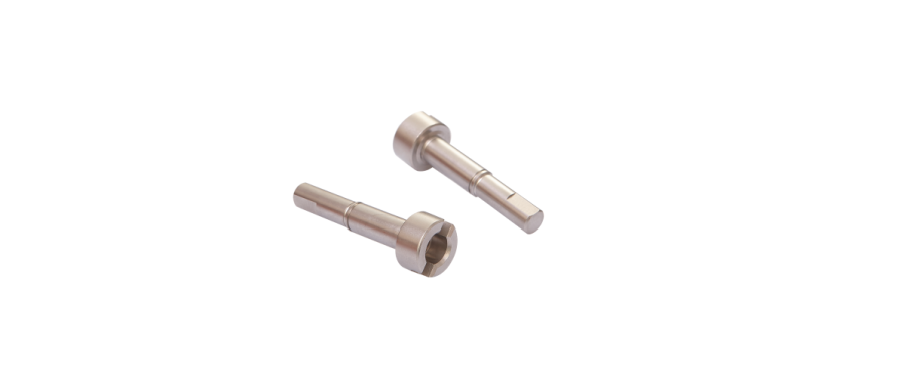
In fastener warehouse management, products passing incoming inspection but becoming defective during storage is a common pain point. Permanent deformation caused by improper storage and stacking is the second largest hidden loss after corrosion. As a fastener industry platform, we frequently receive reports that high-precision fasteners, which showed no issues during incoming inspection, develop bent shafts, deformed threads, or damaged heads after months of storage and become unusable. Many attribute this loss to poor product quality or transportation vibration, but overlook the most easily ignored factor: incorrect stacking methods.
Fasteners, as precision metal components, are characterized by slender shafts, concentrated weight, and vulnerable structures. Under prolonged improper pressure and uneven force, they easily exceed the material's yield limit and undergo irreversible plastic deformation. Industry warehouse data shows that warehouses using incorrect stacking methods experience fastener deformation loss rates of 3 to 5 percent, while scientifically managed warehouses maintain rates below 0.1 percent. This article comprehensively explains stacking mistakes for stored fasteners and provides practical scientific storage guidelines to help practitioners avoid losses, reduce costs, and protect product quality.
The core understanding is that permanent deformation of fasteners occurs when the prolonged load exceeds the material's yield limit, causing plastic deformation that cannot recover. This deformation, though seemingly minor, directly affects assembly precision and load capacity. It can cause assembly difficulty in mild cases and equipment loosening or fracture in severe cases. Incorrect stacking is the main cause of such loss, with the following three stacking behaviors being the most common and most likely to cause deformation.
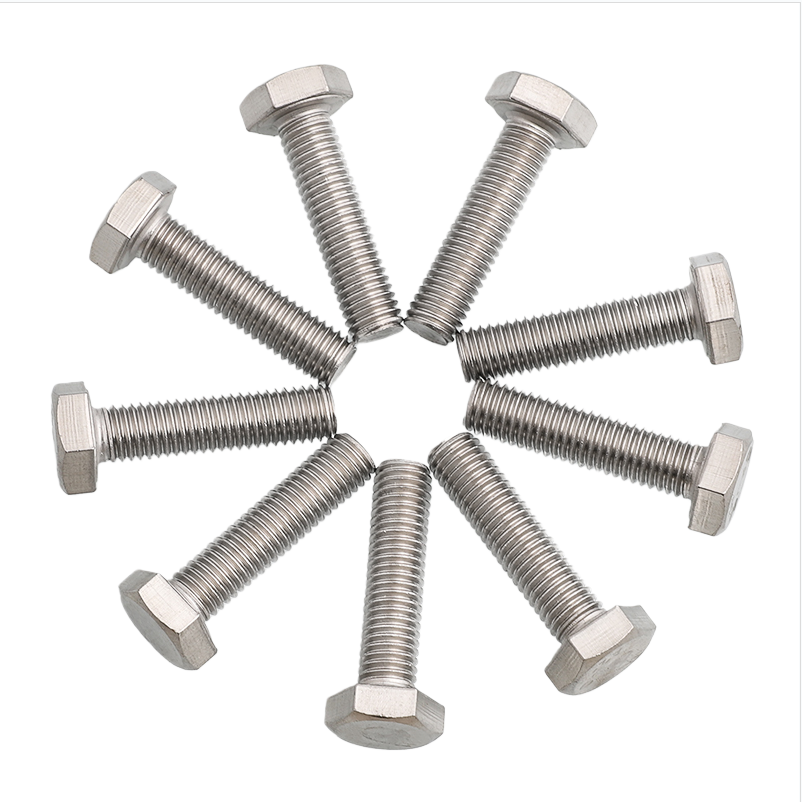
The first common mistake is excessively high stacking, which causes overload on bottom fasteners. To save warehouse space, many stacks exceed three meters in height, especially for heavy fasteners. For structural bolts M20 and above, a standard box can weigh 50 kg. A five-layer stack has a total weight exceeding 250 kg. Bottom boxes are subjected to prolonged pressure of hundreds of kilograms from above. The consequences are direct. For slender bolts, the shafts gradually bend and threads become damaged. For nuts, the hexagonal shape becomes deformed, creating rounded corners that no longer fit wrenches properly. For washers and spring washers, they become flattened, losing their original elasticity and sealing performance. More subtly, some overloads do not cause immediate visible deformation but create fatigue damage inside the fasteners, leading to delayed fracture during later use that is difficult to trace.
The second common mistake is mixed and disorderly stacking, causing center of gravity shift and lateral pressure deformation. Some warehouses, for convenience, mix fasteners of different specifications, materials, and shapes on the same pallet or in large bags without proper strapping. This disordered stacking method easily causes deformation. Mixed stacking leads to an unstable center of gravity and no fixed internal support. During warehouse handling, forklift movement, or environmental vibration, internal fasteners roll and shift, creating lateral shear forces. For example, large nuts rolling onto the middle of slender bolts causes irreversible bending under prolonged side pressure. Fasteners of different hardness squeeze against each other, leaving indentations or even damaging threads. Small screws and washers mixed with large fasteners become crushed, deformed, or stuck together. This not only causes deformation but also increases sorting workload, reduces warehouse efficiency, and leads to incorrect or missing shipments.
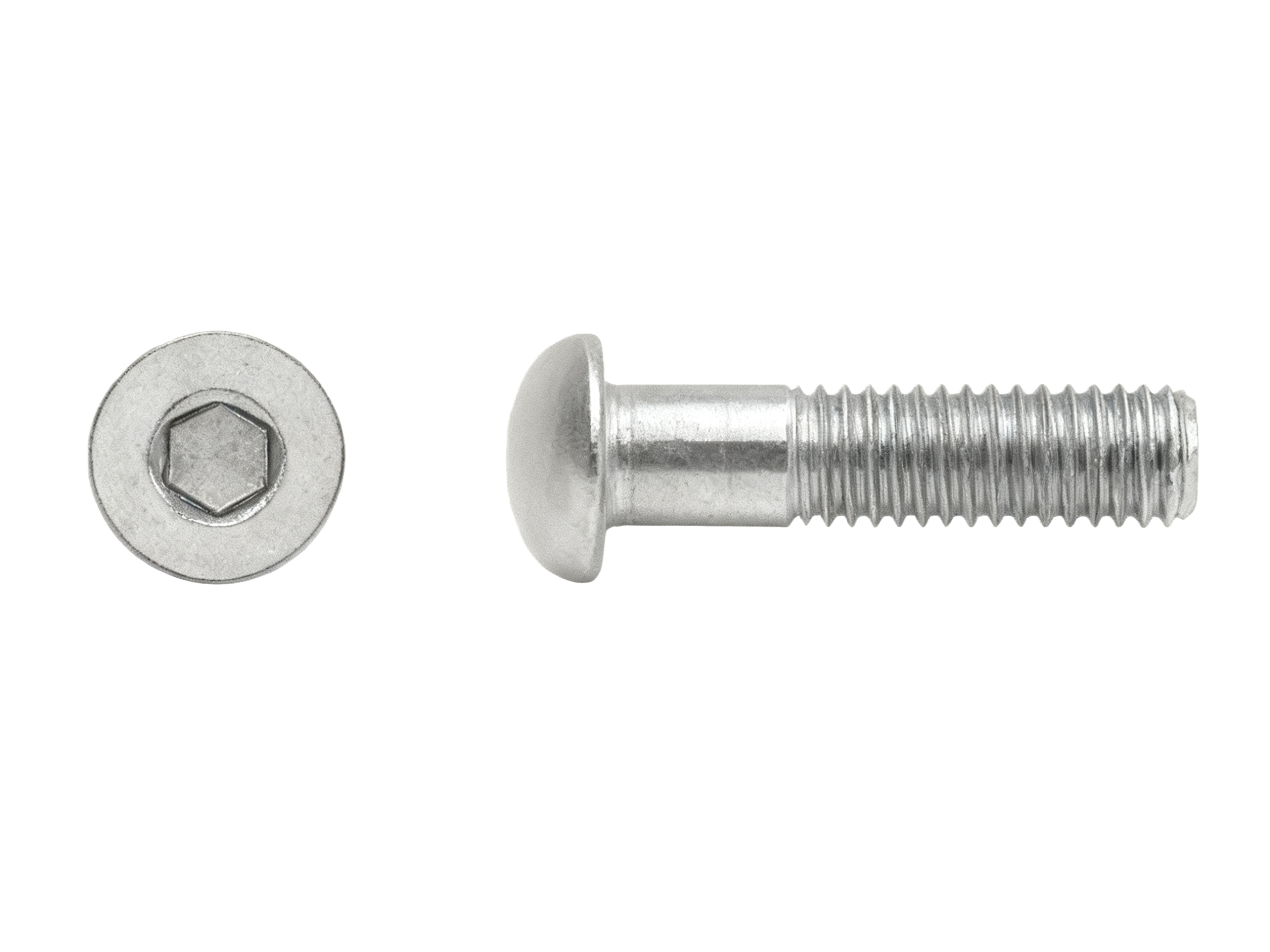
The third easily overlooked mistake is vertical stacking, ignoring differences in load-bearing area. Many warehouse workers believe vertical placement is most stable, but for fasteners, vertical stacking is a major cause of deformation. For bolts, if stacked vertically in bundles, the weight rests on the bolt heads. If the stack tilts, the bottom bolt heads are subjected to enormous point pressure, causing necking deformation at the head-shaft junction or even head fracture. Hexagon socket bolts and countersunk bolts are particularly affected. Hexagon socket bolts have thin head walls, and vertical stacking easily damages the socket, making disassembly impossible. Countersunk bolts have flat heads that deform under pressure, preventing proper seating against assembly surfaces. Spring washers and cotter pins, if stacked vertically, become compressed and lose their elasticity, failing to provide anti-loosening or positioning functions.
To avoid fastener storage deformation, the central approach is differentiated stacking and storage based on material, specification, and shape, combined with warehouse environment control. Below are practical storage standards for different scenarios.
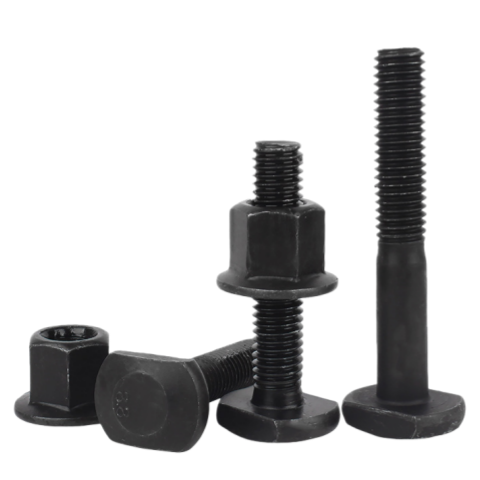
For long, slender fasteners such as bolts and screws, the core principles are strict height control, horizontal placement, and avoiding unsupported pressure on long shafts. Standard practices include keeping stack height strictly within 1.5 meters, never exceeding 2 meters. For bolts M12 and above with thick shafts, limit height to 1.2 meters. Use wooden or plastic pallets, spread fasteners flat on pallets, and use stretch film and strapping for horizontal strapping to ensure even load distribution. If individual boxes are too heavy, add dividers or use totes for layered storage to distribute vertical pressure.
For small to medium fasteners such as nuts, small screws, and washers, the core principles are sorting by type, preventing rolling, and avoiding mixed stacking. Nuts, especially thick nuts M10 and above, are easily deformed. Use standard cardboard boxes filled full, with stack height not exceeding 1.8 meters. Small screws and washers are light but small. Use totes or small bags for sub-packaging, then neatly stack on pallets. Do not pour them loosely into large woven bags for direct stacking, as this crushes bottom products. For elastic parts such as spring washers and cotter pins, use sealed plastic bags for separate packaging, then place upright in cardboard boxes to avoid compression causing permanent closure.
For high-precision and special material fasteners such as stainless steel, nickel-plated, and fine thread fasteners, the core principles are dedicated isolation and zero contact to avoid friction and point pressure damage. Stainless steel fasteners have smooth surfaces and easily slide and shift when stacked. Use corrugated cardboard dividers between layers, or store on dedicated shelf boards, never stack directly. Nickel-plated and oxidized treated fasteners have delicate surface coatings. Use individual boxes or bubble bags for wrapped storage, avoiding friction that causes peeling or wear. Fine thread and non-standard fasteners have low interchangeability and high unit cost. Store on dedicated shelves rather than ground pallets to reduce handling loss and inventory risk.
Beyond scientific stacking, warehouse environment optimization also helps avoid fastener deformation. Control moisture and vibration. Keep the warehouse away from travel lanes and fan outlets to avoid forklift vibration and low-frequency fan vibration, which accelerate metal fatigue. Use moisture-proof mats on the floor, controlling indoor humidity between 45 and 60 percent. This prevents both rust-related false deformation and material embrittlement caused by damp environments. Standardize pallet management. Never stack fasteners directly on dirt floors or damp concrete floors. Always use pallets to elevate at least 10 to 15 cm above the floor, preventing uneven floors from tilting pallets and causing unilateral pressure deformation.
Additionally, follow the first-in-first-out principle to shorten storage periods, which is also key to reducing deformation. Even with optimal storage methods, fasteners stored for more than six months may experience internal stress changes, increasing deformation risk. As a fastener industry platform, we recommend guiding customers to follow first-in-first-out. Establish comprehensive inventory records in the warehouse, periodically clear out long-term inventory, conduct secondary inspections on fasteners stored for extended periods, and promptly address deformed or rusted products to prevent them from reaching the market and causing disputes.
The scientific storage methods shared here are low-cost and easy to implement, effectively reducing warehouse loss while ensuring product delivery quality. We recommend that all fastener companies and warehouse practitioners incorporate deformation prevention into their warehouse management standards, strengthen pre-job training for employees, and standardize stacking procedures. We will continue to provide more practical content on fastener storage, selection, and usage, supporting the industry's standardized development.
Professional consultant team online, ready to provide solutions for you
Contact NowProducts
Solutions
Applications
Contact
 Contact
 WeChat
Contact: Manager Fan - Tel/WeChat: 135-6073-0094 Email: Flora.Fan@toprecision.com | Manager Ao - Tel/WeChat: 13560729614 Email: Olia.Ao@toprecision.com
Sales Director: Mr. Zhang - Tel: 13510369429 Email: xiaowei.zhang@zcjtech.com
© Copyright 2011 - 2026 Shenzhen Toprecision Precision Technology Co., Ltd. All Rights Reserved.
 粤ICP备2025493240号-1


Cutter Screws
Thread Inserts
Sealing Products
Riveting Products
Locking Products
Direct Assembly
SMT Components
Precision Screws
Screwdriver Bits