























 Login
Login



Products
Solutions
Applications






As core foundational components in mechanical manufacturing, construction engineering, and the automotive industry, fasteners are known as the "rice of industry." Their technical standards directly impact the stability, safety, and service life of products. Seemingly simple fasteners like bolts, nuts, and screws actually embody core technologies across multiple fields, including materials, processing, connection, and inspection. Mastering these basic technologies is an essential capability for industry practitioners and a key factor in ensuring the quality of downstream products. Starting with the basic classification of fasteners, this article systematically analyzes core technical points, combines them with practical application scenarios, and outlines technical application specifications and common issues, providing comprehensive and practical technical references for industry colleagues.
I. Core Classification and Basic Characteristics of Fasteners
The classification of fasteners must consider dimensions such as structure, purpose, and connection method. Different types of fasteners have significantly different technical requirements and application scenarios, which is the primary prerequisite for mastering basic technologies. Classified by structural form, the most common categories include six major types: bolts, screws, nuts, washers, pins, and rivets, each with a clear technical positioning and applicable scenario.
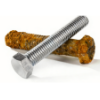
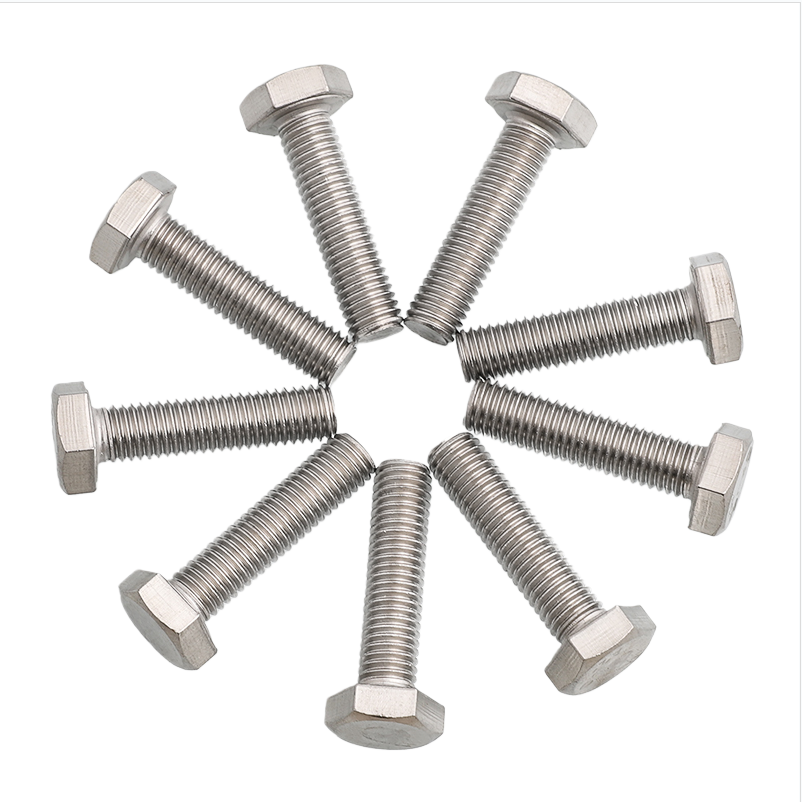
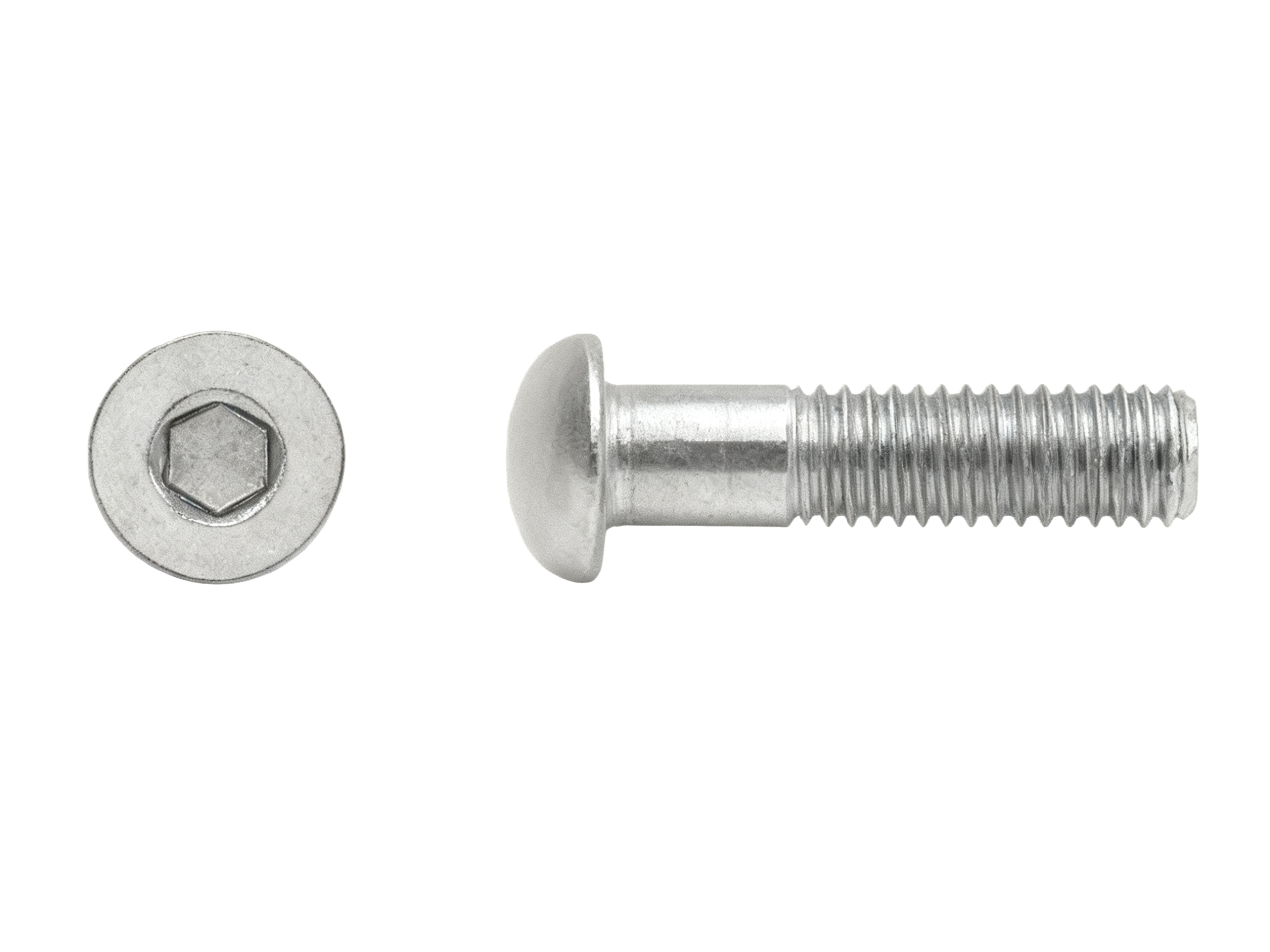
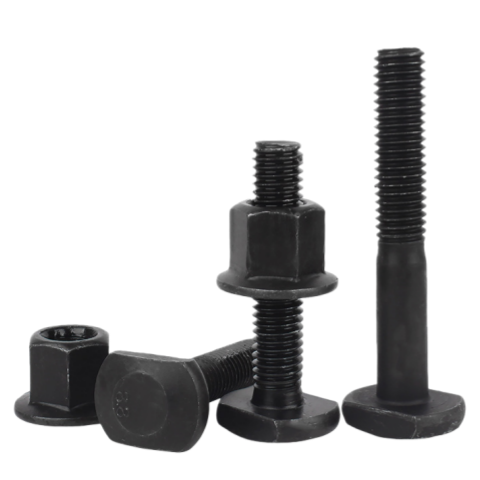
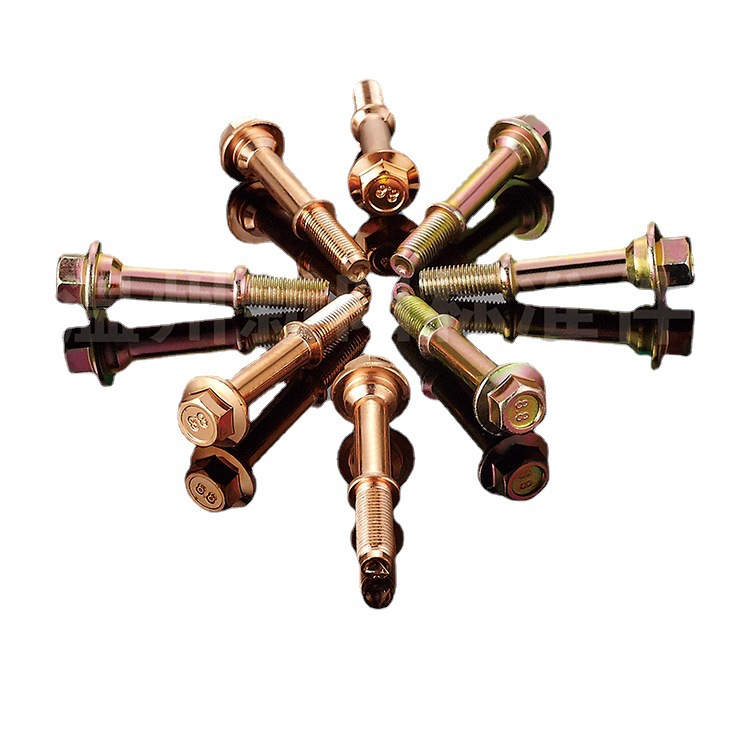
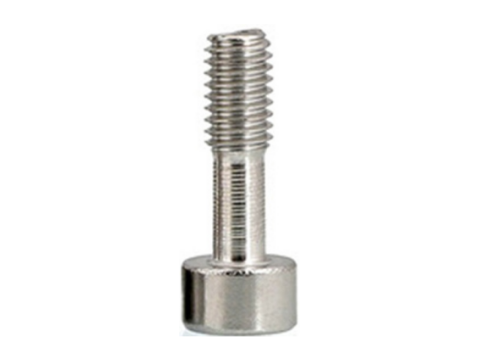
As the core component for detachable connections, the key technical points of bolts lie in thread precision and load-bearing capacity. Based on head shape, they can be divided into hexagon head, cylindrical head, and countersunk head bolts. Among them, hexagon head bolts are widely used in heavy-load scenarios like machinery and construction due to their uniform force distribution and ease of assembly/disassembly. The core difference between screws and bolts is that screws do not require a matching nut; they can be screwed directly into the threaded hole of the connected part, making them suitable for lightweight, small-load connections. Common self-tapping screws and wood screws require thread designs that balance penetration power with connection firmness.
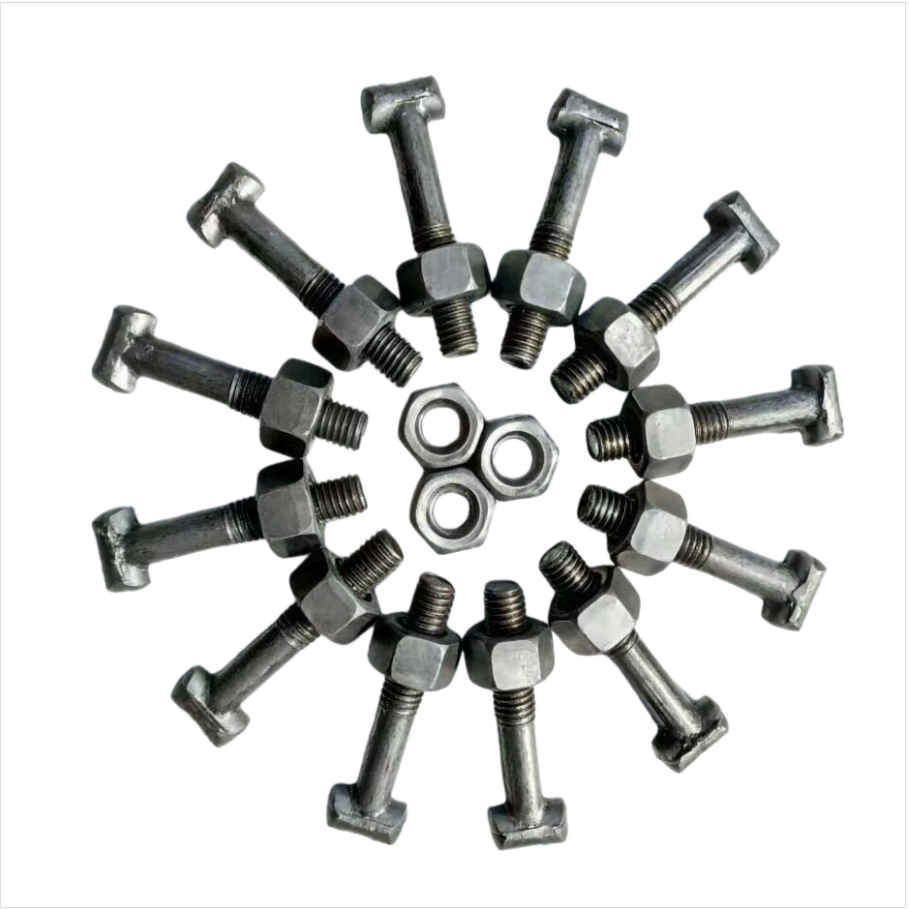
As a mating component for bolts, the internal thread precision and hardness of nuts must strictly match the bolt to avoid issues like thread stripping or disengagement. Based on purpose, they can be divided into standard nuts, locknuts, and prevailing torque (anti-loosening) nuts. Prevailing torque nuts solve connection loosening problems in vibrating scenarios through techniques that increase friction or provide mechanical locking, making them core supporting components in high-end equipment and automotive fields. The core function of washers is to distribute pressure, protect the surface of connected parts, and assist in anti-loosening. Their thickness, hardness, and material must be reasonably selected based on the connection load and the material of the connected parts. For commonly used flat washers and spring washers, the technical essentials lie in dimensional precision and elastic recovery capability.
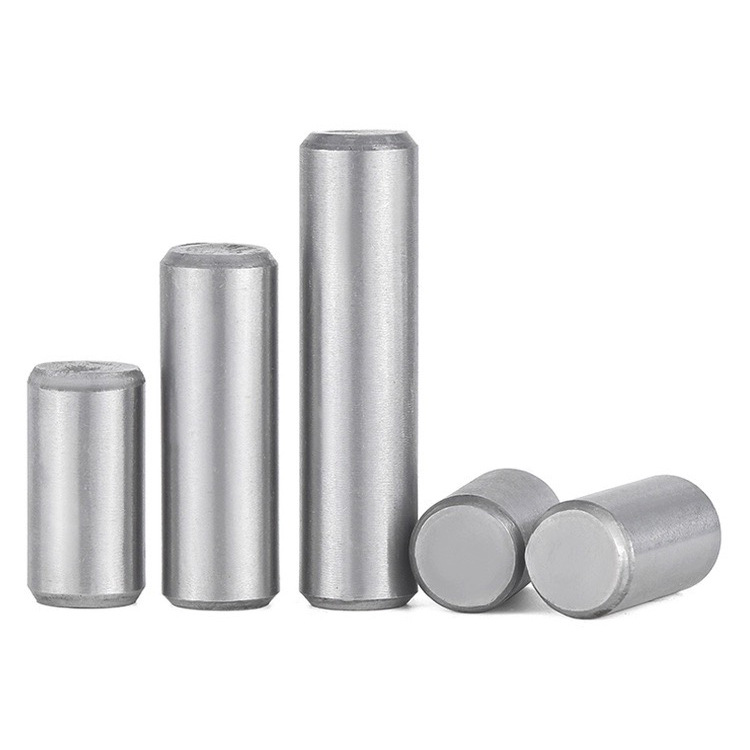
Additionally, pins and rivets are mostly used for permanent (non-detachable) connections. The technical focus of pins lies in diameter precision and positioning accuracy, while rivets must ensure strength and sealing after riveting, making them suitable for scenarios with high reliability requirements such as aviation and home appliances. Mastering the basic characteristics of various fasteners is the foundation for subsequent technical applications and selection.
II. Key Points of Core Basic Fastener Technologies
Basic fastener technology spans four core links: material selection, processing technology, thread technology, and connection principles. Technical control in every link directly determines the performance and service life of fasteners, making it essential content that industry practitioners must master.
(A) Material Selection Technology
Material is the foundation of fastener performance. Different application scenarios have varying requirements for material strength, hardness, corrosion resistance, and high-temperature resistance. Rational material selection is the first step in ensuring fastener reliability. Currently, common fastener materials are mainly divided into four categories: carbon steel, alloy steel, stainless steel, and non-ferrous metals, each with distinct technical characteristics and application scenarios.
Carbon steel is the most commonly used fastener material, offering low cost and good machinability. Based on carbon content, it can be divided into low-carbon, medium-carbon, and high-carbon steel. Medium-carbon steel (such as Grade 45 steel), after quenching and tempering, offers moderate strength and hardness, suitable for ordinary load scenarios. High-carbon steel (such as Grade 65 steel) has higher hardness and is suitable for high-strength connections, but its poor toughness requires strict control over processing techniques. Alloy steels (such as 40Cr, 35CrMo) enhance strength, hardness, and wear resistance by adding alloying elements like chromium and molybdenum. They are suitable for complex scenarios involving heavy loads, high temperatures, and vibrations, such as automotive engines and engineering machinery. The core technical point lies in the synergistic control of alloy element ratios and heat treatment processes.
The core advantage of stainless steel fasteners (such as 304, 316) is strong corrosion resistance, making them suitable for harsh environments like humidity, acids, and alkalis, such as marine engineering and food machinery. The technical point lies in controlling the chromium and nickel content in the material to avoid intergranular corrosion. Non-ferrous metal (such as copper, aluminum) fasteners are lightweight and offer good electrical conductivity, suitable for lightweight and conductive scenarios in electronics and aviation. The focus of their processing technology lies in avoiding deformation and cracks during processing.
(B) Processing Technology
The processing technology of fasteners directly affects their dimensional precision, surface quality, and mechanical properties. Core processes include five major steps: cold heading, hot heading, turning, thread processing, and heat treatment, each with strict technical specifications.
Cold heading is the core process for mass production of fasteners, suitable for forming the heads of bolts and screws. Its technical essentials lie in controlling cold heading temperature, pressure, and die precision. It forms the material through cold plastic deformation, offering advantages such as high efficiency, high material utilization, and good mechanical properties. Currently, mainstream industry cold heading equipment can achieve automated production with precision controlled within ±0.01mm. Hot heading is suitable for large-sized, high-strength fasteners, forming the material after softening it through heating. It requires controlling heating temperature and holding time to avoid defects like oxidation and decarburization, which affect fastener strength.
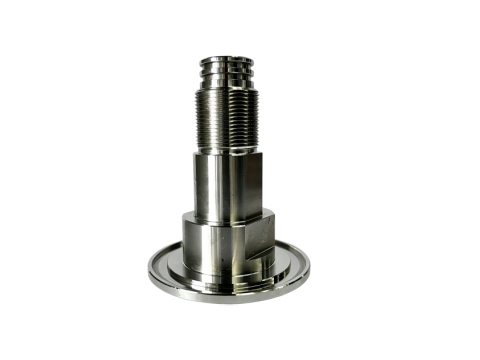
Thread processing is one of the core technologies of fasteners. Thread precision directly affects connection reliability. Common processes include rolling, turning, and tapping. Among them, thread rolling offers high efficiency and precision, suitable for mass production. Its technical essentials lie in the precision of the thread rolling dies and the control of rolling pressure. Thread turning is suitable for high-precision, special-specification fasteners, requiring control over thread pitch and tooth profile precision to avoid issues like crossed threads or stripping. Heat treatment is key to enhancing fastener strength and hardness. Common processes like quenching, tempering, and carburizing require reasonable parameter adjustments based on material properties and performance requirements. For example, alloy steel fasteners can improve surface hardness and wear resistance through carburizing, extending service life.
(C) Basic Thread Technology
The thread is the core structure of fastener connections. Its technical parameters—including pitch, tooth profile, and precision grade—directly determine the firmness and interchangeability of the connection. Common thread types include metric threads, pipe threads, and trapezoidal threads. Metric threads (such as the M series) are the most widely used, featuring a triangular tooth profile and uniform pitch, suitable for general connections. Pipe threads are mainly used for pipeline connections and must ensure sealing; their tooth profile differs significantly from metric threads. Trapezoidal threads have strong load-bearing capacity and are suitable for heavy-load and transmission scenarios.
Thread precision grades are divided into classes such as 4H, 5H, and 6H. Higher precision means smaller dimensional errors and stronger connection reliability. High-end equipment and aerospace fields typically use high-precision threaded fasteners, and their precision control requires professional testing equipment. Additionally, surface treatment technology for threads is also crucial. Common processes like zinc plating, chrome plating, and phosphating can enhance corrosion resistance and surface hardness while increasing friction between threads to assist in anti-loosening.
(D) Connection and Anti-loosening Technology
The core function of fasteners is to connect components. Connection reliability and anti-loosening performance are the core requirements of basic technology, and different application scenarios require different connection and anti-loosening methods. Common connection methods include bolted connections, screw connections, riveting, and pin connections. Among them, bolted connections are the most widely used due to their detachability and strong load-bearing capacity. The technical point lies in controlling preload; insufficient preload leads to loose connections, while excessive preload may cause bolt fracture.
Anti-loosening technology is key to fastener application, especially in scenarios involving vibration and shock. Common anti-loosening methods are divided into three categories: mechanical locking, friction locking, and chemical locking. Mechanical locking (such as cotter pins, locking washers, and prevailing torque nuts) locks the thread through mechanical structures, offering high reliability suitable for heavy-load and vibrating scenarios. Friction locking (such as spring washers and lock washers) increases friction between threads; it features a simple structure and low cost, suitable for ordinary scenarios. Chemical locking (such as thread-locking adhesives) locks the thread through adhesive curing, offering good sealing suitable for complex scenarios like high temperatures and humidity.
III. Application Specifications and Common Issues in Basic Fastener Technologies
While mastering basic fastener technologies, it is necessary to follow specifications based on application scenarios to avoid connection failures caused by improper technical application. This is also one of the core capabilities for industry practitioners. In practical applications, three core points require focused attention:
Professional consultant team online, ready to provide solutions for you
Contact NowProducts
Solutions
Applications
Contact
 Contact
 WeChat
Contact: Manager Fan - Tel/WeChat: 135-6073-0094 Email: Flora.Fan@toprecision.com | Manager Ao - Tel/WeChat: 13560729614 Email: Olia.Ao@toprecision.com
Sales Director: Mr. Zhang - Tel: 13510369429 Email: xiaowei.zhang@zcjtech.com
© Copyright 2011 - 2026 Shenzhen Toprecision Precision Technology Co., Ltd. All Rights Reserved.
 粤ICP备2025493240号-1

Cutter Screws
Thread Inserts
Sealing Products
Riveting Products
Locking Products
Direct Assembly
SMT Components
Precision Screws
Screwdriver Bits