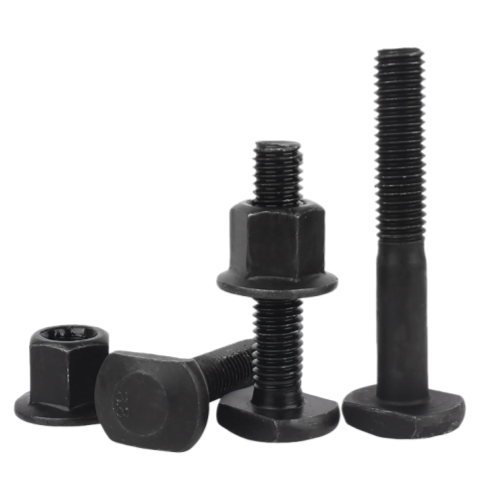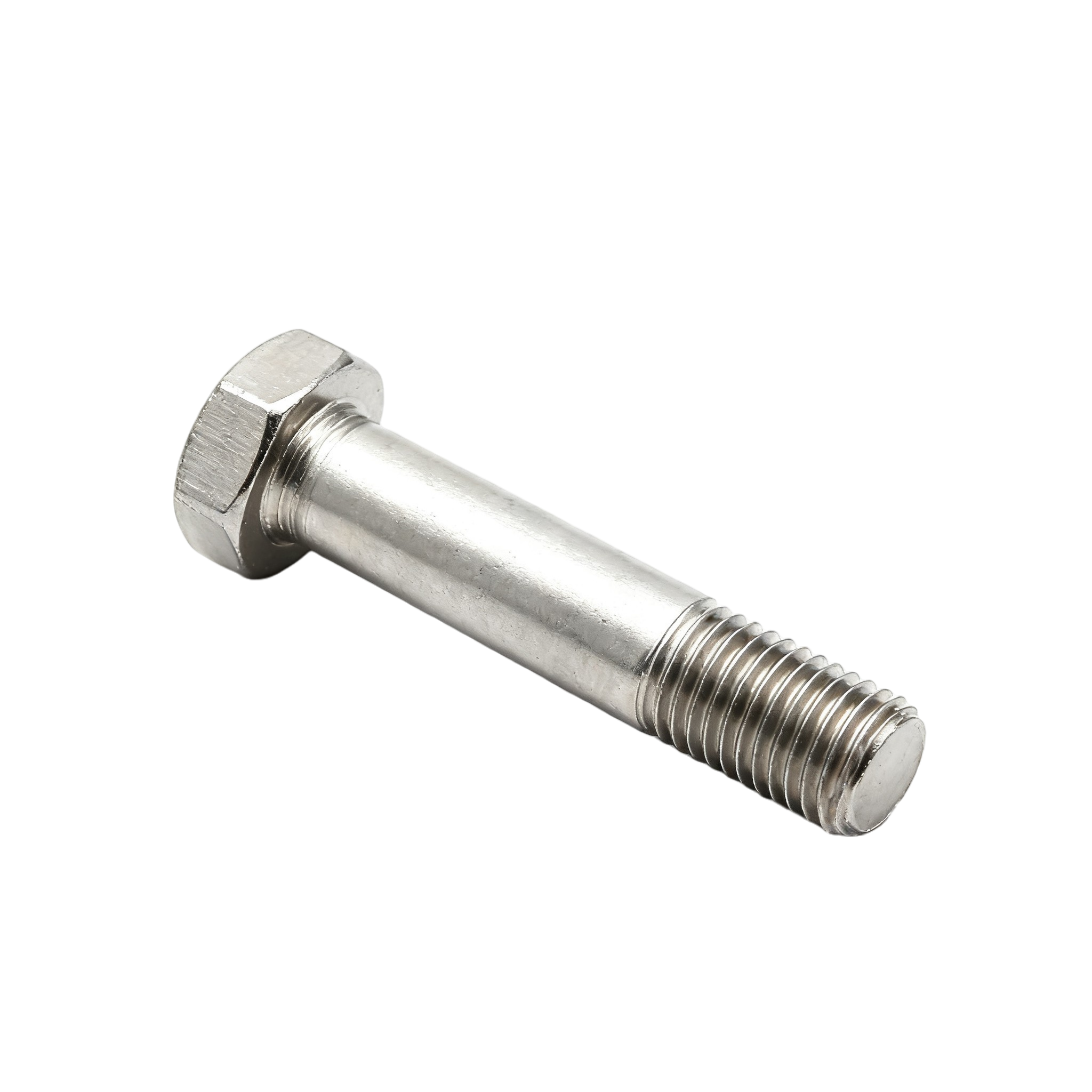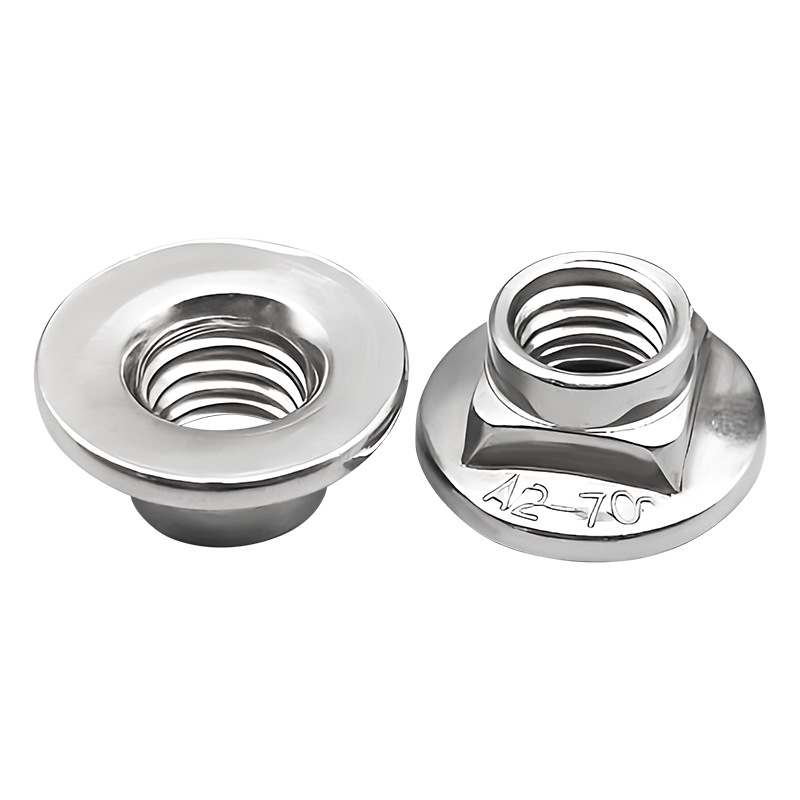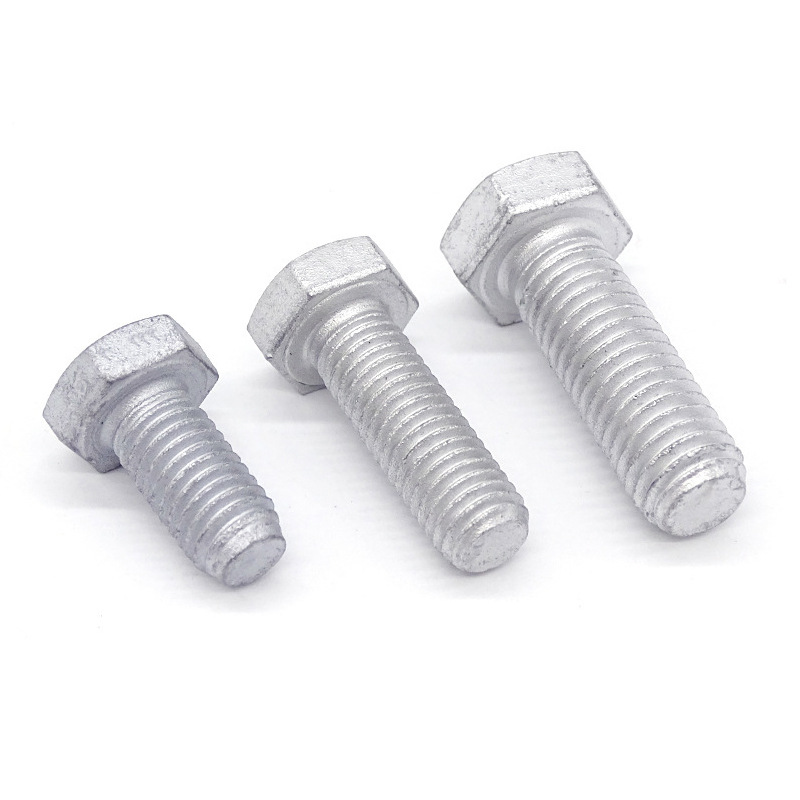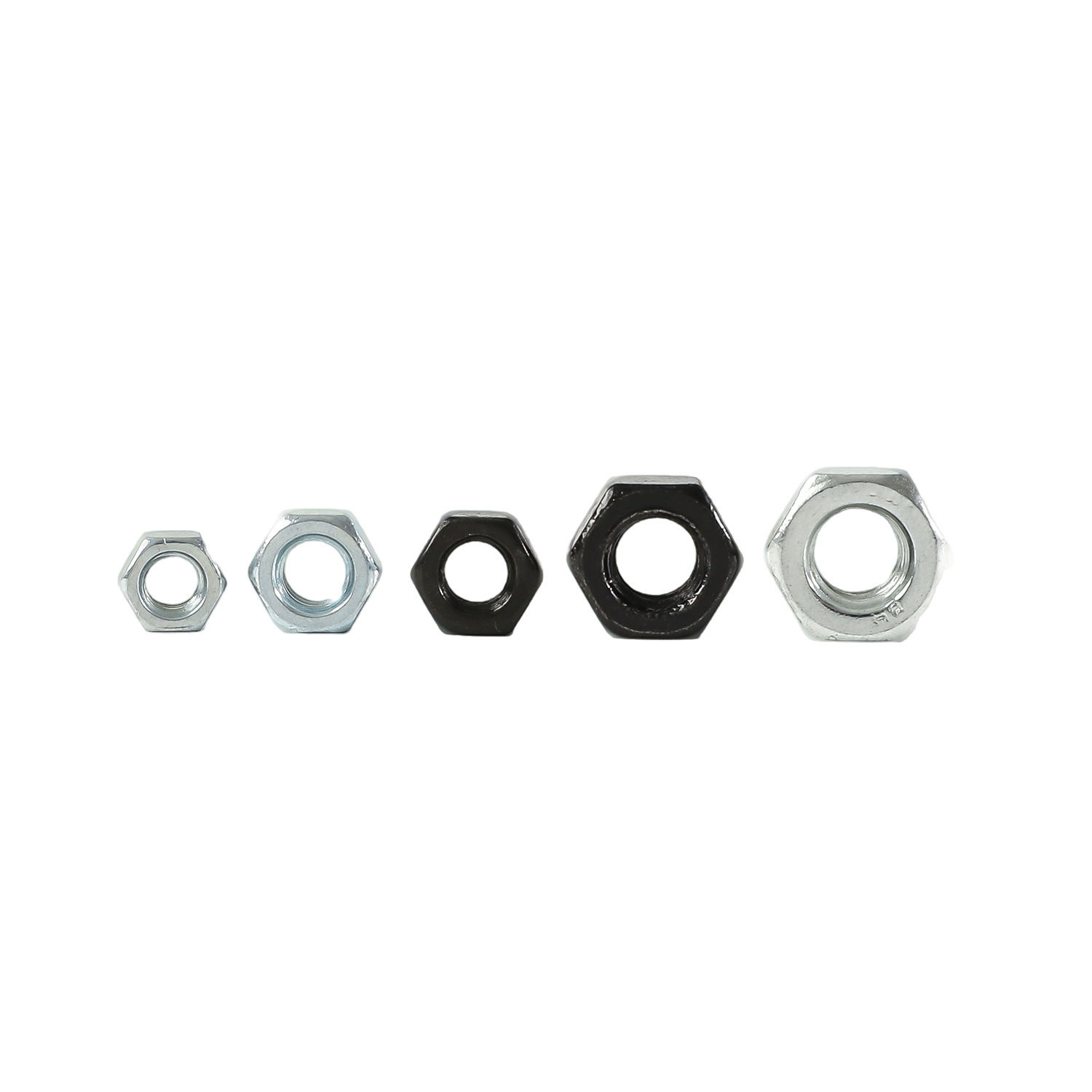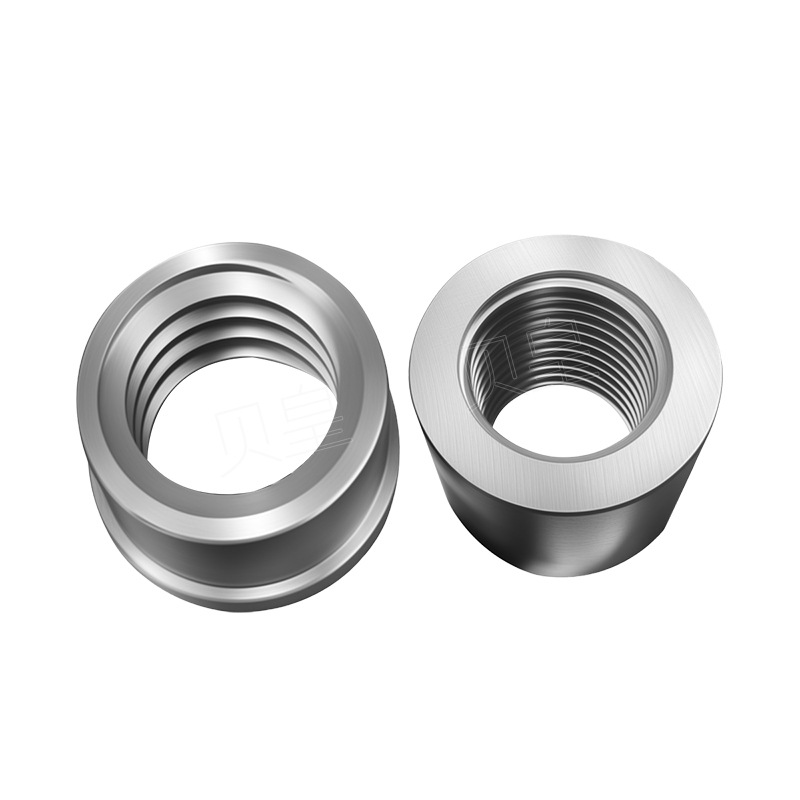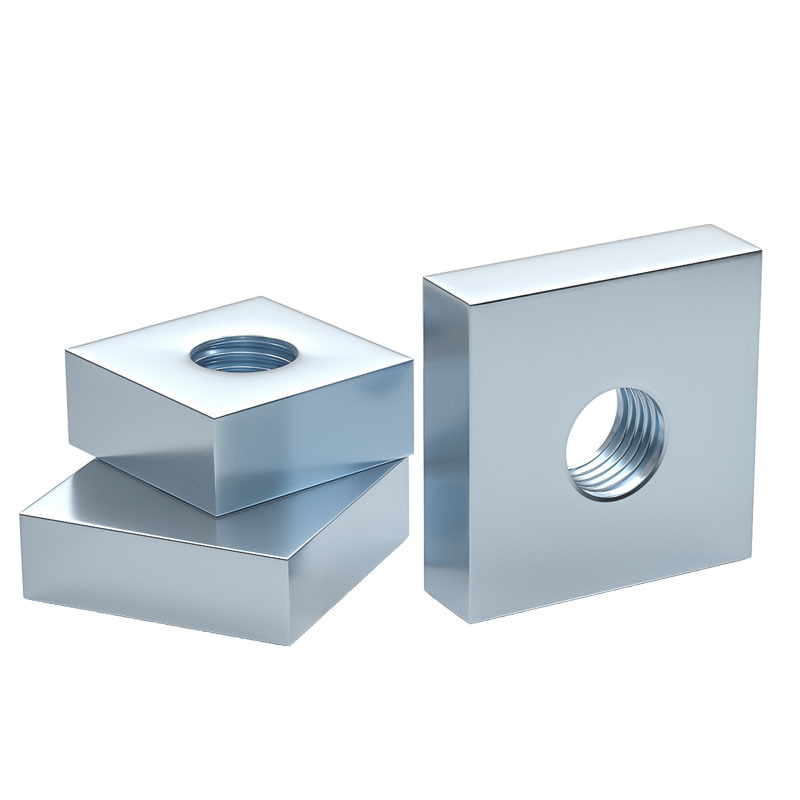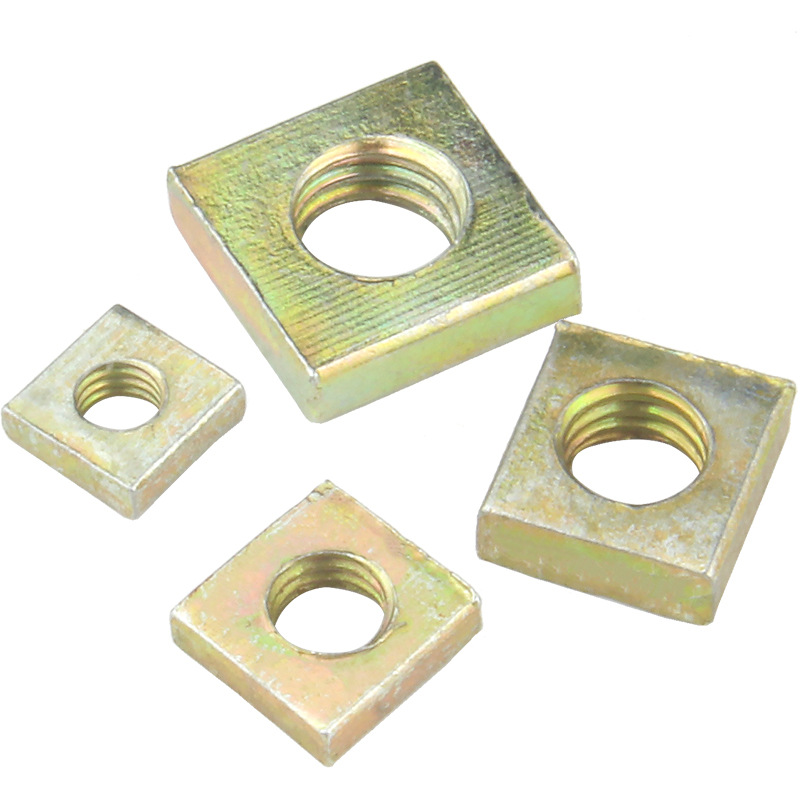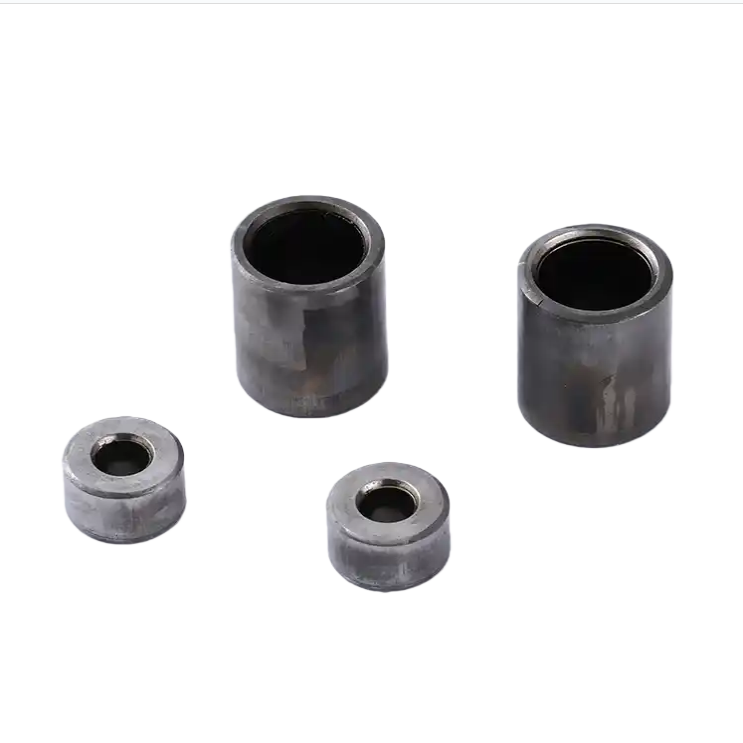
Fasteners are essential components in manufacturing, widely used in automotive, aerospace, electronics, construction, and renewable energy sectors. How to Choose the Right Fasteners is a common question engineers and procurement specialists encounter. This article provides a systematic answer covering technical principles, selection methods, and practical guidelines.
From a technical perspective, this topic involves materials science, tribology, and surface engineering. Understanding the underlying principles helps engineers select appropriate fastener specifications, strength grades, and surface treatments during the design phase, preventing assembly failures and safety hazards.
In practical applications, evaluate working conditions including load type, ambient temperature, corrosive media, assembly space, and maintenance requirements. For critical joints, verify mechanical performance per ISO 898-1 standards and recheck torque after assembly.
Toprecision provides comprehensive solutions from standard parts to custom-engineered fasteners, covering high-strength bolts, micro screws, wire thread inserts, and self-clinching fasteners for EV, robotics, and AI server applications. Contact our engineering team for support.
1. First, what are you connecting? — Clarifying the Application Scenario
This is the starting point of your selection. Start by asking yourself a few questions:
-
What are the materials being connected? Are you connecting two steel plates? Or perhaps aluminum, plastic, wood, or composite materials? Different materials have varying hardness and strength, requiring fasteners with matching characteristics. For example, connecting soft materials (like wood) may require larger washers to distribute pressure; whereas connecting high-strength steel plates requires bolts with matching strength.
-
Is the connection permanent or does it need frequent disassembly? If the equipment requires frequent maintenance, standard parts that are easy to assemble and disassemble, such as hex bolts/nuts, should be chosen. For permanent structures, you might consider riveting, welding, or fasteners coated with thread-locking adhesives.
-
What is the environment of the connection? This is key to determining the fastener's material and surface treatment. Is it a dry indoor environment? Outdoors exposed to wind and rain? Or is it in an extreme environment like a coastal area with high salinity, an industrial zone with corrosive gases, or subject to extreme high or low temperatures?
2. Core Parameters: Strength Grade and Material
Once the scenario is clarified, it's time to look at the "inner quality" of the fastener.
-
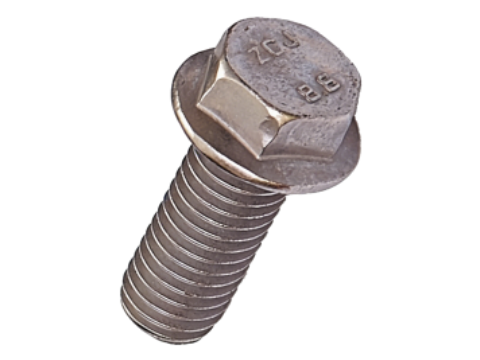
What is the Strength Grade? For bolts and screws, their heads are marked with performance grades, such as 4.8, 8.8, 10.9, and 12.9. These numbers represent their mechanical properties. Simply put, the number before the decimal point indicates 1/100 of the nominal tensile strength (in MPa), and the number after the decimal point represents the yield-to-tensile ratio (yield ratio). For example, a grade 8.8 bolt has a tensile strength of 800 MPa and a yield ratio of 0.8. The higher the grade, the higher the strength and hardness of the bolt, but its toughness may decrease accordingly. Higher grades are not always better; excessively high strength can bring the risk of brittle fracture in certain situations. Choosing the grade that matches your actual load requirements is the most economical and safest choice.
-
How to Choose the Material? Material is the foundation that guarantees the strength grade.
-
Carbon Steel: The most common material, covering most products from grade 4.8 to 10.9. It is cost-effective and suitable for general environments.
-
Stainless Steel: Represented by grades 304 and 316, its main feature is excellent corrosion resistance. Grade 316 (marine grade) offers better resistance to chloride corrosion than 304, making it suitable for coastal or chemical plant environments. However, the strength of stainless steel is generally lower than that of high-strength alloy steel of the same size.
-
Alloy Steel: Such as 35CrMo and 42CrMo, these are typically used to manufacture high-strength bolts of grade 10.9 and above, offering excellent comprehensive mechanical properties.
-
Non-ferrous Metals: Such as copper and aluminum, these are often used in special applications requiring electrical conductivity, heat conduction, or non-magnetic properties.
3. Addressing Special Challenges: Anti-loosening and Anti-corrosion
-
How to Prevent Loosening? Under conditions of vibration, impact, or varying loads, threaded connections may spontaneously loosen. Common anti-loosening methods include:
-
Frictional Locking: Such as spring washers and double nuts. The principle is to increase or maintain the friction between the threads.
-
Mechanical Locking: Such as cotter pins with castle nuts,串联钢丝 (safety wire), and locking washers. This physically restricts the rotation of the nut, making it highly reliable.
-
Permanent Locking: Such as spot welding or riveting, suitable for non-detachable connections.
-
Self-locking Nuts / Pre-coated Bolts: Self-locking nuts generate continuous friction by embedding a nylon ring or metal elastic element into the threads; pre-coated bolts have anaerobic adhesive pre-applied to the threads, which cures after tightening to achieve adhesive locking.
-
How to Combat Corrosion? In addition to choosing stainless steel, surface treatment of carbon steel fasteners is an economical and effective anti-corrosion method.
-
Electro-galvanizing (Zinc Plating): The most common and low-cost option, providing basic rust protection but with average corrosion resistance.
-
Hot-dip Galvanizing: Features a thicker coating and good corrosion resistance, but the appearance is rougher, and dimensional accuracy can be affected.
-
Dacromet: Carries no risk of hydrogen embrittlement and offers excellent corrosion resistance—7 to 10 times that of electro-galvanizing—with a uniform surface.
-
Phosphating / Black Oxide: Offers relatively weak rust protection but can absorb oil films, often used for surface treatment of internal equipment parts.
Summary and Recommendations
Selecting fasteners is a systematic decision-making process. Our advice at Shenzhen Yongjing Precision Technology Co., Ltd. is to start from the application, comprehensively considering the connected objects, load conditions, environmental factors, and installation/maintenance requirements, thereby determining the necessary strength, material, anti-loosening, and anti-corrosion methods. When you are unsure, the best approach is to consult our professional technical staff. Provide us with your detailed working conditions, and we will be dedicated to recommending the most suitable solution to ensure your connections are safe and reliable.


 135-6073-0094