Q6: How do surface treatment solutions differ for various substrate materials?
A6: Substrate characteristics directly determine the selection of surface treatment solutions, which must align with the base material's corrosion resistance, mechanical properties, and processing characteristics.
-
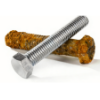
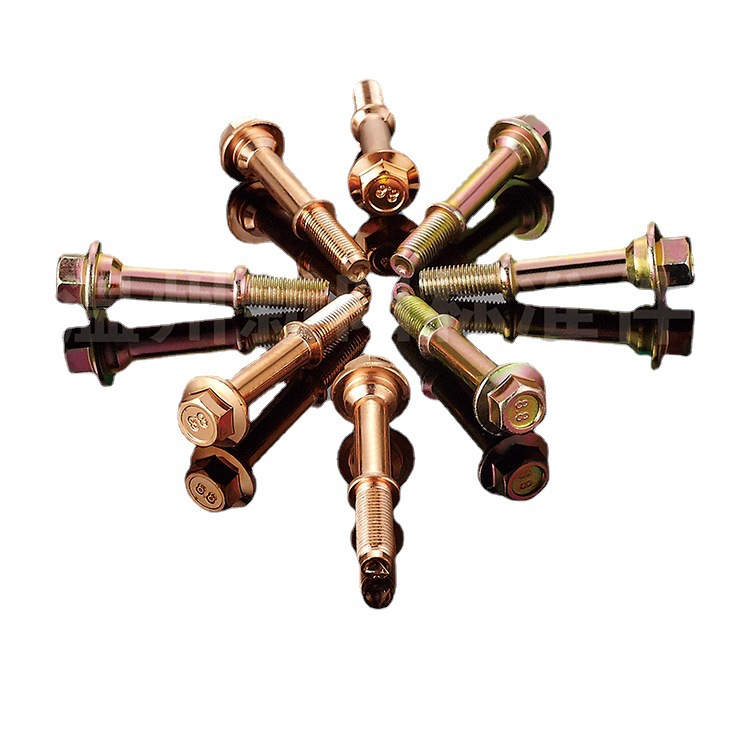
Carbon steel fasteners are prone to rust; basic solutions often include zinc plating (for general scenarios) or Dacromet (for heavy-duty outdoor use), with high-end applications adding passivation to enhance corrosion resistance.
-
Stainless steel fasteners inherently possess a degree of corrosion resistance. Surface treatments focus on functional enhancement, such as passivation to improve resistance to intergranular corrosion, or applying dry film lubricant coatings to optimize assembly performance.
-
Aluminum alloy fasteners are relatively soft and require protection from acidic coating corrosion. Anodizing (to enhance hardness and corrosion resistance) or chromate conversion coatings (for lightweight scenarios) are commonly used.
-
Copper alloy fasteners prioritize appearance and electrical conductivity, typically adopting tin plating (to enhance conductivity) or wire drawing finishes (for decorative purposes).
Q7: What environmental requirements must surface treatment solutions meet? What eco-friendly coatings are available?
A7: Current environmental requirements focus on "low pollution, low emissions, and recyclability." Core compliance involves adhering to international standards like RoHS and REACH, restricting hazardous substances such as lead, cadmium, and hexavalent chromium, while also controlling VOCs (Volatile Organic Compounds) emissions. Mature eco-friendly coating alternatives have been established:
-
Water-based coatings use water as a solvent, reducing VOC emissions by over 60% compared to traditional solvent-based coatings, making them suitable for industries with high environmental standards like automotive and home appliances.
-
Powder coatings are solvent-free with a utilization rate exceeding 95% and are recyclable, making them ideal for large fasteners in steel structures and outdoor lighting.
-
Ceramic-based coatings are free of heavy metals and offer high temperature and wear resistance, widely used in high-end fields such as aerospace.
Additionally, chrome-free passivation and eco-friendly zinc plating processes are gradually replacing traditional high-pollution treatment methods.
Q8: How is the quality of surface treatment coatings tested for compliance?
A8: Coating quality inspection covers three major dimensions: "appearance, performance, and functionality," forming a standardized testing system.
-
Appearance inspection uses visual or magnified examination to ensure there are no pinholes, bubbles, or peeling, with color uniformity matching standard color charts.
-
Performance testing primarily includes three core metrics: Corrosion resistance is tested via Neutral Salt Spray (NSS) (e.g., passing requires no red rust after 500 hours); Adhesion is tested using the Cross-Cut Test (qualified if coating detachment is <5% after cutting); Hardness is tested using the Pencil Hardness Test (commonly H-3H grades to match different scenarios).
-
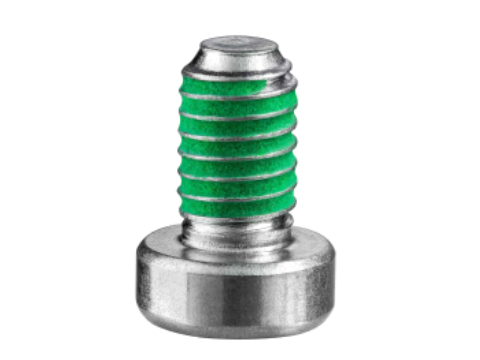
Functional testing is based on the coating's purpose. For example, dry film lubricant coatings are tested for friction coefficient (using a friction and wear tester), sealing coatings undergo airtightness tests, and anti-loosening coatings are tested for preload retention rate under simulated vibration conditions.
Q9: How should surface treatment solutions be selected for extreme environments like high temperature and high pressure?
A9: Extreme environments require a focus on the stability and tolerance of the coating, necessitating a targeted match to environmental stresses.
-
High-temperature environments (e.g., engines, kiln equipment) prioritize high-temperature resistant coatings. Ceramic coatings can withstand temperatures above 800°C, while silicone coatings are suitable for 200-500°C scenarios. It is crucial to avoid coatings that decompose or volatilize at high temperatures.
-
High-pressure environments (e.g., hydraulic pipelines, pressure vessels) emphasize coating density and adhesion. Electroplated hard chrome coatings (increasing surface hardness to HRC60+) or electroless nickel plating (uniformly covering thread gaps) are recommended to prevent coating failure caused by high-pressure media flushing.
-
Strongly corrosive environments like deep-sea applications require a "composite coating system." For instance, applying a zinc plating passivation base followed by a fluorocarbon coating can achieve a salt spray tolerance of over 1000 hours, simultaneously enhancing resistance to seawater erosion.
Q10: What are the precautions for storing and transporting surface-treated fasteners?
A10: Storage and transportation must prevent coating damage or performance degradation, strictly following the principles of "anti-damage, moisture-proof, and anti-contamination."
-
Storage: Items should be classified and stacked in a dry, ventilated warehouse, avoiding direct contact with the ground (elevated on pallets by at least 30cm). Zinc-plated and Dacromet parts must be kept away from acidic and alkaline substances to prevent chemical corrosion. Coatings prone to scratching (such as dry film lubricant coatings) should be individually wrapped in bubble wrap or anti-rust paper.
-
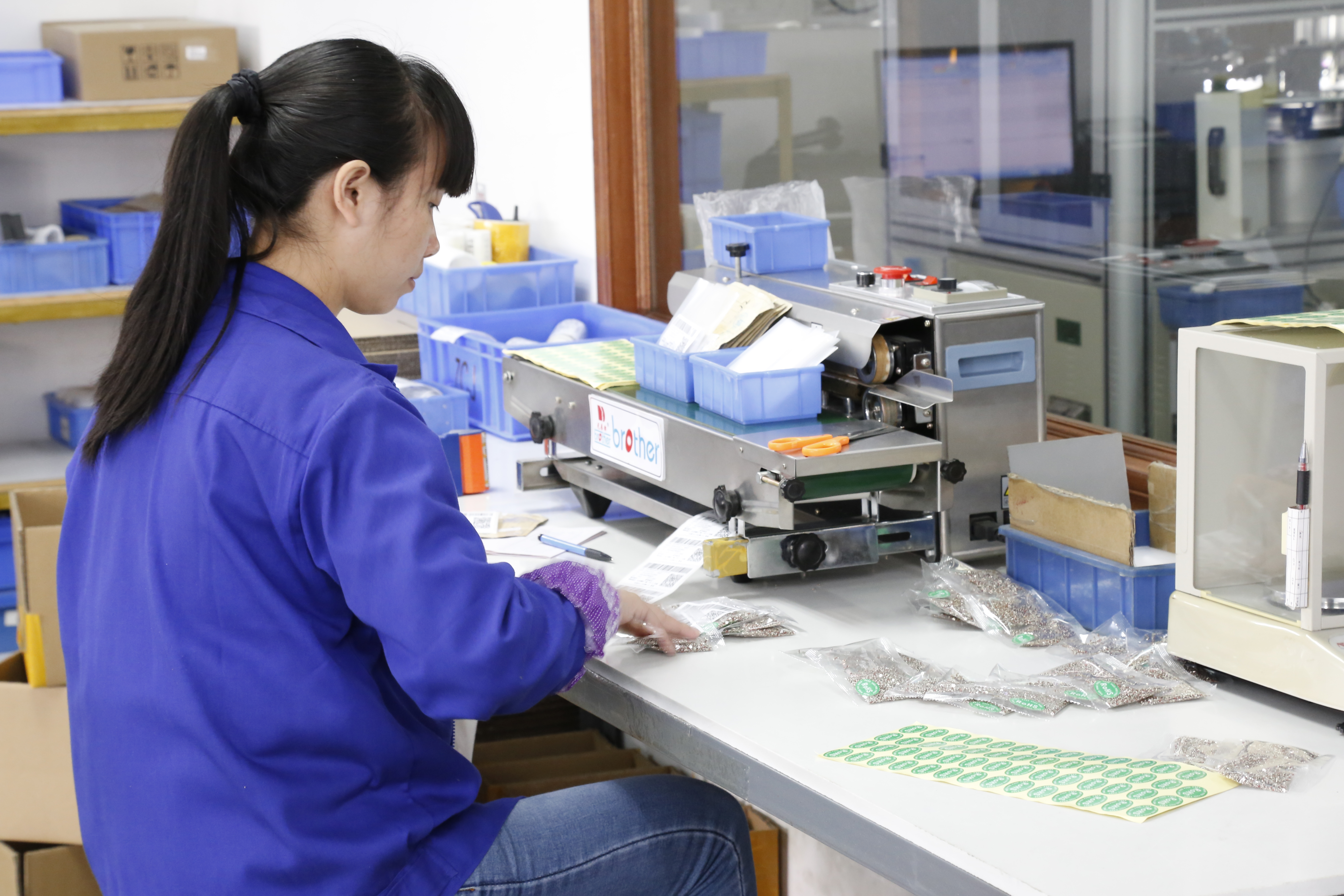
Transportation: Sealed packaging should be used to prevent rainwater intrusion, and cargo must be secured to avoid violent collisions that could cause coating detachment.
Additionally, different coatings have varying shelf lives. For example, standard zinc-plated parts are recommended for use within 6 months, while dry film lubricant coatings can be stored for 12 months. The "First-In, First-Out" (FIFO) principle must be followed to avoid coating failure due to expired storage.
If you need to customize a surface treatment solution for a specific production scenario or require more technical details on coatings, please feel free to contact a professional technical service provider. Leveraging scenario-based experience, we can precisely match your needs, helping to enhance fastening process reliability and reduce comprehensive costs.


















 Login
Login








 Contact
 WeChat
 粤ICP备2025493240号-1