As the “joints” of industrial manufacturing, fasteners fundamentally determine equipment reliability. Professional expertise is essential for product selection, procurement and assembly application. This article comprehensively analyzes core fastener knowledge from four dimensions including product specification marking, functional characteristics, key manufacturing processes and industry development trends, helping practitioners improve professional capabilities in fastener application and quality control.
I. Product Specifications: Five Core Marking Parameters
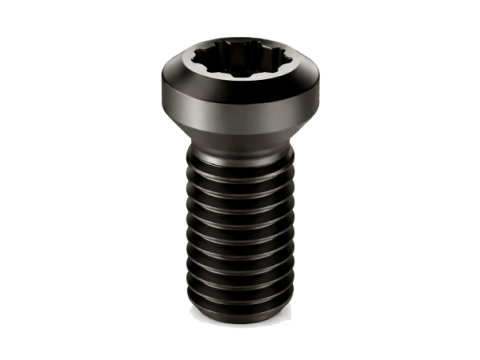
Accurate specification marking is the foundation of fastener selection and matching. Complete product identification relies on five indispensable parameters: standard designation, dimensional specification, material, strength grade and surface treatment. A typical full marking example — “DIN912, M4-0.7×8, SCM435, Grade 12.9, Black Oxide” — precisely defines all product attributes for accurate application matching.
1. Standard Designation
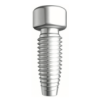
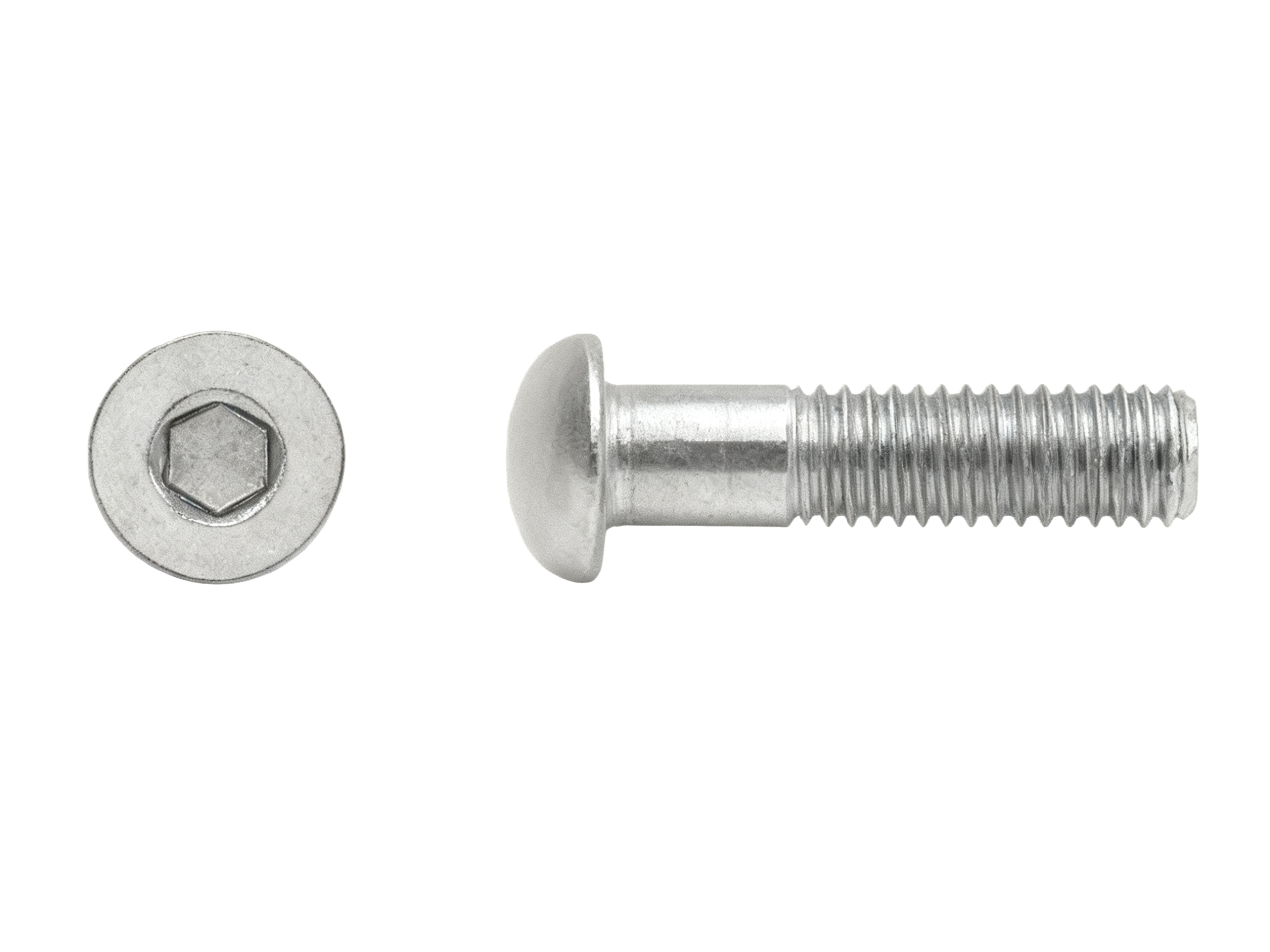
Standard marking clarifies the executive specification and avoids confusion caused by identical names with different dimensions. For example, GB70 and DIN912 both define socket head cap screws but differ in head thickness, thread tolerance and other detailed dimensions. The mainstream global standard systems include DIN, ISO, GB, ANSI and JIS, covering most standard fastener products. Non-standard fasteners require detailed engineering drawings to define head shape, thread parameters, length and all customized dimensional requirements.
2. Dimensional Specification
Specifications follow the principle of “thread diameter × effective length”, with distinct rules for metric and imperial systems. Metric thread sizes commonly range from M2 to M12, while imperial sizes adopt numbered codes (4#, 6#) or inch fractions (1/4, 5/16). The effective length refers to the embedded fastening length: countersunk screws use overall length, half-countersunk screws include half head height, and cylinder head screws exclude head dimension.
For thread pitch marking, standard coarse pitch can be omitted in metric specifications, while fine pitch must be clearly marked. Imperial threads require thread count per inch for both coarse and fine types. For instance, M4-0.7×8 defines a 0.7 mm fine pitch, while 6#-32×3/8 represents 32 threads per inch. Imperial-to-metric conversion follows the formula: A# = (A×0.013+0.06)×25.4 mm, with conventional reference values such as 2#=2.2 mm and 4#=2.9 mm for rapid identification.
3. Material Grade
Material selection determines the basic mechanical performance of fasteners. Common materials include carbon steel, stainless steel, ferritic stainless steel, copper and aluminum. Carbon steel is classified by grade: low-carbon steel (C1008/C1010) for Grade 4.8 ordinary fasteners; medium-carbon steel (C1035) for Grade 8.8 products; high-carbon steel and alloy steel (C1045, SCM435) for high-strength fasteners above Grade 10.9.
Mainstream stainless steel grades include 302, 304 and 316, among which 316 provides optimal corrosion resistance. Low-nickel grades such as 201 have similar appearances but significantly inferior anti-corrosion performance and require strict differentiation. Copper and aluminum materials are widely used in electronics, aerospace and special scenarios due to excellent conductivity and lightweight advantages.
4. Strength Grade
Strength grade is the core performance indicator for carbon steel fasteners. Bolt grades range from 4.8 to 12.9, while nut grades range from 4 to 12. Grades of 8.8 and above are defined as high-strength fasteners requiring quenching and tempering heat treatment, while lower grades are conventional products without thermal strengthening. In grade coding, the digit before the decimal point represents one hundredth of the tensile strength value, and the latter digit represents the yield-to-tensile strength ratio. For example, Grade 12.9 means a minimum tensile strength of 1200 MPa and a minimum yield strength of 1080 MPa.
5. Surface Treatment
Surface treatment is mainly applied to improve the corrosion resistance and appearance of carbon steel fasteners. Common processes include black oxide, zinc plating, copper plating, nickel plating and Dacromet coating. Zinc plating includes multiple types such as blue-white zinc, yellow zinc and black zinc, divided into environmental and non-environmental grades, with coating thickness directly determining salt spray resistance. Dacromet and hot-dip galvanizing are adopted for high-corrosion scenarios such as marine engineering and outdoor equipment.
II. Product Functions: Assembly and Adaptation Characteristics
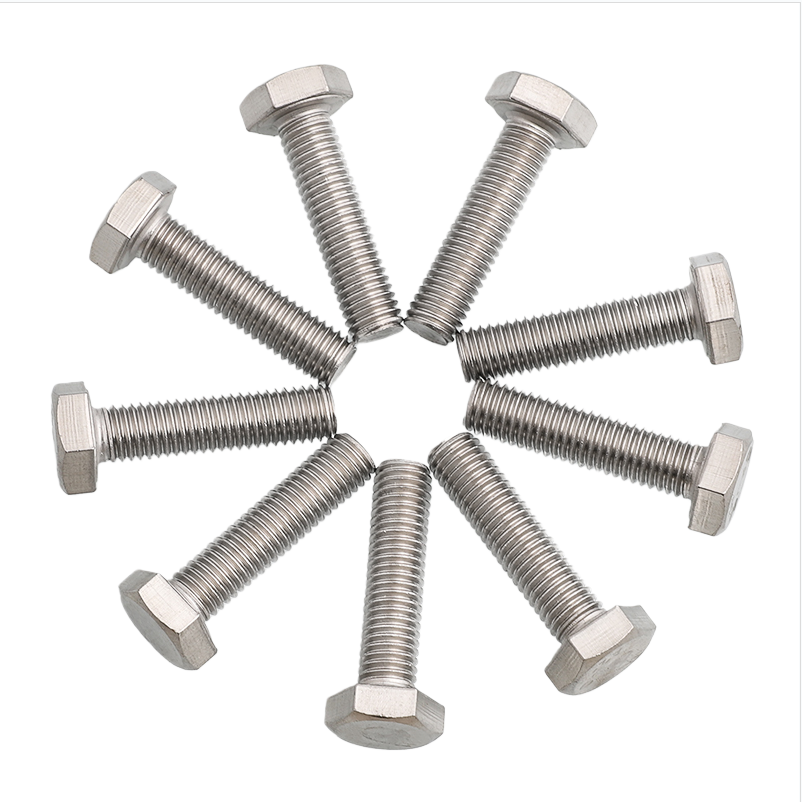
Fastener functions must match actual assembly conditions, with standardized specifications for torque resistance, tool adaptability and grade matching. In terms of torque capacity, hexagon head bolts provide the highest torsional strength, followed by socket head bolts, while cross recess screws withstand the lowest torque, making them mostly applied as Grade 4.8 ordinary fasteners.
Assembly tools require precise matching: hexagon head bolts adapt to adjustable wrenches (high universality but low efficiency), ring spanners (high efficiency with fixed specifications) and open-end wrenches with extended sleeves. Small-size socket head screws such as M2 and M2.5 are prone to wrench slipping caused by hole dimensional deviation and require high machining accuracy. Cross recess screws match ordinary screwdrivers and are only suitable for low-torque scenarios.
Grade matching follows the economical principle of “bolt grade one level higher than nut grade”. For example, Grade 8.8 bolts paired with Grade 4 nuts ensure sufficient connection strength while reducing replacement costs. Special structures such as recessed hexagon heads save material but reduce torque resistance and require cautious application.
III. Key Processes: Heat Treatment and Hydrogen Embrittlement Prevention
Heat treatment is the core process for performance enhancement, while hydrogen embrittlement control is critical for the service safety of high-strength fasteners, both requiring strict process supervision.
Heat treatment is mainly divided into quenching and tempering, and carburizing treatment. Quenching and tempering are applied to high-strength fasteners of Grade 8.8 and above, achieving uniform internal and external hardness through quenching and high-temperature tempering. A balance between hardness and toughness must be maintained, as higher hardness corresponds to lower toughness for precise working condition matching


























 Login
Login








 Contact
 WeChat
 粤ICP备2025493240号-1