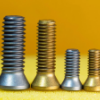
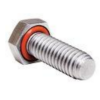
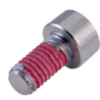
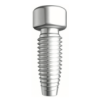
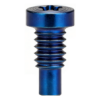
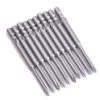
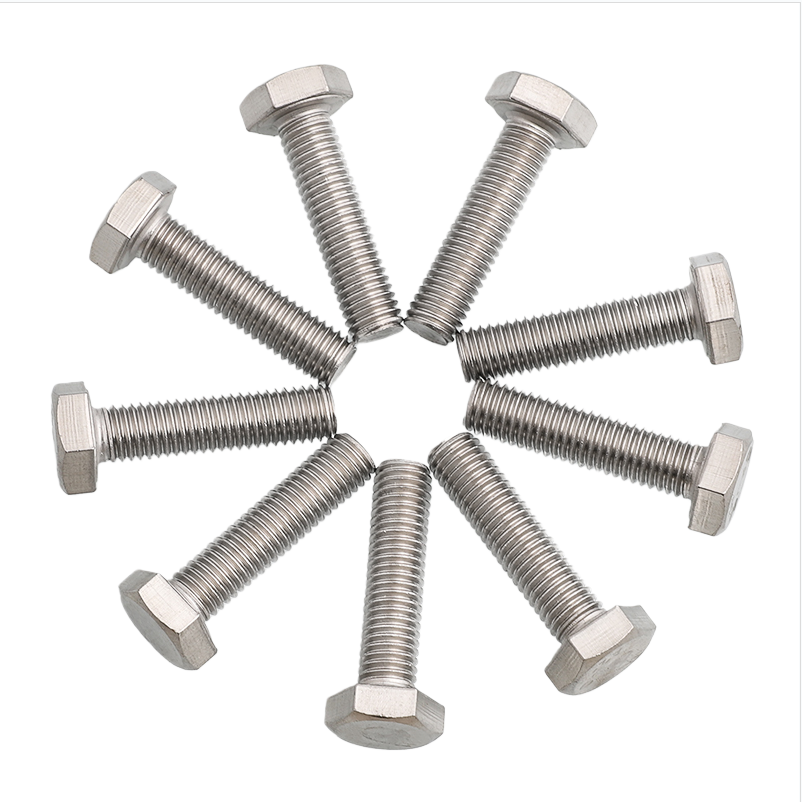
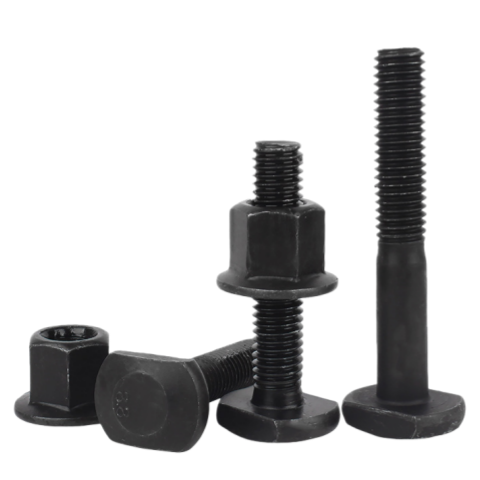
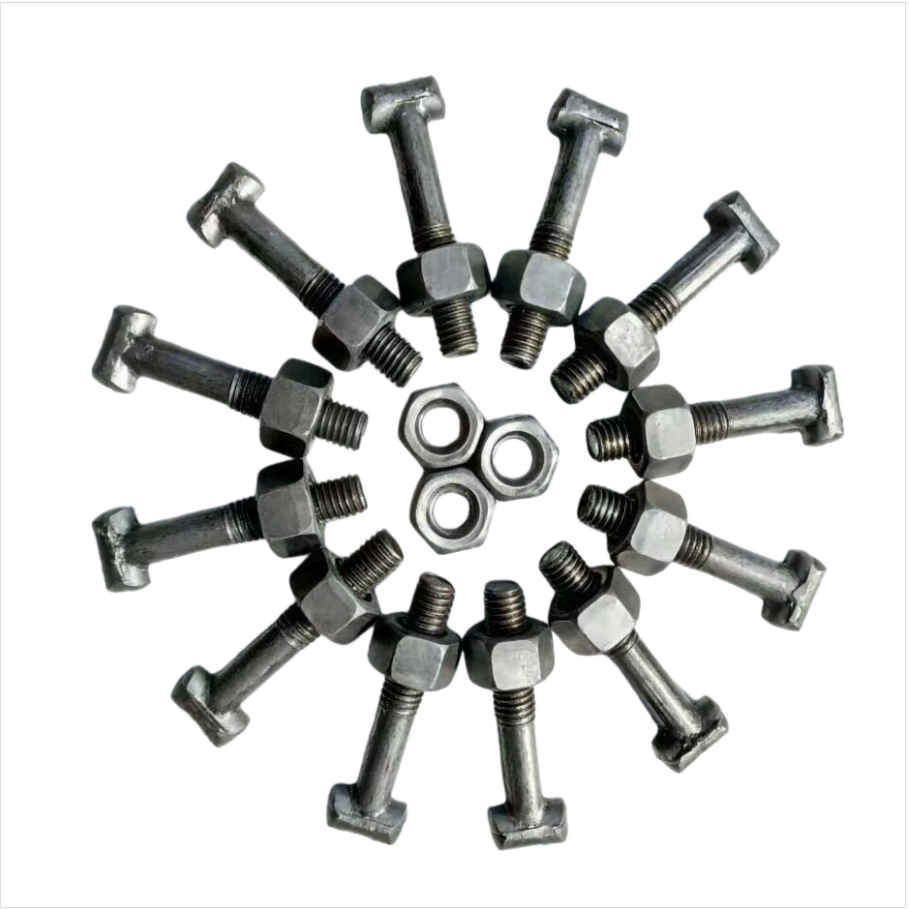
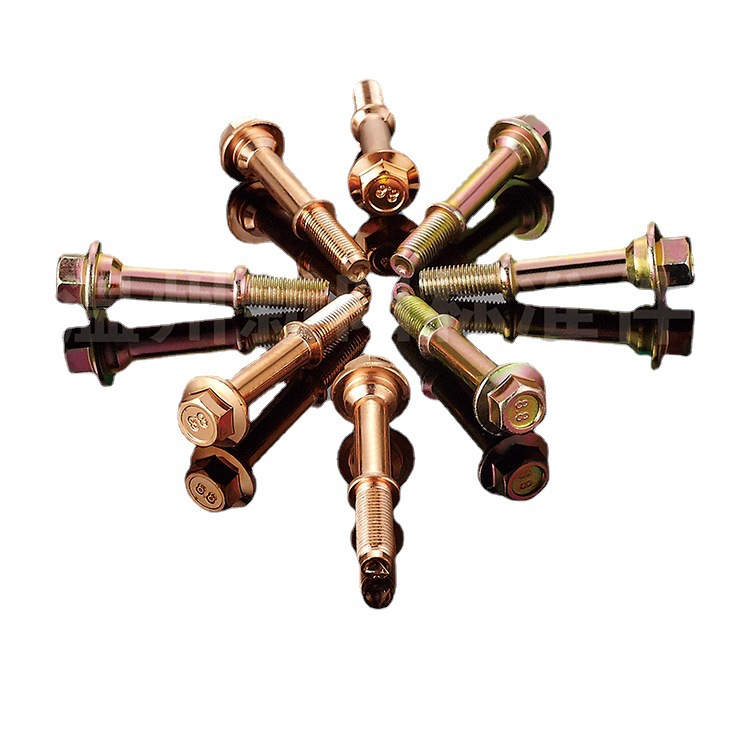
Widely applied in wind power, automotive, steel structure and other key industries, high-strength bolts serve as core connecting components that guarantee equipment operational safety. Compared with ordinary bolts, they withstand heavier loads and adapt to harsher working conditions. However, many practitioners lack a clear understanding of the essential definition and strengthening mechanism of high-strength bolts. This paper systematically elaborates on their definition, strength principle and application advantages to clarify their core characteristics.
I. Definition and Grading Standards
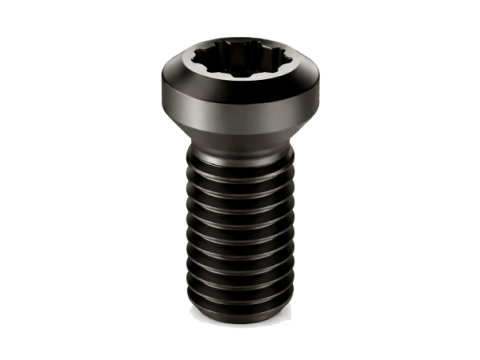
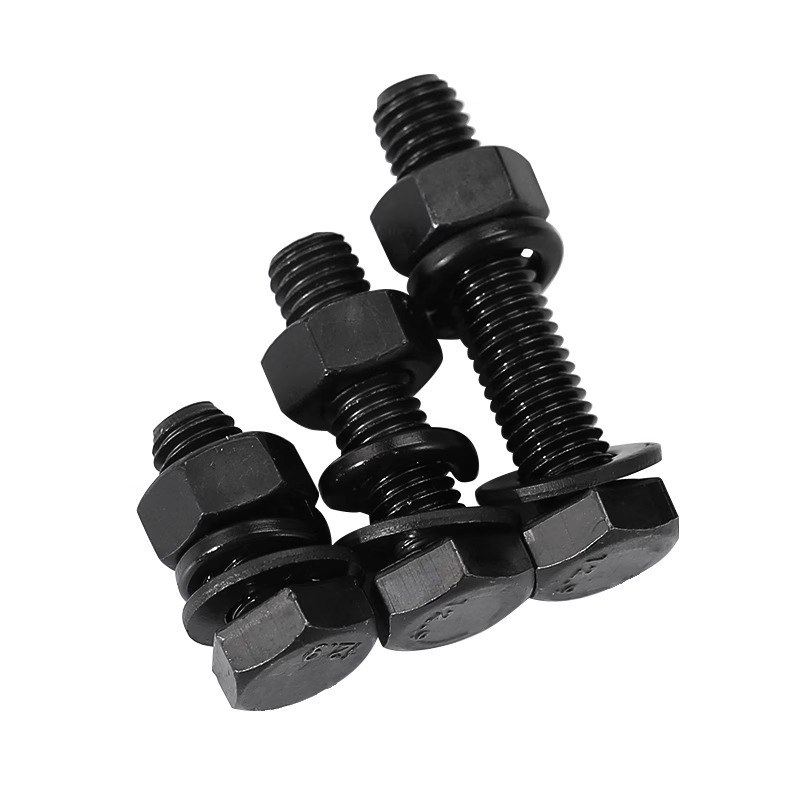
High-strength bolts are not simply defined as bolts with higher hardness. Instead, they refer specifically to carbon steel fasteners with a strength grade of 8.8 and above, including mainstream grades of 8.8, 10.9 and 12.9, with matched nuts required to be Grade 8 or higher. The classification is strictly based on standardized mechanical indicators rather than subjective judgment.
The grade marking contains definite performance parameters. The number before the decimal point represents one hundredth of the minimum tensile strength, while the latter number indicates the ratio of yield strength to tensile strength. Grade 12.9 bolts achieve a tensile strength of no less than 1200 MPa and a yield strength of no less than 1080 MPa. Grade 8.8 bolts feature a tensile strength of no less than 800 MPa and a yield strength of no less than 640 MPa. Ordinary bolts such as Grade 4.8 and 6.8 fail to meet these criteria and are not classified as high-strength products.
II. Strength Mechanism: Dual Guarantee of Material and Process
The superior mechanical performance of high-strength bolts derives from the coordinated optimization of material selection, heat treatment and manufacturing precision. Premium material provides the foundation, and standardized heat treatment serves as the core guarantee for strength enhancement.
Precision Material Matching: Ordinary low-strength bolts generally adopt low-carbon steel such as C1008, while high-strength bolts require medium-high carbon steel or alloy steel. Grade 8.8 bolts commonly use C1035 medium carbon steel; Grade 10.9 bolts adopt C1045 or 10B21; top-grade 12.9 bolts must apply high-performance alloy steel including SCM435 and 40Cr. Optimized carbon content and alloy element ratios create reliable material conditions for subsequent strengthening treatment.
Strength Improvement via Quenching and Tempering: Unlike ordinary bolts without thermal strengthening, all high-strength bolts undergo complete quenching and high-temperature tempering. During quenching, bolts are heated to 850–900 °C and rapidly cooled to refine internal microstructure. Subsequent tempering at 500–650 °C balances hardness and toughness and eliminates brittleness risks. This process achieves uniform internal and external hardness, greatly improving tensile and yield strength and realizing coordinated high strength and high toughness.
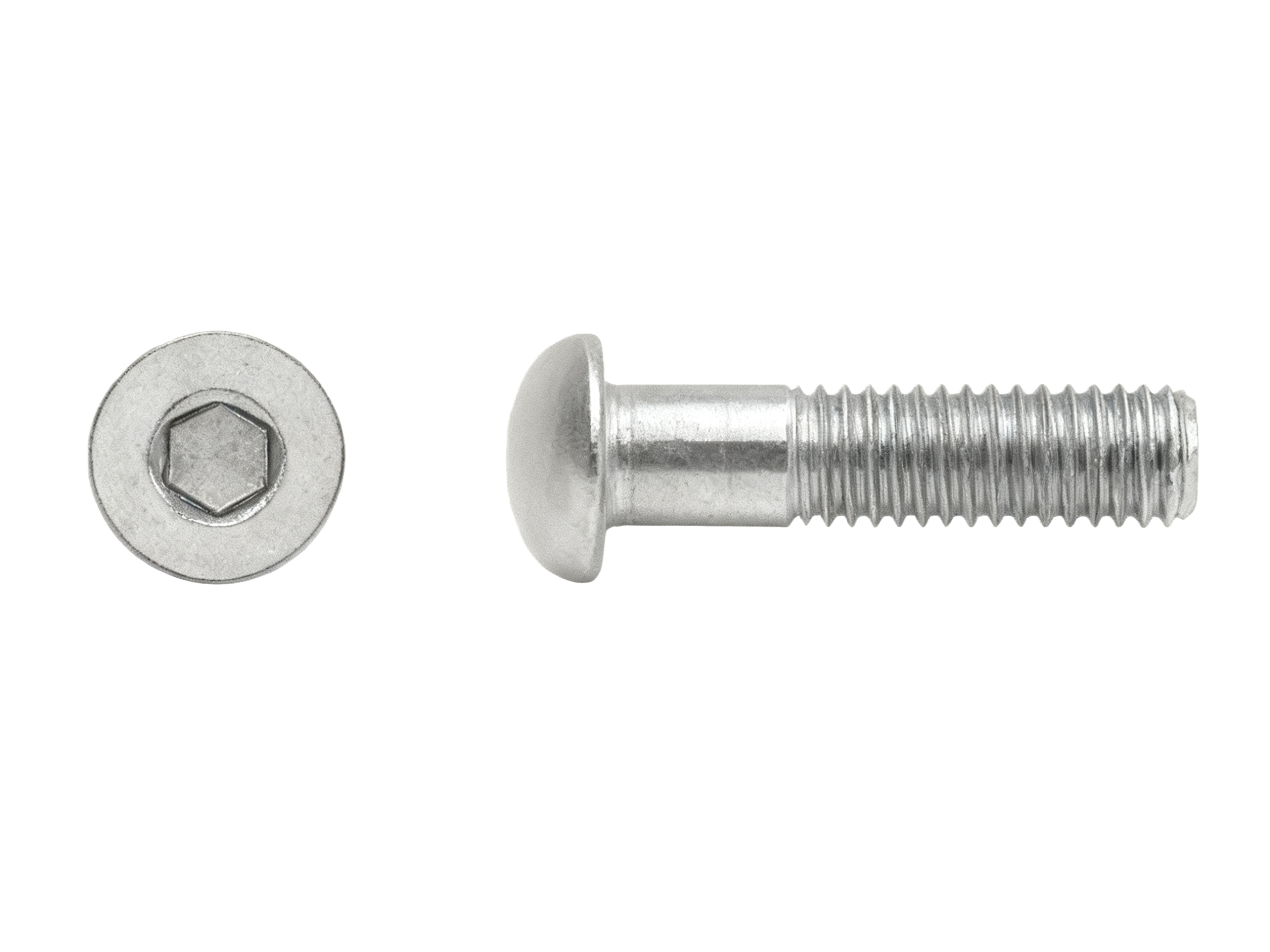
Manufacturing Precision Optimizes Stress Stability: High-strength bolts adopt strict tolerance standards for thread accuracy and head dimension. Threads are formed by precision rolling with surface roughness controlled below Ra1.6 μm to reduce surface stress concentration. Smooth transition radii are designed at the junction of the head and shank to prevent fracture caused by concentrated stress during assembly. These refined structural designs ensure uniform stress distribution and maximize material mechanical potential.
III. Application Value and Engineering Advantages
The superior performance of high-strength bolts is fully reflected in extreme and high-load working scenarios, making them indispensable for key industrial equipment. In wind power equipment, Grade 10.9 bolts for hub and spindle connections withstand continuous vibration and alternating loads, ensuring a service life of up to 20 years. In automobile engines, Grade 12.9 alloy steel connecting rod bolts maintain stable performance under high-frequency reciprocating loads and temperatures above 150 °C without failure.
In steel structure engineering, hot-dip galvanized Grade 8.8 bolts for large-span bridge nodes withstand tensile forces of hundreds of tons while providing excellent outdoor corrosion resistance. In construction machinery, Grade 10.9 bolts for hydraulic supports maintain reliable fatigue resistance under long-term high-pressure conditions and avoid shutdown losses caused by batch fracture failure.
It is worth noting that the advantages of high-strength bolts can only be fully exerted through standardized matching and assembly. The bolt strength grade should be one level higher than the matched nut. Torque wrenches are required for precise preload control to avoid plastic deformation caused by over-tightening. In addition, hydrogen embrittlement prevention is mandatory: Grade 10.9 and higher bolts must be dehydrogenated within 4 hours after electroplating to eliminate delayed fracture risks.
IV. Conclusion
The high performance of high-strength bolts is a systematic achievement of premium materials, optimized heat treatment processes and high-precision manufacturing. Their clear grading standards and superior mechanical properties ensure irreplaceable reliability in critical industrial scenarios. Accurate understanding of their definition and strengthening mechanism supports precise selection and standardized application, delivering stable safety guarantee for high-end mechanical equipment.



























 Login
Login








 Contact
 WeChat
 粤ICP备2025493240号-1