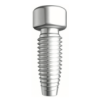
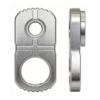
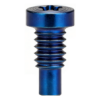
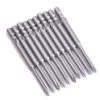
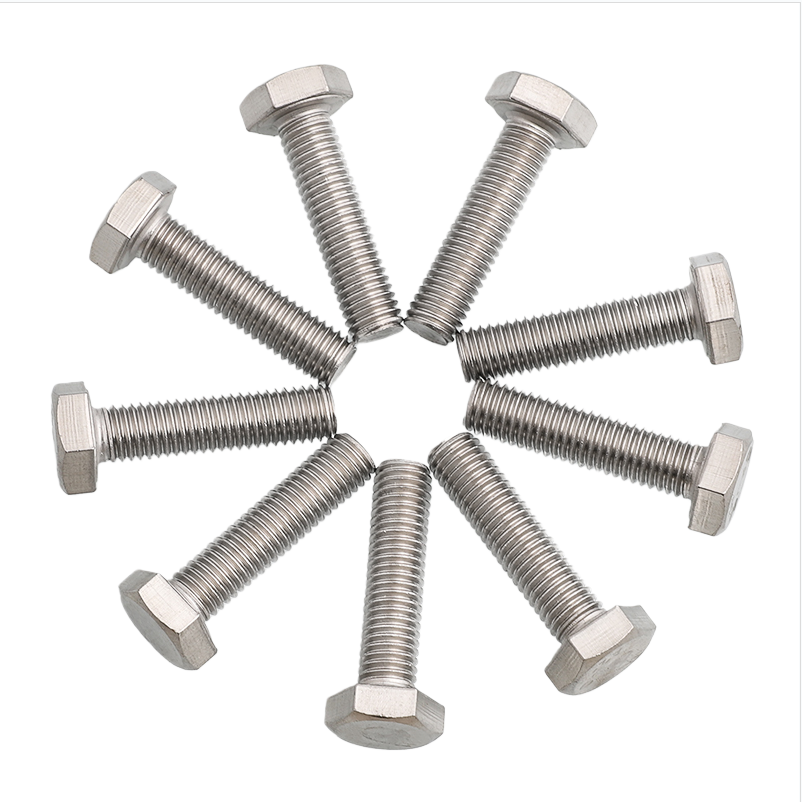
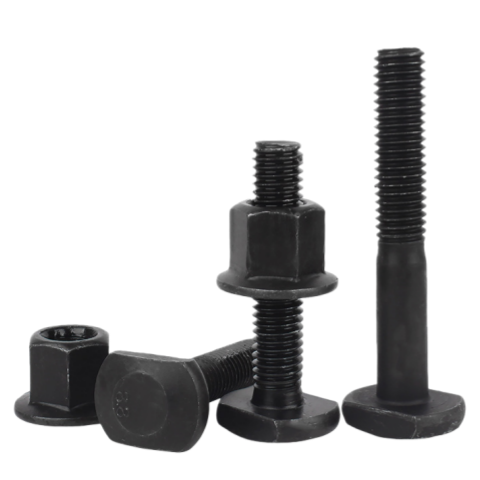
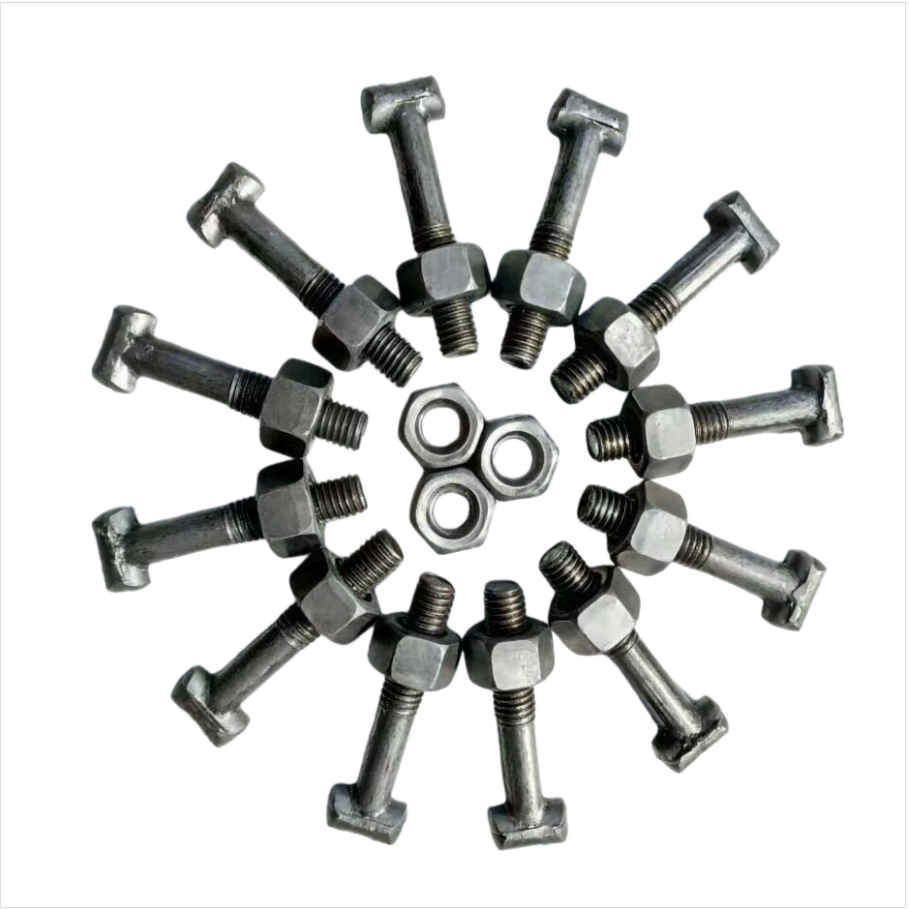
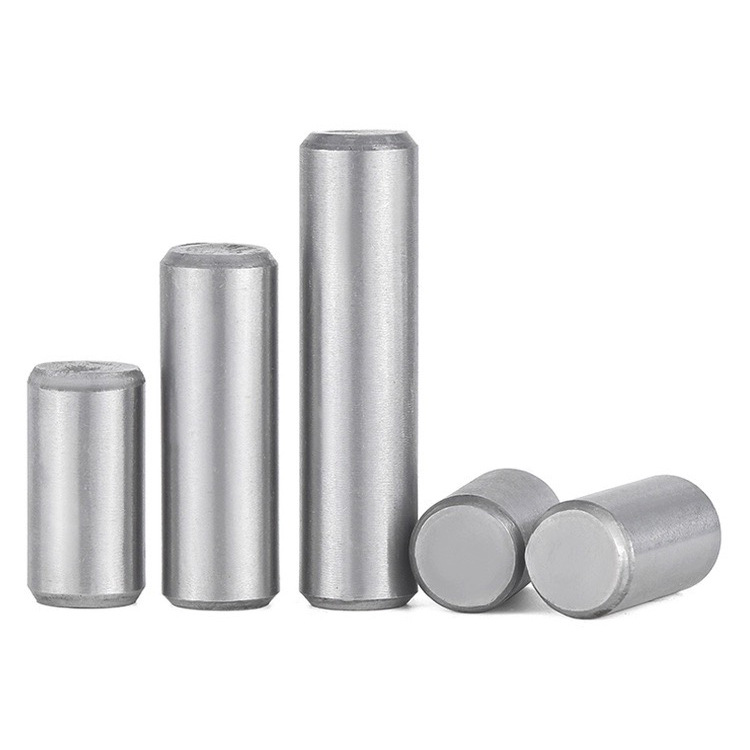
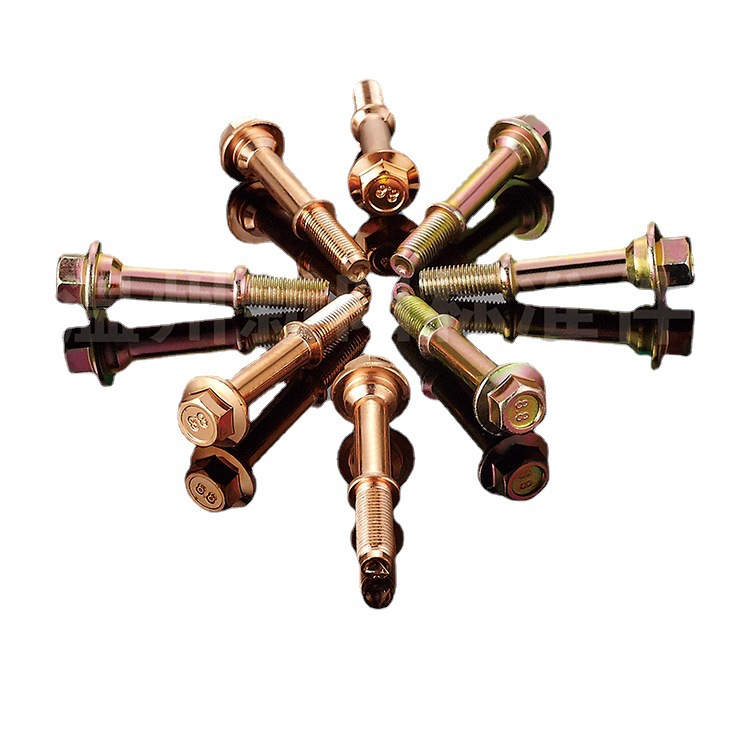
As a core manufacturing technology for fasteners, shaft parts and other metal components, the cold heading process is widely adopted in automotive, aerospace, construction and other industries due to its unique processing advantages. Unlike hot forging, cold heading forms metal plastic deformation through mechanical pressure of dies and equipment without heating the raw material, achieving excellent economic efficiency and practicality.
The core principle of cold heading is room-temperature plastic deformation. Utilizing the plasticity of metal at ambient temperature, the punch rapidly presses the blank into the die cavity to shape the workpiece according to the cavity profile. Three key points must be strictly controlled during forming. First, blank pretreatment: metal blanks require derusting and lubrication to reduce forming resistance and protect dies. Second, die matching: die accuracy directly determines product quality, and the clearance between punches and dies shall be precisely designed according to product profiles. Third, pressure control: different materials require matched forming pressure; for instance, carbon steel generally requires approximately 30% higher forming pressure than aluminum alloy.
Cold heading delivers remarkable technical advantages. Firstly, it is highly efficient and energy-saving. Without heating procedures, its energy consumption is only 1/4 to 1/3 of that of hot forging. A single device can produce dozens to hundreds of pieces per minute, making it ideal for mass production. Secondly, it improves mechanical performance. Plastic deformation refines metal grains, increasing product strength by 20% to 30% compared with cutting processing and significantly extending fatigue life. Thirdly, it features high material utilization, reaching over 95% — far higher than the approximately 60% of cutting processes — which greatly reduces material waste. Fourthly, it guarantees high machining accuracy, with dimensional tolerance controlled within ±0.02 mm and surface roughness Ra ≤ 1.6 μm, minimizing subsequent finishing procedures.
Nevertheless, the cold heading process has certain limitations. It imposes high requirements on dies: high-strength alloy dies with strict machining precision are mandatory, resulting in high initial manufacturing costs. In terms of material adaptability, it is only applicable to highly ductile metals such as low-carbon steel, copper alloy and aluminum alloy, while high-hardness and brittle materials are difficult to form. In addition, it has constraints on product structures, with low feasibility for parts with complex inner cavities and special-shaped profiles, which require multi-process cooperation or auxiliary machining. Furthermore, cold heading equipment requires stable high-pressure output capacity, leading to high procurement and maintenance investment.
With the continuous upgrading of die materials and equipment technology, the application scope of cold heading is constantly expanding. Modern multi-station continuous cold heading enables integrated forming of certain complex parts. In the manufacturing trend of high efficiency and energy conservation, the cold heading process remains an indispensable and dominant technology in metal component processing by virtue of its comprehensive advantages.


















 Login
Login








 Contact
 WeChat
 粤ICP备2025493240号-1