Selecting between coarse and fine threads is a common challenge for engineers during fastener configuration. Although the two types differ only in pitch, they present distinct performances in force transmission, anti-loosening capability and assembly efficiency. Proper selection ensures structural stability and reliability, while inappropriate matching may lead to potential safety hazards. Clarifying their characteristics and applicable scenarios is essential for accurate thread selection in both conventional maintenance and high-end equipment manufacturing.
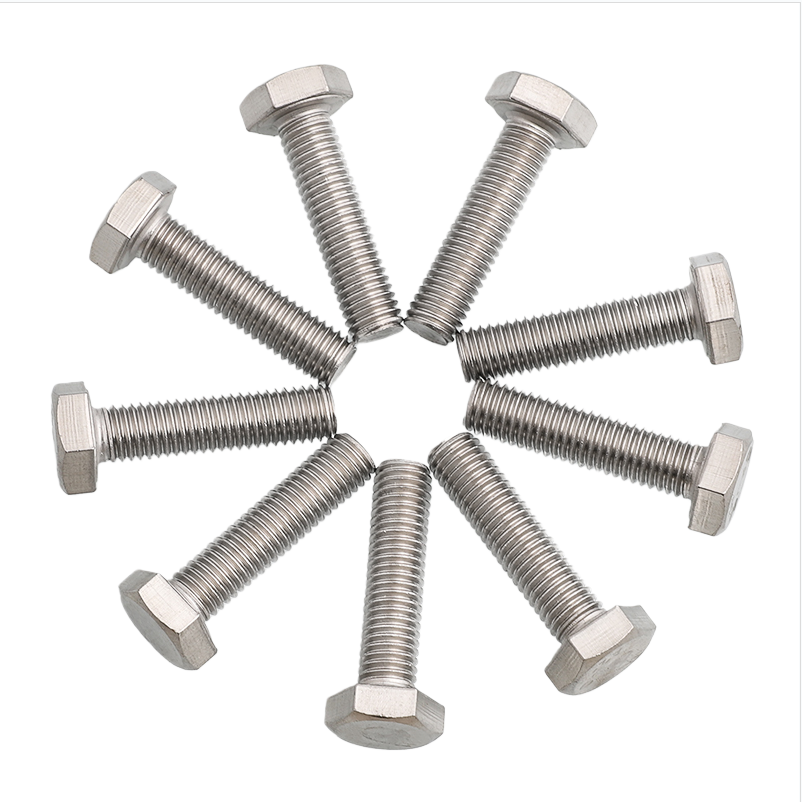
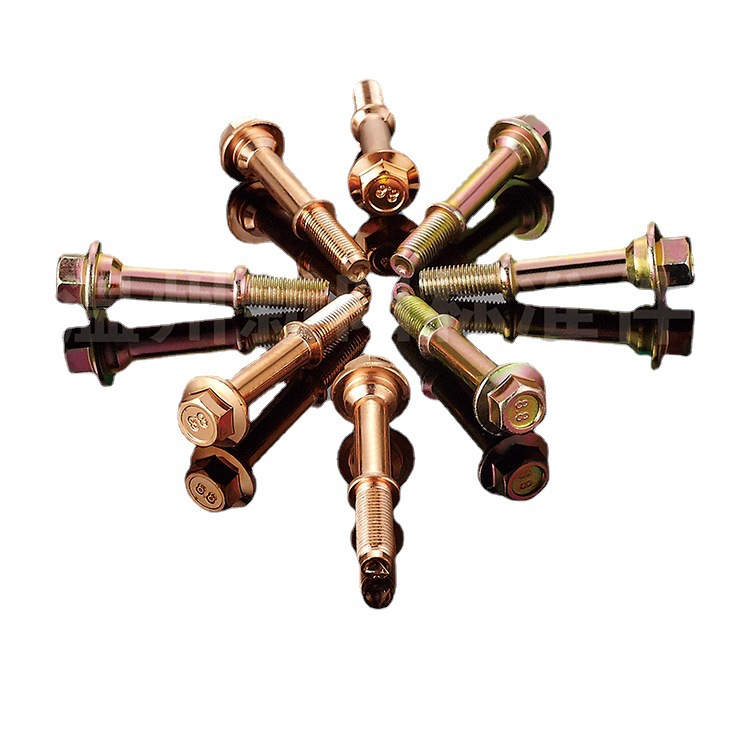
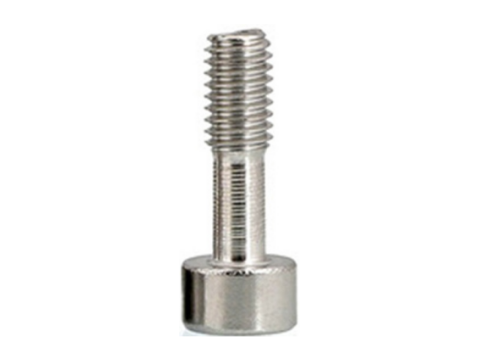
Structural differences constitute their fundamental performance divergence. Coarse threads feature a larger pitch and deeper tooth profile. For example, M10 coarse threads adopt a pitch of 1.5 mm, while fine threads of the same specification usually have a pitch of 1.25 mm or 1 mm. Fine threads have smaller pitches, more thread turns and shallower tooth profiles. Such structural differences determine their respective application advantages. With deeper teeth and larger meshing areas, coarse threads transmit tension and torque more efficiently with faster feeding speed during machining. In contrast, fine threads provide more uniform contact and stable stress distribution, delivering superior anti-loosening performance and tight sealing effect.
For general load-bearing conditions, coarse threads serve as a cost-effective solution. They are widely applied in automobile chassis, mechanical frames and other high-load positions with ordinary anti-loosening requirements. Coarse threads allow rapid assembly with standard wrenches, resist jamming caused by chip accumulation, and facilitate convenient disassembly and maintenance. In addition, their lower machining cost makes them highly suitable for mass production, which explains their extensive popularity in general industrial scenarios.
Fine threads show unique advantages in precision positioning, anti-loosening and space-limited scenarios. In aerospace equipment and precision instruments, the small pitch enables fine adjustment and accurate positioning, eliminating shaking caused by thread clearance and ensuring flat and stable installation. Fine threads excel particularly in high-vibration positions such as engine cylinder heads and transmission housings. The multi-tooth meshing structure disperses vibration stress effectively and greatly reduces loosening risks when combined with anti-loosening washers. Moreover, the shallow tooth profile minimizes damage to thin-walled structures and maintains reliable connection strength for confined installation spaces.
Special application requirements also affect thread selection. Fine threads achieve tighter interfacial fitting and better leakage resistance with sealants, making them ideal for hydraulic pipeline connections. Coarse threads are more suitable for frequent disassembly scenarios due to higher wear resistance against repeated tightening and loosening. In extreme high and low-temperature environments, fine threads maintain more stable performance by reducing thread clearance variation caused by thermal expansion and contraction, thanks to their uniform stress distribution characteristics.
In conclusion, neither coarse nor fine threads are universally superior. The selection depends on practical service conditions. Coarse threads are preferred for general heavy-load scenarios with high efficiency and economic benefits, while fine threads are selected for precision assembly, anti-vibration and space-limited occasions to guarantee accuracy and stability. Comprehensive evaluation of load magnitude, vibration intensity, spatial dimension and manufacturing cost is necessary to maximize the structural supporting performance of threaded fasteners.
























 Login
Login








 Contact
 WeChat
 粤ICP备2025493240号-1