






















 Login
Login






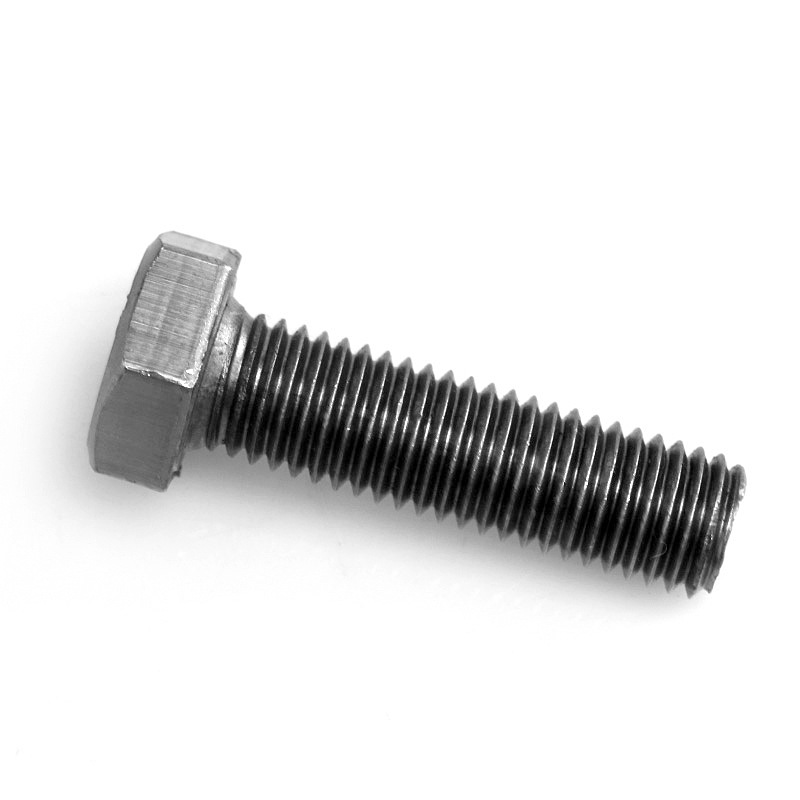
Threaded connections are widely used in rail transportation and other fields due to their simple structure and ease of assembly and disassembly. The reliability of thread locking directly determines operational safety. To address thread locking, it is necessary to first understand the mechanical characteristics and self-locking mechanism. When a threaded connection is tightened, preload generates axial tensile deformation of the bolt, creating friction at the thread pair and bolt head contact surfaces. When the thread lead angle is smaller than the equivalent friction angle of the thread pair, self-locking occurs, preventing the nut from loosening.
In rail transportation operations, threaded connections are prone to loosening primarily due to an imbalance in the stress state. Vibration and impact cause instantaneous reduction of friction at the thread pair, leading to relative sliding. Temperature cycling creates differential thermal expansion between the bolt and connected components, disrupting preload. Long-term operation also causes preload decay due to material creep and thread wear. Additionally, preload torque deviations and improper surface treatment can exacerbate loosening risks.
Thread locking technologies can be classified into three categories according to their principles, each suitable for different rail transportation applications.
Mechanical locking uses additional structures to restrict relative motion of the thread pair. The cotter pin combined with a castle nut offers simple structure and low cost, commonly used in low-speed train braking systems. Locking washers with bent tabs secure nuts reliably but are inconvenient for frequent disassembly, making them suitable for rail fastening systems.
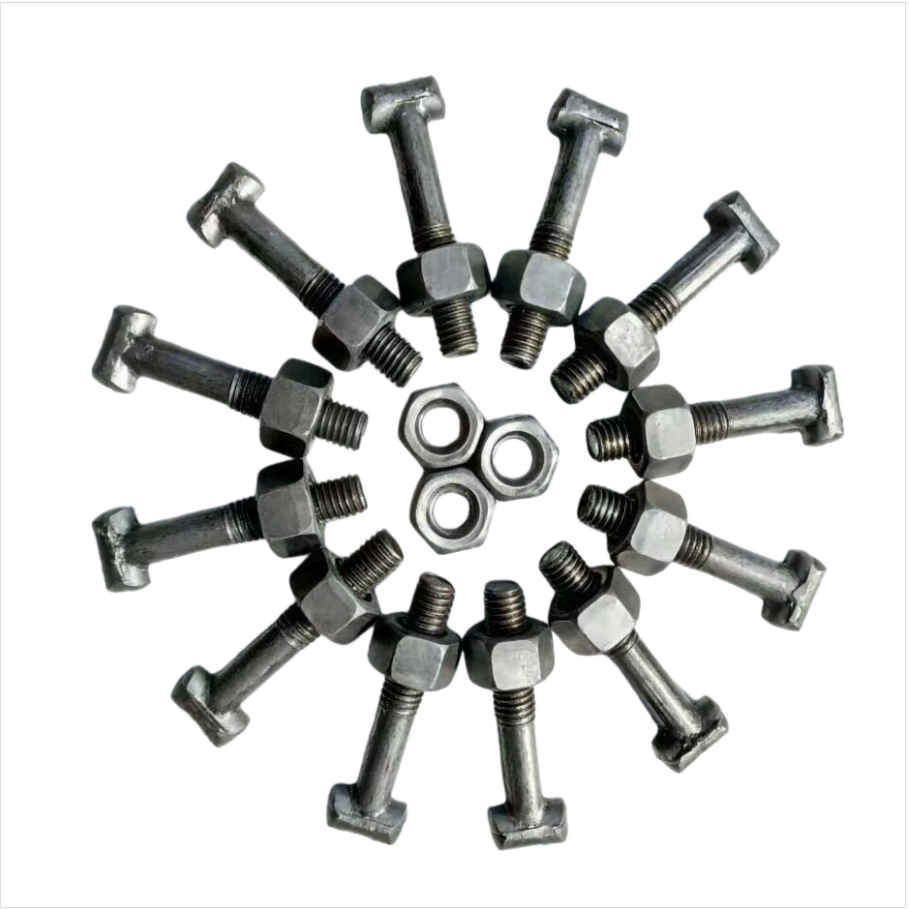
Friction locking increases friction at the thread pair. Double nuts generate additional friction through preload between the two nuts, suitable for high-speed rail bogies. Locking washers with serrated surfaces engage the contact surfaces, offering strong vibration resistance for subway door mechanisms.
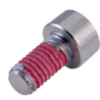
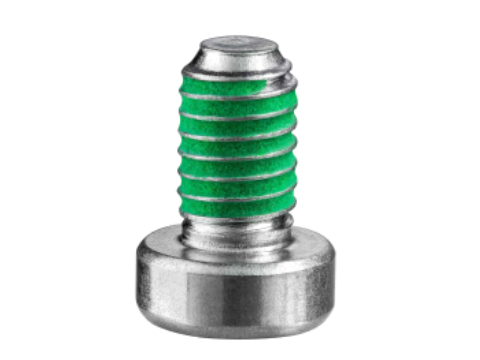
Chemical locking uses adhesives to fill thread gaps. Anaerobic adhesives provide good sealing performance, suitable for precision connections in railway signaling equipment.
Selection for rail transportation requires balancing reliability and economy. High-speed components are best served by friction or chemical locking to ensure vibration resistance. Frequently disassembled parts are better suited to mechanical locking. Humid environments require anti-corrosion coatings to enhance locking durability. For example, high-speed rail wheel axle connections use locking washers combined with preload torque control to balance reliability and maintainability.
Future thread locking technology will evolve toward intelligence and long-term effectiveness. Smart bolts with stress monitoring capabilities could provide real-time feedback on connection status. New composite material threaded components could improve creep and fatigue resistance. Environmentally friendly, degradable locking adhesives could meet green manufacturing requirements. Additionally, multi-principle composite locking technologies will become a research focus.
In summary, thread locking must be based on a thorough understanding of mechanisms, with appropriate measures selected according to rail transportation operating conditions. Mechanical, friction, and chemical locking each have their advantages. Intelligence and integration will be the future development directions, providing a clear technical pathway for ensuring the safety of threaded connections in rail transportation.



 粤ICP备2025493240号-1