Recently, Nissan Motor officially released its global production and sales data for October 2024, with core metrics showing year-on-year declines. This has drawn widespread attention from the automotive industry and its upstream supply chain. As a key player in the global automotive industry, Nissan's fluctuations in production and sales not only reflect its own operational status but also, to a certain extent, mirror the overall trend of the global automotive market, holding significant reference value for the development of key component industries such as fasteners.
Specific data reveals that Nissan's global sales volume in October was 258,517 units, a 4.8% decrease from 271,545 units during the same period last year. In terms of global production, the company completed 276,323 units in the month, down 3.9% from 287,530 units in October of the previous year. From a data perspective, the declines in both production and sales remained largely synchronized and stayed below 5%, falling within a reasonable range for short-term industry fluctuations. However, the continuous trend over multiple months still warrants close attention.
Industry analysts point out that Nissan's dual decline in October is the result of multiple overlapping factors. On the market side, mature markets such as Europe and North America have seen continued weak automotive consumer demand due to slowing economic recovery and high interest rates. In October, Nissan's sales in these regions fell by 5.2% and 4.5% year-on-year, respectively. While emerging markets hold growth potential, growth momentum in some areas was insufficient due to factors like exchange rate fluctuations and policy adjustments.
Supply-side pressures are equally cannot be ignored. Although the global tension in chip supply has eased compared to before, structural shortages in some high-end automotive-grade chips still exist, restricting the production pace of certain mid-to-high-end Nissan models. Additionally, typhoons and other natural disasters in October temporarily halted operations at some production bases in Japan and Southeast Asia, limiting capacity release and further dragging down overall production.
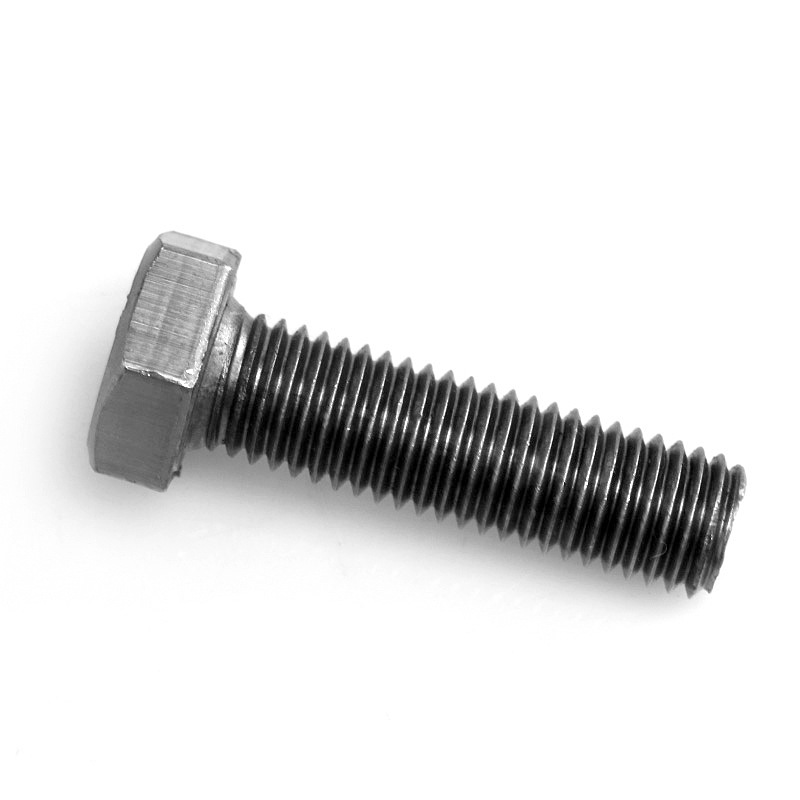
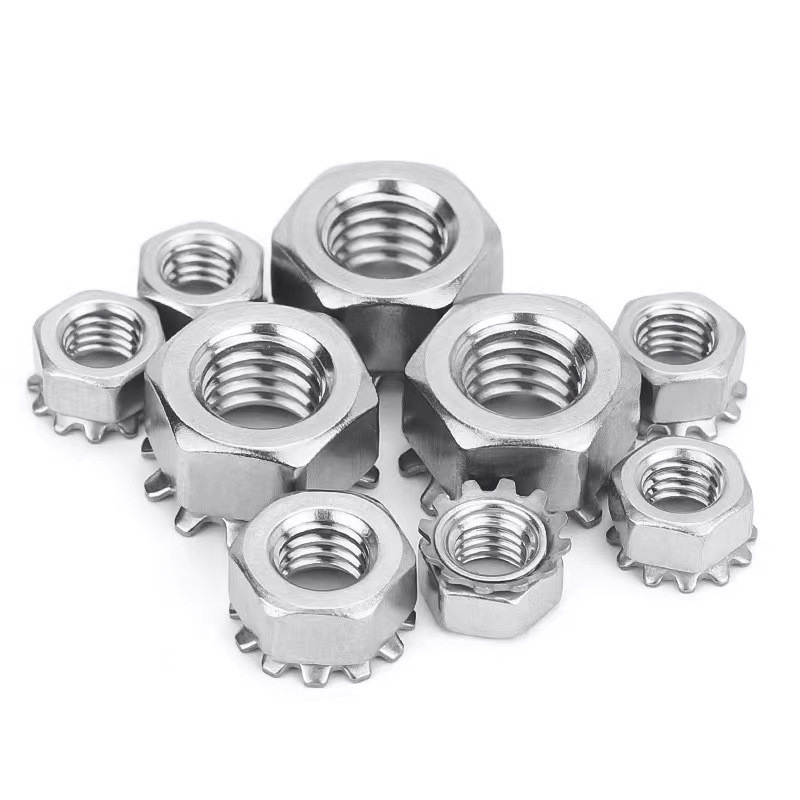
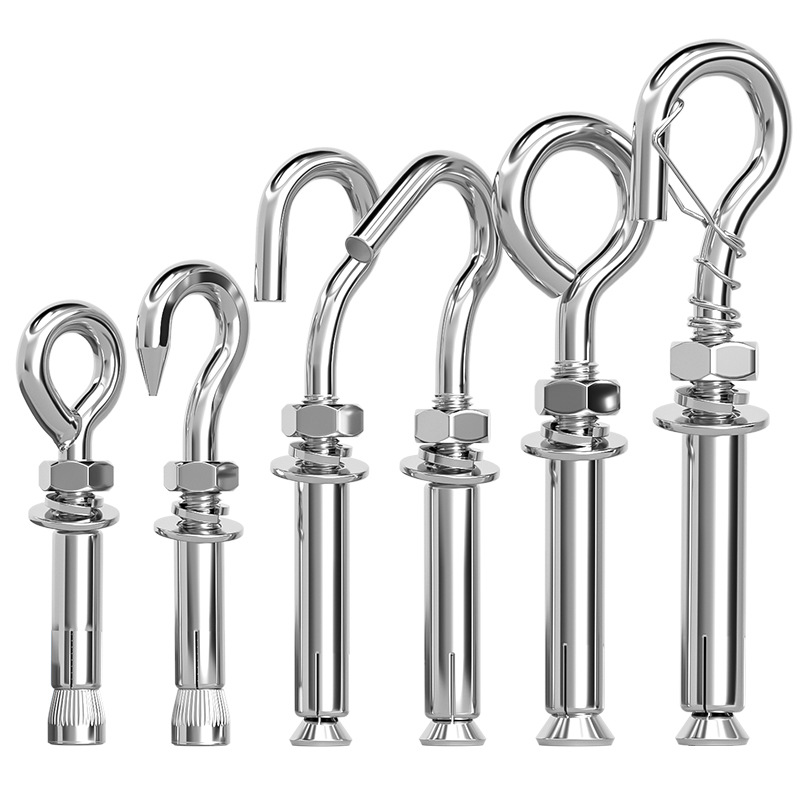
For the upstream fastener industry, fluctuations in Nissan's production and sales data directly translate to adjustments in procurement demand. As core components in automotive manufacturing, automotive fastener procurement volumes are strongly positively correlated with vehicle production. Estimates indicate that a traditional internal combustion engine vehicle requires approximately 500 types and nearly 2,000 fasteners. While the demand for new energy vehicles (NEVs) is slightly lower due to structural differences, it remains at a high level. Nissan's October production decreased by approximately 11,200 units year-on-year, which is expected to correspond to a reduction of 2 million to 3 million fasteners in procurement.
In response to this shift, Nissan's upstream fastener suppliers have initiated flexible adjustment mechanisms. An executive from a leading domestic automotive fastener company stated that they have optimized production plans in response to Nissan's capacity fluctuations, appropriately adjusted inventory levels for certain standard parts, and increased R&D investment in fasteners specifically designed for NEV models to cope with demand changes driven by the automaker's product structure transformation.
Looking at the overall industry trend, although facing short-term production and sales pressures, the long-term trend of electrification and intelligent transformation in the automotive industry remains unchanged, presenting new growth opportunities for the fastener sector. Data shows that Nissan's NEV sales in October grew by 12.3% year-on-year. Despite still accounting for a small proportion, this growth rate is significantly higher than the overall sales volume. NEVs have higher requirements for fastener materials, precision, and corrosion resistance, consequently increasing product added value.
Industry experts suggest that fastener companies should look beyond short-term data fluctuations and focus on the direction of the automotive industry's transformation. On one hand, they must strengthen collaborative R&D with automakers and proactively layout high-end fastener products required for NEVs and intelligent connected vehicles. On the other hand, they should optimize supply chain management to enhance flexibility in responding to downstream capacity fluctuations. Through technological upgrades and product structure optimization, companies can build core competitiveness during this period of industry adjustment.



























 Login
Login









 Contact
 WeChat
 粤ICP备2025493240号-1