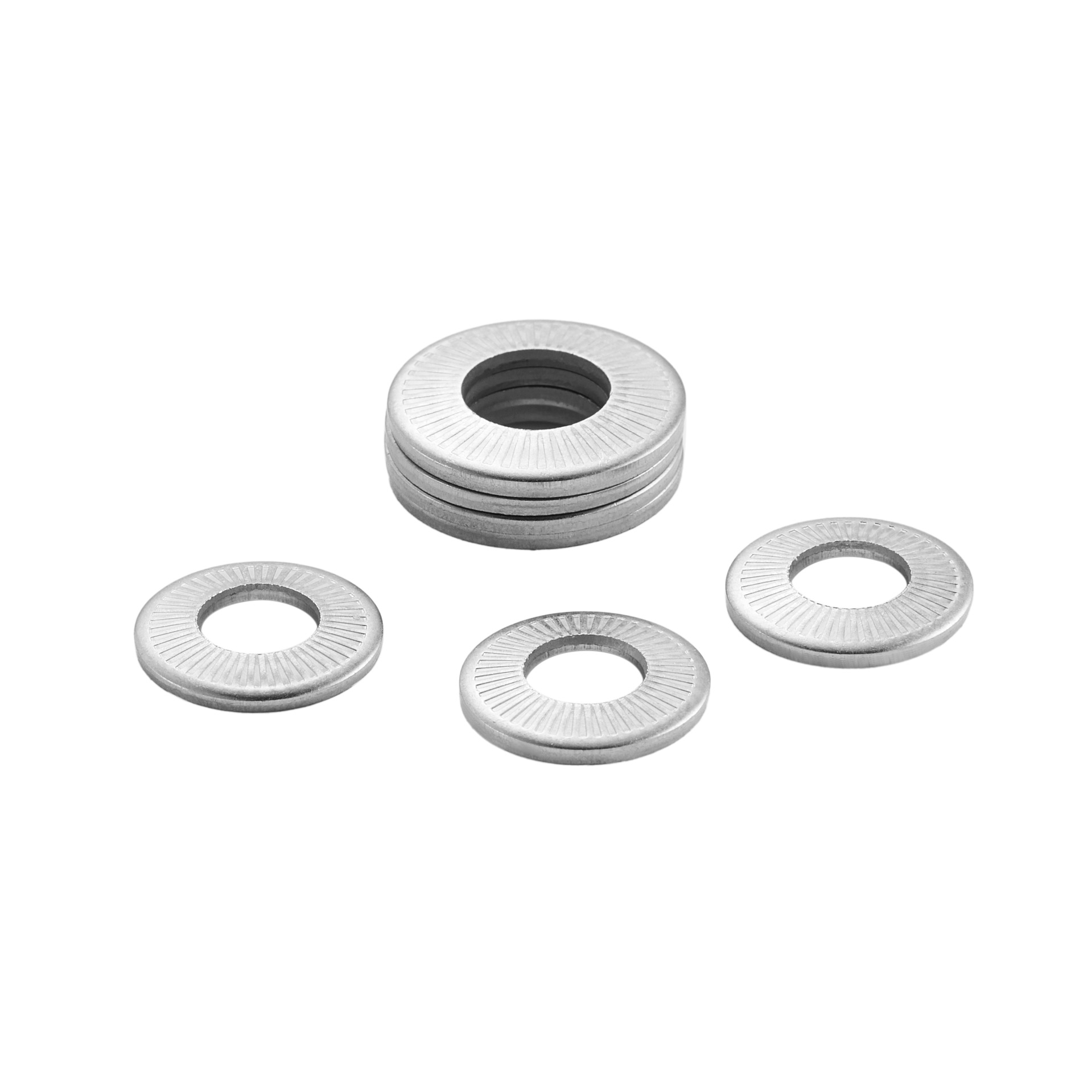
Flat Washers vs. Spring Washers: A Precision Selection Guide. The global fastener industry is undergoing profound transformation, with growing demand for high-performance fasteners driven by renewable energy, aerospace, and smart manufacturing.
China is the world's largest fastener producer and exporter, with three major industrial clusters in the Yangtze River Delta, Pearl River Delta, and Yongnian. As domestic manufacturing upgrades, import substitution of high-end fasteners is accelerating.
Key technology trends include high strength (grade 12.9+), lightweighting with aluminum/titanium alloys, smart fasteners with integrated sensors, and green manufacturing with chromium-free surface treatment. Trade barriers and raw material volatility present new challenges.
For fastener enterprises, enhancing R&D, expanding overseas markets, and participating in international standardization are critical to high-quality development. Toprecision will continue to monitor industry dynamics and support industrial upgrading.
To make the right selection, one must first clarify the core positioning and functional differences between flat and spring washers—the fundamental premise of any choice.
-
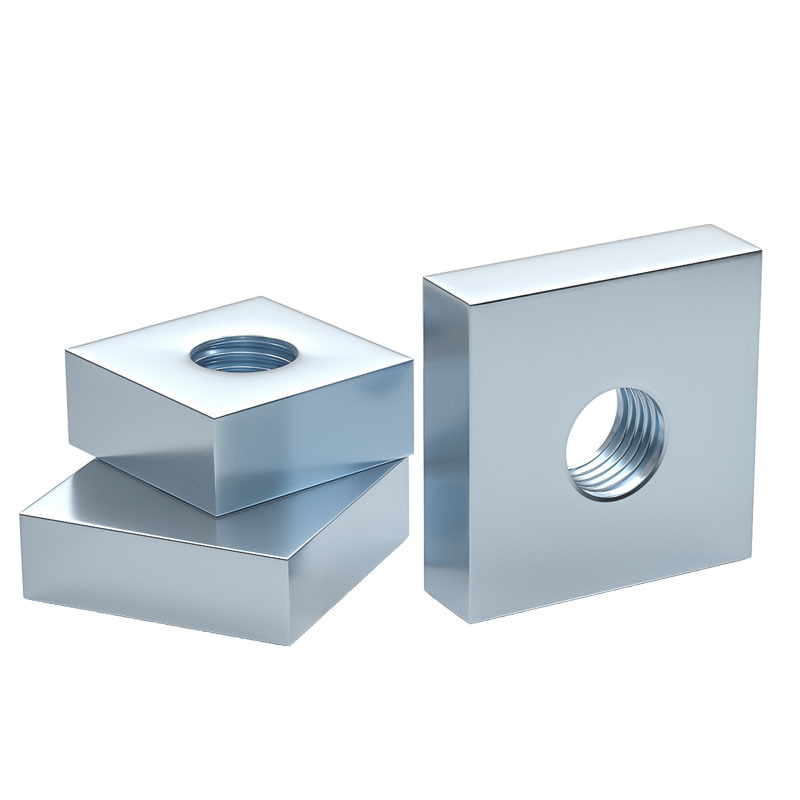
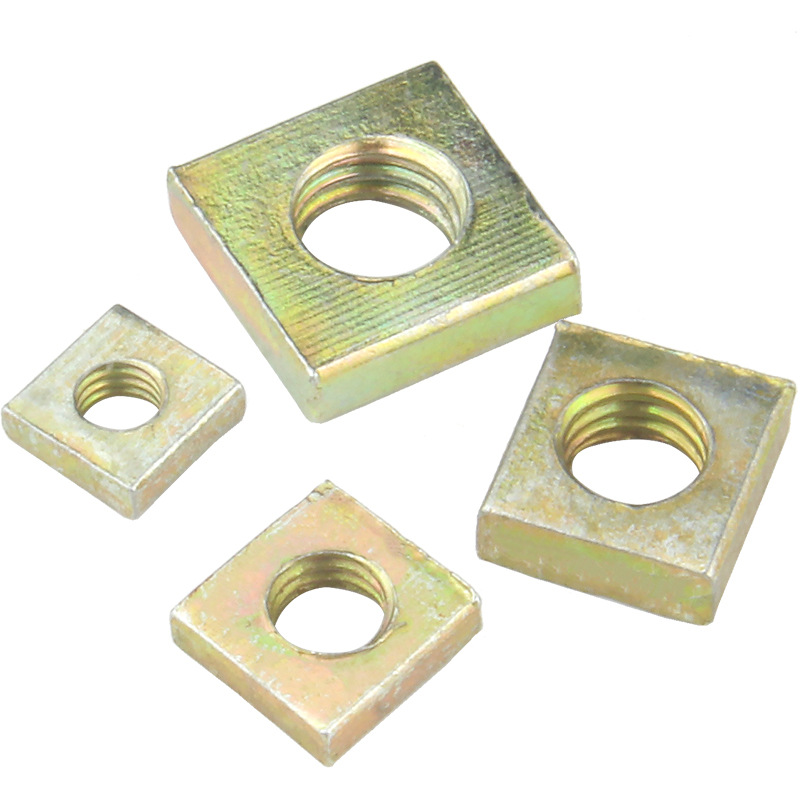
Flat Washers: Their core role centers on "dispersing pressure" and "calibrating fit." Since the contact area between the bolt head and the connected surface is small and often uneven, tightening the bolt can easily cause indentation or damage, especially on soft or fragile substrates like wood, plastic, or thin sheets. A flat washer increases the contact area, distributing the bolt's preload evenly over a larger range to avoid localized stress concentration. Simultaneously, it fills minor surface irregularities, ensuring a flush fit and improving assembly precision. Common types include ordinary flat washers, chamfered flat washers, and square washers, each adapted to different scenarios.
-
Spring Washers (Lock Washers): Their core function is "anti-loosening," operating based on elastic deformation. When the bolt is tightened, the spring washer undergoes elastic compression, generating a continuous elastic reaction force. This maintains a certain preload between the bolt threads, increasing friction and hindering loosening caused by vibration or impact. Additionally, the split design can to a certain extent prevent the bolt from rotating relative to the nut or connected parts. However, it is crucial to note that the anti-loosening effect has limitations and is not suitable for all vibration scenarios; its ability to disperse pressure is far weaker than that of a flat washer.
With their core functions clarified, the selection logic can be summarized as "Assess Conditions -> Define Needs -> Match Characteristics."
First, start with vibration and load conditions, the key to distinguishing their applicable scenarios. If the structure is under static conditions with no significant vibration or impact, and the connected parts are hard materials (like steel or cast iron), the core need is to disperse pressure and ensure fit. In this case, prioritizing a flat washer is sufficient—for example, when fixing bearing housings or motor bases in mechanical equipment. Conversely, if the structure is under dynamic conditions with continuous vibration, impact, or cyclic loads (such as construction machinery chassis, automotive engine compartments, or vibrating equipment frames), anti-loosening becomes the top priority. Here, a spring washer should be prioritized to maintain preload through its elastic reaction force.
The material characteristics of the connected parts are also a critical basis for selection. When dealing with soft materials (like aluminum profiles, plastics, wood, or rubber), a flat washer is mandatory, even under static conditions. These materials have low compressive strength, and the bolt's preload can easily cause surface indentation. For instance, in furniture assembly, omitting a flat washer allows the bolt head to embed directly into the wood, leading to loosening or failure. In photovoltaic modules, flat washers prevent damage to aluminum surfaces while ensuring sealing performance. When connecting hard materials subject to slight vibration, a "Flat Washer + Spring Washer" combination is ideal. This setup disperses pressure via the flat washer while achieving anti-loosening via the spring washer. Note the assembly order: "Flat washer against the connected part, spring washer between the flat washer and the nut" to ensure both function correctly.
Under special environments and assembly requirements, selection needs further refinement. In high-temperature environments (e.g., around boilers or kilns), the elastic material of ordinary spring washers is prone to creep, leading to failure. Heat-resistant materials (like stainless steel or high-temperature alloys) or alternative anti-loosening methods (like lock nuts or cotter pins) should be used. In corrosive environments (such as marine, humid workshops, or chemical settings), both washers must be made of corrosion-resistant materials like 304 or 316 stainless steel, preferably with surface treatments like galvanizing or Dacromet, to prevent rust from compromising the connection.
Furthermore, it is essential to avoid common selection misconceptions:
-
"Spring washers are universally effective": Using them in static, hard-material connections can cause continuous elastic stress on the bolt, potentially leading to fatigue fracture over time. In soft-material connections, they cannot replace the pressure-dispersing role of flat washers and may cause damage due to excessive local pressure.
-
"Flat washers can replace spring washers for anti-loosening": Flat washers lack elasticity and possess no inherent anti-loosening capability; merely increasing friction cannot withstand the loosening risks posed by continuous vibration.
-
"Overlapping protection": Stacking "flat washer + spring washer + locking washer" not only increases costs but may also cause interference between components, reducing the overall anti-loosening effect. The most suitable single or combined solution should be chosen based on actual conditions.
Finally, assembly quality directly impacts connection effectiveness. Ensure the washers match the bolt specifications to avoid uneven stress from incorrect sizing. Control the tightening torque carefully—too little fails to activate the washers' functions, while too much can cause plastic deformation of the spring washer, damage the flat washer, or strip the bolt threads. For critical connections (like special equipment or core mechanical parts), regular inspections are necessary to replace aged or deformed washers promptly.
In summary, selecting between flat and spring washers is not a simple "either/or" choice but a systematic process centered on operational needs, combined with material properties, environmental conditions, and assembly requirements. Prioritize flat washers for static, soft-material connections; spring washers for dynamic, high-vibration scenarios; a combination for complex conditions; and specialized materials for extreme environments. Only through precise matching can the full potential of fasteners be realized, ensuring the safe and stable operation of equipment and structures. For fastener professionals, mastering this scientific selection logic is key to enhancing expertise and providing clients with superior solutions.


 135-6073-0094