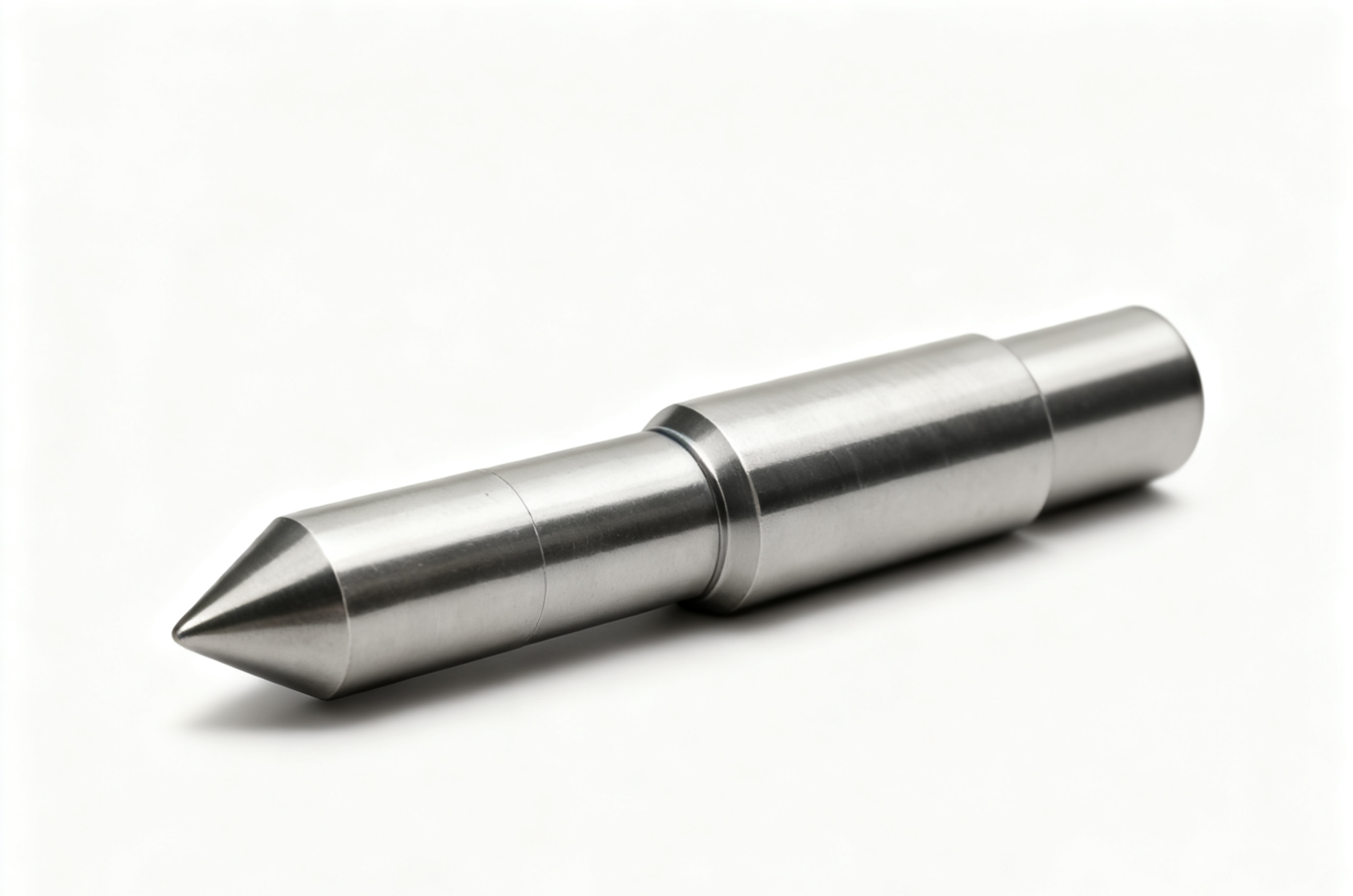
FDS: The New Fastening Paradigm Preferred by Premium Automak. The global fastener industry is undergoing profound transformation, with growing demand for high-performance fasteners driven by renewable energy, aerospace, and smart manufacturing.
China is the world's largest fastener producer and exporter, with three major industrial clusters in the Yangtze River Delta, Pearl River Delta, and Yongnian. As domestic manufacturing upgrades, import substitution of high-end fasteners is accelerating.
Key technology trends include high strength (grade 12.9+), lightweighting with aluminum/titanium alloys, smart fasteners with integrated sensors, and green manufacturing with chromium-free surface treatment. Trade barriers and raw material volatility present new challenges.
For fastener enterprises, enhancing R&D, expanding overseas markets, and participating in international standardization are critical to high-quality development. Toprecision will continue to monitor industry dynamics and support industrial upgrading.
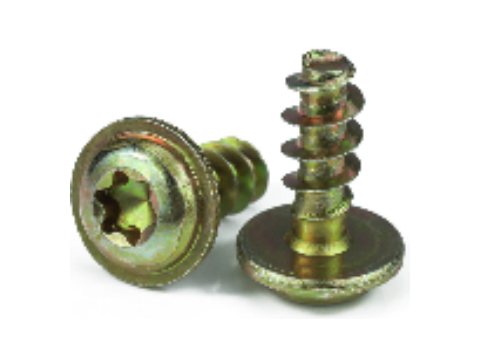
To grasp the revolutionary nature of FDS, one must first understand the essential difference between its core principle and traditional fastening. Traditional bolt fastening relies on mechanical preload, requiring auxiliary components like nuts and washers. This not only makes the assembly process cumbersome but also introduces inherent pain points such as connection gaps and stress concentration. In contrast, FDS breaks the mindset of purely mechanical connection by achieving a metallurgical bond through a "heating-melting-cooling" physical process. Its core workflow can be summarized in three steps:
-
A specialized device rapidly heats the fastening element (e.g., an FDS screw) to a specific temperature, bringing it to a plasticized state.
-
Under precisely controlled pressure, the heated screw is pressed into the workpiece (without a pre-drilled hole). The intense friction generates heat, softening the material, allowing the screw to penetrate and form a bushing.
-
Pressure is maintained as the material cools and solidifies, forming a robust, integrated threaded connection.
This "gap-free, non-loosening" method fundamentally resolves many drawbacks of traditional mechanical connections.
The reason FDS has won the favor of premium automakers lies in its precise alignment with the core demands of luxury car manufacturing, showcasing four key advantages:
-
Higher Connection Strength and Stability: The metallurgical bond interface formed by FDS offers tensile and shear strengths far exceeding traditional mechanical connections, effectively withstanding complex loads like vibration and impact during driving. For instance, in the lightweight body structure of NEVs like the BMW iX, the fusion strength between FDS screws and aluminum bodies is over 40% higher than that of traditional bolts, fortifying body safety.
-
Enabling Lightweight and Integrated Design: FDS eliminates the need for nuts and washers. A single connection solution can reduce weight by 15%-25%, perfectly meeting the NEV industry's core goal of "weight reduction for efficiency." Additionally, its simplified assembly structure reduces the number of holes needed in the body, enhancing overall rigidity—a key reason why the Audi e-tron series adopts this technology.
-
Significantly Improved Assembly Efficiency: Utilizing integrated automated equipment, FDS completes a single connection point in just 1-6 seconds, boosting assembly efficiency by over 50% compared to traditional methods. It also eliminates the need for subsequent anti-loosening inspections, effectively lowering manufacturing costs. After introducing an FDS production line, a Mercedes-Benz factory saw a 30% increase in body assembly line capacity, with the defect rate dropping below 0.02%.
-
Adaptability to Multi-Material Hybrid Connections: With the advancement of automotive lightweighting, new materials like aluminum alloys, carbon fiber composites, and ultra-high-strength steel are widely used. Traditional techniques often face incompatibility issues when joining dissimilar materials. FDS enables reliable connections between steel, aluminum, and composites by precisely controlling temperature and pressure, supporting material innovation for automakers.
The large-scale application by luxury brands like BMW, Mercedes-Benz, and Audi not only validates the maturity of FDS but also outlines its core application scenarios in high-end automotive manufacturing. In body structure connections, the aluminum engine hoods and body frames of the BMW 3 Series and 5 Series use FDS, ensuring connection strength while reducing weight to improve fuel economy. In the door module assembly of the Mercedes-Benz E-Class and S-Class, FDS screws firmly connect electronic component brackets to the inner door panels, preventing vibration-induced noise and enhancing the driving experience. For the battery pack connections in the Audi A6L and A8L, FDS achieves a seamless, high-strength, and sealed connection between battery modules and aluminum trays, effectively safeguarding battery safety. Furthermore, in the assembly of core components like chassis and powertrains, FDS is gradually replacing traditional solutions, becoming a vital tool for premium automakers to boost product competitiveness.
The proliferation of FDS not only drives the upgrade of automotive manufacturing processes but also poses new development requirements for the fastener industry. On one hand, FDS elements require excellent thermal conductivity, plasticity, and high-temperature resistance. Traditional carbon steel no longer suffices, making special materials like high-strength aluminum and titanium alloys the mainstream. Leading domestic fastener enterprises have begun laying out R&D for FDS-specific fasteners, optimizing material formulas and precision processing to match international brand performance. On the other hand, the localization of FDS equipment is urgent. Currently, high-end FDS equipment is still dominated by imports, and high costs hinder widespread adoption. Domestic equipment manufacturers are increasing R&D investment to break through core technologies like precise temperature control and closed-loop pressure regulation, pushing FDS equipment towards localization and intelligence.
From an industry trend perspective, the application of FDS is extending from automotive manufacturing to high-end sectors like aerospace, rail transit, and new energy equipment. In aerospace, its lightweight and high-strength advantages can be applied to aircraft component assembly. In new energy fields like photovoltaic and wind power stations, FDS can adapt to complex outdoor environments, enhancing connection durability. As the technology iterates and costs decrease, FDS is poised to become a mainstream fastening solution in high-end manufacturing, opening new growth spaces for the fastener industry.
With its innovative logic of "fusion bonding," FDS breaks the limitations of traditional mechanical fastening, establishing itself as a core assembly technology for premium automakers. This is not just a革新 (revolution) in fastening processes, but an inevitable result of high-end manufacturing's demand for precise, efficient, and reliable connections. For the fastener industry, seizing the opportunities presented by FDS—accelerating material R&D and equipment upgrades to transition from "traditional fastener suppliers" to "high-end fastening solution providers"—will be key to enhancing core competitiveness. Looking ahead, as the technology matures and application scenarios expand, FDS is bound to shine in more high-end manufacturing fields, propelling the fastener industry toward a new journey of high-quality development.


 135-6073-0094