Professional Analysis:The Core Reasons for Rusting in Galva. The global fastener industry is undergoing profound transformation, with growing demand for high-performance fasteners driven by renewable energy, aerospace, and smart manufacturing.
China is the world's largest fastener producer and exporter, with three major industrial clusters in the Yangtze River Delta, Pearl River Delta, and Yongnian. As domestic manufacturing upgrades, import substitution of high-end fasteners is accelerating.
Key technology trends include high strength (grade 12.9+), lightweighting with aluminum/titanium alloys, smart fasteners with integrated sensors, and green manufacturing with chromium-free surface treatment. Trade barriers and raw material volatility present new challenges.
For fastener enterprises, enhancing R&D, expanding overseas markets, and participating in international standardization are critical to high-quality development. Toprecision will continue to monitor industry dynamics and support industrial upgrading.
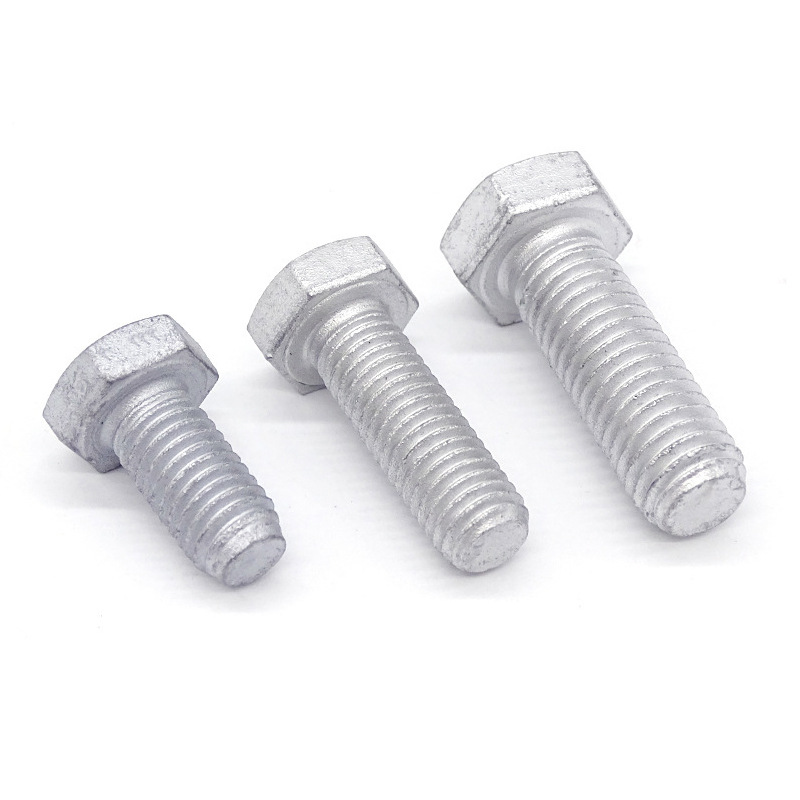
However, in practical applications, galvanized bolts still experience rusting. The core reason lies in the compromise of the galvanized protection system, which allows the substrate to come into contact with corrosive media, triggering electrochemical or chemical corrosion. The following is a comprehensive professional analysis of the core causes of rusting in galvanized bolts.
I. Inherent Defects in the Galvanized Layer: "Congenital Insufficiency" of the Protection System
The protective effect of a galvanized layer relies on its complete and uniform structure. Flaws in the galvanizing process can lead to inherent defects, laying hidden dangers for subsequent rusting.
-
Substandard Coating Thickness: Different application scenarios have clear requirements for coating thickness. For instance, ordinary atmospheric environments require ≥85μm, while marine environments require ≥120μm. If the thickness is insufficient, the zinc layer will be rapidly consumed under the action of corrosive media, losing its protective function and causing the substrate to rust.
-
Defects like Missed Plating and Pinholes: During the galvanizing process, complex areas such as the thread roots and inner corners of bolt heads are prone to missed plating. Additionally, microscopic pinholes may form during the crystallization of the coating. These defects create "corrosion channels," allowing air and moisture to penetrate directly to the substrate surface and trigger localized corrosion.
-
Inadequate Passivation Treatment: After galvanizing, passivation treatment (such as chromate or chrome-free passivation) is required to form a dense passivation film on the zinc surface, enhancing wear and corrosion resistance. If the passivation solution concentration is too low, the treatment time is too short, or drying is not performed promptly, the passivation film will be incomplete or have poor adhesion, failing to effectively block corrosive media and accelerating the aging and corrosion of the zinc layer.
II. External Environmental Erosion: "Acquired Destruction" of the Protection System
The external environment is a key inducer of rusting in galvanized bolts. The type and intensity of corrosive media in different environments directly affect the failure rate of the galvanized layer.
-
Humid and High-Temperature/High-Humidity Environments: In damp environments such as rainy areas, coastal regions, or basements, moisture forms a water film on the bolt surface. This combines with oxygen and carbon dioxide in the air to form acidic or alkaline electrolyte solutions, triggering electrochemical corrosion of the zinc layer. High-temperature and high-humidity environments (e.g., around boilers or in tropical climates) accelerate the corrosion reaction rate, causing the zinc layer to dissolve rapidly and exacerbating substrate corrosion.
-
Acid, Alkali, and Salt Corrosive Environments: Scenarios like chemical workshops, sewage treatment plants, and saline-alkali lands contain large amounts of acidic gases (e.g., HCl, SO₂), alkaline substances (e.g., NaOH), or salt spray (e.g., NaCl). These corrosive media chemically react with the zinc layer, destroying both the coating and the passivation film. For example, chloride ions in salt spray can penetrate the passivation film and react with zinc to form soluble zinc salts, leading to coating detachment and rapid rusting once the substrate is exposed.
-
Complex Atmospheric Environments: Pollutants like industrial dust and vehicle exhaust attach to the bolt surface, forming a dirt layer. Moisture and corrosive media easily accumulate beneath this layer, triggering localized "crevice corrosion." This phenomenon is particularly evident in crevices such as the contact surfaces between bolt heads and connected parts, as well as in threaded engagement areas.
III. Improper Processing, Assembly, and Maintenance: "Secondary Damage" from Human Factors
Non-standard operations during processing and assembly can directly damage the galvanized layer, causing premature rusting; meanwhile, improper use and maintenance accelerate the failure of the protection system.
-
Mechanical Damage During Assembly: Improper use of tools (such as wrenches or sockets) during assembly can scratch or bump the galvanized layer on the bolt surface, causing coating damage. Excessive tightening torque may cause the coating on the threads to peel off due to compression. These damaged areas become starting points for corrosion, triggering localized rusting. Additionally, uneven surfaces or sharp protrusions on connected parts can also scratch the galvanized layer under assembly pressure.
-
Impact of Subsequent Processing like Welding: In some scenarios, galvanized bolts require welding after assembly. The high temperature of welding causes the local galvanized layer to melt and oxidize, forming oxide scales that lose their protective function. Simultaneously, welding slag and thermal radiation destroy the surrounding coating, making these areas prone to rusting.
-
Lack of Use and Maintenance: During long-term use, dust, oil, and other contaminants accumulate on the bolt surface. If not cleaned promptly, they create a corrosive environment. For bolts subjected to vibration and impact, prolonged vibration can cause the galvanized layer to separate from the substrate and exacerbate thread wear, allowing corrosive media to penetrate more easily and induce rusting.
IV. Substrate and Coating Matching Issues: "Synergistic Failure" of the Protection System
The compatibility between the substrate material of galvanized bolts and the galvanized layer also affects the protective performance.
If the substrate itself has quality issues—such as excessively high carbon content, cracks, or inclusions—it leads to poor adhesion between the galvanized layer and the substrate, making the coating prone to peeling. At the same time, a significant difference in electrochemical activity between the substrate and the zinc layer accelerates the sacrificial anode reaction in corrosive environments, causing the zinc layer to be consumed rapidly. Furthermore, if the bolt substrate is not pre-treated (e.g., rust and oil removal), surface rust and oil residues will affect the bonding force of the galvanized layer, leading to easy detachment and subsequent substrate rusting.
Conclusion
In summary, the rusting of galvanized bolts is the result of multiple factors, including inherent defects in the galvanized layer, external environmental erosion, improper human operation, and substrate matching issues. The core issue is the loss of effective protection of the substrate by the galvanized protection system.
In practical applications, it is necessary to optimize the galvanizing process (ensuring coating thickness and quality), accurately match the application environment (selecting appropriate galvanizing types, such as hot-dip or electro-galvanizing), standardize processing and assembly procedures, and strengthen usage maintenance to avoid rusting risks and extend the service life of galvanized bolts. For fastener practitioners, clarifying the causes of rusting provides a scientific basis for product selection, process optimization, and application maintenance, thereby enhancing the reliability and safety of fastener connections.


 135-6073-0094