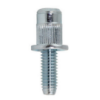
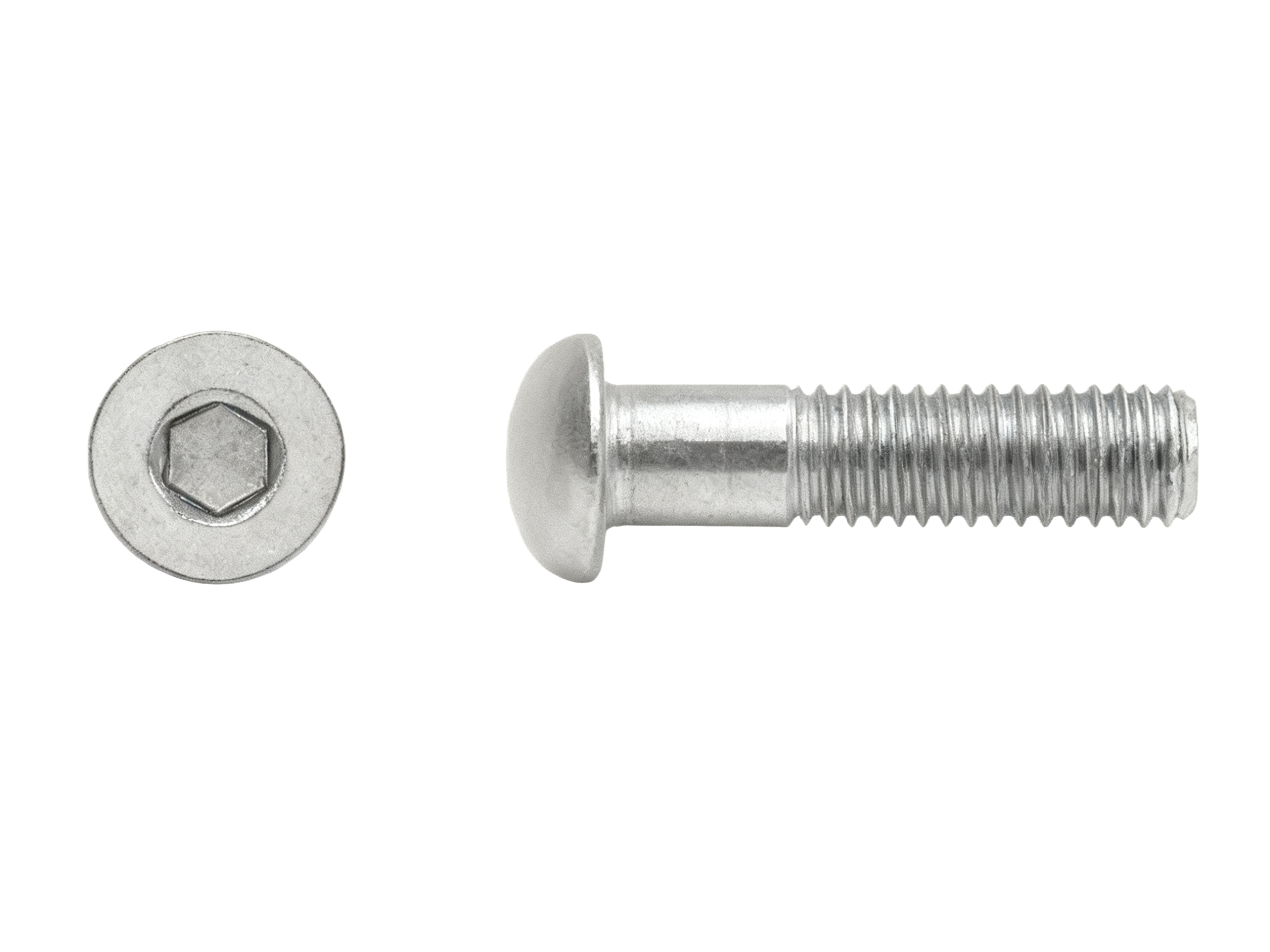
In the first half of 2025, the U.S. Department of Commerce announced the reinstatement of tariff barriers on fastener products originating from China, imposing a punitive 34% tariff. This move delivered a heavy blow to China's fastener export enterprises. Facing this sudden shift in the trade environment, industry players quickly adjusted their market strategies, accelerating their expansion into emerging markets like ASEAN and leveraging the tariff reduction advantages of the Regional Comprehensive Economic Partnership (RCEP) to achieve a diversified transformation of their export markets.
The tariff war has had a direct and severe impact on China-U.S. fastener trade. Data shows that in the second quarter of 2025, China's fastener export value to the U.S. plummeted by 62% year-on-year, with export volumes of high-end products like Grade 12.9 bolts and stainless steel nuts dropping sharply by 78%. A leading export enterprise in Ningbo, Zhejiang, revealed that due to the tariffs, its profit margin on the U.S. market fell from 18% to -5%, forcing it to suspend some supply lines to the U.S.. The U.S. market had long accounted for 22% of China's total fastener exports. This tariff hike slowed the industry's overall export growth rate from 15% in 2024 down to just 3.2% in the first half of 2025, putting immense survival pressure on many small and medium-sized export enterprises.
The industry's market transformation demonstrates strong adaptability. Guided by government departments and industry associations, export enterprises have collectively turned their attention to the ASEAN market. In the first half of 2025, China's fastener export value to ASEAN grew by 47% year-on-year, with Vietnam, Malaysia, and Thailand emerging as the primary growth markets. Tariff relief under the RCEP framework has become a crucial pillar for this breakthrough: under free trade agreements between China and ASEAN nations, tariffs on fastener products were reduced from the original 10%-15% down to 0%-5%. Combined with the trade facilitation brought by rules of origin, Chinese-made fasteners gained a 7%-12% price advantage in the ASEAN market. For instance, an automotive fastener manufacturer in Wenzhou, Zhejiang, successfully entered the Vietnamese Toyota supply chain thanks to this price edge, achieving a monthly supply volume of 5 million pieces.
Market transformation is also pushing enterprises to enhance their localization capabilities. To better serve the ASEAN market, several companies have invested in building assembly plants in Vietnam and Thailand, utilizing local labor cost advantages and RCEP rules of origin to circumvent trade barriers. Jiangsu Shenyuan Group's fastener production base in Vietnam officially commenced operations in July 2025, boasting an annual capacity of 300 million pieces to directly supply Southeast Asian automakers. Furthermore, adapting to the hot and humid climate of ASEAN, enterprises have optimized product processes to develop anti-corrosion fasteners capable of withstanding up to 1500 hours of salt spray testing, perfectly meeting local market demands.
Support from industry associations has provided a solid safety net for this transition. The China General Machine Components Industry Association launched the "ASEAN Market Matchmaking Initiative," organizing 12 online and offline promotion events to help enterprises connect with over 300 local buyers. They also compiled the RCEP Fastener Trade Guide, detailing tariff policies, technical standards, and certification requirements across various countries. Additionally, the association partnered with financial institutions to launch a specialized export credit insurance program, reducing policy premium rates for the ASEAN market by 30% to alleviate the risks associated with taking new orders.
This market transformation, forced by the tariff shock, is actively optimizing the structure of China's fastener exports. In the first half of 2025, ASEAN's share of China's total fastener exports rose from 18% to 29%, making it the largest export destination. Meanwhile, exports to the EU, South America, and other markets have also achieved steady growth, marking the initial formation of a diversified market landscape. Industry experts point out that while the short-term pain is real, this strategic pivot will ultimately reduce the industry's reliance on any single market, significantly enhancing its resilience against international trade risks and laying a strong foundation for the sustainable development of export trade.


































 Login
Login












 Contact
 WeChat
 粤ICP备2025493240号-1