Since 2026, memory chip prices have surged continuously. Driven by the AI infrastructure boom, this price rally has transmitted from upstream supply chains to downstream terminal markets, reshaping the competitive landscape of China's smartphone industry. Recent data for week 12 of 2026 shows that brands which did not follow the price hike performed steadily, while those that raised prices generally faced pressure. This signals that memory inflation has disrupted the industry's existing order, with indirect implications for fastener suppliers tied to smartphone production.
In Q1 2026, DRAM and NAND prices rose over 50% and 90% quarter-on-quarter respectively. Global memory has entered a seller's market, with SK Hynix reporting inventory of only around four weeks—historically low. The price rally is expected to last through 2026. Smartphones, as a major downstream application for memory chips, face direct cost pressure. Some brands have raised prices by RMB 300–1,000 per device, sparking the largest smartphone price hike in five years.
Week 12 data confirms this trend. Brands that held prices stable showed resilience in shipments and market口碑, while those that raised prices saw weaker rankings. Consumer price sensitivity, especially in the mid-to-low end, has made price hikes a competitive disadvantage.
According to industry data for the first 12 weeks of 2026, year-on-year shipment trends among China’s top six smartphone brands diverged sharply. Apple led with 17% growth. OPPO followed with 2% growth. Honor (-3%), Huawei (-8%), vivo (-8%), and Xiaomi (-21%) declined. The overall market fell 5%. Apple and OPPO exceeded the average, placing them in the top tier. Smaller brands outside the top six dropped 20%, accelerating industry consolidation.
Industry sources note that some smartphone makers have already adopted controlled shipment strategies in Q1 to protect margins amid rising costs. More are expected to follow in Q2.
Apple has been the biggest winner, thanks to the iPhone 17 series. With features like 120Hz displays and 256GB base storage, the series gained a competitive edge as Chinese brands raised prices. Apple’s 17% shipment growth further solidified its high-end position.
For Chinese brands, the dilemma is clear: thin margins leave little room to absorb cost increases. Raising prices hurts competitiveness; not raising prices erodes profitability. Apple, by contrast, leverages strong supply chain bargaining power and brand strength to avoid price hikes and maintain momentum.
Looking ahead, competition will intensify. Brands that raised prices face growing pressure, while those that held steady may gain short-term market share. However, whether domestic brands can sustain this stance amid persistent memory price increases remains uncertain. Some smaller manufacturers already risk production cuts or closure due to insufficient memory supply.
These shifts in the smartphone market have direct implications for the fastener industry. Fasteners are essential to smartphone assembly—from chassis and screen mounting to camera modules and battery encapsulation. Changes in smartphone shipment volumes and product structures directly affect fastener demand.
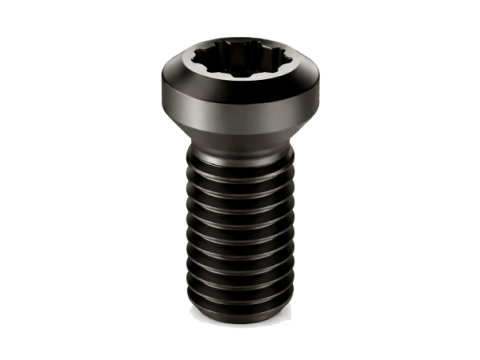
Apple’s 17% shipment growth increases demand for precision fasteners, especially miniature, lightweight, corrosion-resistant types suited to the thin, compact design of the iPhone 17 series. OPPO’s positive growth similarly drives demand for high-precision fasteners in mid-to-high-end models.
Conversely, declining shipments from Huawei, vivo, Xiaomi, and smaller brands reduce demand for standard, lower-value fasteners used in mid-to-low-end phones. This could lead to order reductions and capacity idling for suppliers focused on that segment. Smartphone makers’ controlled shipment strategies also introduce demand volatility.
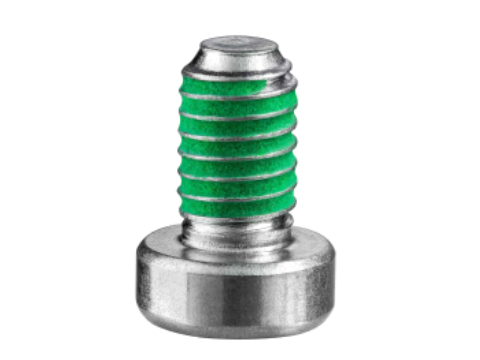
Memory-driven industry consolidation is pushing smartphone production toward high-end models, indirectly forcing fastener suppliers to upgrade. Higher requirements for precision, lightweight design, and corrosion resistance will gradually replace conventional standard fasteners with customized, high-end solutions. Thin-and-light designs increase demand for miniature and anti-loosening fasteners. Waterproof and dustproof requirements drive development of corrosion-resistant and sealed fasteners.
Fastener companies must actively respond. They can increase R&D investment in high-end precision fasteners to meet the needs of stable performers like Apple and OPPO. They can reduce reliance on low-end standard fasteners, develop customized products, and closely monitor smartphone shipment and product upgrade plans to anticipate demand shifts.
As memory price increases continue, market concentration in smartphones will likely rise, with Apple further expanding its lead. This will continue to reshape fastener demand, pushing the industry toward high-end, precision-oriented manufacturing.
We will continue to track memory price trends and smartphone market dynamics, sharing timely industry information to help fastener companies seize opportunities and align with downstream demand.
























 Login
Login









 Contact
 WeChat
 粤ICP备2025493240号-1