The corrosion resistance of screws directly determines their service life and application reliability, with surface treatment processes serving as the core means of achieving this protection. Oxidation, electrophoretic deposition, electroplating, and Dacromet are four mainstream processes that form protective layers on screw surfaces through different technical principles. These processes not only produce diverse appearances but also result in significantly different corrosion resistance. Categorizing these processes by color helps fastener professionals quickly match application requirements and avoid premature failure caused by improper selection. The following is a systematic analysis of the core points and corrosion resistance performance of these four major processes based on common surface colors.
Black Surface Treatments: Corrosion Resistance Differences Between Oxidation and Electrophoretic Deposition
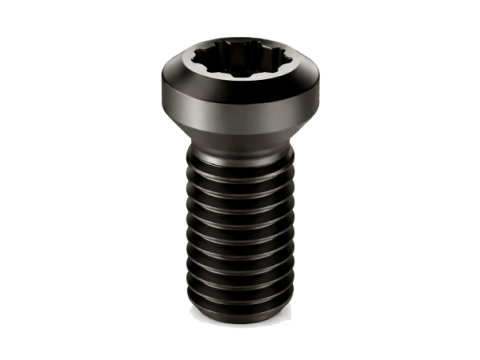
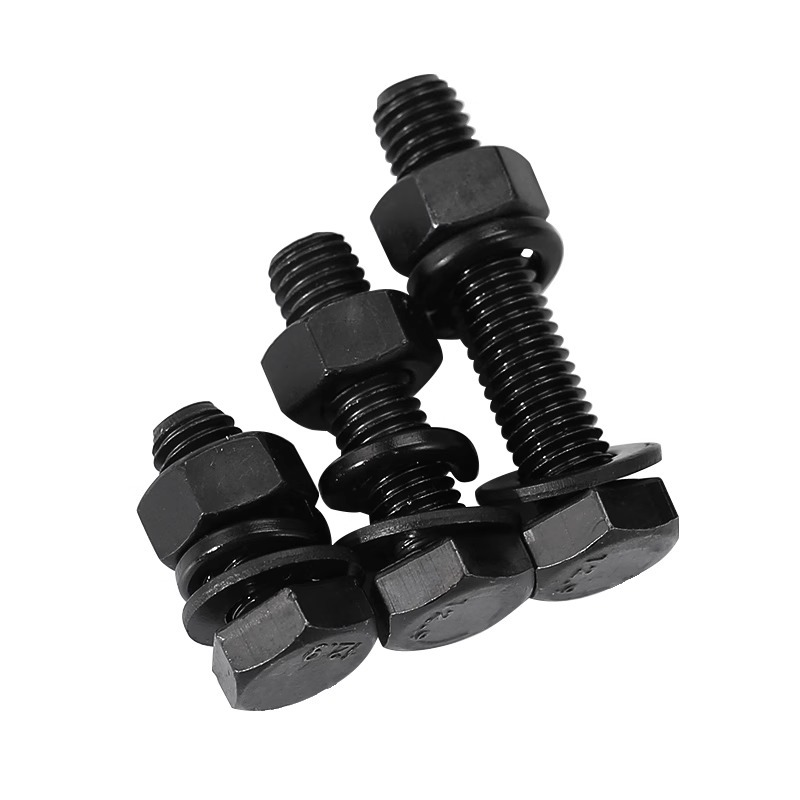
Black is the most common surface color for screws, primarily corresponding to oxidation and electrophoretic deposition. The two differ significantly in corrosion resistance and application scenarios. Oxidation (also known as blackening) is divided into high-temperature and room-temperature oxidation. It forms a black oxide film (mainly Fe3O4) through chemical or electrochemical reactions. High-temperature oxidation involves immersing carbon steel screws in an alkaline solution at 135°C–145°C for 30–60 minutes, resulting in a film thickness of 0.5–1.5μm. Its corrosion resistance is weak, with neutral salt spray test (NSST) times typically ranging from 8 to 24 hours. It is suitable for dry indoor environments and low-requirement internal mechanical screws, offering extremely low costs and a simple process. Room-temperature oxidation reacts via an acidic solution at room temperature, producing a thinner film (0.3–0.8μm) and poorer corrosion resistance (NSST ≤8 hours). It is only suitable for temporary or single-use screws. Oxidized black screws have a matte black, non-glossy appearance. The film has strong adhesion but is brittle and prone to peeling upon impact. This process is only applicable to carbon steel; stainless steel and aluminum alloy screws cannot achieve a black appearance through oxidation.
Electrophoretic deposition uses an electric field to deposit paint particles onto the screw surface, forming a black protective layer (cathodic or anodic). The coating thickness reaches 10–30μm, far exceeding that of oxide films, significantly enhancing corrosion resistance with NSST times of 72–200 hours. High-end epoxy electrophoretic coatings can exceed 300 hours. Electrophoretic black screws can be glossy or matte, with uniform, dense coatings and strong adhesion, compatible with carbon steel, stainless steel, and aluminum alloys. Its corrosion resistance relies on both physical isolation and the chemical stability of the paint against acid and alkali attack. It is suitable for mild outdoor corrosive environments, automotive interiors, and appliance housings. Although more expensive than oxidation, electrophoretic deposition offers superior corrosion resistance and aesthetics, supports batch automated production, and is the preferred process for mid-to-high-end black screws.
Silver Surface Treatments: The Mainstay of Electroplating and Dacromet
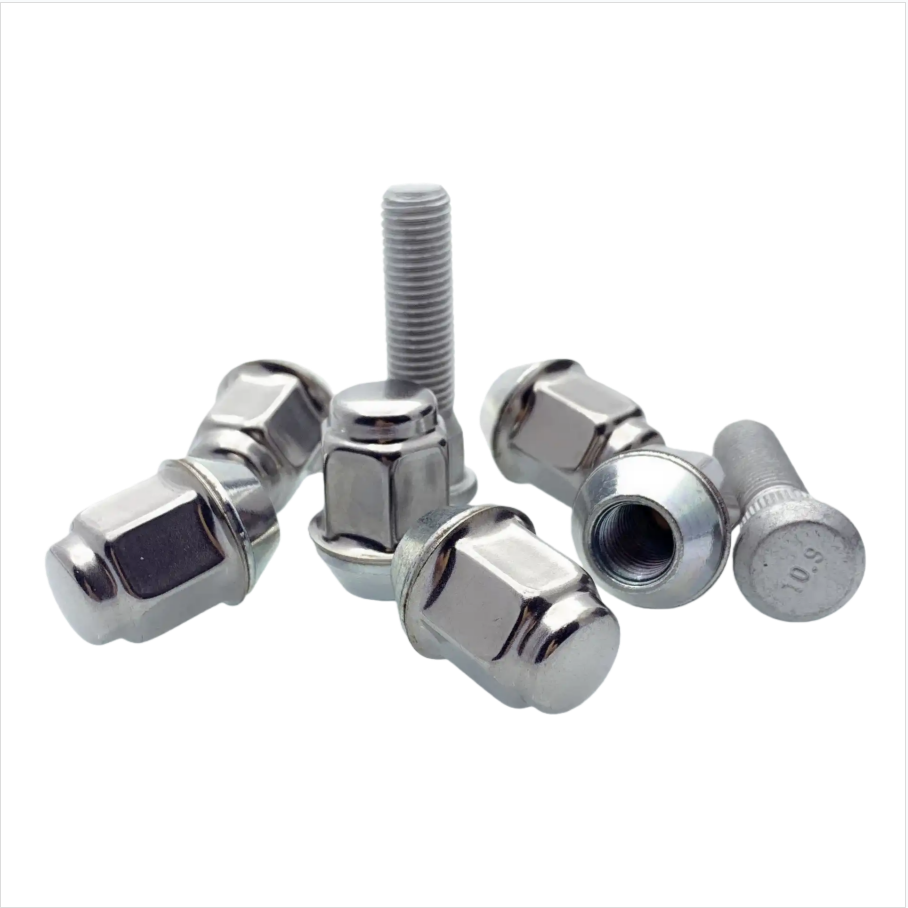
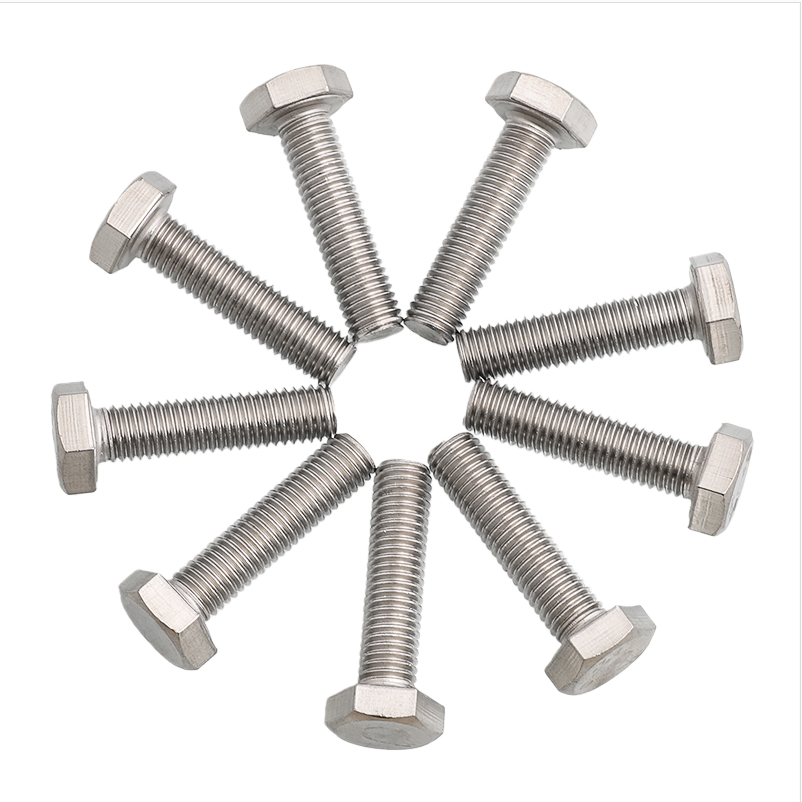
Silver screws have the widest range of applications, corresponding to electroplating (zinc, nickel) and Dacromet, representing the mainstream choice for balancing corrosion resistance and cost. Zinc electroplating is the most common silver treatment, forming a zinc layer via electrolysis. Blue-white zinc and rainbow zinc (chromate passivation) present a standard silver appearance. Blue-white zinc layers are typically 8–12μm thick with an NSST of 24–72 hours, featuring a bright, clean appearance suitable for indoor appliances and light industrial products. Rainbow zinc adds a passivation film, increasing NSST to 96–200 hours, and is commonly used for automotive chassis and architectural hardware in mild outdoor environments. Zinc plating is moderately priced and highly compatible with carbon and alloy steels. However, the zinc layer has low hardness (HV 90–120), poor wear resistance, and may develop white rust when exposed to moisture long-term.
Nickel electroplating offers a finer, more uniform silver appearance (bright or matte nickel) with a thickness of 5–10μm. Its hardness (HV 300–400) and corrosion resistance are superior to zinc plating, with NSST times of 100–300 hours. Bright nickel achieves a mirror finish for precision instruments and electronics, while matte nickel provides a soft texture for medical and food machinery. Nickel plating offers excellent coverage for fine threads, wear resistance, and conductivity, but costs 30%–50% more than zinc plating, limiting it to mid-to-high-end applications.
Dacromet (zinc-chromium coating) presents a unique silver-gray appearance. Formed by baking a zinc-chromium composite coating at high temperatures, it has a thickness of 5–12μm. Its corrosion resistance far surpasses standard electroplating, with NSST times of 500–1000 hours, and some high-end formulas exceeding 2000 hours. It also exhibits excellent resistance to heat, humidity, salt spray, and acids/alkalis. Its dual protection mechanism combines the sacrificial anode protection of zinc with the passivation of chromate, ensuring continuous protection even if the coating is locally damaged. It is ideal for heavy outdoor corrosive environments (wind power towers, bridges, marine equipment) and is compatible with carbon steel, stainless steel, and aluminum alloys. With moderate hardness (HV 200–300) and better wear resistance than zinc plating, Dacromet is more expensive, requires high-energy baking at 200°C–300°C, and is limited to a silver-gray color, restricting its use in appearance-critical applications.
Colored Surface Treatments: Functional Extensions of Electroplating and Electrophoresis
Colored screws are mainly used for special identification or decorative purposes (red, blue, yellow), achieved through electroplating (rainbow zinc, gold plating) and electrophoretic deposition, balancing aesthetics with basic corrosion resistance. Rainbow zinc is essentially an extension of silver zinc plating but is often categorized as colored due to its iridescent red, yellow, and blue sheen, primarily used for specification differentiation.
Gold plating presents a golden-yellow appearance with a thin film (0.1–1μm). Used mainly in high-end electronics and aerospace, its core advantages are excellent conductivity and chemical stability, offering extreme corrosion resistance (NSST ≥500 hours). However, its extremely high cost restricts it to special functional needs rather than general protection or decoration.
Colored electrophoretic deposition achieves various colors (red, blue, green) by adjusting the paint, with a thickness of 10–25μm and an NSST of 72–150 hours, comparable to black electrophoretic deposition. It is mainly used in appliances, toys, and decorative hardware, providing strong adhesion, fade resistance, and basic corrosion protection at a much lower cost than gold plating, making it the mainstream choice for colored screws.
Gray Surface Treatments: Niche Applications of Dacromet and Phosphating
Gray screws, primarily dark or matte gray, correspond to Dacromet variants and phosphating, mainly suited for heavy-duty industrial and concealed installations. Some Dacromet formulas achieve a dark gray appearance with the same corrosion resistance as standard Dacromet (NSST 500–1000 hours), ideal for low-profile outdoor heavy-duty applications like construction and mining equipment.
Phosphating forms a gray film (mainly iron or zinc phosphate) 1–5μm thick with a matte gray appearance. While its corrosion resistance is weak (NSST ≤24 hours), the film offers excellent lubricity and adhesion, serving as a primer for subsequent oiling or painting. When oiled, phosphated screws can achieve an NSST of up to 72 hours. With extremely low costs, they are suitable for concealed, heavy-duty internal mechanical connections and large-scale industrial applications.
Corrosion Resistance Comparison and Selection Logic
The corrosion resistance of the four major processes ranks as follows: Dacromet > Electrophoretic Deposition > Electroplating (Nickel > Rainbow Zinc > Blue-white Zinc) > Oxidation (High-temp > Room-temp). Reference NSST times are: Dacromet (500–2000h), Electrophoretic Deposition (72–300h), Nickel Plating (100–300h), Rainbow Zinc (96–200h), Blue-white Zinc (24–72h), High-temp Oxidation (8–24h), and Room-temp Oxidation (≤8h).
Selection should follow a three-dimensional logic of "Environment - Material - Cost": Dacromet is prioritized for heavy outdoor corrosive environments (marine, wind power, bridges); Rainbow Zinc or Electrophoretic Deposition for mild outdoor environments (automotive chassis, building facades); Blue-white Zinc, Nickel Plating, or Oxidation for dry indoor environments (appliances, instruments); Colored Electrophoretic Deposition or Gold Plating for special color requirements; and Oxidation or Phosphating for low-cost, temporary applications.
Additionally, matching surface treatments with screw materials is crucial: Carbon steel screws should prioritize zinc plating, Dacromet, or electrophoretic deposition to avoid rapid rusting from oxidation. Stainless steel screws can use nickel plating, electrophoretic deposition, or Dacromet to further enhance corrosion resistance. Aluminum alloy screws are best suited for electrophoretic deposition or Dacromet to avoid electrochemical corrosion during electroplating.
The color of screw surface treatments is not merely an aesthetic difference but a "visual identifier" for corrosion resistance and process type. From the low cost of black oxidation to the superior protection of Dacromet, and from the versatility of silver zinc plating to the decorative nature of colored electrophoretic deposition, each color corresponds to specific process principles and application scenarios. Mastering the "Color - Process - Corrosion Resistance" relationship enables professionals to make rapid, precise selections, ensuring stable and reliable protection for screws in various environments.













 Login
Login









 Ask me anything
 Contact information for headquarters sales




 Contact
 WeChat
 粤ICP备2025493240号-1