Cabinet products, including server cabinets, network cabinets, industrial control cabinets, distribution boxes and instrument enclosures, serve as the fundamental carriers of modern electronic and electrical systems. Their main structures are fabricated through bending, welding and assembly of sheet metal components. The connection quality between sheet metal parts directly determines the cabinet’s structural strength, rigidity, ingress protection (IP) rating, electromagnetic compatibility (EMC) shielding performance, assembly efficiency and overall appearance. Therefore, adopting scientific, economical and reliable sheet metal fastening solutions is essential in cabinet design and manufacturing. This article systematically analyzes core connection requirements and elaborates on mainstream fastening methods and selection guidelines.
I. Core Requirements for Cabinet Sheet Metal Connections
1. Structural Strength and Rigidity
Ensure structural stability against deformation and vibration during equipment loading, transportation and long-term operation.
2. Sealing and Protection Performance
Gaps between doors, side panels and cabinet frames must be properly sealed to meet dustproof and waterproof IP rating standards.
3. Electromagnetic Compatibility (EMC)
Connection joints must maintain continuous metallic contact with low resistance to form reliable conductive paths and reduce electromagnetic leakage, which is critical for shielding effectiveness.
4. Manufacturability and Assembly Efficiency
Solutions must adapt to mass production with simple assembly procedures, shorter working hours and moderate skill requirements.
5. Maintainability and Disassemblability
Facilitate on-site installation, internal equipment maintenance and component replacement.
6. Aesthetic Appearance
Exposed fasteners must be neat and uniform. Concealed connection structures are required for high-end aesthetic scenarios.
II. In-Depth Analysis of Mainstream Fastening Solutions
Fastening methods are selected according to sheet metal thickness, connection type (surface-to-surface, edge-to-surface, hinge mounting) and functional requirements. The mainstream solutions are summarized as follows:
1. Threaded Connections (Screws / Bolts)
As the most traditional, flexible and reusable fastening method, threaded connections are widely adopted in cabinet assembly.
Self-Tapping Screws
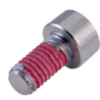
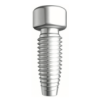
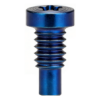
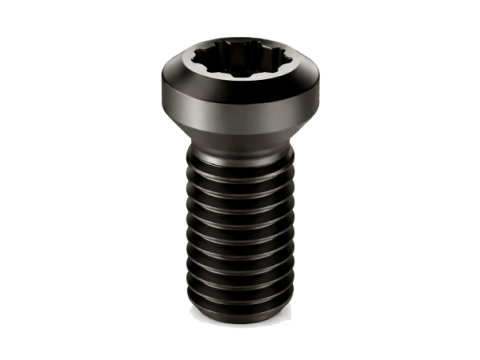
Cutting tapping screws (e.g., GB/T 5282): Equipped with cutting flutes to tap threads directly on thin sheets. They eliminate pre-tapping processes and improve efficiency, but allow only 3–5 repeated disassembly cycles. Metal debris generated during tapping may affect internal equipment, and they are not applicable to materials with hardness above HV170.
Thread-forming tapping screws (e.g., GB/T 5285): Form threads by material extrusion without producing debris, providing higher connection strength, better anti-loosening performance and improved tightness. They require higher driving torque and are suitable for materials with good ductility.
Application: Ideal for 1.0–3.0 mm sheet metal joints, sheet-to-plastic and sheet-to-casting connections, widely used in frame assembly, internal board fixing and door panel locking.
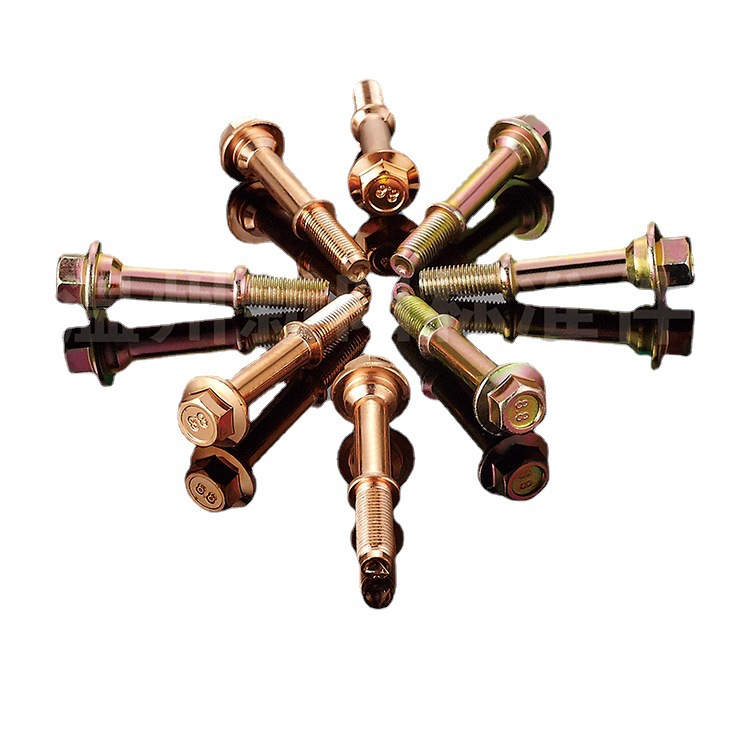
Combination Screws (With Washers)
Integrated with flat washers and spring washers for one-step installation, preventing loosening and protecting sheet surfaces from damage.
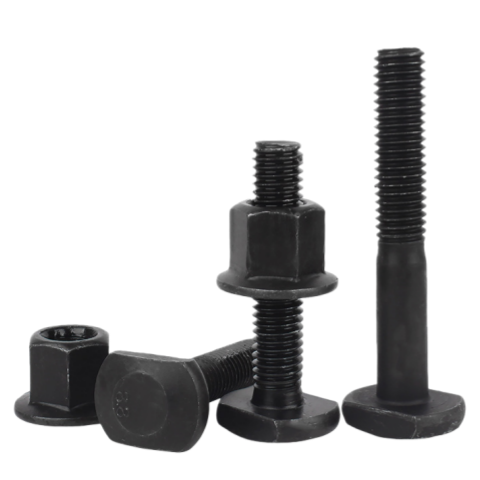
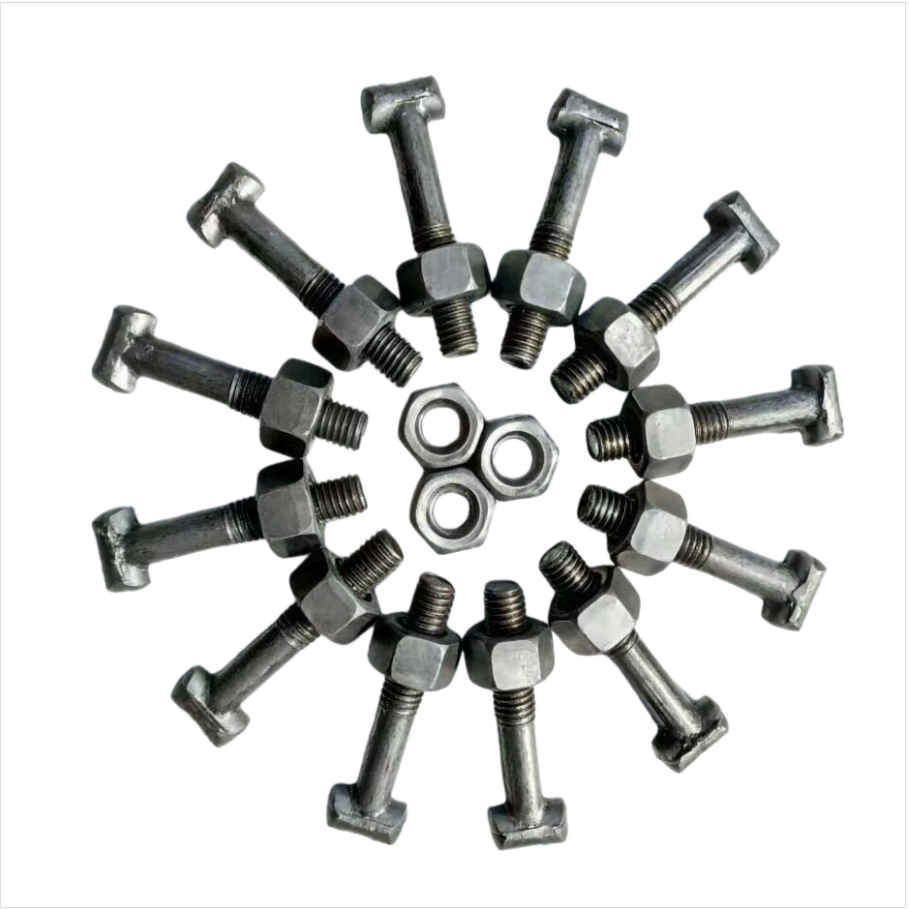
Bolt & Nut Assemblies
Suitable for thick plates and high-tensile-load scenarios, limited only by rear-side operating space.
Selection Guidelines: Screw engagement depth shall reach no less than 3 times the pitch (ideally 2–3 times the sheet thickness). Select zinc-plated, nickel-plated or stainless steel materials based on corrosion resistance requirements. Conductive washers or special conductive coatings are recommended for EMC critical applications to ensure continuous metallic contact.
2. Pre-Embedded Threaded Fasteners
Pre-installed threaded components effectively solve low thread strength and thread slipping issues on thin sheet metal.
Clinched Nuts & Clinch Studs
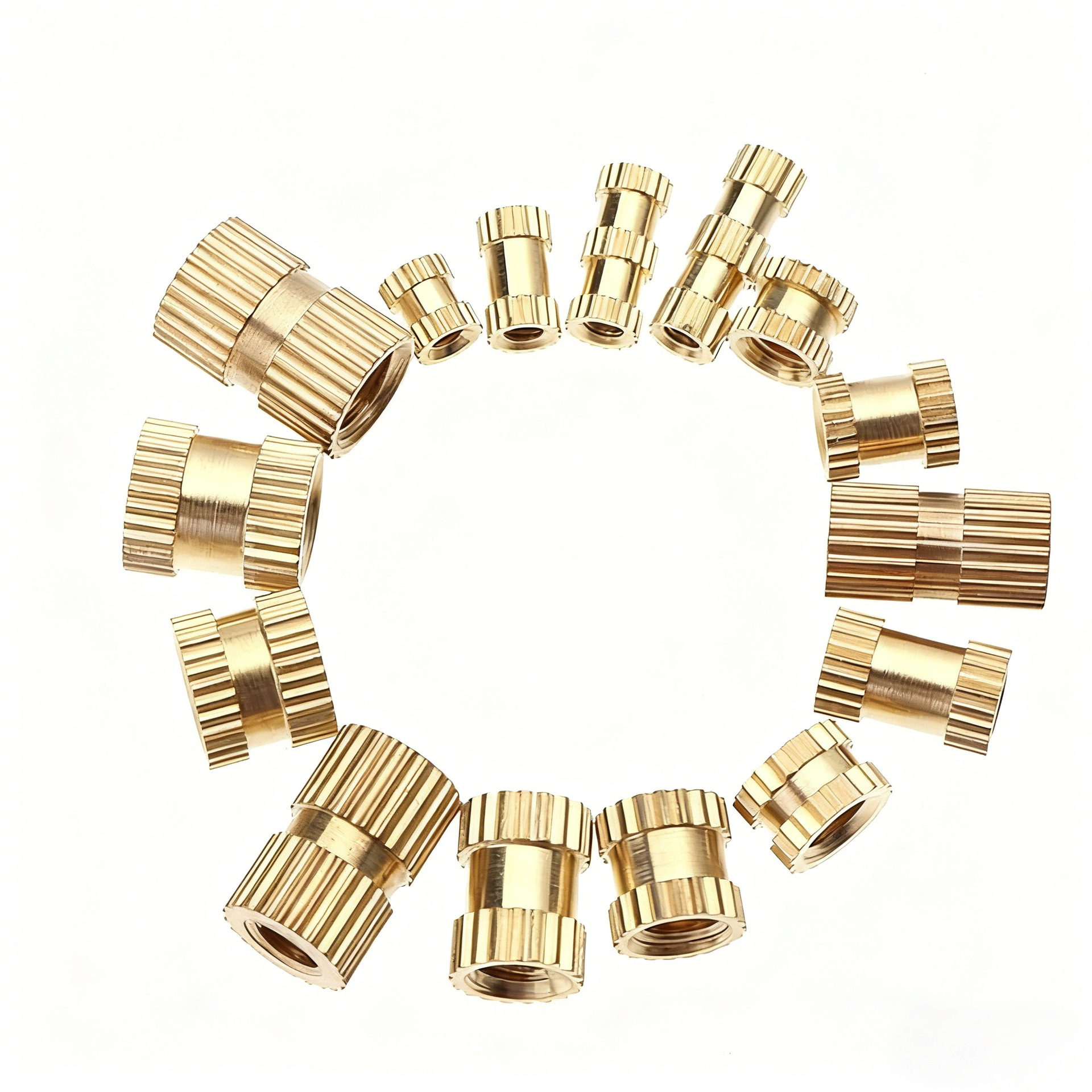
Cold extruded and fixed via professional clinching equipment, forming permanent and reusable standard thread points. As standard cabinet manufacturing processes, they include through-hole clinch nuts, blind clinch nuts and clinch studs commonly used for grounding posts.
Expansion Nuts & Blind Rivet Nuts
Fixed by tail expansion deformation with portable installation tools, suitable for field assembly and maintenance, with slightly lower torsional resistance than standard clinch nuts.
Weld Nuts
Fixed by spot welding or projection welding with ultra-high connection strength for heavy-load and high-vibration positions. Thermal deformation during welding may affect surface coating and appearance.
Advantages: Provide high-strength, reusable and standardized threaded connection points, greatly improving assembly efficiency and connection consistency.
3. Riveting Connections
Riveting forms permanent, non-detachable connections with high structural strength and excellent tightness.
Blind Rivets
Allow single-sided rapid installation for positions with limited operating space, including open-type, waterproof closed-type and high-shear structural-type rivets.
Solid Rivets
Require double-sided impact riveting, delivering maximum strength with relatively low efficiency, mainly used for heavy-duty structural reinforcement.
Application: Widely used for permanent fixing of internal stiffeners, angle brackets and sealed panel joints.
4. Snap-Fit & Quick-Lock Mechanisms
Modern solutions optimized for ultra-fast assembly and minimalist appearance.
Plastic & Metal Clips
Enable tool-free instantaneous assembly through elastic deformation, extensively applied to detachable doors, panels and filter frames. Design reliability depends on stress-strain simulation and fatigue life testing.
Eccentric Cam Locks & Compression Handles
Generate stable compression and self-locking force via cam rotation or handle pressing, ensuring reliable sealing and EMC contact for frequent cabinet door opening and closing.
Advantages: Extremely fast assembly and disassembly, superior user experience and clean appearance.
5. EMC & Conductive Specialized Solutions
EMC Gaskets
Fill structural gaps and form continuous conductive paths. Fasteners provide consistent compression to ensure effective gasket contact.
Serrated & Shakeproof Washers
Sharp serrations penetrate surface insulating coatings such as paint and plating to achieve direct metal-to-metal contact and reduce contact resistance.
Conductive Coatings & Plating
High-conductivity surface treatments such as tin plating and silver plating enhance electrical continuity of fasteners.
III. Solution Selection Criteria & Industry Trends
1. Core Decision Factors
Sheet metal thickness, material type (carbon steel, aluminum, stainless steel), mechanical strength, sealing grade, EMC requirements, disassemblability, assembly environment (factory/on-site), production volume and cost budget.
2. Typical Application Combinations
Frame Structure: Self-tapping screws or bolt & clinch nut combinations for stable structural strength.
Door Panel Assembly: Hinges matched with quick-lock handles or screws to balance flexible rotation, sealing and locking performance.
Internal Mounting Plates: Screws plus clinch studs or guide rails for convenient equipment installation and sliding maintenance.
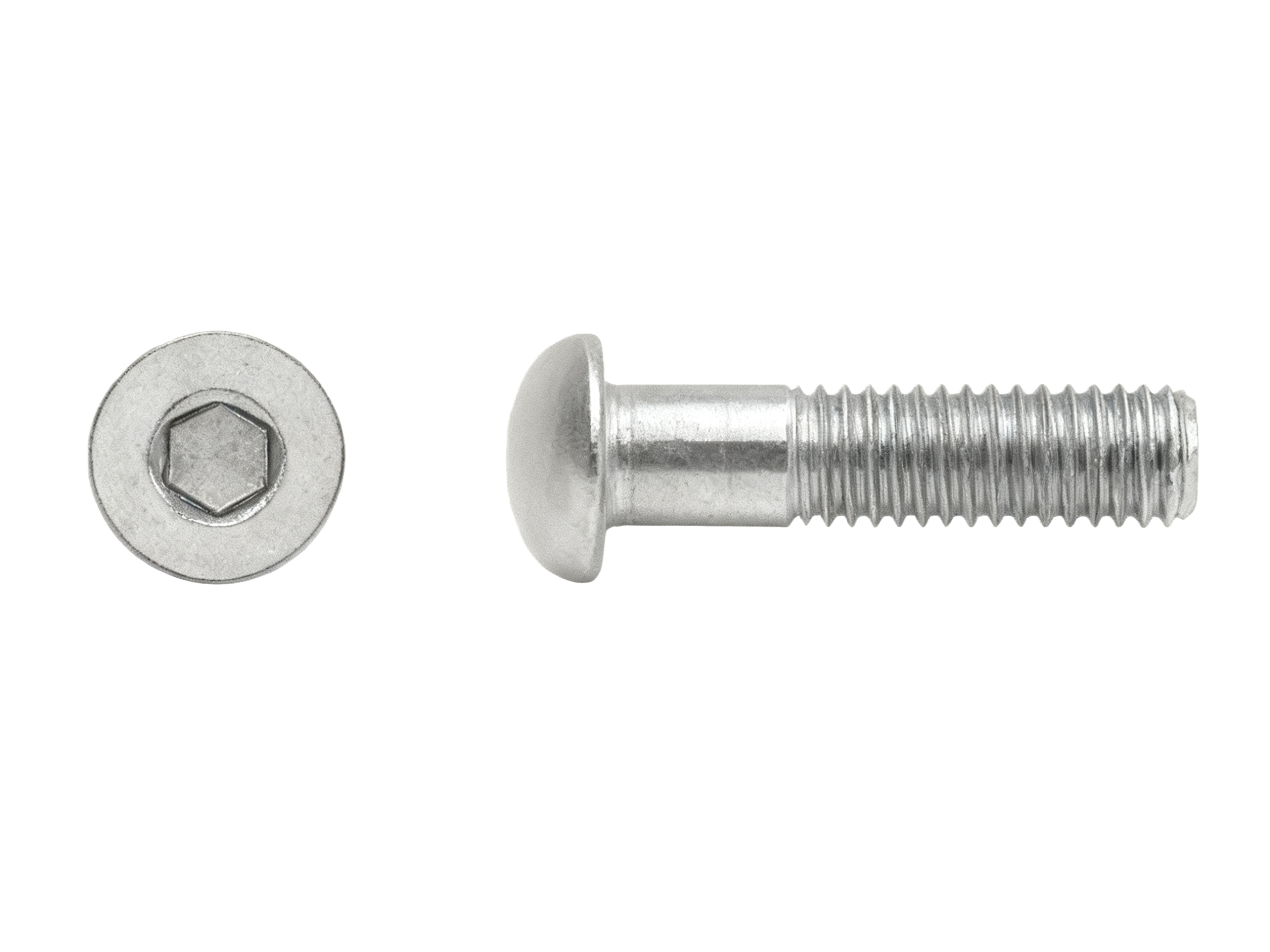
Exterior Panels: Concealed clips or hex socket screws for enhanced aesthetic performance.
3. Industry Development Trends
Modularization & Standardization: Standardized connection interfaces streamline supply chain management and rapid assembly.
Simulation-Driven Design: CAE simulation optimizes fastening point layout by analyzing structural stress, deformation and EMC performance.
Advanced Materials & Processes: High-performance plastic clips and micro-deformation clinching technologies further improve stability and consistency.
Automated Assembly Adaptation: Fastening solutions are increasingly optimized for robotic automatic tightening and automatic feeding systems.
Conclusion
Cabinet sheet metal fastening is a comprehensive structural engineering discipline. No single solution fits all scenarios. Optimal design relies on in-depth demand analysis and proficient mastery of various connection technologies. As a professional fastener supplier serving communications, power and industrial control industries, Yongjing Precision provides a full range of high-quality products including self-tapping screws, clinch fasteners and customized clips. We deliver one-stop solutions covering connection design consultation, scheme selection, prototype verification and mass production, helping customers manufacture structurally stable, high-performance, efficiently assembled and aesthetically refined cabinet products and enhance market competitiveness.



















 Login
Login








 Contact
 WeChat
 粤ICP备2025493240号-1