Standardized Fastener Benefits:Simplifying for Smarter Suppl? This is a common technical question in fastener design and application. Understanding the relevant principles is essential for improving joint reliability and reducing failure risks.
Technically, this issue involves material selection, manufacturing processes, heat treatment, and surface treatment. The optimal solution varies under different conditions. For example, high-strength bolts require strict control of quenching and tempering parameters per ISO 898-1.
In practice: select appropriate strength grade based on load; understand friction coefficient effects on preload; choose appropriate locking methods (spring washers, thread locker, cotter pins); and periodically inspect torque on critical joints.
Toprecision's engineering team has extensive experience in cold forming, aluminum alloy fasteners, and micro screws. We provide comprehensive technical support from selection to application. Contact us with your specific questions.
I. The Core Essence of Standardized Selection
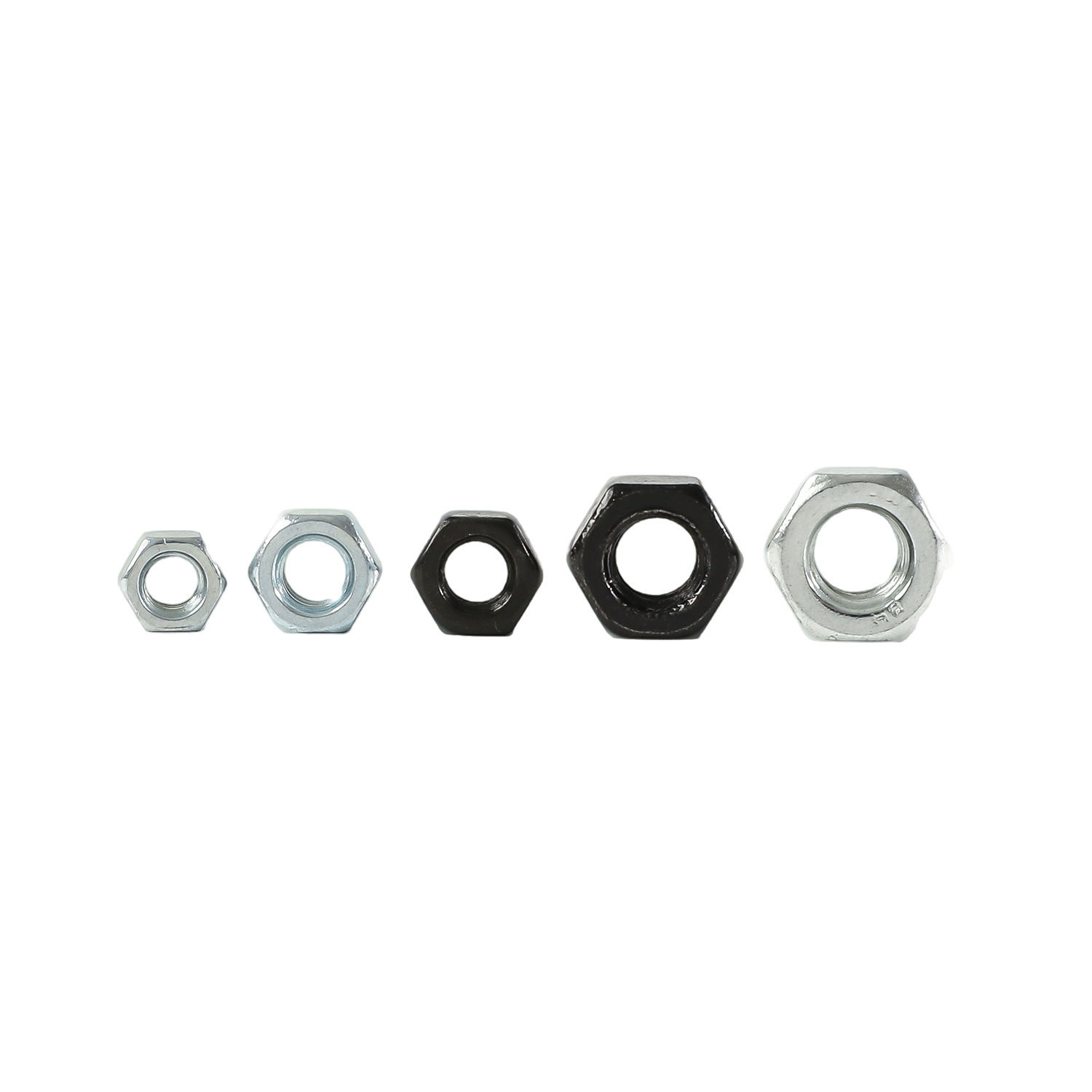
Standardized fastener selection refers to maximizing the reduction of fastener types, specifications, materials, and suppliers while meeting functional, performance, and safety requirements during the product design phase, by formulating and adhering to an "Enterprise Fastener Selection Standard." Its core lies in establishing an internal corporate "Preferred Parts Library."
II. Multiple Tangible and Intangible Benefits Brought by Standardization
-
Significantly Reduce Procurement and Holding Costs:
-
Volume Advantages: Concentrating specifications leads to increased purchase volumes per category, thereby securing better pricing and stronger negotiation leverage.
-
Reduced Management Overhead: Fewer suppliers mean lower management costs associated with sourcing, qualification audits, order processing, reconciliation, and payments.
-
Lower Inventory Costs: Reducing the variety of inventory reserves decreases the total amount of safety stock required. Capital occupation, warehouse space, and management difficulty are all reduced simultaneously. According to industry experience, a 30% reduction in part varieties can lower inventory costs by 15%-25%.
-
Enhance Quality Consistency and Supply Chain Reliability:
-
Quality Stability: Focusing on a few high-quality suppliers (such as Yongjing Precision) facilitates deep quality control and process auditing, ensuring consistency between batches.
-
Controllable Risk: A simpler and more transparent supply chain allows for more proactive management of dependency on individual suppliers, enhancing risk resistance.
-
Efficient Traceability: When quality issues occur, the scope of impact is clear, making traceability and corrective actions faster to implement.
-
Greatly Improve R&D and Manufacturing Efficiency:
-
Accelerated Design: Engineers no longer need to repeatedly choose from a vast sea of standard and non-standard parts; they can directly retrieve items from the preferred library, shortening the design cycle and reducing design errors.
-
Simplified Drawings & BOMs: Drawing annotations and Bills of Materials (BOM) become clearer, making them easier to understand and manage.
-
Simplified Assembly: The production line only needs to prepare fewer tools and materials, reducing the probability of operators picking the wrong parts and improving assembly efficiency and quality.
-
Convenient Maintenance: Fewer types of after-sales spare parts reduce stocking pressure and enable faster on-site repairs.
-
Promote Knowledge Accumulation and Synergy:
The "Selection Standard" is the crystallization of an enterprise's technical experience and serves as a guide for new employees to get up to speed quickly, facilitating the inheritance and reuse of design knowledge. It strengthens the common language among design, procurement, manufacturing, and after-sales departments, promoting cross-departmental collaboration.
III. Steps and Challenges in Implementing Standardized Selection
-
Establish a Cross-Functional Team: Form a standardization committee comprising design, procurement, process engineering, and quality departments.
-
Status Quo Analysis and Cleanup: Take stock of all fasteners used in existing products, analyzing their frequency of use, volume, and functions.
-
Formulate Preferred Standards:
-
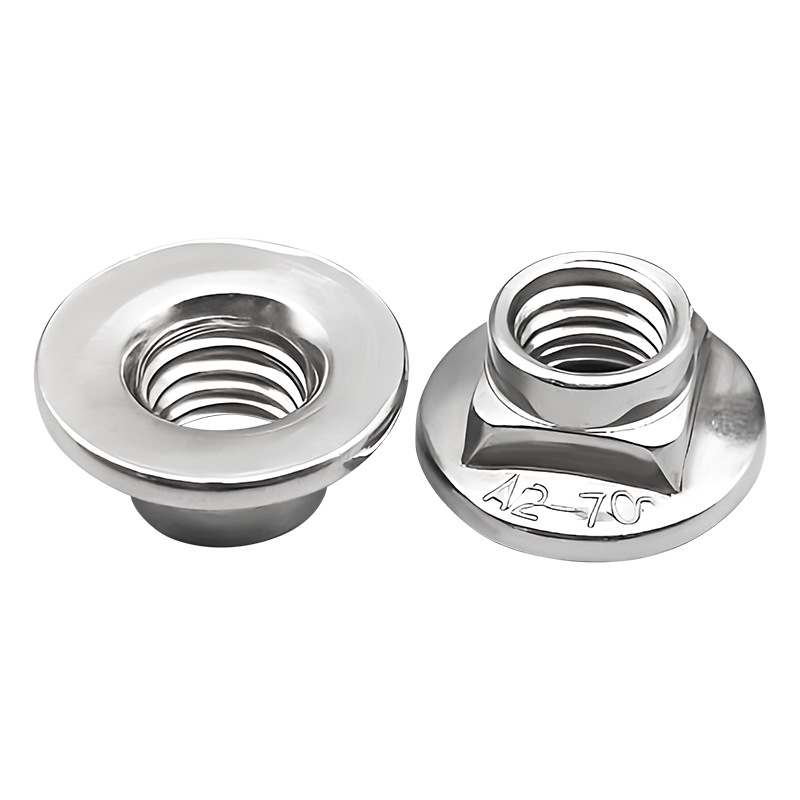
Performance Grade Serialization: For example, determine that grades 4.8, 8.8, and A2-70 will be the core grades.
-
Material & Coating Serialization: For example, establish carbon steel zinc plating and natural stainless steel as mainstream options.
-
Specification Serialization: Select commonly used specification ranges from national/international standard sequences to reduce marginal specifications.
-
Supplier Consolidation: Select 1-2 core suppliers for each category of fasteners.
-
Establish and Maintain the Preferred Library: Solidify standards into PLM/ERP systems and design handbooks.
-
Implementation and Assessment: Enforce mandatory application for new projects and set the standardization rate as one of the key performance indicators (KPIs) for the design department.
The primary challenges lie in changing engineers' design habits and dealing with legacy non-standard part inventories from historical projects. This requires strong promotion from management, supported by a clear transition plan.


 135-6073-0094