Specialized Fasteners for Timber Structures? This is a common technical question in fastener design and application. Understanding the relevant principles is essential for improving joint reliability and reducing failure risks.
Technically, this issue involves material selection, manufacturing processes, heat treatment, and surface treatment. The optimal solution varies under different conditions. For example, high-strength bolts require strict control of quenching and tempering parameters per ISO 898-1.
In practice: select appropriate strength grade based on load; understand friction coefficient effects on preload; choose appropriate locking methods (spring washers, thread locker, cotter pins); and periodically inspect torque on critical joints.
Toprecision's engineering team has extensive experience in cold forming, aluminum alloy fasteners, and micro screws. We provide comprehensive technical support from selection to application. Contact us with your specific questions.
I. New Requirements for Connections in Modern Timber Structures
Modern engineered wood products, such as Glulam (Glued Laminated Timber), CLT (Cross-Laminated Timber), and LVL (Laminated Veneer Lumber), feature dimensional stability, high strength, and prefabrication capabilities. Their connections must meet the following requirements:
-
High Load-Bearing Capacity: To transfer greater tension, compression, shear forces, and bending moments.
-
High Stiffness and Deformation Control: To ensure overall structural stiffness and serviceability comfort.
-
Durability and Fire Resistance: Connection nodes must account for anti-corrosion, moisture resistance, and necessary fire protection measures.
-
Aesthetics and Construction Convenience: Suitable for factory prefabrication and rapid on-site assembly.
II. Types of Major Specialized Fasteners and Their Mechanical Principles
1. Dowels, Bolts, and Screws
-
Principle: Loads are transferred through the mechanical interlocking (withdrawal resistance/grip) between the threads and wood fibers. These are the most widely used connectors for tension and shear resistance.
-
Specialized Types:
-
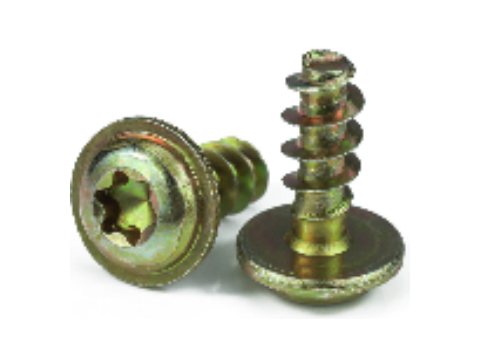
Fully Threaded Screws (Self-Tapping Screws): Ranging from a few millimeters to over a meter in length. They often feature specialized threads (e.g., square threads) to enhance grip, with self-drilling tips. Used for CLT panel-to-panel connections and additional reinforcement.
-
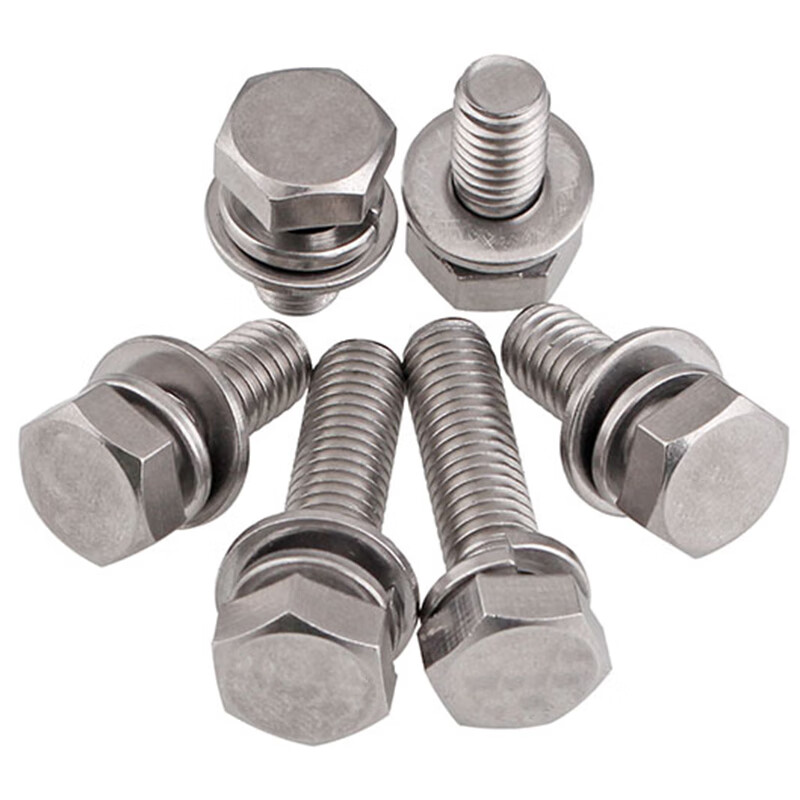
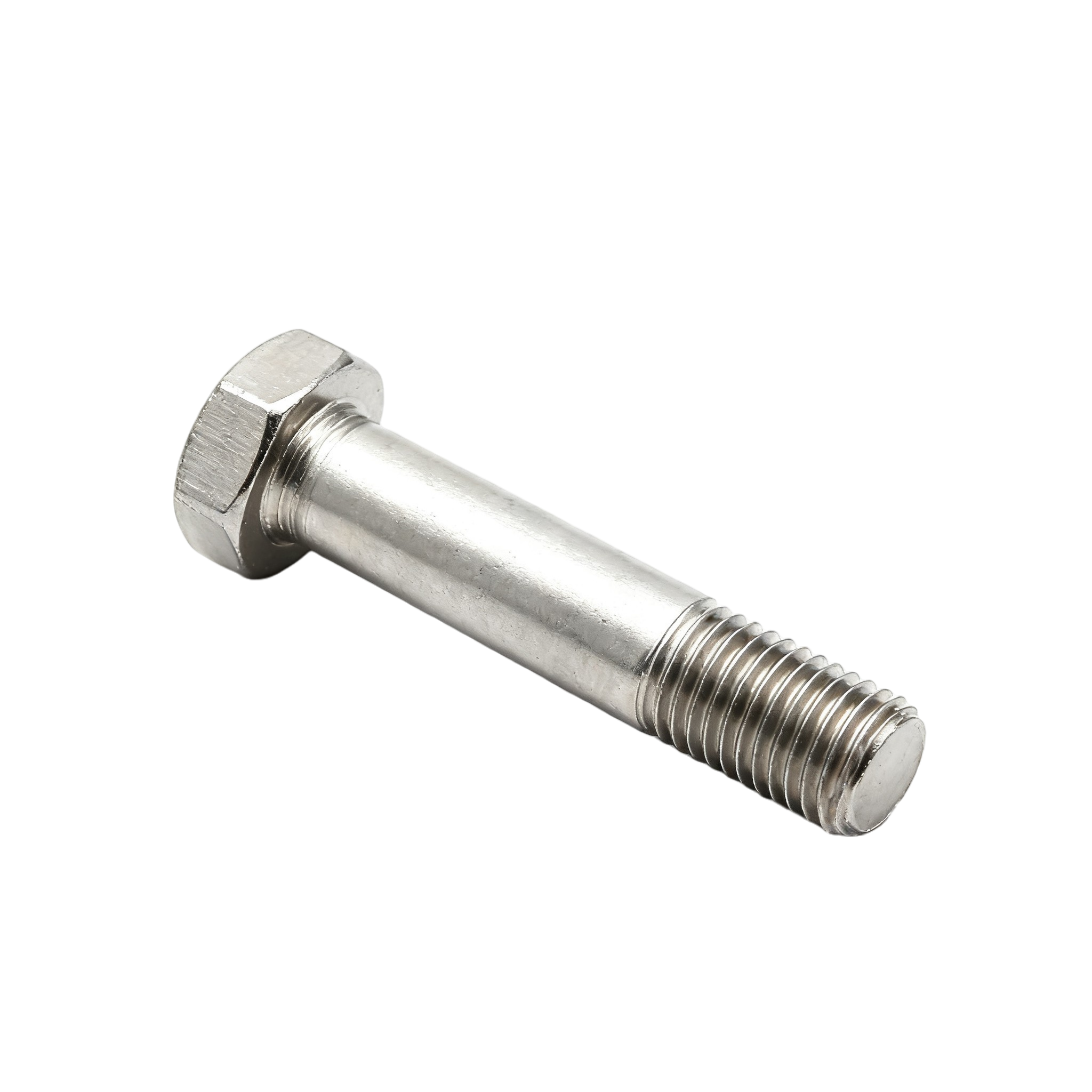
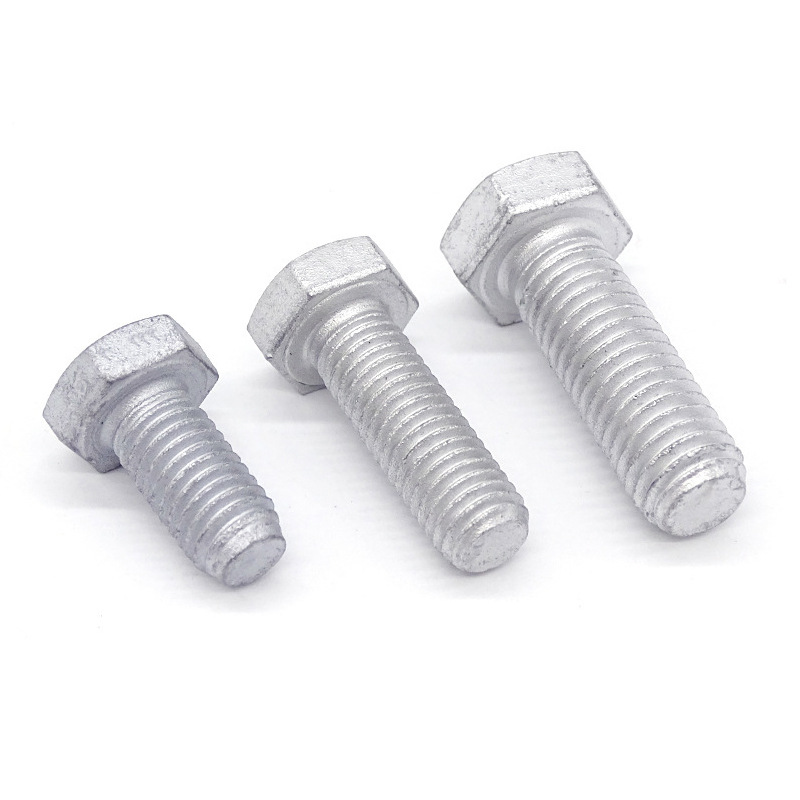
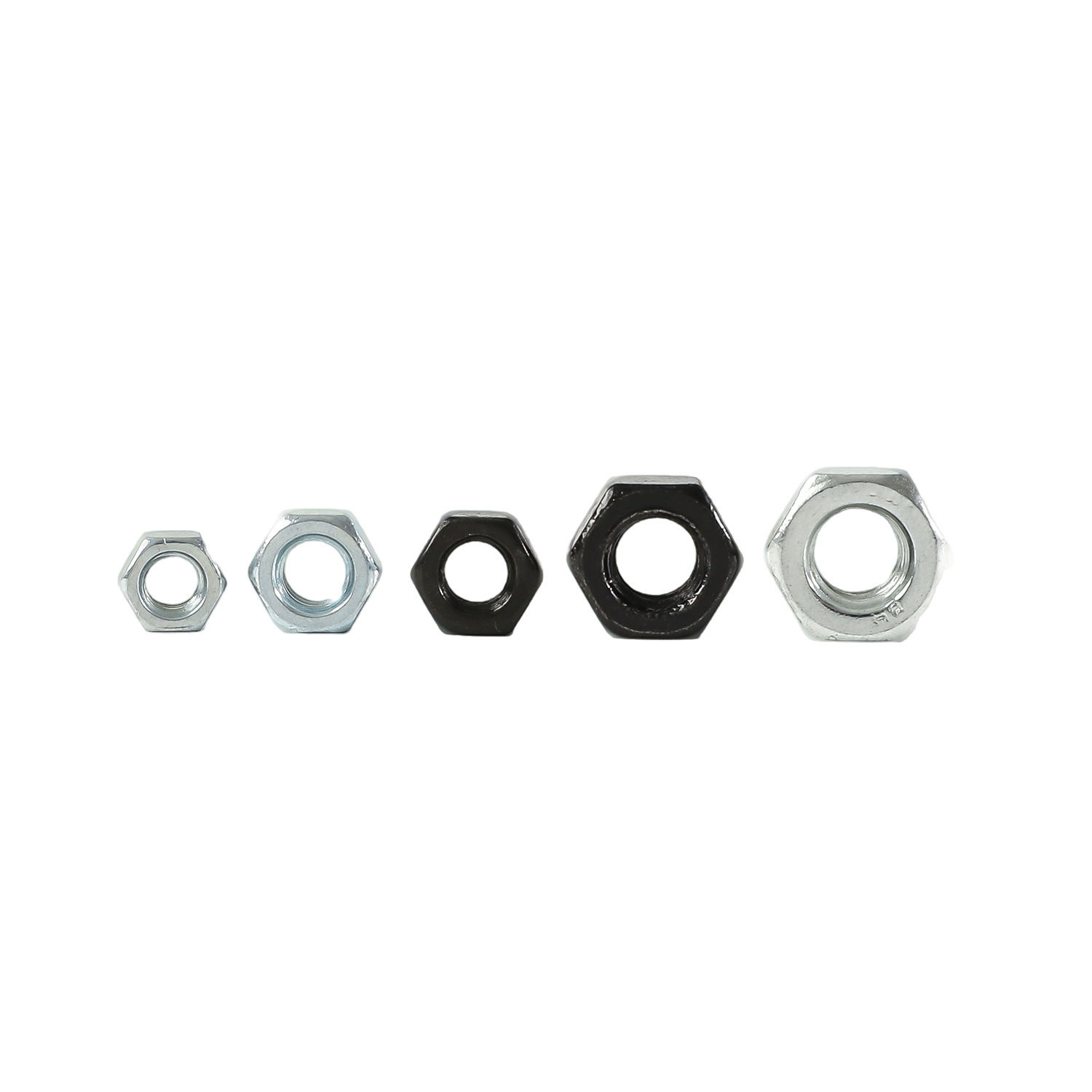
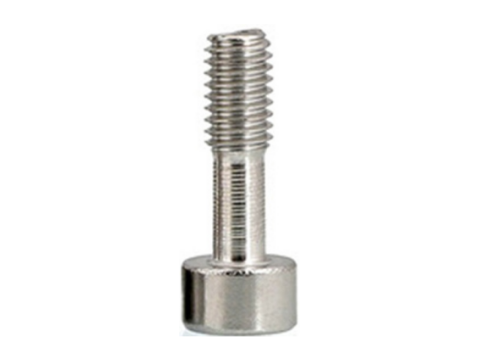
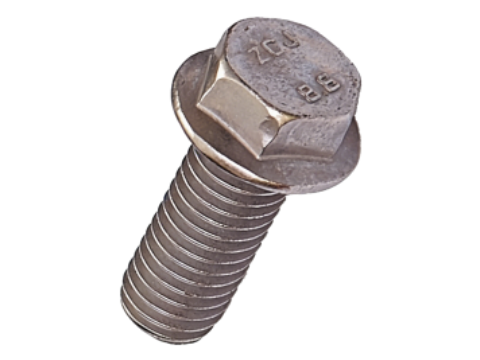
Dowel-type Bolts (Glulam Bolts): Typically made of high-strength alloy steel with continuous deep threads along the shank, used with washers and nuts. Ideal for heavy-duty tension and shear connections in glulam beams and columns.
-
Key Point: Minimum edge distance, end distance, and spacing must be determined based on wood density and thickness, and the effective anchorage length must be calculated.
2. Shear Connectors and Plates
-
Principle: Steel pins or plates are partially or fully embedded into pre-cut slots in the timber, primarily relying on the bearing capacity of the wood to transfer shear forces. Commonly used in the tension and compression zones of bending-resistant joints.
-
Specialized Types:
-
Split Rings / Shear Plates: Circular toothed steel rings placed in pre-drilled holes with a bolt passing through the center. The ring embeds into the wood, providing excellent withdrawal and shear resistance.
-
Embedded Steel Plate Connectors: Toothed or perforated steel plates embedded into slots in timber members and secured with bolts or screws, achieving concealed and efficient force transfer.
3. Metal Connector Plates and Truss Connectors
-
Principle: Utilizing punched tooth plates or the group effect of numerous small-diameter nails to distribute forces into the timber. Primarily used for light-frame timber truss nodes and prefabricated wall panel connections.
-
Specialized Types: Truss Plates, angle brackets, hold-down anchors, etc. Mostly made from galvanized steel sheets formed by stamping.
4. Tie Rods and Cable Systems
-
Principle: In structures like bowstring trusses and spatial timber grids, high-strength steel tie rods and stainless steel cables are used with specialized end anchors to connect with timber members, enabling large spans.
III. Material, Anti-Corrosion, and Fire Protection Considerations
-
Materials: Fasteners are typically made from high-strength carbon steel, alloy steel, or stainless steel. Stainless steel (grades 304, 316) is used in outdoor, humid environments, or with chemically treated wood due to its superior corrosion resistance, though at a higher cost.
-
Anti-Corrosion Treatment: Carbon steel fasteners must undergo effective anti-corrosion treatments, such as hot-dip galvanizing, Dacromet, or mechanical galvanizing. For highly corrosive environments, composite bolts with "stainless steel bodies + carbon steel threads" can be used.
-
Fire Protection: In structures with high fire-resistance requirements, connection nodes may need to be wrapped in fireproof boards, or special fasteners that maintain strength for a certain period at high temperatures should be used. Additional loads caused by bolt exposure after wood charring must also be considered.
IV. Design, Installation, and Future Trends
Modern timber structure connection design is largely based on standards like Eurocode 5 or the North American National Design Specification (NDS), employing probability-based limit state design methods. Shenzhen Yongjing Precision Technology Co., Ltd. believes that precise hole machining and standardized installation torque (for bolts) or installation depth and speed (for screws) are key to ensuring node performance. Future trends include: developing higher-strength bamboo-wood composite specialized fasteners; smart connectors deeply integrated with BIM technology; and rapid disassembly/assembly connection systems suitable for modular prefabricated timber structures.
Conclusion
Specialized fasteners are the technical cornerstone enabling modern timber structures to achieve their mechanical performance, aesthetic expression, and engineering reliability. From concealed fully threaded screws to exposed dowel bolt systems, every connection solution embodies precise mechanical calculations and craftsmanship considerations. For architects, engineers, and contractors, understanding and correctly selecting these specialized fasteners is a core step in ensuring that timber buildings are safe, durable, and cost-effective. Shenzhen Yongjing Precision Technology Co., Ltd. is committed to working with industry colleagues to provide solid and reliable connection technology support for the flourishing development of modern green timber structures.


 135-6073-0094