Navigating Global Fastener Standard Systems? This is a common technical question in fastener design and application. Understanding the relevant principles is essential for improving joint reliability and reducing failure risks.
Technically, this issue involves material selection, manufacturing processes, heat treatment, and surface treatment. The optimal solution varies under different conditions. For example, high-strength bolts require strict control of quenching and tempering parameters per ISO 898-1.
In practice: select appropriate strength grade based on load; understand friction coefficient effects on preload; choose appropriate locking methods (spring washers, thread locker, cotter pins); and periodically inspect torque on critical joints.
Toprecision's engineering team has extensive experience in cold forming, aluminum alloy fasteners, and micro screws. We provide comprehensive technical support from selection to application. Contact us with your specific questions.
1. International Standard System (ISO)
Standards developed by the International Organization for Standardization (ISO) enjoy the broadest recognition worldwide, aiming to promote international trade and technical exchange.
-
Core Standard Series:
-
ISO 898: The mechanical property standard for carbon steel and alloy steel fasteners, divided into Part 1 (bolts, screws, and studs) and Part 2 (nuts). It specifies property classes (e.g., 8.8, 10.9) and their corresponding mechanical performance indicators.
-
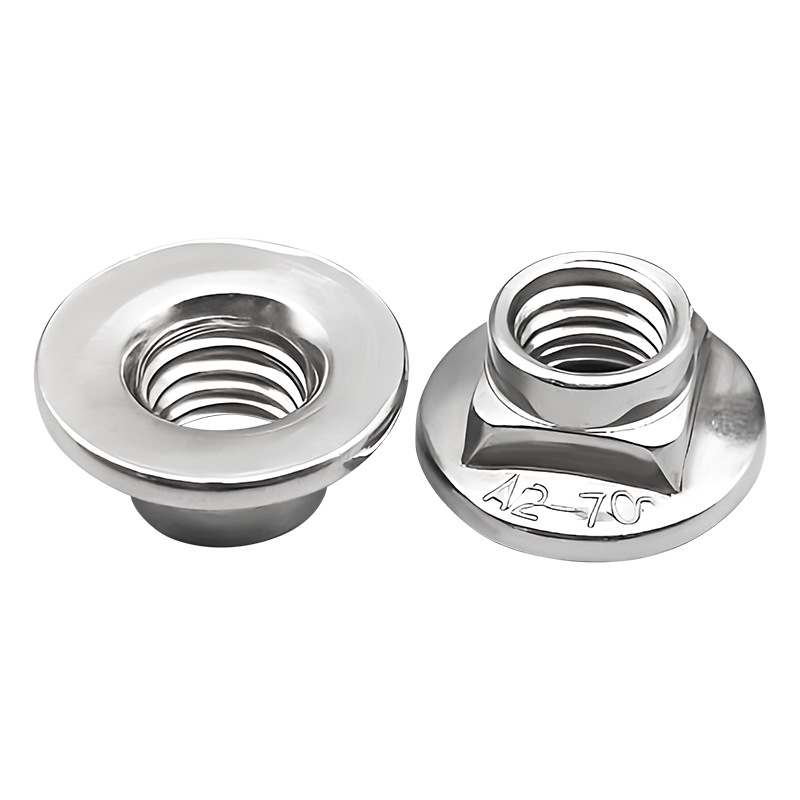
ISO 3506: The mechanical property standard for corrosion-resistant stainless steel fasteners, also divided into parts, specifying property classes (e.g., A2-70, A4-80).
-
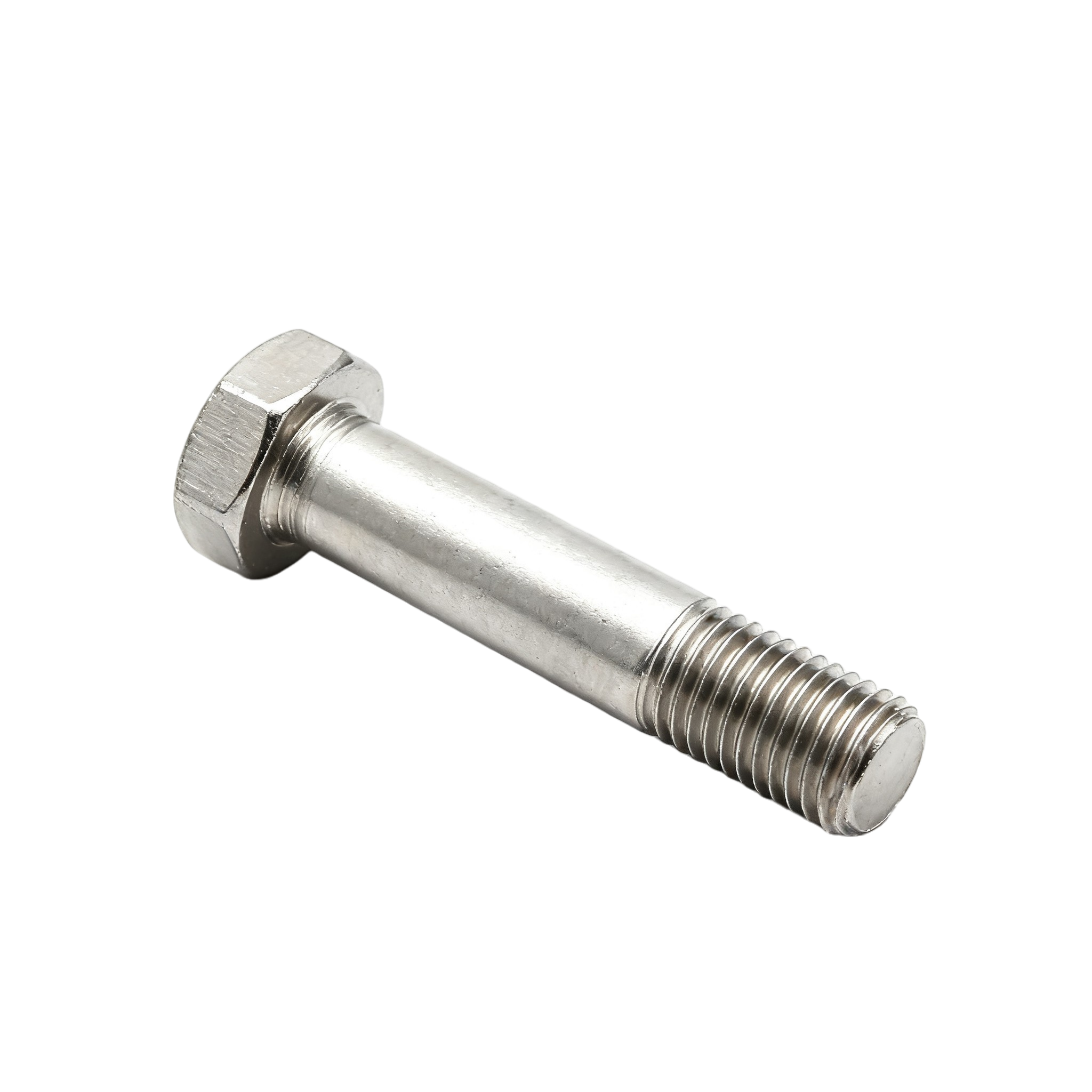
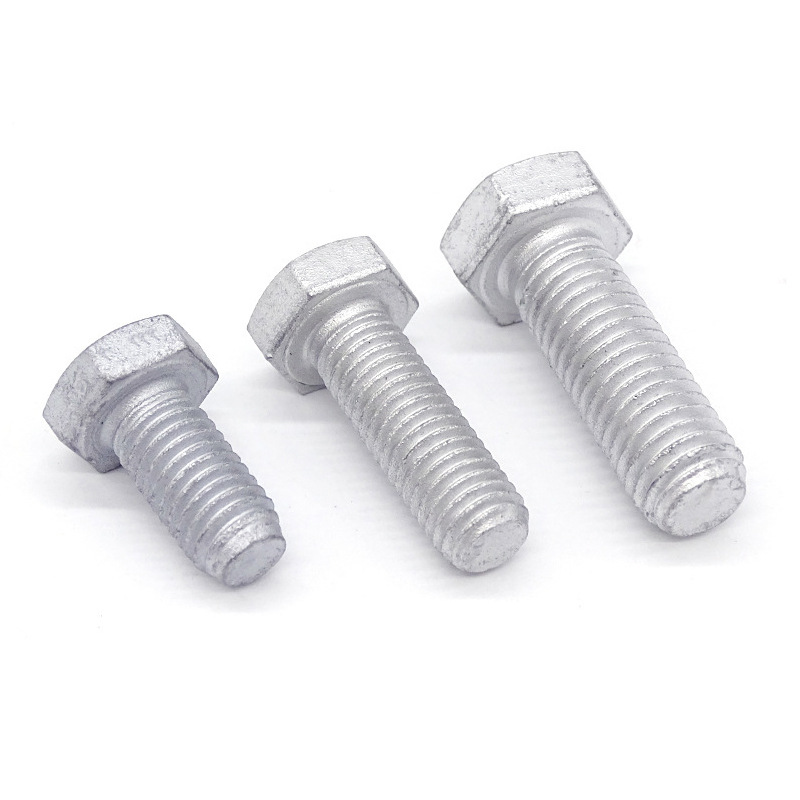
ISO 4014 / 4017, 4762, etc.: Specific product dimension standards, such as hexagon head bolts and hexagon socket head cap screws.
-
ISO 965: The general metric screw thread tolerance standard, which serves as the foundation for thread manufacturing and mating.
-
Characteristics: Highly harmonized and universally applicable. Many national standards are adopted equivalently or modified from ISO standards.
2. Chinese National Standard System (GB)
Chinese National Standards (GB) are the primary basis for domestic design, manufacturing, and acceptance, and have been largely aligned with ISO standards in recent years.
-
Core Standard Series:
-
GB/T 3098.1 & .2: Mechanical property standards for fasteners, equivalent to ISO 898.
-
GB/T 3098.6 & .15: Mechanical properties of stainless steel fasteners, equivalent to ISO 3506.
-
GB/T 5782, GB/T 70.1, etc.: Specific product dimension standards, mostly consistent with ISO standards.
-
Industry Standards: Such as QC/T for the automotive industry and HB for the aerospace industry, which impose more specific and stringent requirements.
-
Characteristics: A complete system that actively aligns with international standards while retaining some traditional models (e.g., the old GB30 national standard). "GB" denotes mandatory standards, while "GB/T" denotes recommended standards.
3. German Standard System (DIN)
DIN standards are renowned for their rigor and precision, exerting profound influence across Europe and in the global high-end equipment sector.
-
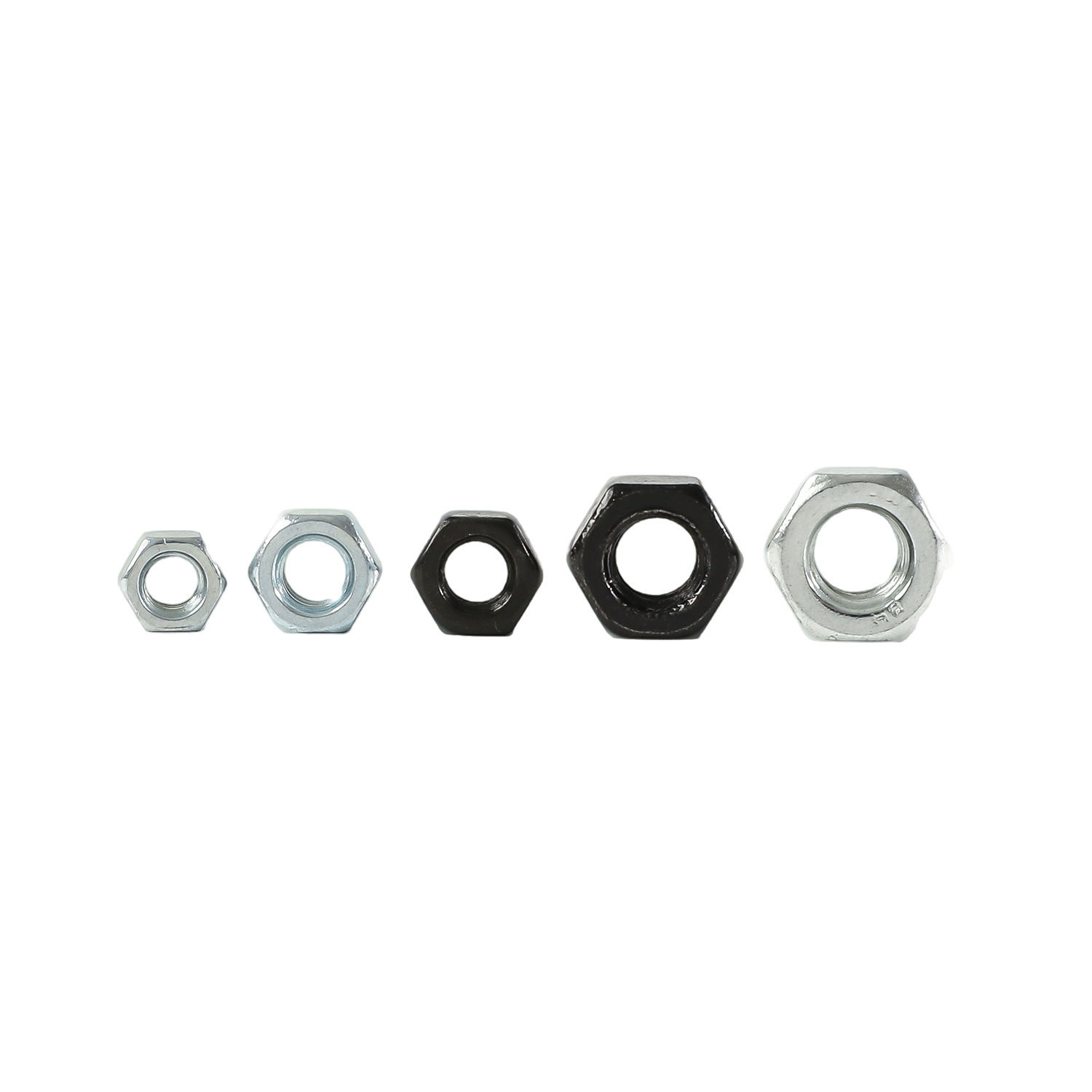
Core Standards: Examples include DIN 931/933 (hexagon head bolts), DIN 934 (hexagon nuts), and DIN 912 (hexagon socket head cap screws). Its older strength marking system (e.g., 8G, 10K) corresponds to ISO property classes. Currently, most new DIN standards are unified with ISO.
-
Characteristics: A long-standing industrial standard system from which many classic designs originated. Requirements for tolerances and materials are often exceptionally strict.
4. American Standard System (ANSI/ASME & SAE)
The American standard system is relatively independent and complex, primarily approved by ANSI (American National Standards Institute), with specific standards developed by ASME (American Society of Mechanical Engineers) and SAE (Society of Automotive Engineers).
-
Core Standards:
-
ASME/ANSI B18 Series: Covers dimension standards for nearly all general-purpose fasteners.
-
SAE J429 & ASTM: Specify mechanical properties. SAE J429 defines grades for imperial bolts (e.g., Grade 5, Grade 8). ASTM standards outline broader material and performance requirements (e.g., ASTM A193/A194 for high-temperature and high-pressure applications).
-
Unified Thread Standard (UN/UNF/UNC): The primary American thread system, which differs from the ISO metric thread system.
-
Characteristics: Primarily uses imperial units, features a unique thread system, and employs property class markings different from ISO/GB. Special attention must be paid to conversions and equivalents.
5. Japanese Industrial Standards (JIS)
JIS standards hold significant influence in the Asian region. Some standards align with ISO, while others retain their own characteristics.
-
Core Standards: Examples include JIS B1180 (hexagon head bolts) and JIS B1051 (mechanical properties). Strength markings use the "S" series (e.g., S45C) or property classes (e.g., 4T, 7T, which have approximate correspondences to ISO).
-
Characteristics: Combines internationalization with its own traditions and is widely used in the automotive and electronics industries.
6. Standard Selection and Practical Recommendations
Shenzhen Yongjing Precision Technology Co., Ltd. has summarized the following key points through practical experience:
-
Project-Driven: Prioritize the standard system specified by the end customer or project contract.
-
Interchangeability First: For maintenance or replacement, the original standard must be strictly followed to ensure dimensional and performance matching.
-
Understand Equivalents and Differences: Although many standards are considered "equivalent," subtle differences may exist in tolerances, testing methods, and material ranges. Critical applications require careful verification.
-
"Property Class" is the Key Translator: When selecting across different standard systems, use the mechanical property class as the primary benchmark, then find the corresponding dimension standard. For example, ISO 8.8 ≈ GB/T 8.8 ≈ SAE Grade 5 (approximate) ≈ JIS 7T.
-
Consult Professional Suppliers: In complex or mixed-standard projects, communicate early with fastener suppliers who possess multi-standard production capabilities and expertise (such as Shenzhen Yongjing Precision Technology Co., Ltd.) to avoid selection errors.
Conclusion: Proficiency in domestic and international fastener standard systems is a testament to a company's technical capability and global competitiveness. It goes beyond mere language translation; it represents a profound understanding of technical specifications, quality culture, and application scenarios. Choosing a fastener partner capable of flexibly adapting to multi-standard requirements and providing professional consultation will clear obstacles for the smooth implementation of your global projects.


 135-6073-0094