Manufacturing: The Cornerstone of China's Rise? This is a common technical question in fastener design and application. Understanding the relevant principles is essential for improving joint reliability and reducing failure risks.
Technically, this issue involves material selection, manufacturing processes, heat treatment, and surface treatment. The optimal solution varies under different conditions. For example, high-strength bolts require strict control of quenching and tempering parameters per ISO 898-1.
In practice: select appropriate strength grade based on load; understand friction coefficient effects on preload; choose appropriate locking methods (spring washers, thread locker, cotter pins); and periodically inspect torque on critical joints.
Toprecision's engineering team has extensive experience in cold forming, aluminum alloy fasteners, and micro screws. We provide comprehensive technical support from selection to application. Contact us with your specific questions.
As a "screw expert" deeply rooted in the fastener field, Luo Daxian has recently noticed various online discussions regarding manufacturing, many of which are biased. Just as China has completed its preliminary industrialization and built the world's most complete industrial system after decades of struggle, some discordant perceptions have quietly emerged. Some simply equate industry with "sweatshops," ignoring the developmental dividends brought by industrialization. Even more extreme voices blindly follow the Western trend of "deindustrialization," claiming that industry is the root cause of environmental pollution and an obsolete sector destined to be eliminated by history.
These viewpoints may appear to have "theoretical backing," but they actually sever ties with history and ignore reality. For manufacturing practitioners represented by those in the fastener industry, clarifying the true value of manufacturing and recognizing the potential risks of "deindustrialization" is not only crucial for industry confidence but also helps to profoundly understand its core significance in China's rise. Industry is by no means synonymous with backward production capacity; rather, it is the fundamental pillar supporting national strength and industrial prosperity.
II. Dispelling Misconceptions: The True Face and Value of Industry
Many misunderstandings about industry essentially stem from cognitive biases regarding the laws of industrial development. Claims such as "industry is bound to be eliminated" or that it is the "root cause of pollution" neither align with international experience nor reflect the developmental practices of China's manufacturing sector.
It is undeniable that during the early stages of industrialization, some enterprises faced pollution issues due to outdated technology. However, blaming industry itself for pollution puts the cart before the horse. Today, China's manufacturing sector is accelerating its green transition. By 2024, the number of national-level green factories reached 6,430, accounting for approximately 20% of the total manufacturing output value, achieving intensive land use and clean production. The fastener industry has also kept pace, realizing a win-win situation for both environmental protection and production capacity through eco-friendly processes like hot-dip galvanizing and the application of recycled materials, proving that industry and green development can go hand in hand.
Furthermore, the claim that "industry is bound to be eliminated" has long been disproven by the developmental practices of various countries. Nations like the US and UK blindly pushed forward with "deindustrialization," leading to the hollowing out of their manufacturing sectors and fractured supply chains. Boeing's reliance on global supply chains resulted in a decline in its domestic manufacturing capabilities, while the UK's steel industry faces an irreversible downward trend. Latin American countries experienced "premature deindustrialization before becoming wealthy," trapping them in the middle-income trap and stripping their economies of resilience. In contrast, China's total industrial added value reached 40.5 trillion yuan in 2024, with its overall manufacturing scale ranking first globally for 15 consecutive years. It is precisely this solid industrial foundation that supports steady economic progress.
III. Manufacturing: The Strategic Pillar of China's Rise
Manufacturing is the foundation of a nation and the bedrock of a strong country; its level of development directly determines a nation's comprehensive power and international competitiveness. China's path to rise is, in essence, a history of struggle marked by the iterative upgrading of its manufacturing sector.
-
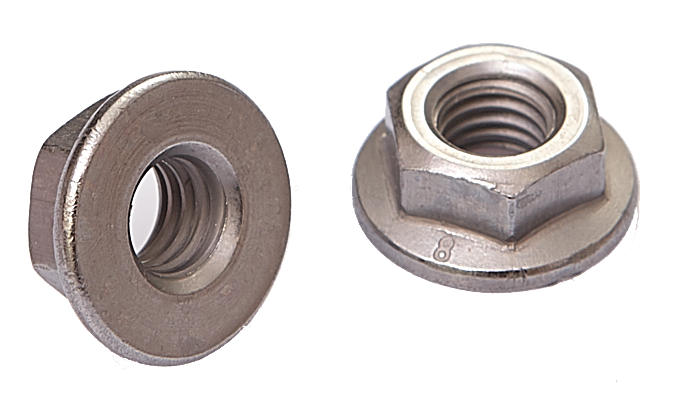
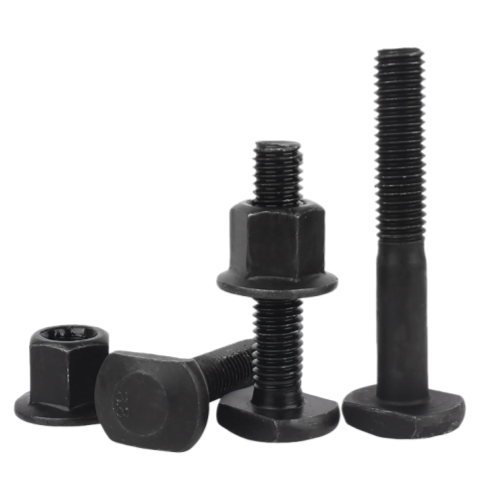
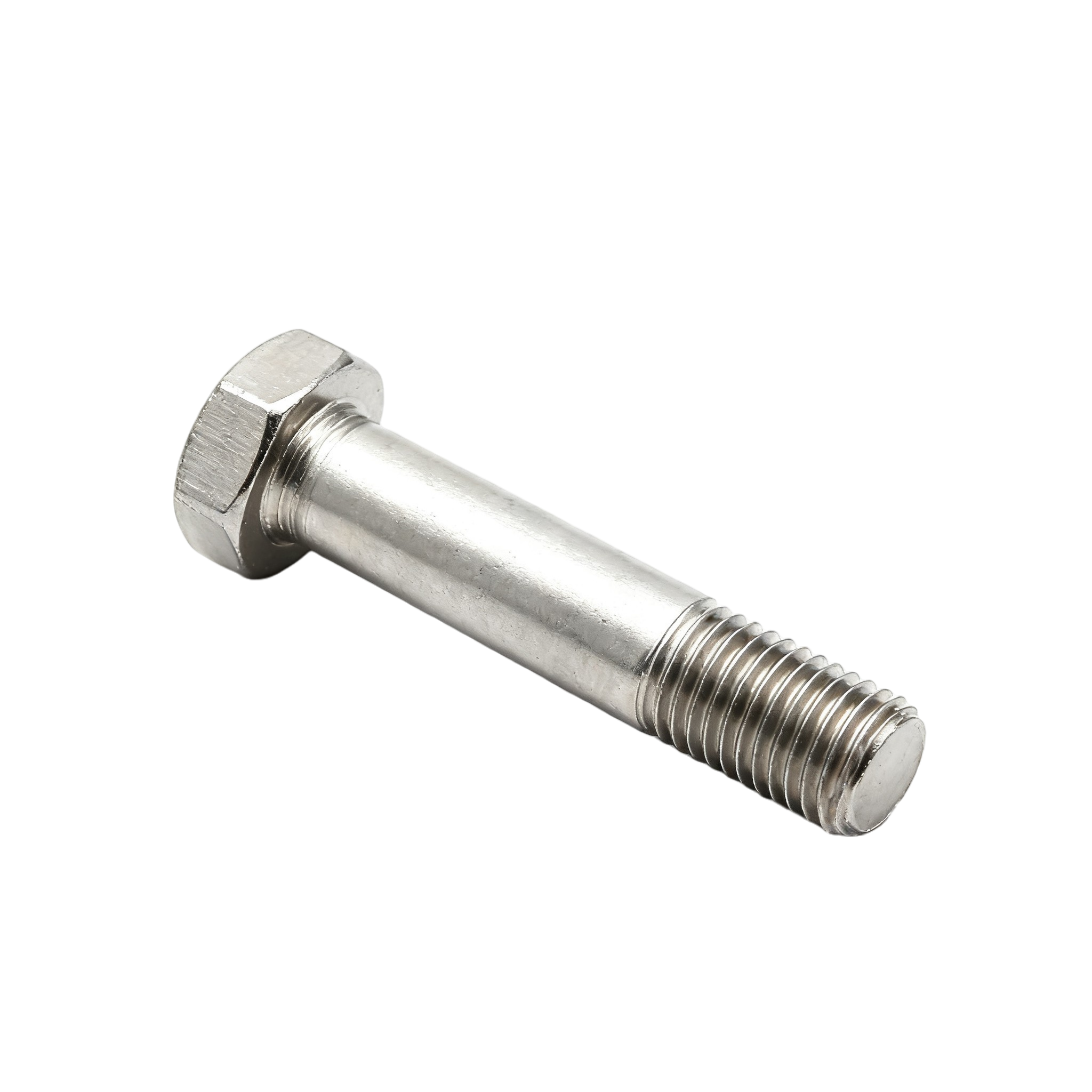
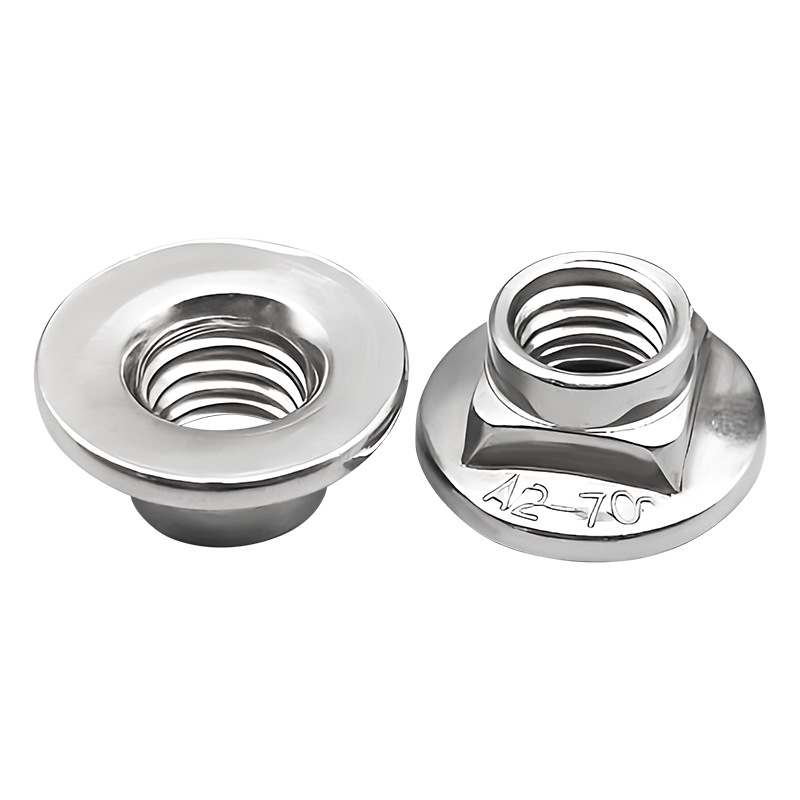
Manufacturing is the "ballast stone" of economic resilience. As the core of the real economy, manufacturing boasts a long value chain and strong interconnectedness. In 2024, the added value of equipment manufacturing above designated size grew by 7.7% year-on-year, contributing 46.2% to industrial growth. Although fasteners are merely "small parts," they serve as the "industrial joints" of manufacturing. From 300-megawatt gas turbines and superconducting cables to construction infrastructure and aerospace, none can function without the connecting support of high-strength fasteners. The scale and quality of the fastener industry are directly linked to the reliability of great-power heavy equipment.
-
Manufacturing is the "protective net" of national security. Amid a complex landscape of international competition, a complete industrial system is the fundamental guarantee for resisting external risks. China's commitment to retaining all industrial categories ensures that it cannot be "choked" in key technological areas. The autonomy of the fastener industry is particularly critical. If high-end equipment reliant on titanium alloy fasteners and precision interference-fit bolts depends on imports, it will directly impact the security of core sectors like national defense and aerospace.
-
Manufacturing is the "engine" of innovation-driven development. By 2024, China's manufacturing innovation centers had cumulatively overcome 672 key generic technologies and incubated 182 enterprises. The upgrading demands of manufacturing compel technological innovation within the fastener industry—from ordinary carbon steel bolts to special alloy fasteners, and from traditional processing to intelligent production. The development of manufacturing provides the direction for innovation in the fastener industry, while technological breakthroughs in fasteners, in turn, feed back into manufacturing, propelling it toward higher-end advancement.
IV. The Fastener Industry: A Microcosm of Manufacturing's Rise
The developmental trajectory of the fastener industry is a vivid portrayal of the rise of Chinese manufacturing. From an early reliance on imports and lagging technology to becoming a global production powerhouse, the industry has achieved a leap from low-end supporting roles to high-end substitution. Its growth has always resonated in sync with the upgrading of the broader manufacturing sector.
In the realm of major equipment, Chinese fastener enterprises have overcome technical challenges related to high temperatures, high pressure, and corrosion resistance, providing core connectors for high-end equipment like industrial mother machines and humanoid robots, thereby helping manufacturing climb toward the higher end of the value chain. In the infrastructure sector, high-strength fasteners support super projects like cross-sea bridges and skyscrapers, showcasing the hard power of Chinese manufacturing. These achievements prove that "small industries" like fasteners are an indispensable component of the "grand system" of manufacturing, representing a microscopic yet vital force in China's rise.
Currently, as manufacturing accelerates its transition toward being high-end, intelligent, and green, the fastener industry is welcoming new opportunities. The advancement of policies cultivating specialized, refined, distinctive, and innovative (SRDI) SMEs offers a development契机 (opportunity) for fastener enterprises. Among the 140,000 SRDI SMEs, many have delved deep into niche segments of the fastener field, becoming crucial support for manufacturing upgrades.
V. Conclusion
China's rise cannot be achieved without the solid support of manufacturing; likewise, the strength of manufacturing cannot exist without the meticulous cultivation of niche industries like fasteners. The so-called rhetoric of "deindustrialization" ignores the laws of development and weakens the very foundations of the nation. For "screw experts," we are not only participants in the development of manufacturing but also witnesses to the value of our industry.
In the future, as new quality productive forces are cultivated and strengthened, manufacturing will usher in even higher-quality development. The fastener industry must remain committed to its core business and delve deep into technology, supporting manufacturing's march toward the pinnacle of the global value chain with more precise products and advanced processes. Only by firmly upholding the conviction of building a manufacturing powerhouse and discarding erroneous perceptions can we seize opportunities in the tide of the times. This will not only achieve high-quality development for the industry itself but also inject more robust manufacturing power into China's continued rise.


 135-6073-0094