Analysis of Screw Surface Treatment and Anti-Corrosion Proce? This is a common technical question in fastener design and application. Understanding the relevant principles is essential for improving joint reliability and reducing failure risks.
Technically, this issue involves material selection, manufacturing processes, heat treatment, and surface treatment. The optimal solution varies under different conditions. For example, high-strength bolts require strict control of quenching and tempering parameters per ISO 898-1.
In practice: select appropriate strength grade based on load; understand friction coefficient effects on preload; choose appropriate locking methods (spring washers, thread locker, cotter pins); and periodically inspect torque on critical joints.
Toprecision's engineering team has extensive experience in cold forming, aluminum alloy fasteners, and micro screws. We provide comprehensive technical support from selection to application. Contact us with your specific questions.
Zinc Plating Process
Zinc plating is the most widely applied basic process in screw surface treatment, dominating the general-purpose screw market due to its low cost, simple operation, and balanced protective effect. Its core principle involves depositing a zinc layer on the screw surface through electrolysis or hot-dipping. Acting as an anode, the zinc layer corrodes preferentially, thereby protecting the internal substrate (mostly carbon steel and alloy steel) and achieving sacrificial anode protection. The process is mainly divided into electro-galvanizing and hot-dip galvanizing, catering to different scenario requirements.
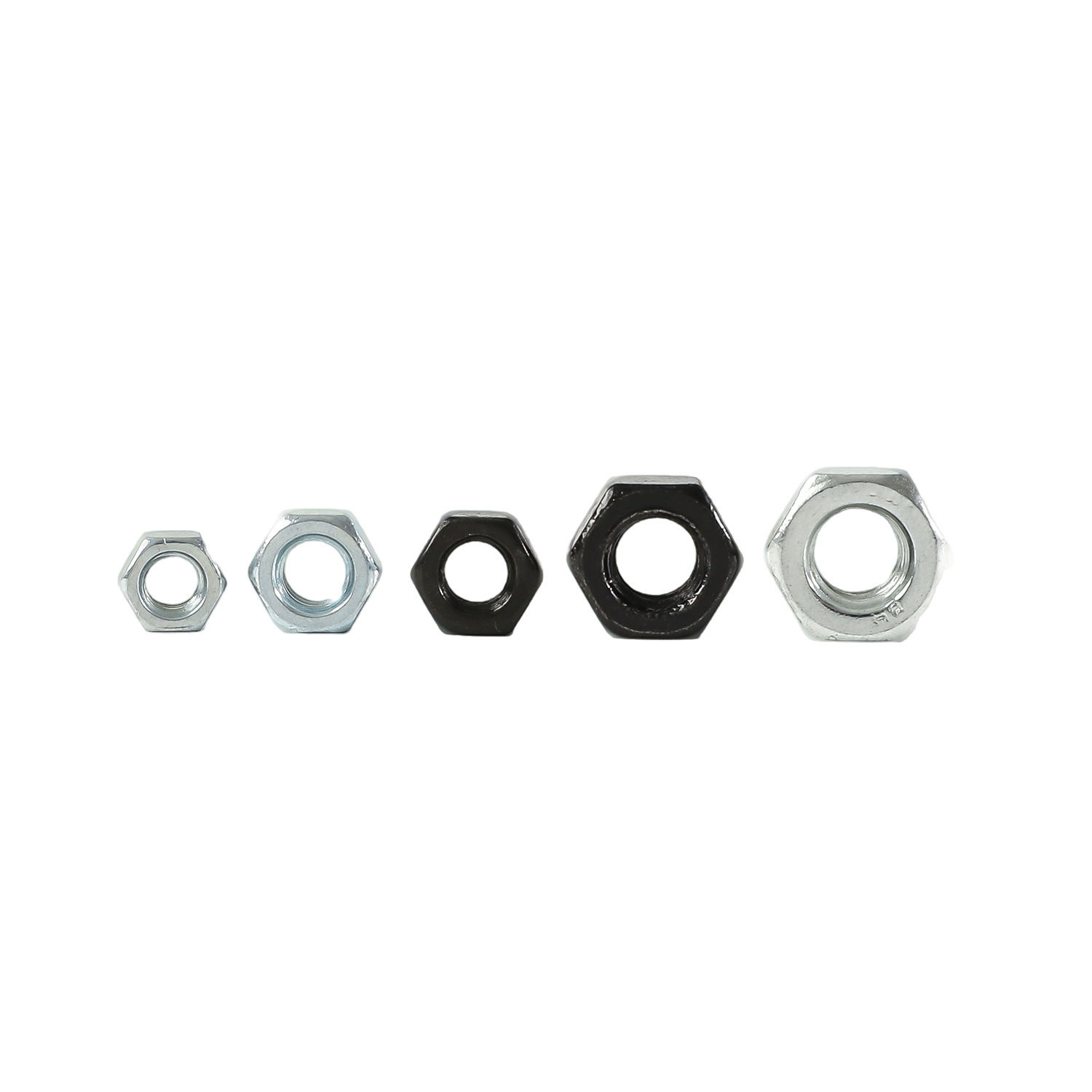
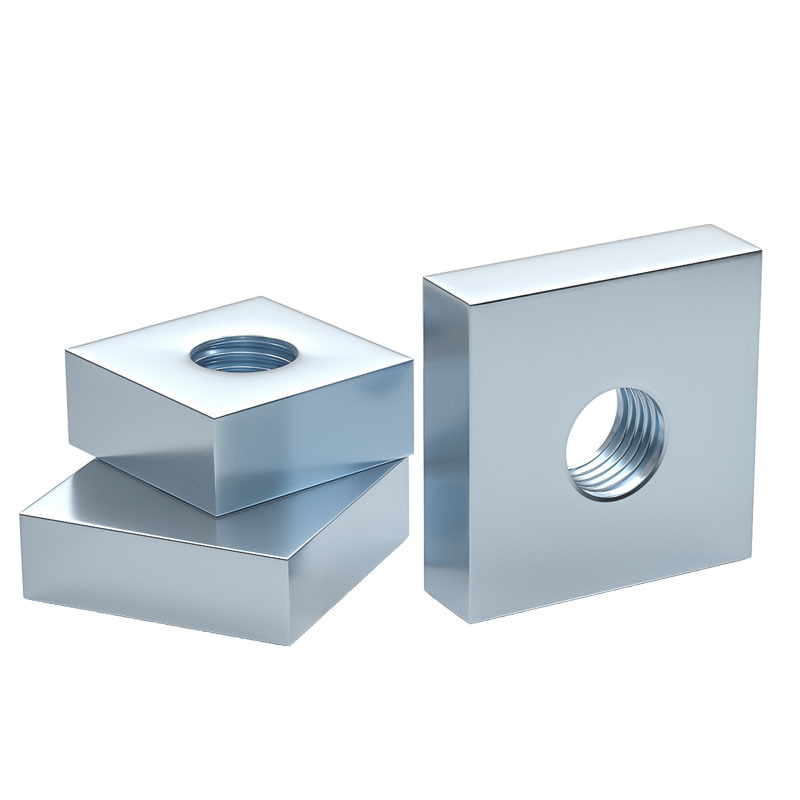
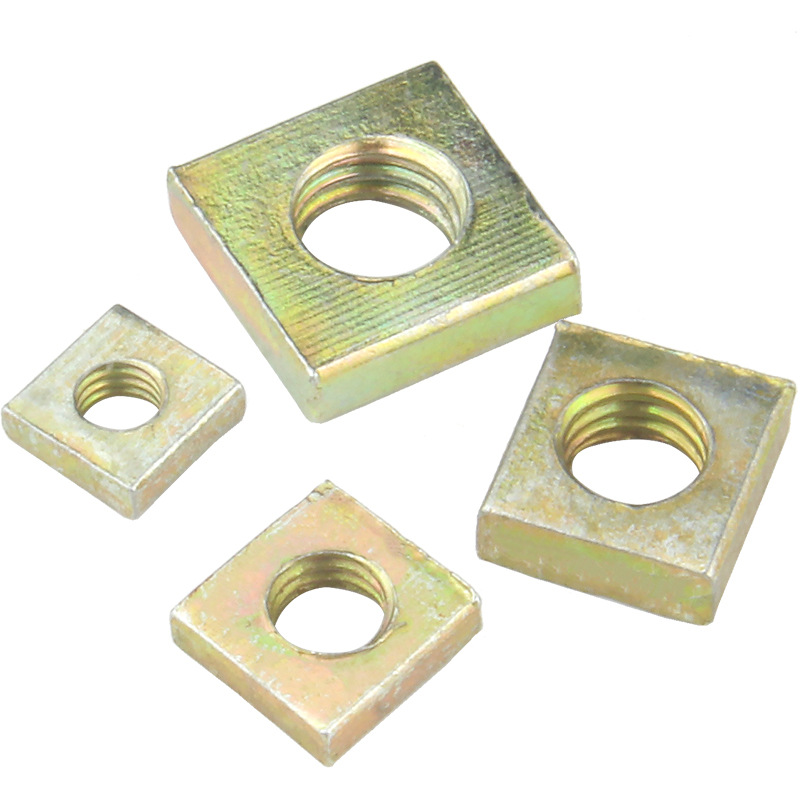
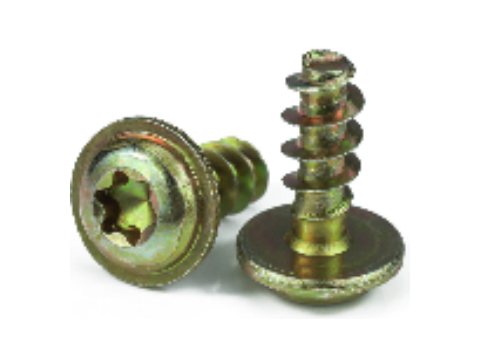
Electro-galvanizing offers a uniform coating with controllable thickness (typically 5-20μm) and a bright appearance, making it suitable for general applications requiring precision and aesthetics, such as screws for home appliances and electronic equipment. To enhance corrosion resistance, passivation treatment is required after electro-galvanizing to form a passivation film that seals the pores of the zinc layer. Common passivation types include colored, blue-white, and black passivation, with colored passivation offering the best corrosion resistance (salt spray testing can exceed 72 hours). However, the relatively thin electro-galvanized layer is prone to corrosion and peeling in strong acid or high salt spray environments, making it unsuitable for harsh conditions like outdoor or marine settings.
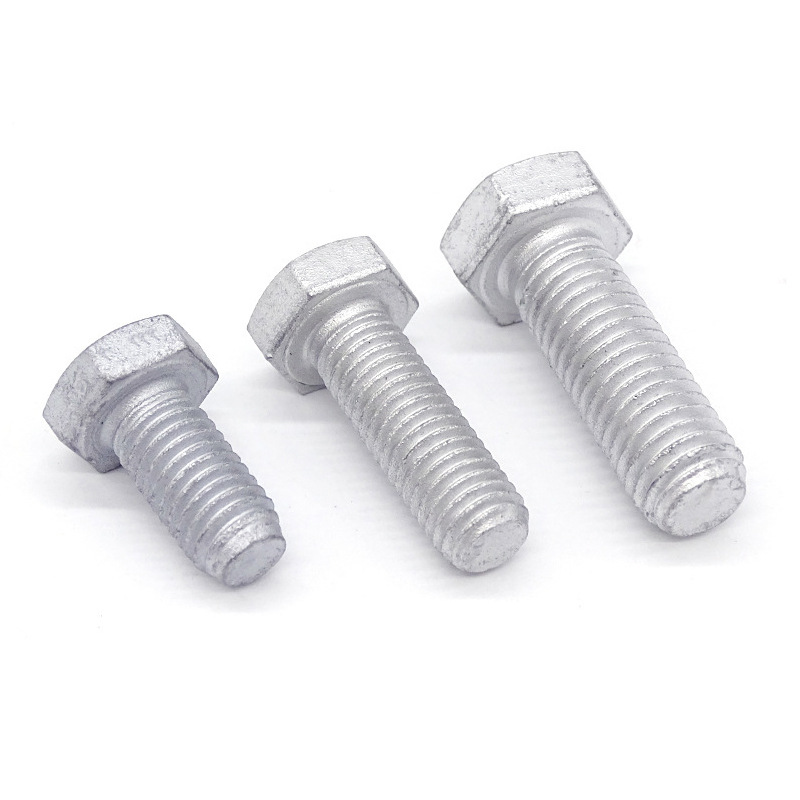
Hot-dip galvanizing involves immersing screws in molten zinc to form a zinc-iron alloy layer with a thickness of 10-50μm. This coating boasts strong adhesion, excellent wear resistance, and salt spray test durability lasting hundreds of hours, making it adaptable to harsh environments like outdoors, construction sites, and offshore platforms. However, the uneven coating thickness can lead to zinc nodules and burrs, affecting the assembly precision of the screws. Therefore, it is mostly used for coarse screws with lower precision requirements, and the high-temperature treatment may cause a slight decrease in the mechanical properties of the screw substrate.
Chrome Plating Process
Chrome plating is a surface treatment method commonly used in high-end scenarios. Its core advantages lie in extremely strong wear resistance and corrosion resistance, along with high coating hardness and a smooth appearance, which enhance the decorative quality and service life of screws. The principle involves depositing a chromium layer on the screw surface via electrolysis. The chemically stable chromium layer effectively isolates corrosive media and resists oxidation and discoloration. Chrome plating is divided into decorative chrome plating and hard chrome plating. Decorative chrome plating features a thin layer (0.2-0.5μm), suitable for screws in precision instruments and automotive interiors; hard chrome plating has a thicker layer (5-30μm), applicable to screws in mechanical transmission parts that must withstand wear and corrosion.
However, chrome plating has notable drawbacks: high costs, complex process flows, and significant difficulty in treating chromium-containing wastewater, resulting in prominent environmental pressure. In recent years, constrained by environmental policies, its application scenarios have gradually concentrated on high-end core components, with mid-to-low-end scenarios increasingly being replaced by other environmentally friendly processes.
Dacromet Process (Zinc-Chromium Coating)
The Dacromet process is an environmentally friendly surface treatment technology that aligns with current green production trends and is seeing increasingly widespread application in the automotive, construction machinery, and aerospace sectors. Its working principle involves uniformly coating a liquid mixture composed of zinc powder, chromates, etc., onto the screw surface, followed by high-temperature baking to form a dense zinc-chromium composite coating. Typically 8-12μm thick, the coating combines the sacrificial anode protection of zinc with the passivation and sealing action of chromates. Its anti-corrosion performance far exceeds that of traditional zinc plating, with neutral salt spray testing capable of exceeding 1000 hours.
The Dacromet process requires no electroplating, produces no wastewater pollution, and features strong coating adhesion, resistance to high and low temperatures, and minimal risk of hydrogen embrittlement, making it suitable for high-strength screws and complex working conditions. However, its cost is higher than electro-galvanizing, the coating color is monotonous (mostly silver-gray), and its high-temperature resistance is limited (long-term operating temperature does not exceed 200°C), restricting its application in high-temperature scenarios.
Other Processes and Selection Guidelines
Beyond the mainstream processes mentioned above, phosphating, anodizing, and electrophoretic coating are also applied in specific scenarios. Phosphating forms a phosphate film on the screw surface through a chemical reaction; although thin, this film enhances the adhesion between the substrate and subsequent coatings, often serving as a pretreatment for painting or electrophoresis to boost overall corrosion resistance. Anodizing is primarily used for aluminum alloy screws, creating an oxide film with high hardness and good insulation that can be dyed for diverse appearances, making it suitable for aerospace and electronics. Electrophoretic coating uses an electric field to uniformly deposit paint onto the screw surface, resulting in a dense, smooth coating with excellent corrosion resistance and decorative qualities, widely used in mass production scenarios like automotive and home appliances.
The selection of a screw surface treatment process requires a comprehensive evaluation of the working environment, substrate material, precision requirements, and cost budget. For strongly corrosive environments like outdoors or marine settings, hot-dip galvanizing or Dacromet processes are preferred. For precision instruments and high-end equipment, electro-galvanizing (with passivation) or chrome plating are suitable choices. Aluminum alloy screws should prioritize anodizing, while mass production scenarios can combine phosphating with electrophoretic coating to enhance protection. Furthermore, meticulous control during the process—such as substrate rust and oil removal, coating thickness control, and baking temperature adjustment—is crucial, as it directly impacts the protective layer's adhesion and anti-corrosion performance, necessitating strict management through standardized production workflows.
With the upgrading of environmental policies and the rising demands of high-end manufacturing, screw surface treatment processes are evolving towards being more environmentally friendly, high-precision, and long-lasting. Eco-friendly processes like chromium-free coatings and water-based coating are gradually replacing traditional high-pollution methods. The application of intelligent equipment enables precise control over coating thickness and uniformity, while composite treatment processes (e.g., galvanizing + passivation + sealing) further extend anti-corrosion life. For fastener enterprises, keeping pace with these technological iterations, optimizing production processes, and balancing protective effects, costs, and environmental requirements are essential to providing more reliable screw products for downstream industries and promoting the high-quality development of the fastener sector.


 135-6073-0094