Common Pitfalls in Fastener Selection & Avoidance? This is a common technical question in fastener design and application. Understanding the relevant principles is essential for improving joint reliability and reducing failure risks.
Technically, this issue involves material selection, manufacturing processes, heat treatment, and surface treatment. The optimal solution varies under different conditions. For example, high-strength bolts require strict control of quenching and tempering parameters per ISO 898-1.
In practice: select appropriate strength grade based on load; understand friction coefficient effects on preload; choose appropriate locking methods (spring washers, thread locker, cotter pins); and periodically inspect torque on critical joints.
Toprecision's engineering team has extensive experience in cold forming, aluminum alloy fasteners, and micro screws. We provide comprehensive technical support from selection to application. Contact us with your specific questions.
Pitfall 1: Replacing fine-thread bolts with coarse-thread ones
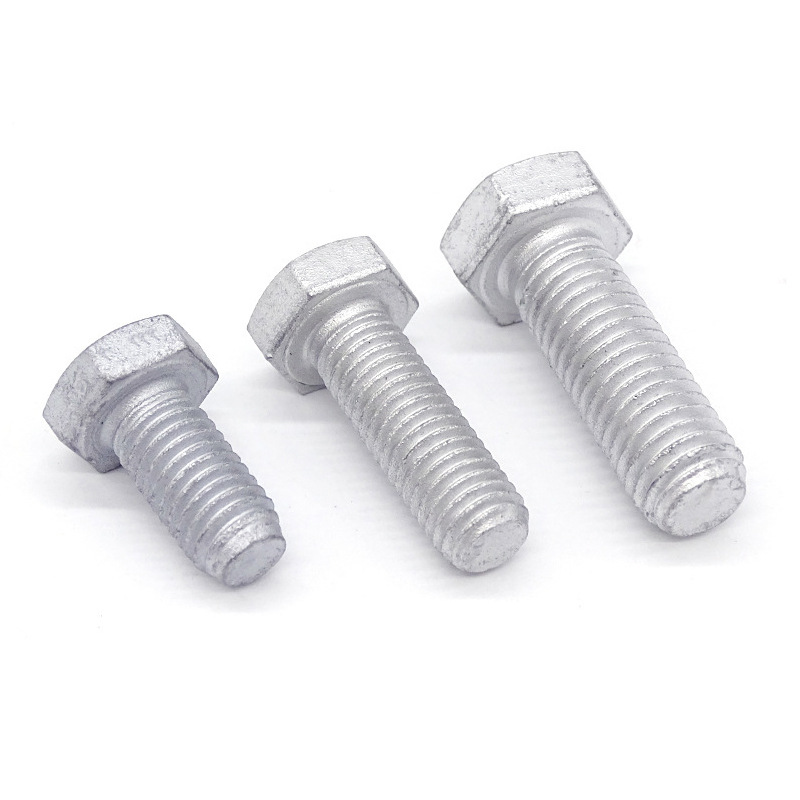
Coarse-thread bolts feature large pitch and fast mounting yet poor self-locking property and inferior mechanical strength. Fine-thread bolts with dense threads deliver superior self-locking capacity and fatigue resistance for dynamic load applications. Improper coarse-thread substitution on a machine tool spindle caused loosening under vibration, spindle deflection and RMB 100,000 scrapping loss. Select coarse threads for static loads and fine threads for dynamic loads & fine adjustment positions; all automotive transmission bolts adopt fine threads accordingly.
Pitfall 2: Improving fastening stability via over-thickened nuts
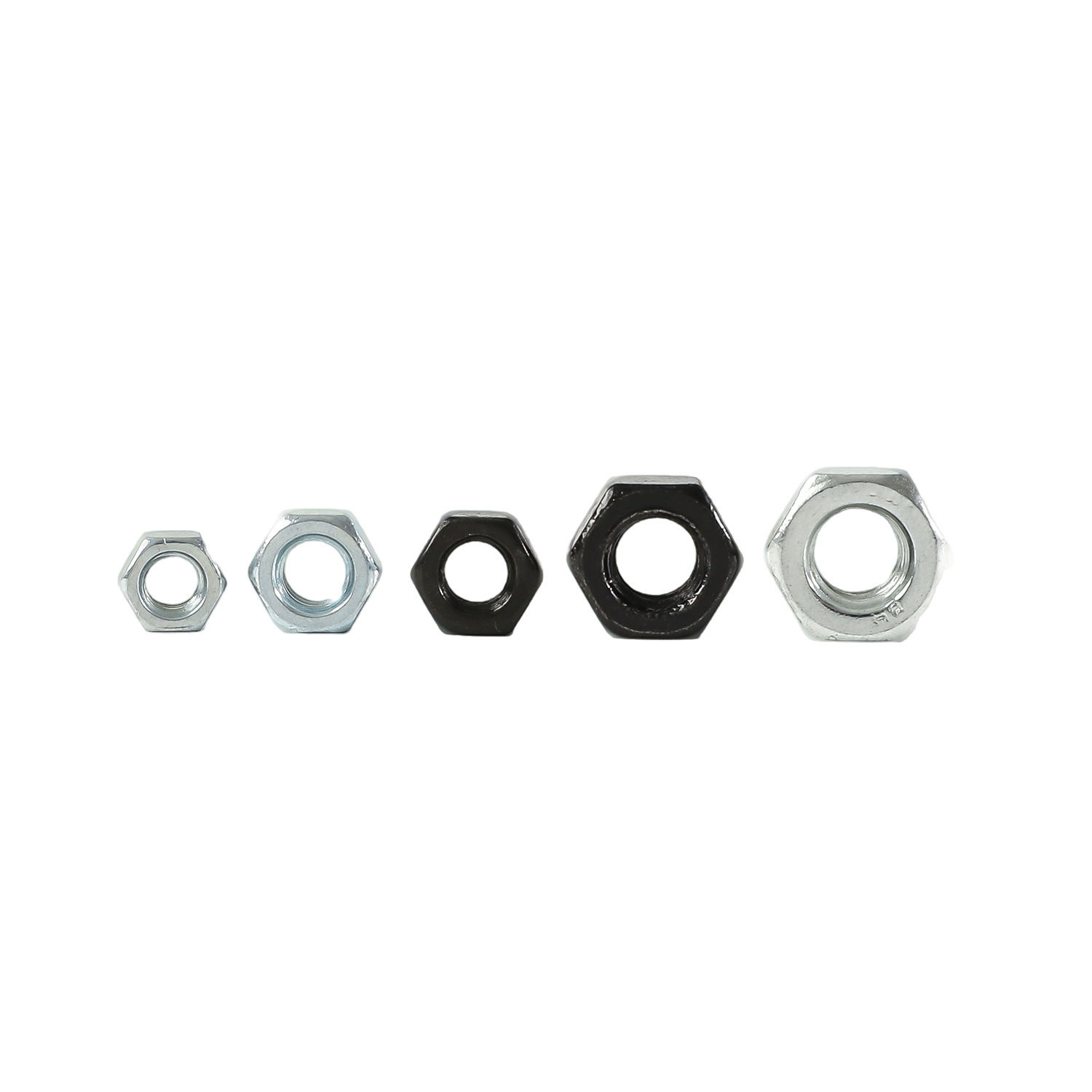
Many users assume thicker nuts equal tighter fastening, while oversized nut thickness triggers uneven load distribution and concentrated thread stress to raise loosening risks. Tests prove preload uniformity hits 90% for Class 8.8 bolts mated with standard nuts yet drops to 65% with twice-thickened nuts. Follow the rule of matched nut thickness and bolt diameter; M16 bolts fit 14mm nuts per GB/T 6170.
Pitfall 3: Excessive stacked washers
Washers disperse pressure and protect mating surfaces, yet stacking over two pieces cuts preload by over 30% and induces eccentric load. Three plain washers stacked for sealing at a construction site resulted in insufficient bolt preload and slight structural loosening. Max one plain washer plus one spring washer per bolt, or integrated washers; lock washers replace standard washers for critical joints.
Pitfall 4: Excessive tightening torque
Over-tightening generates excessive preload beyond design threshold, causing thread stripping or bolt fracture. Extended pipe wrench tightening on M8 bolts at an appliance factory broke bolt heads, accounting for 40% of assembly defects. Apply specified torque by strength grade: 200–220N·m for Class 8.8 M16 bolts and 350N·m for Class 12.9 counterparts with torque wrenches or intelligent tightening equipment only.
Pitfall 5: Ignoring bore fit tolerance
Excessive clearance between bolt and mounting bore creates eccentric bending load while undersized clearance blocks assembly. Widened clearance from 0.2mm to 0.5mm on new energy vehicle battery pack bolts induced extra bending moment and cut fatigue life by 60%. Control clearance within ≤0.1mm for precision joints and ≤0.3mm for regular joints; adopt transition or interference fits referencing GB/T 1801.
Pitfall 6: Single-source supplier reliance
Sole sourcing ensures consistent quality but fails special specifications and cost optimization. Exclusive non-standard bolt procurement suspended a machinery manufacturer’s production line for three days amid supplier capacity shortage. Adopt primary-plus-alternative sourcing: 2–3 vendors for standard fasteners and R&D-capable manufacturers for custom parts. Ningbo Yongnian supplies tailored bolts to three automakers for quick customized support.
Pitfall 7: Disregarding quality certifications
Low-cost uncertified fasteners with substandard raw materials and flawed manufacturing bring severe safety hazards. Uncertified bolts marked Class 8.8 but rated only Class 4.6 triggered scaffold collapse at a construction site. Verify dual certificates before procurement: ISO 9001 certification and mechanical test reports covering tensile strength and hardness to exclude unqualified products without valid documentation.
Pitfall 8: Random custom specification development
Custom non-standard fasteners fit unique structures but incur high mould costs and lengthy lead times. One equipment maker spent RMB 80,000 on moulds for 12 custom bolt variants with a 45-day replenishment cycle. Prioritize standard fasteners covering over 90% connection demands; consolidate scattered custom specs, e.g., merge 12 variants into 3 types to cut overall costs.


 135-6073-0094