
One-stop Fastener
Custom Manufacturing Expert

Rivets vs. Screws: A Practical Guide to Fastener Selection

[Abstract]:In metal fastening, rivets and screws are the two most widely used categories across automotive manufacturing, construction, electronic equipment, aerospace, and many other industries.
Rivets vs. Screws: A Practical Guide to Fastener Selection

In metal fastening, rivets and screws are the two most widely used categories across automotive manufacturing, construction, electronic equipment, aerospace, and many other industries. While seemingly similar in function, these two fastener types have fundamental differences in structural design, mechanical characteristics, and installation methods. Selection decisions directly impact product stability, safety, and maintenance costs. Understanding the core differences and appropriate applications for each is essential for both fastener professionals and end users.

Rivets are permanent fasteners that cannot be removed after installation. Their core advantages are structural stability and strong vibration resistance. A rivet consists of a shank and a head. Through external force, the shank deforms to form a permanent structure at both ends, achieving tight component joining. Common materials include stainless steel, aluminum alloy, and copper, suitable for different corrosion environments and strength requirements. Structural types include blind rivets, dome head rivets, and countersunk rivets. Blind rivets, due to their ease of installation without specialized tooling, are widely used in lightweight assembly applications.

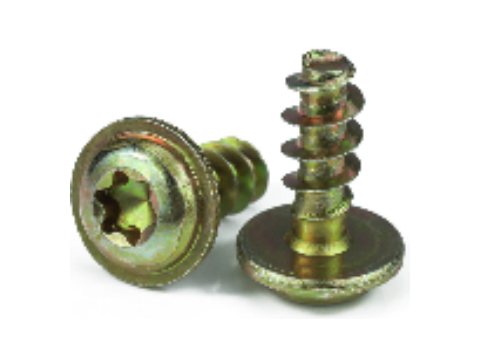
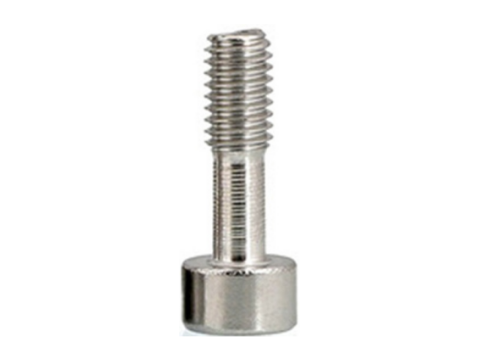
Screws are removable fasteners that rely on thread engagement for clamping, offering repeatable installation and removal as well as tension adjustment capabilities. Screw categories are even more diverse, including machine screws, self-tapping screws, and expansion screws by application, and coarse thread and fine thread by thread type. The fastening effectiveness of screws depends on thread engagement depth with the substrate. The addition of nuts, washers, and other accessories further enhances load capacity and locking performance. Compared to rivets, the core advantage of screws is flexibility, facilitating maintenance, inspection, and component replacement.

Structural and Installation Differences Determine Application Boundaries

The non-removable nature of rivets gives them an advantage in high-vibration applications demanding maximum stability. In automotive manufacturing, high-strength rivets are commonly used for body frames and chassis components. For new energy vehicle battery packs, stainless steel blind rivets provide sealed fastening, preventing vibration-induced loosening while avoiding structural damage from subsequent removal. Aerospace applications have stringent requirements for rivets—aircraft fuselage skins and wing structures require titanium alloy rivets, leveraging their high strength and fatigue resistance to ensure flight safety under extreme conditions.

Screws are better suited for applications requiring frequent disassembly, adjustment, or maintenance. In electronic equipment, miniature self-tapping screws are widely used for mobile phone and computer housings, facilitating production line assembly and after-sales repair. Industrial equipment such as motors and gearboxes use high-strength bolts with locking washers, providing both torque resistance during operation and quick disassembly for troubleshooting. In construction, expansion screws, with their removable特性, are preferred for window and door installation and pipe fixing. The expansion sleeve's tight engagement with the substrate provides stable support under dynamic loads.

Mechanical Performance Differences Are Core Selection Factors

Rivets distribute clamping force evenly across the contact surface and excel in shear strength, though their tensile strength is relatively lower. They are suitable for applications primarily subjected to transverse loads. For example, steel structure bridge connections and container body joints primarily experience shear forces. High-strength rivets effectively distribute loads and improve structural integrity. Screws rely on threads to transmit both tension and torque, offering excellent tensile strength, but their shear strength is significantly affected by thread precision. Proper selection and accessory combinations help compensate for this limitation.

Material and Process Compatibility Also Influence Selection

Rivet material must match the joined components to avoid galvanic corrosion. Aluminum alloy components require aluminum alloy rivets; stainless steel components require 304 or 316 stainless steel rivets. For installation, blind rivets can be set using manual or pneumatic rivet guns, suitable for batch assembly, while dome head rivets require press forming, appropriate for high-precision structural components.

Screw material selection must balance strength and corrosion resistance. Automotive engine components commonly use grade 12.9 high-strength bolts, while outdoor construction applications优先选用 hot-dip galvanized screws. Installation requires controlled torque to avoid thread stripping or component deformation.

Combined Use in Practice

In some applications, both fastener types are used together to leverage their respective advantages. For new energy vehicle charging stations, rivets provide overall structural fixation of the housing frame to ensure vibration resistance, while miniature screws secure internal circuit modules to facilitate later inspection and maintenance. In furniture manufacturing, rivets improve cabinet frame stability, while screws attach cabinet door hinges, balancing secure attachment with adjustment needs. This combined approach maximizes the advantages of both fastener types and optimizes cost-effectiveness.

Common Selection Mistakes to Avoid

Some users blindly pursue higher strength while overlooking application needs, such as using high-strength rivets in electronic equipment, preventing later repair. Others over-rely on screw flexibility in high-vibration applications without incorporating locking accessories, leading to loosening risks. The correct selection logic follows the principle of "application fit first, mechanical analysis为核心, maintenance needs as consideration," integrating component material, load characteristics, operating environment, and inspection frequency into the decision.

Future Trends

As manufacturing advances toward higher-end and lightweight solutions, rivet and screw technologies continue to evolve. New locking rivets and carbon fiber composite rivets are gradually being adopted in high-end equipment. Smart screws integrated with torque sensors enable precision tightening, expanding selection possibilities. Fastener professionals must stay current with technical trends and deeply understand application requirements to provide accurate selection recommendations, helping customers improve product quality and production efficiency.

Conclusion

Neither rivets nor screws are universally superior—the key is application fit. Understanding their structural, performance, and process differences, combined with load analysis, maintenance requirements, and cost considerations, enables optimal fastening solutions. In today's increasingly competitive fastener industry, precise selection capability reflects professional expertise and is essential for delivering value and enhancing market competitiveness.


Professional consultant team online, ready to provide solutions for you

Contact Now
WeChat

WeChat

Scan to add WeChat

Long press to scan

Service